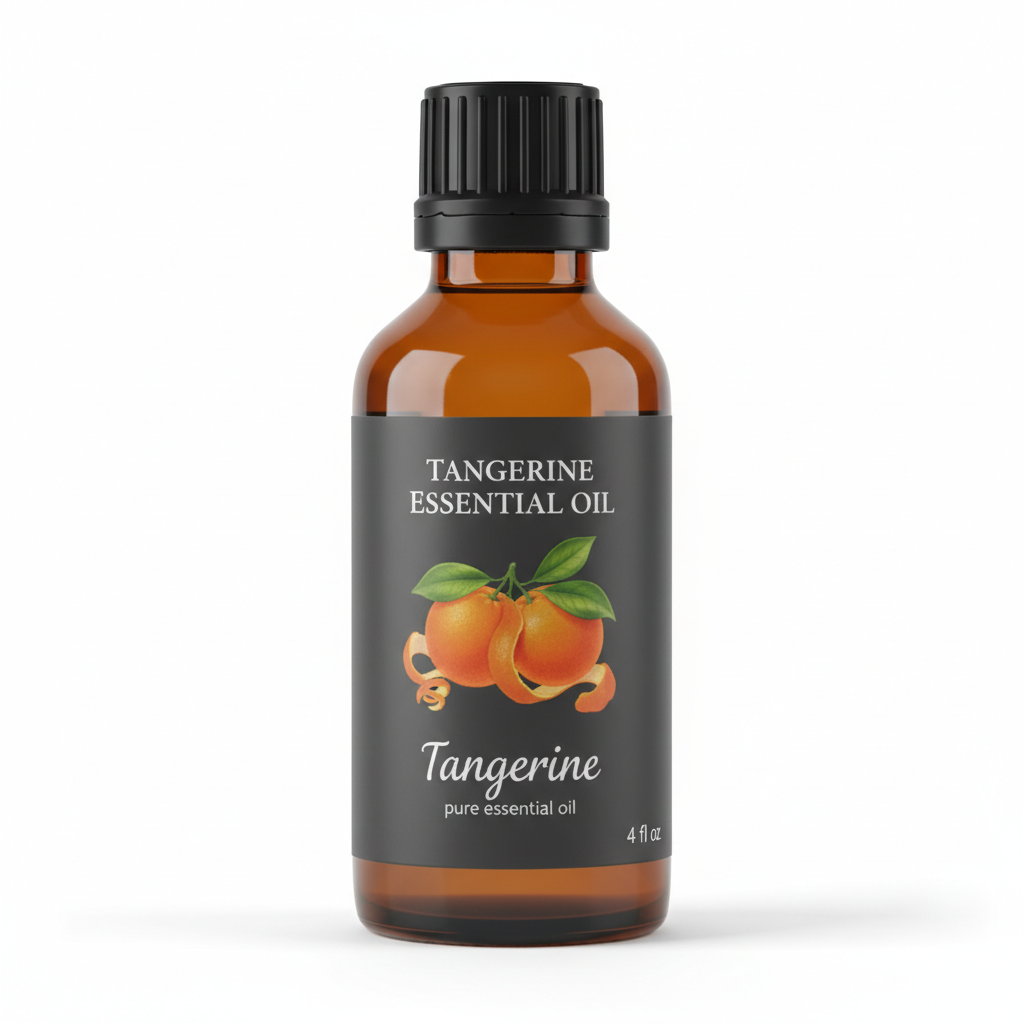
Does Tangerine Oil Go Bad? Signs and Shelf Life
Tangerine oil ages rather than spoils. Here is how to spot a bottle past its best, what shelf life to expect, and the storage habits that help.
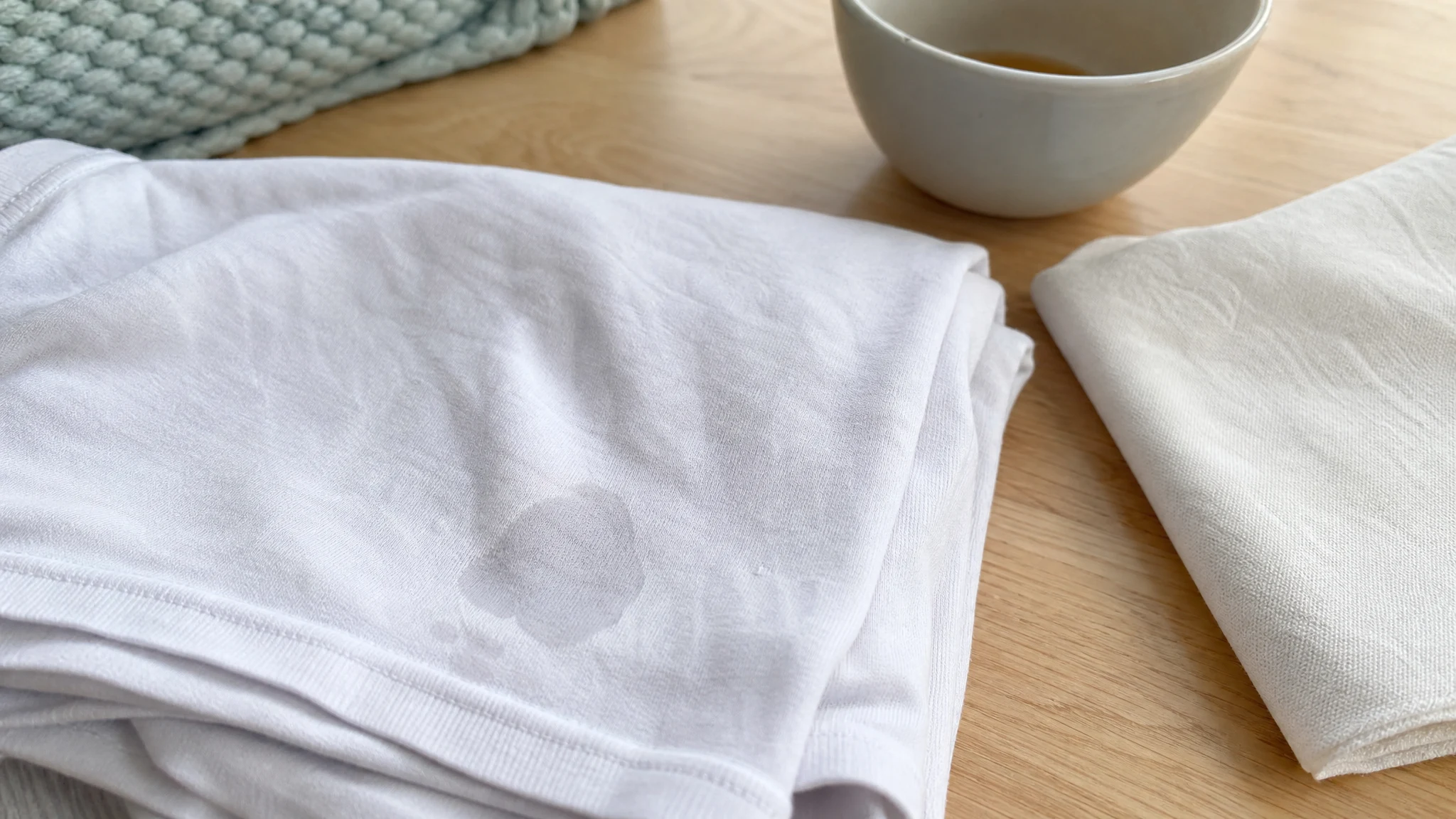
Tangerine Oil Spill on Fabric? How to Lift the Mark
Tangerine oil can leave a greasy mark on cloth. Blot it, treat it with dish detergent, skip the dryer, and know when to hand the garment to a cleaner.

Tangerine vs Lemon Oil: Sweet or Sharp Citrus?
Tangerine is rounder and sweeter, lemon sharper and more sun-reactive on skin. See how the two compare in aroma, chemistry, blending and storage.
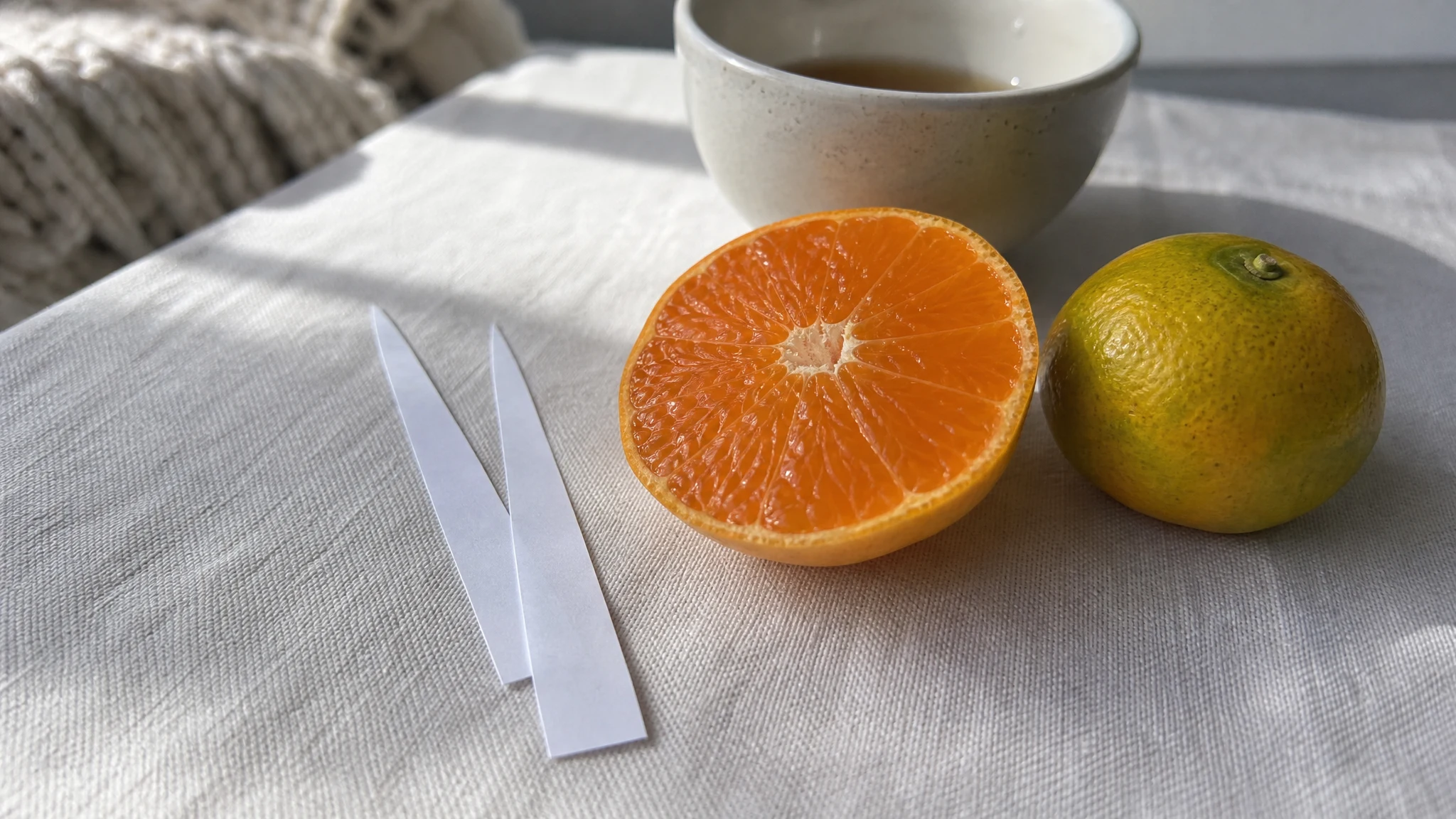
Tangerine vs Bergamot Oil: How They Differ in a Blend
Tangerine is sweet and juicy, bergamot floral and tea-like with a much lower skin ceiling. See how they differ and how to balance them in a blend.
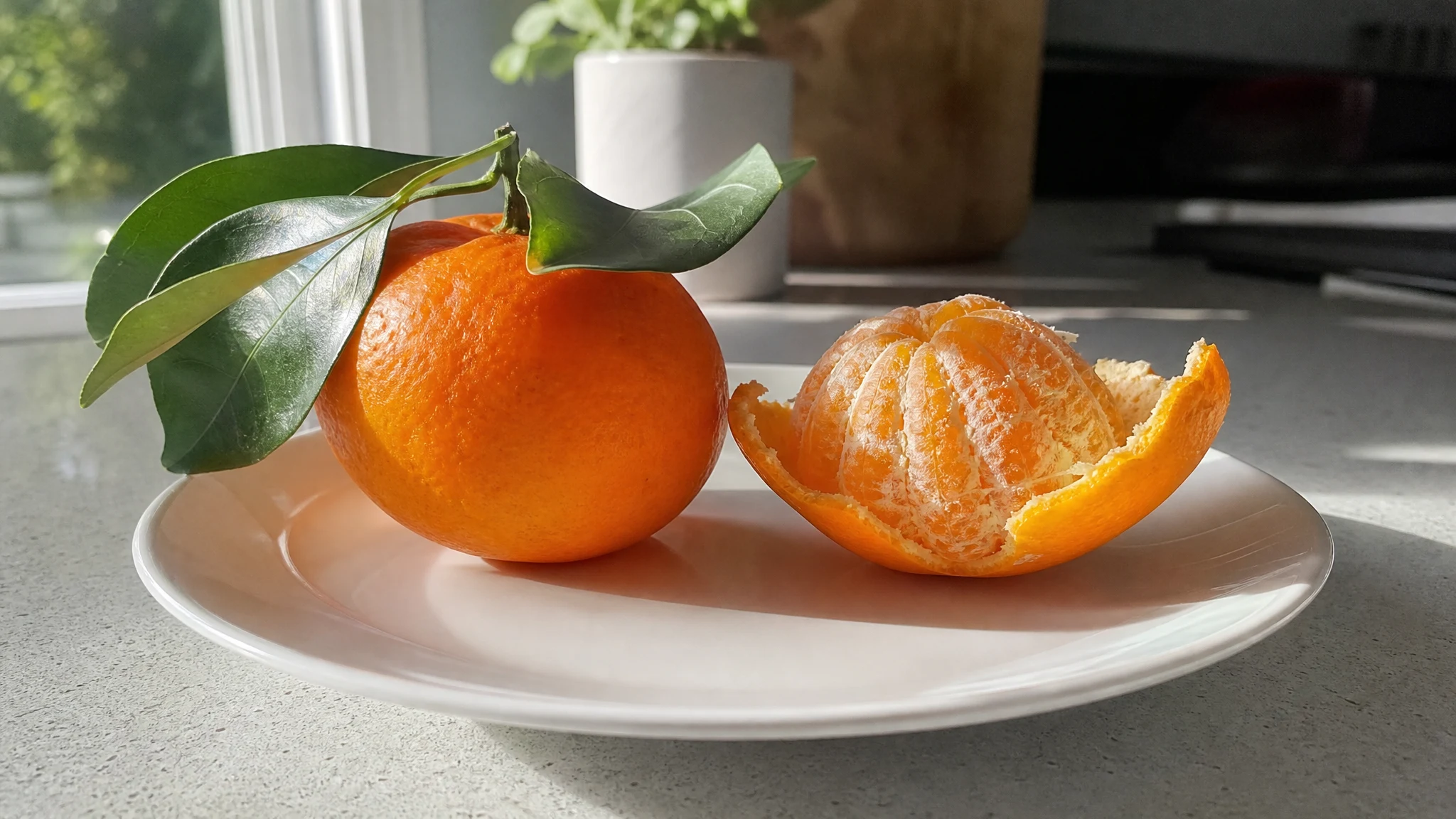
What Is Tangerine Oil Good For? Scent and Studies
Tangerine oil is a sweet, bright citrus aroma. Here is what citrus scent studies have looked at, what they leave open and why we talk scent, not outcomes.

Tangerine Aromatherapy: A Friendly Guide to the Scent
Aromatherapy begins with a scent you enjoy. Here is what the word covers, what citrus studies explored and how to enjoy tangerine at home.

Citrus Scent and Nerves: What Waiting Room Studies Found
Researchers scented dental waiting rooms with orange oil and watched how people felt. Here is what they found, and what a citrus smell can honestly be.

Citrus Scent at Bedtime: What Comes Before the Diffuser
Habits and CBT for insomnia come well before any scent. Here is the order guidelines suggest and how to enjoy a citrus aroma at night if you love one.

How to Diffuse Tangerine Oil: Drops, Timing and Fresh Air
A diffuser needs only a few drops of a bright top note. Here is how to start low, run short sessions, choose water and keep the room fresh.

Does Scent Help You Concentrate? What the Studies Show
Peppermint and rosemary get the headlines for desk-time scent. We look at how those studies were run and where a bright citrus note fits at your desk.

Citrus Scent and Nausea: What the Trials Actually Showed
A lemon-scent pregnancy trial and a Cochrane review are the studies people cite for citrus and queasiness. We walk through what they actually showed.

Citrus Scent for Dark Winter Evenings: What to Expect
A bright citrus smell can make a winter evening feel warmer. Here is what scent studies measured, and where seasonal low mood calls for a clinician.
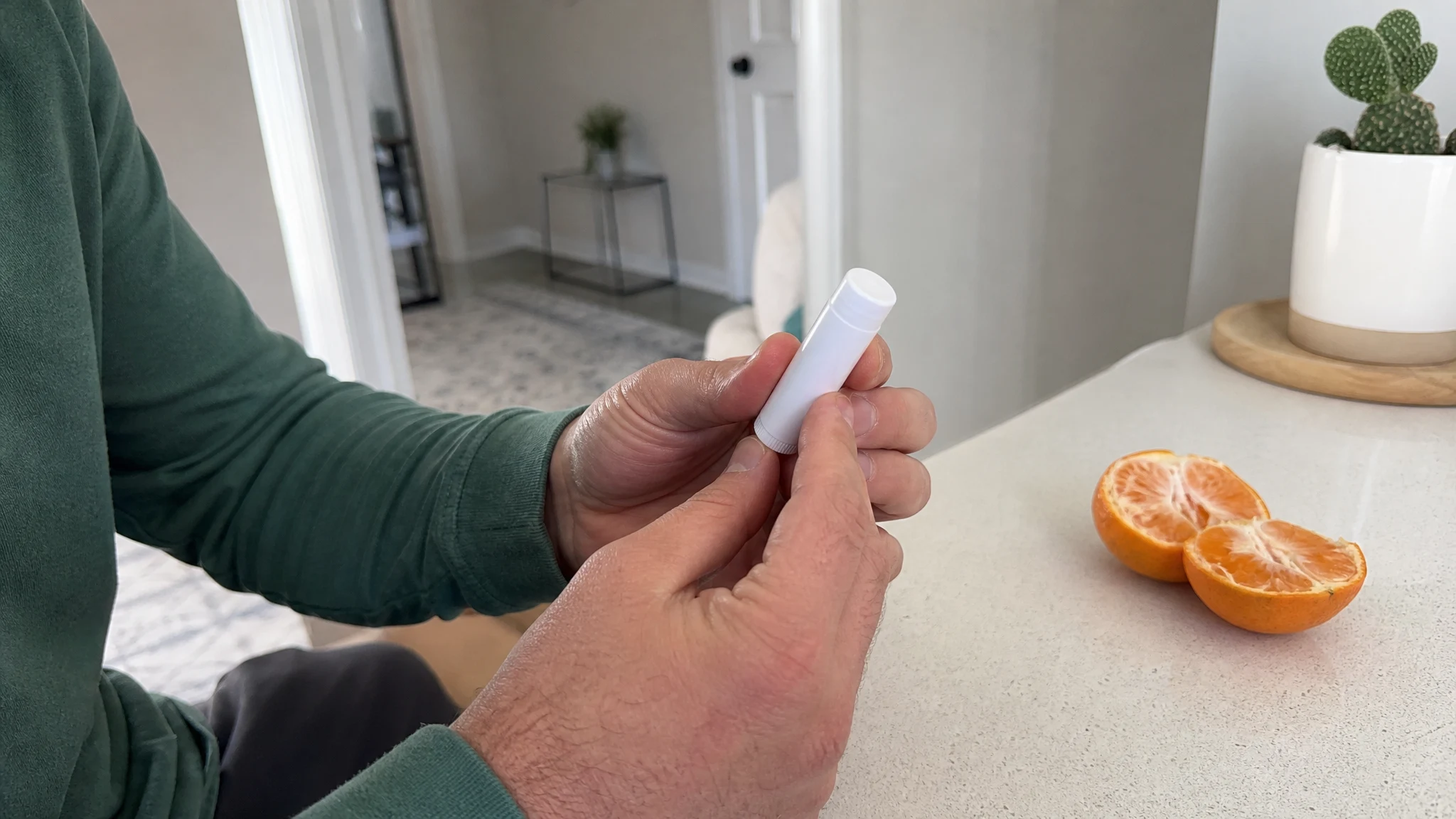
Tangerine Inhaler: A Simple Pocket Scent Guide
A pocket tangerine inhaler needs only a few drops and a fresh wick. Learn how much oil to use, how often to replace it and who should skip it.
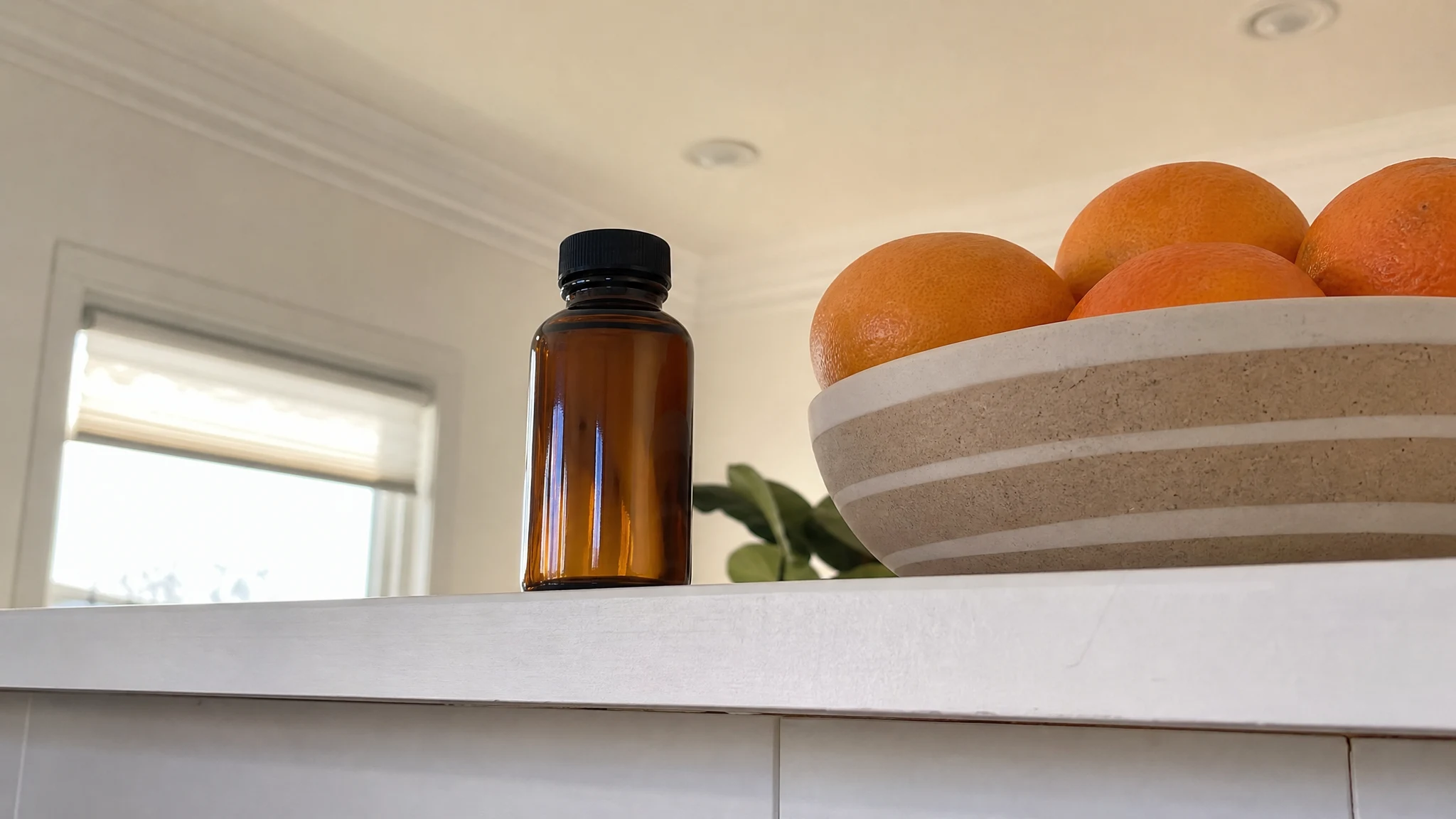
Tangerine Oil Safety: Dilution, Freshness and Storage Tips
Use tangerine oil with confidence: keep it fresh, dilute it, patch test, mind the sun, and store it well out of reach of children and pets.

Tangerine Oil and Kids: Safe Storage and Habits
Most child exposures involve a bottle within reach, not a diffuser. What poison centres report, simple storage habits, and who to call in a hurry.

Tangerine Oil and Pregnancy: Questions for Your Midwife
No guidance we read names tangerine oil for pregnancy. See what NHS documents and MotherToBaby say, and questions to bring to your midwife.
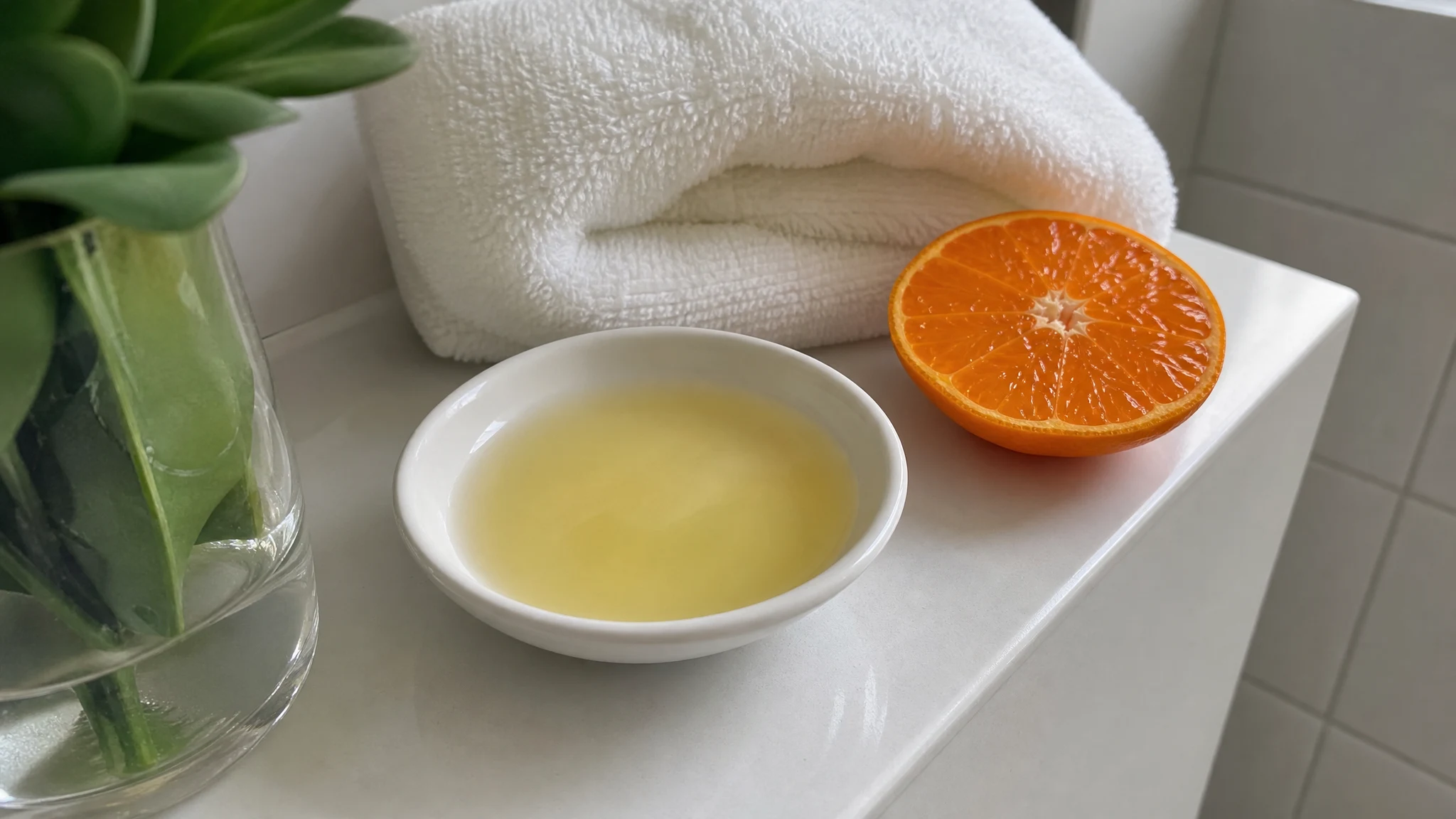
Tangerine Face Oil: A Light Bedtime Blend
Three drops of tangerine in a small bottle of carrier oil makes a delicately scented face oil. Here is the dose, the routine and the reasoning.

Tangerine Oil and Acne: Why We Keep It a Scent
Tangerine oil is a fragrance, not an acne treatment. Here is what the one dish study showed, what dermatologists recommend and how to use the scent wisely.
Tangerine Body Oil: What It Can and Can't Promise
Tangerine body oil is about scent and a silky feel. Get the dilution maths, and learn to read claims for firming or smoothing with a cool eye.
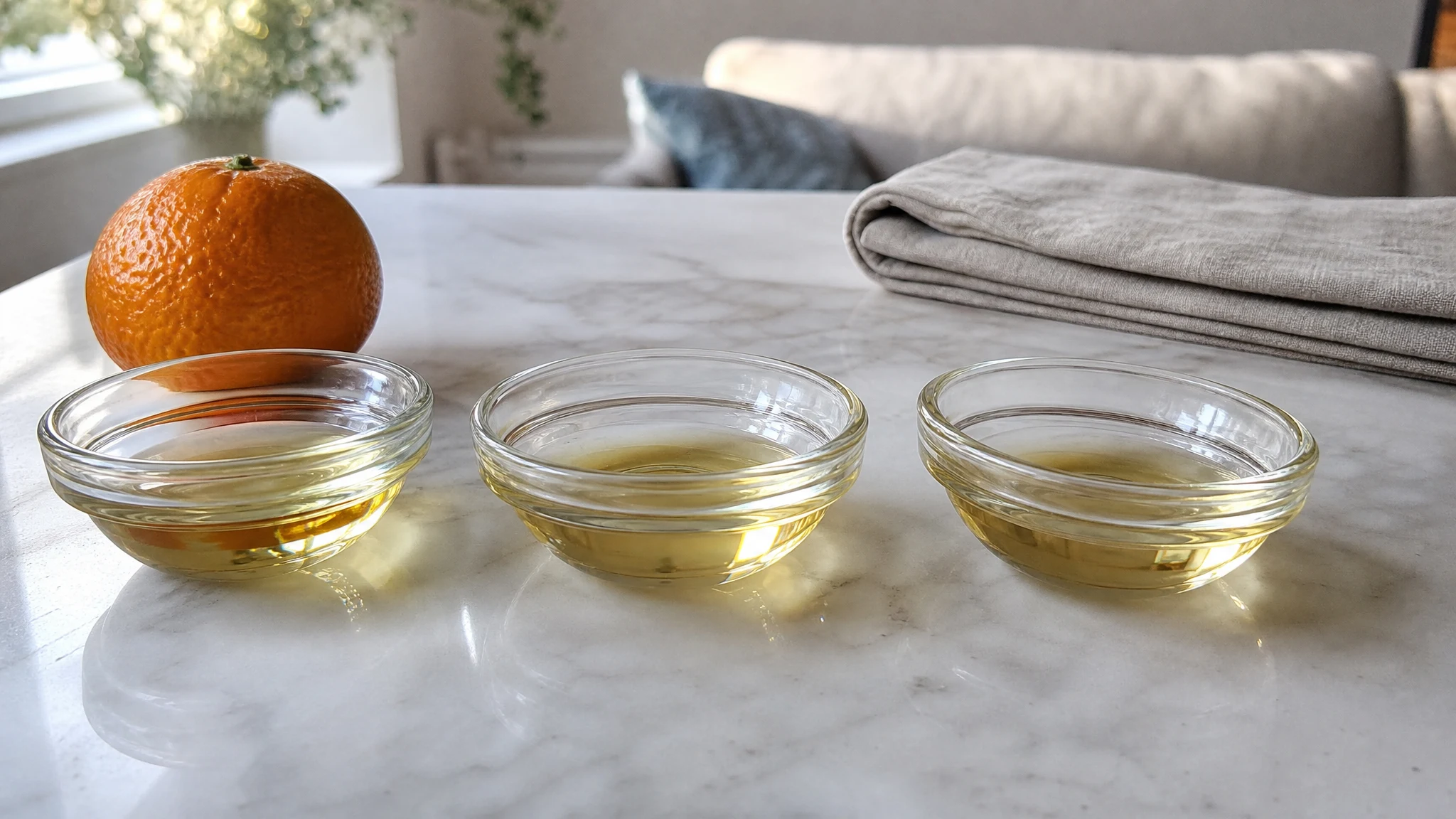
Best Carrier Oil for Tangerine Oil: Jojoba or Almond?
Tangerine oil is a concentrate, so the carrier is most of your blend. Jojoba, sweet almond and fractionated coconut compared, plus tips to keep it fresh.
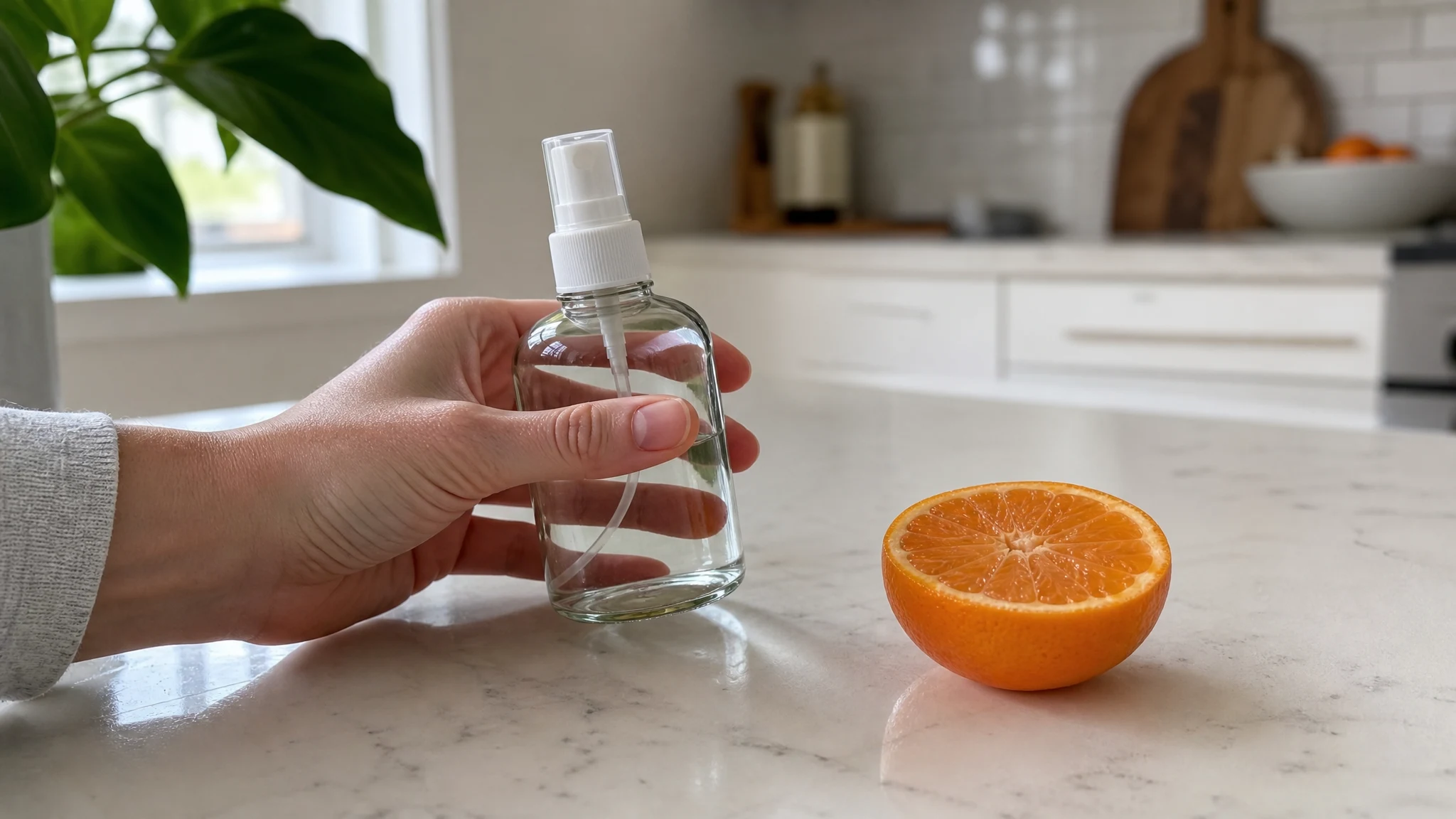
Tangerine Room Spray: Why Oil and Water Won't Mix
Oil and water will not stay together on their own. See how a solubilizer fixes that, how many drops suit a small bottle, and where to aim the mist.
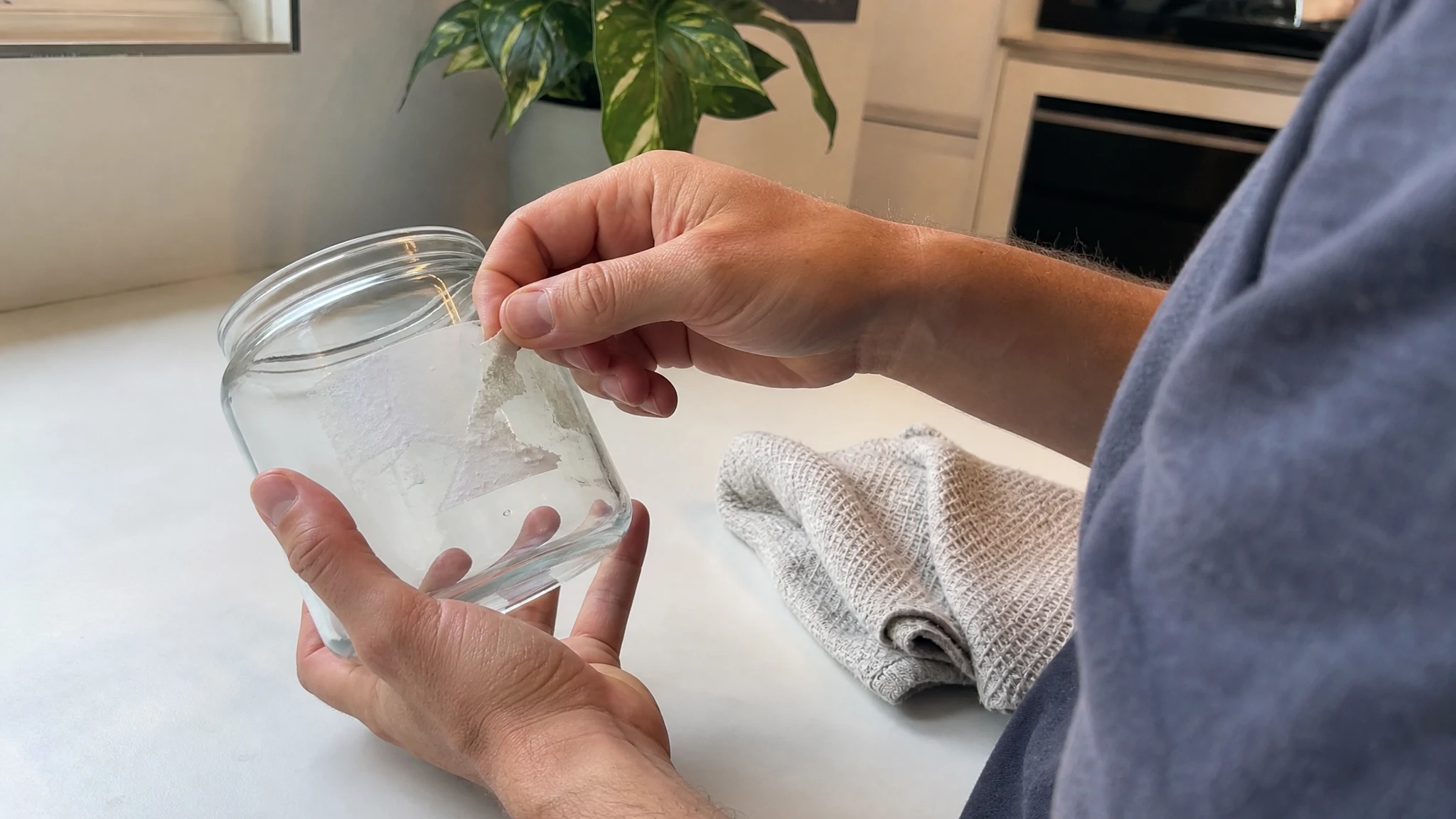
Tangerine Oil on Stickers? What Limonene Can and Can't Do
Limonene is a solvent, which is both why citrus gets mentioned for stickers and why to test first. Safety points and a cautious step by step.
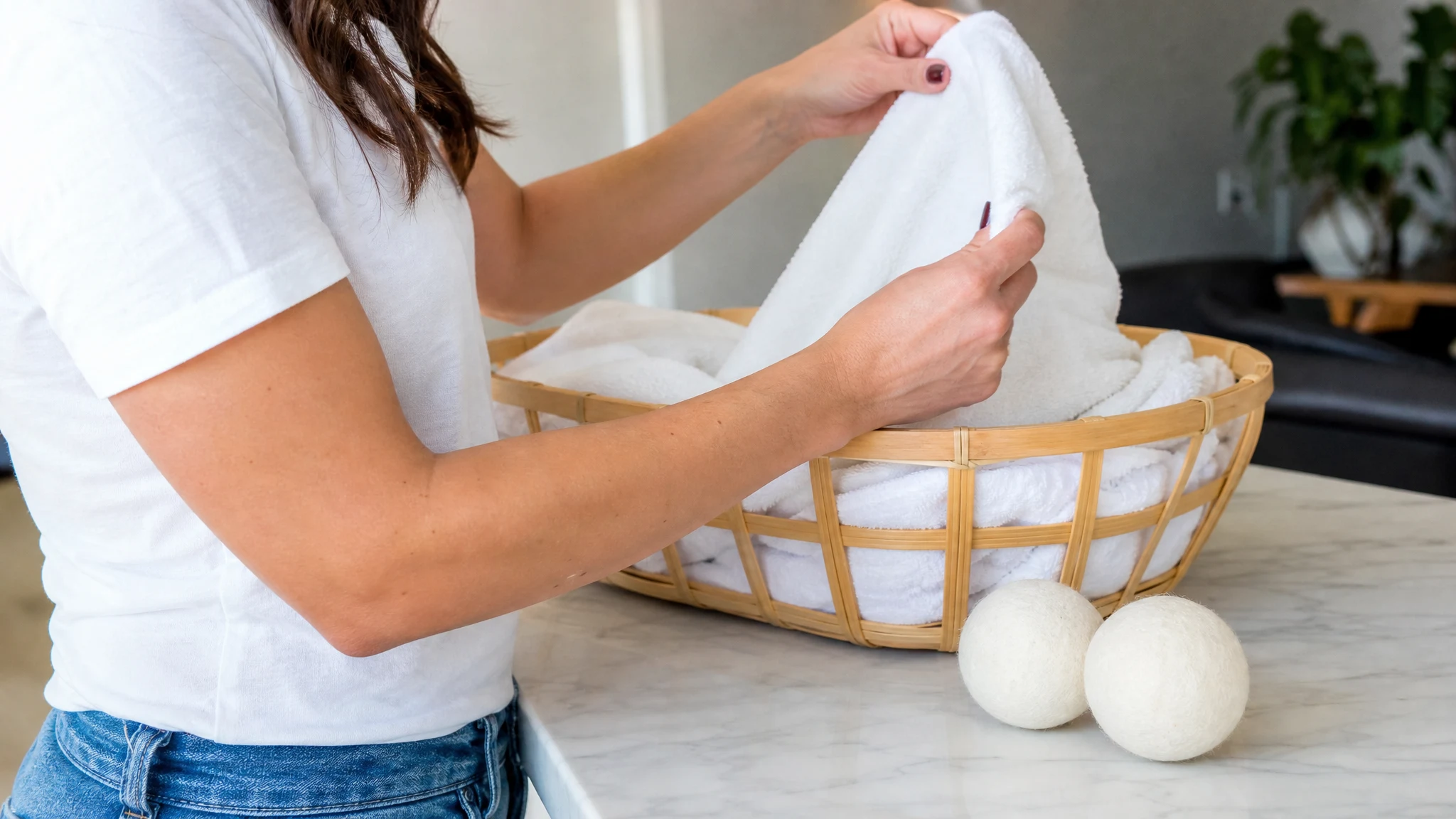
Tangerine Oil in Laundry: A Safer Way to Scent
Wool dryer balls and citrus oil sound cosy, but heat, fabric and oil are a risky mix. Here is what fire services say and how we scent laundry instead.

Tangerine Oil as Bug Repellent? What to Know
A lovely citrus scent is not a registered repellent. Here is how the EPA rule works, what a landmark test found, and how to pick protection that counts.
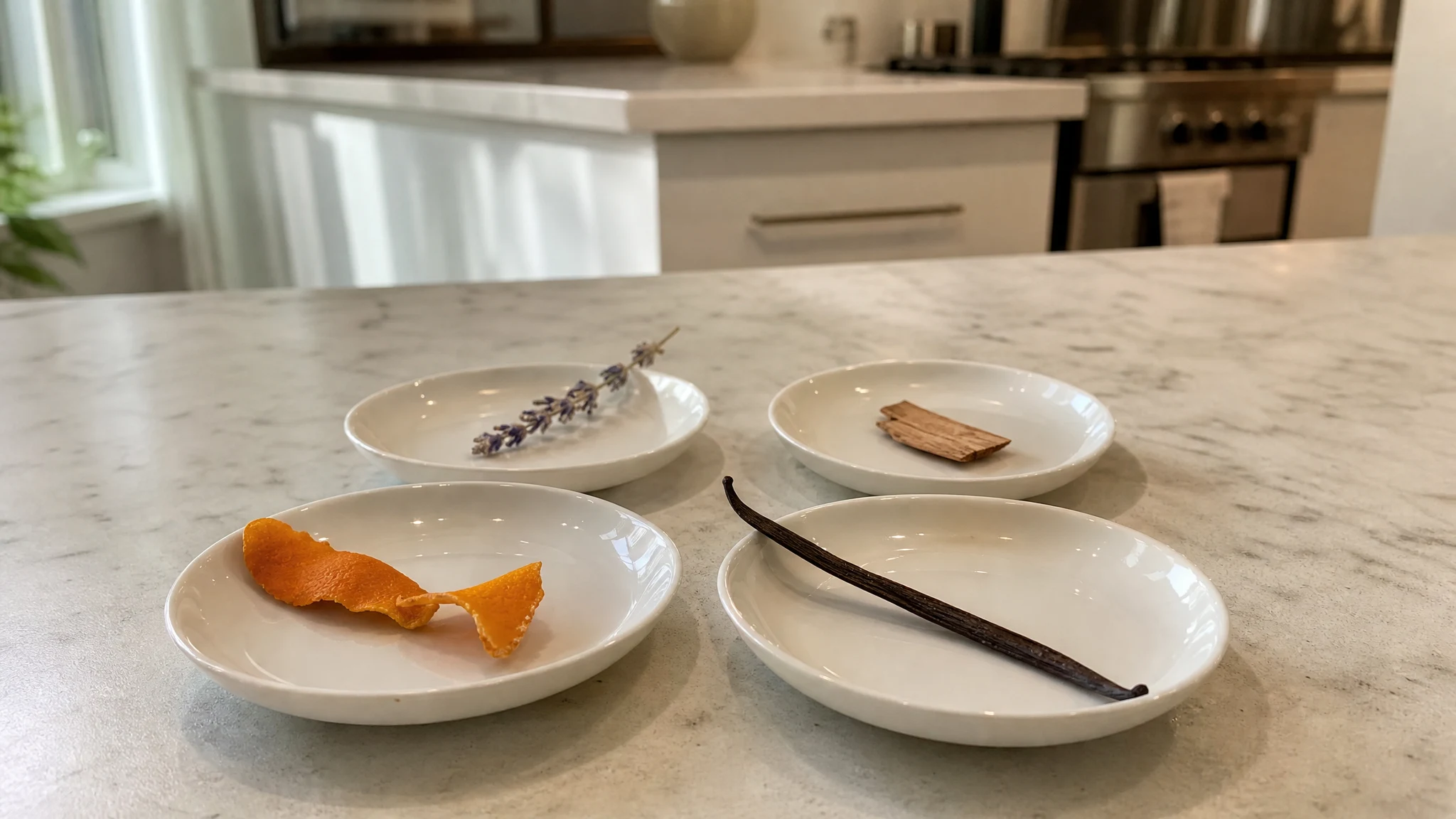
Blending Tangerine Oil: Six Partners That Work
Tangerine is the bright, quick-fading top of any blend. Here is how to choose partners, set proportions and keep the total gentle on skin.
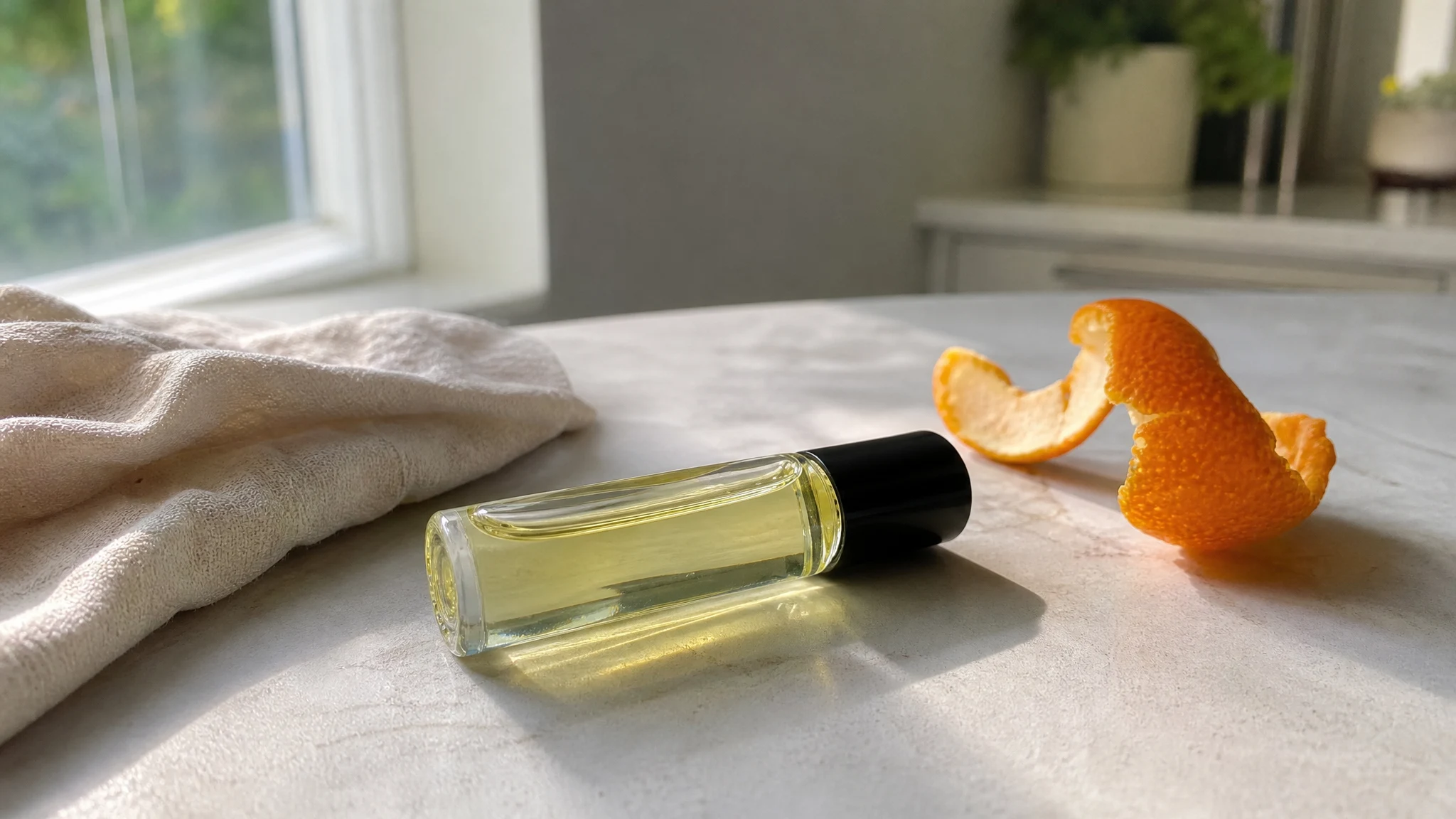
Tangerine Roller Blends: How Many Drops You Really Need
A 10 ml roller holds one or two drops of tangerine, not a dozen. Three small formulas with the maths shown, plus how long to keep a diluted roller.
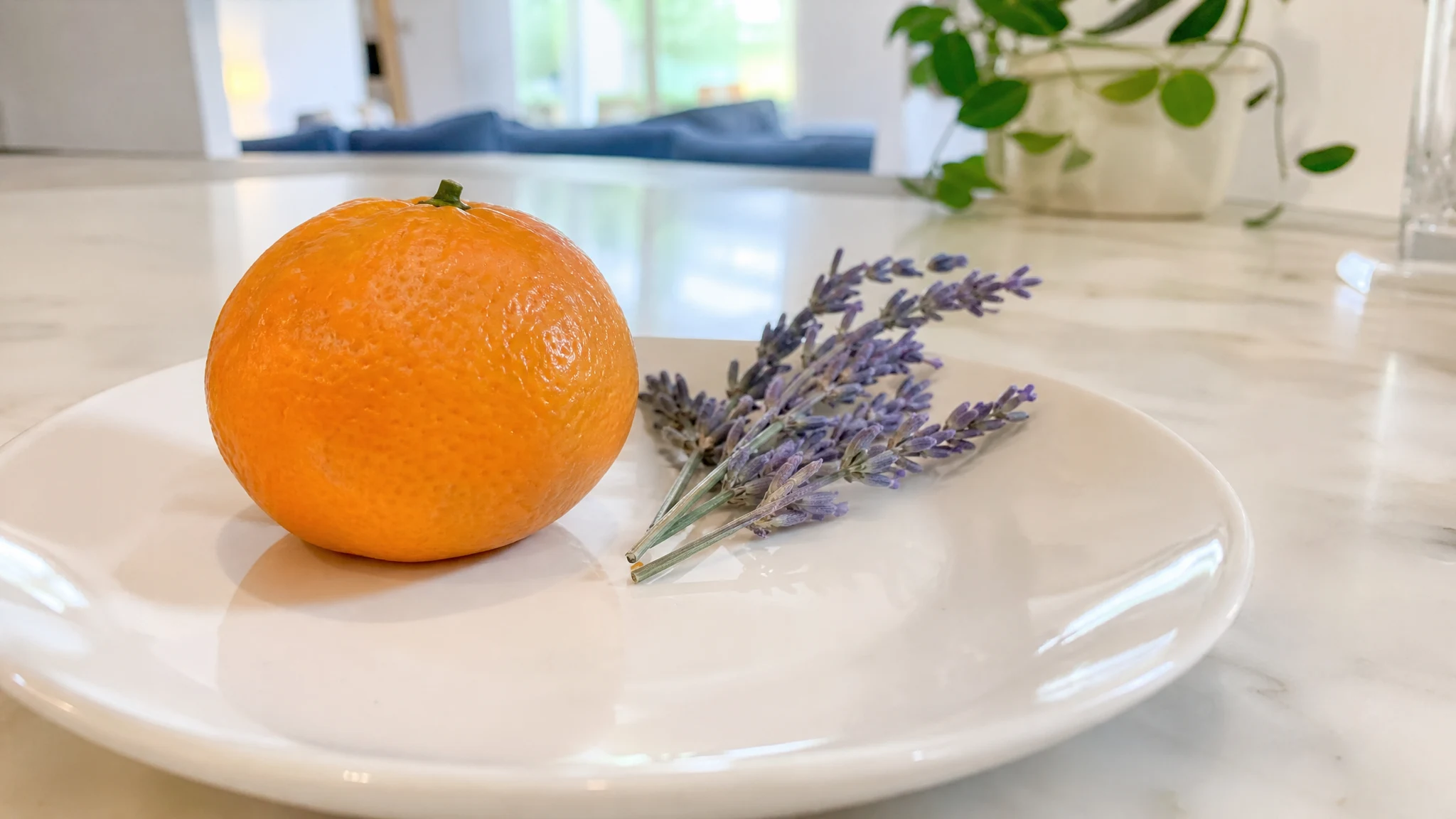
Tangerine and Lavender: How to Balance the Pair
Bright tangerine on top, soft lavender underneath. Three ratios worked out by weight for a 1% blend, plus how to keep both bottles fresh.

Holiday Diffuser Blends With Tangerine, Clove and Cinnamon
Tangerine, clove, cinnamon and evergreen for December, mixed by weight in a small master blend so the spice stays a whisper and the citrus leads.
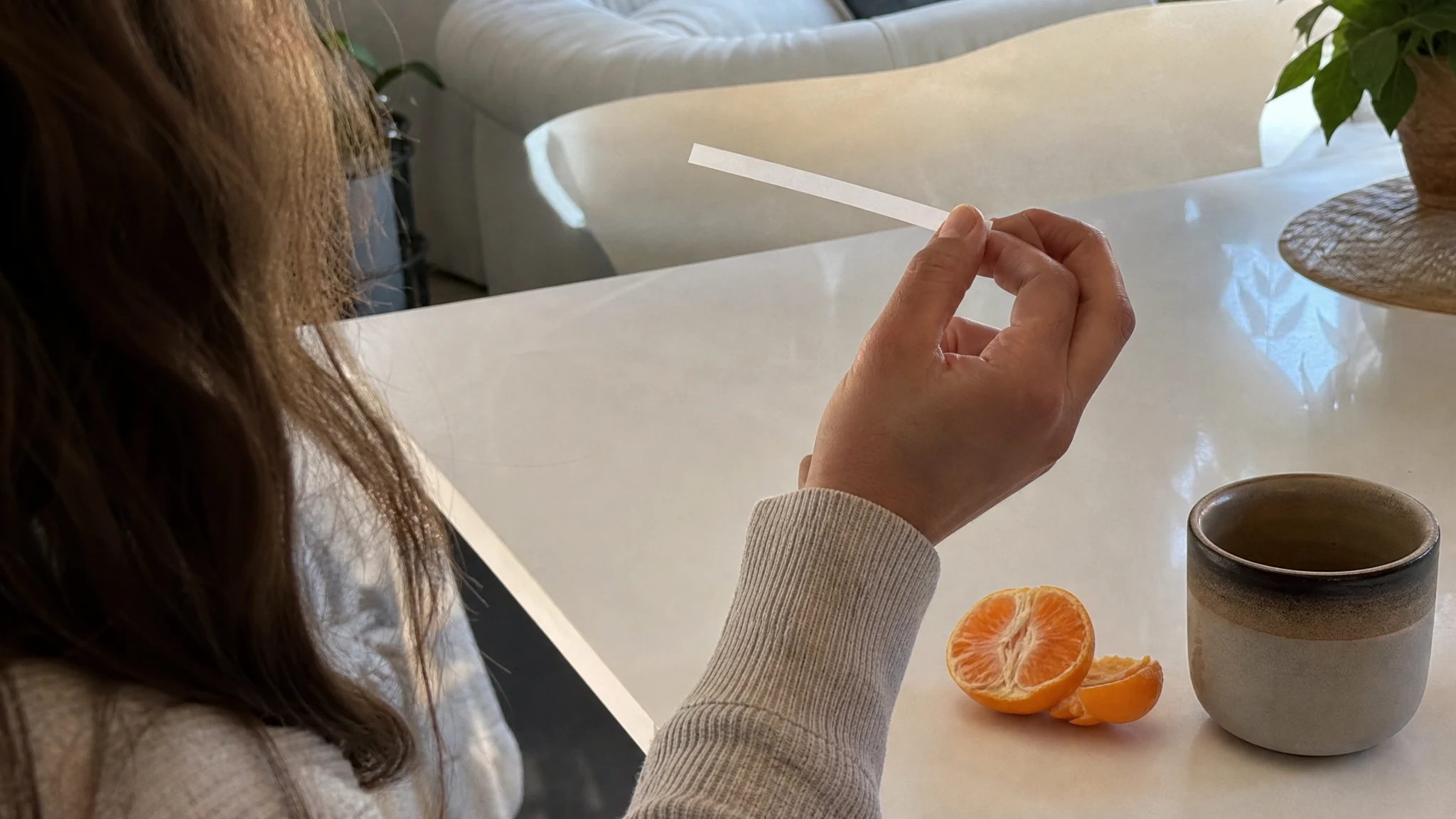
Tangerine Perfume Oil: Pairing a Top Note With a Base
Tangerine opens bright and fades fast. Here is why, how a base note gives it something to stand on, and a small roll-on built from careful arithmetic.
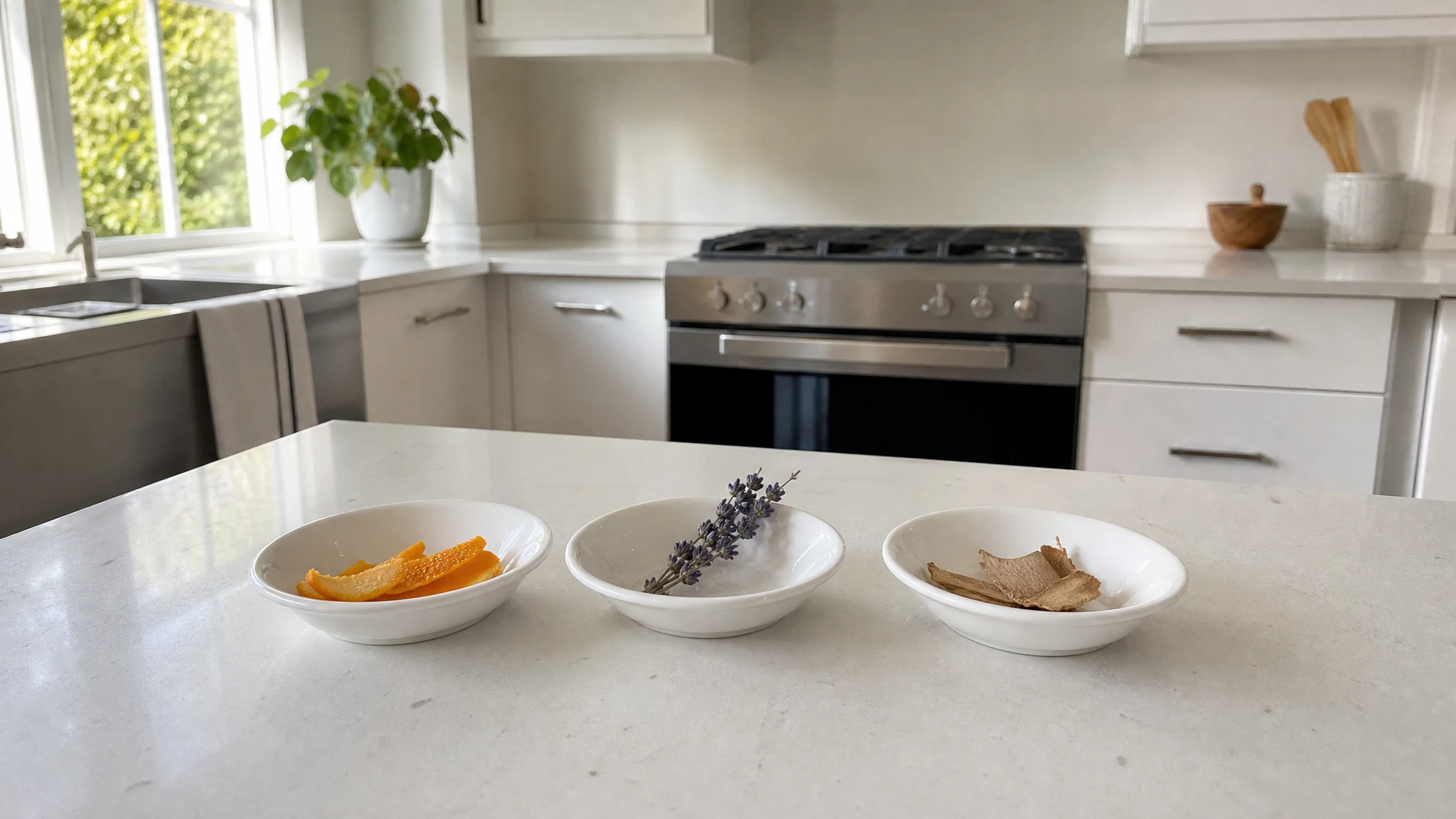
Perfume Notes Explained: Where Tangerine Fits In
Notes are really about speed. See where bright tangerine sits, why a base note nearly vanishes at skin strength, and how to weigh a blend.
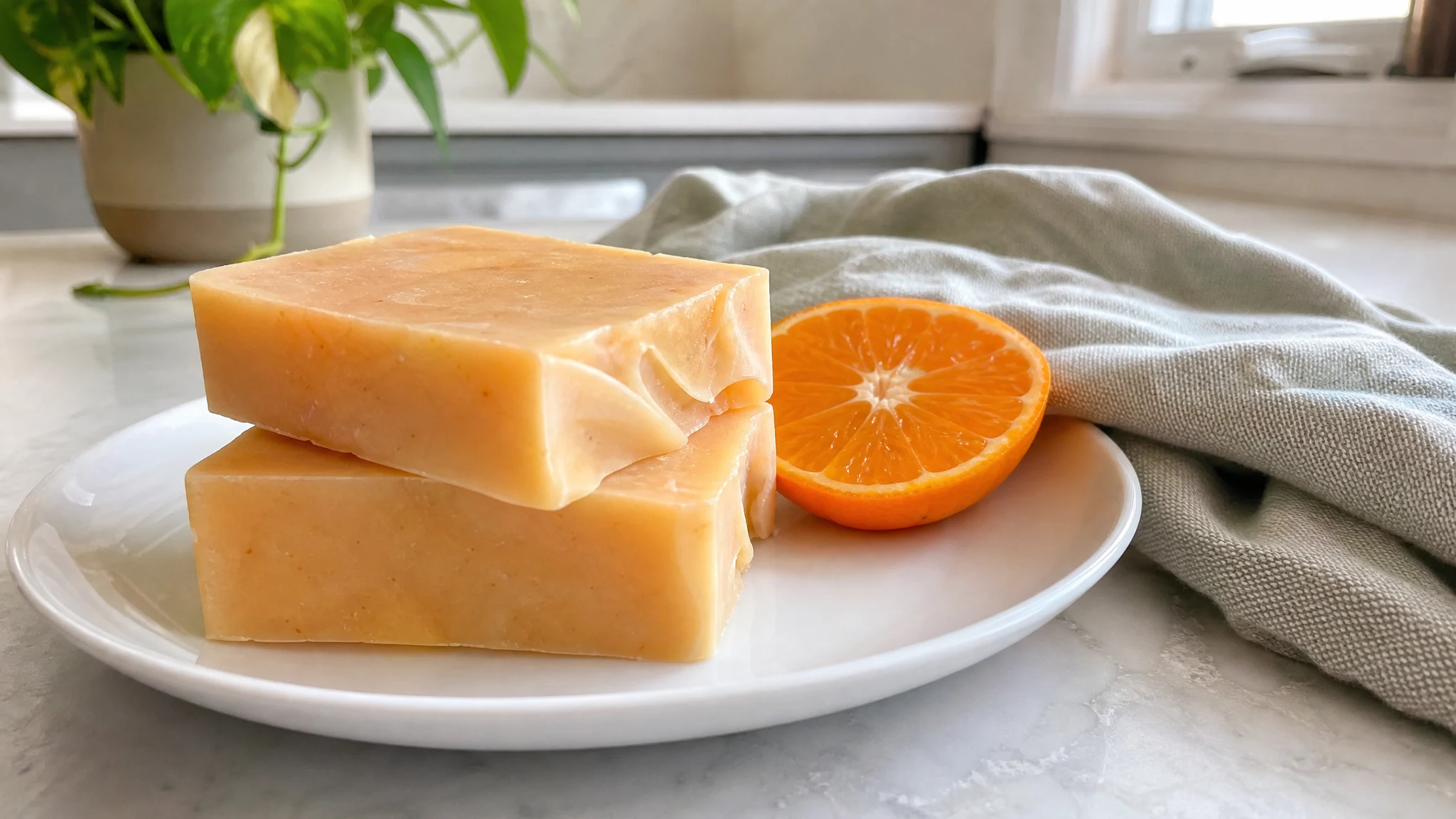
Tangerine Soap Scent: Why It Fades and What Helps
Tangerine is a top note, so it fades first in a cured bar. See why, a sensible rate, and how to get the most citrus from every drop you add.
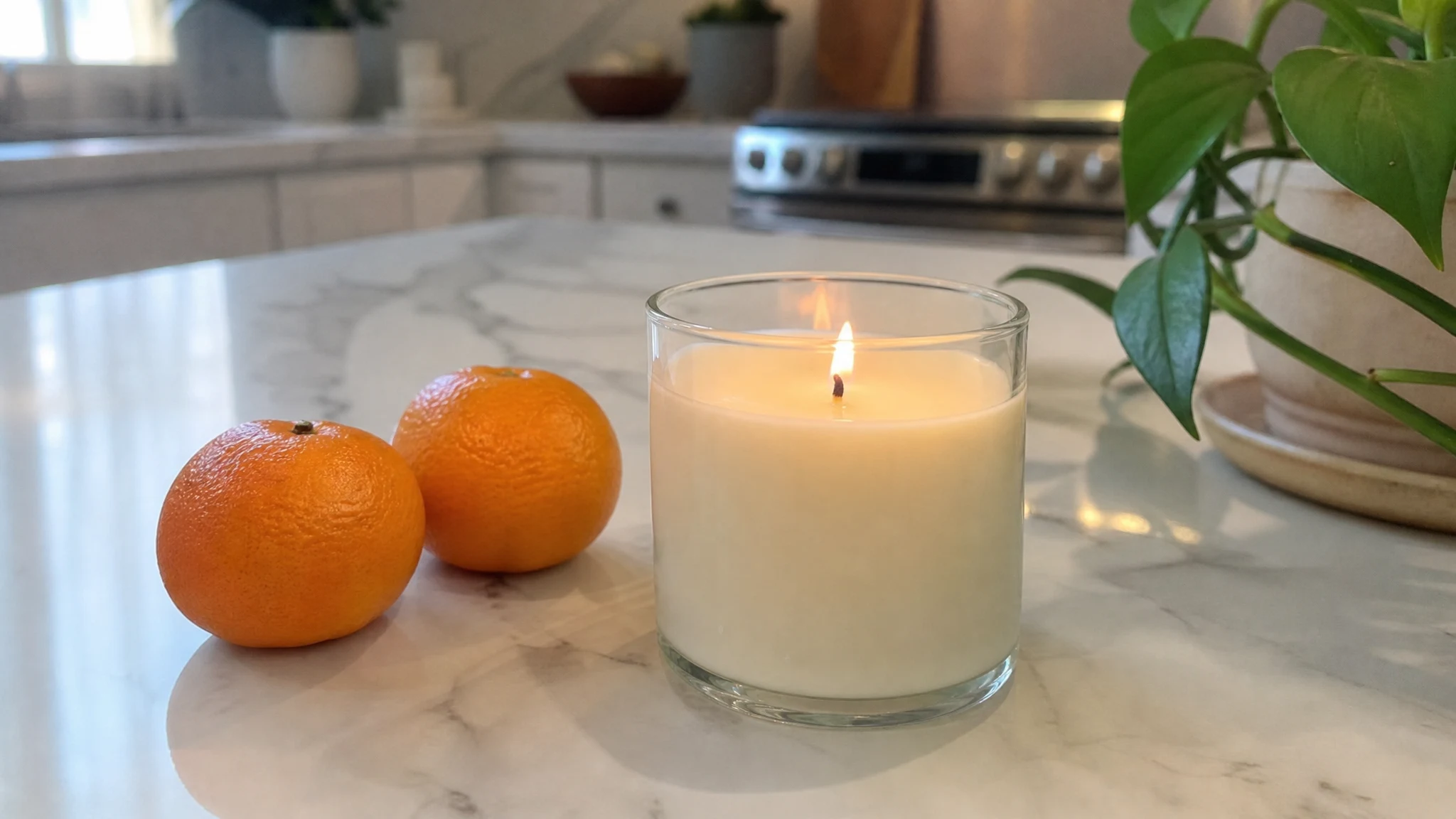
Can You Scent a Candle With Tangerine Oil?
Citrus oil is light and flammable, so a tangerine candle is all about temperature and a modest load. Here is how to plan a first pour with care.

Tangerine Bath Salts and Bombs: Skip the Oil Slick
Tangerine oil floats on bathwater as a film. Learn why a dispersant matters, how to keep the amount low, and how to scent salts and bombs by weight.
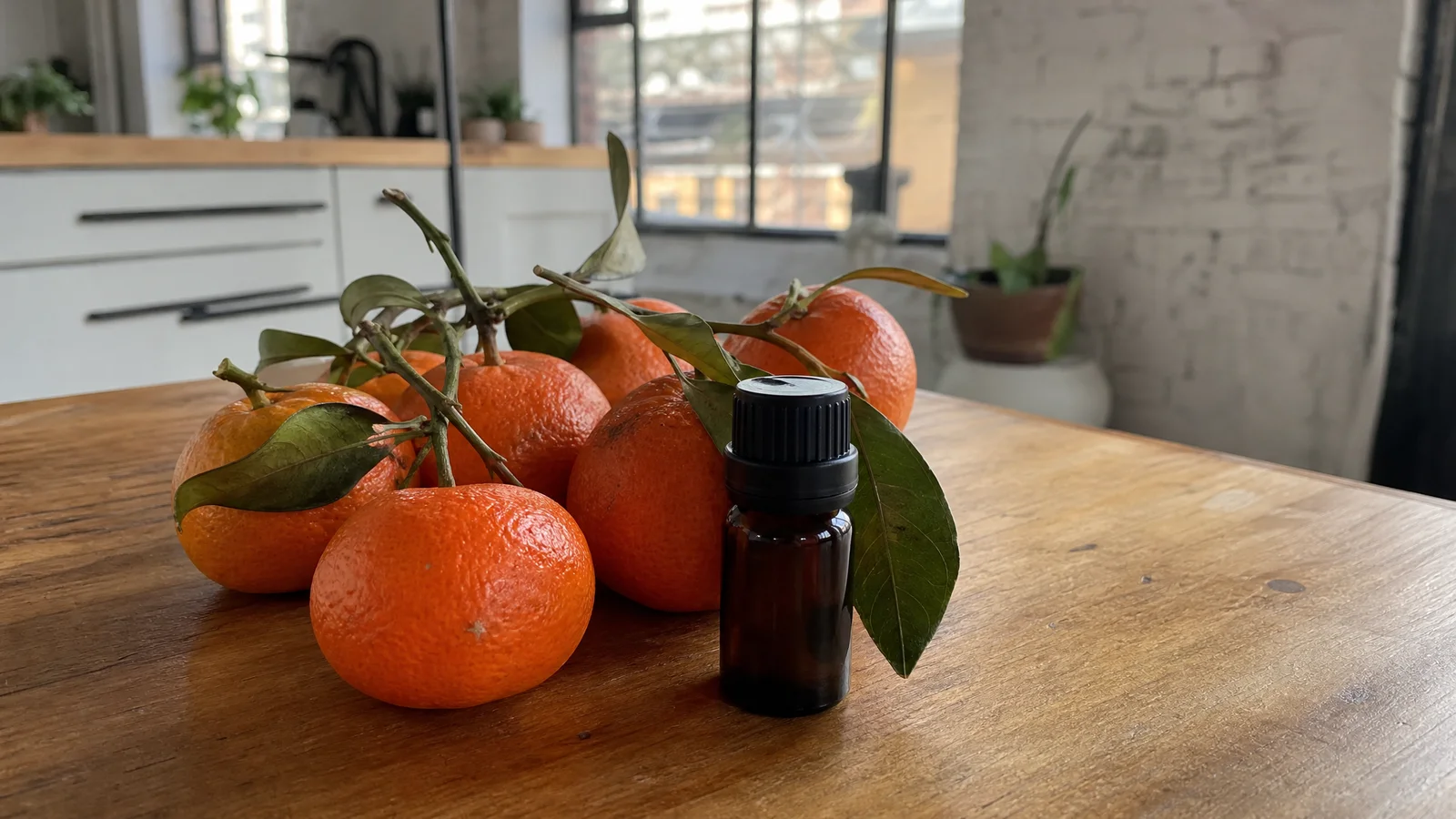
What Is Tangerine Oil? How the Peel Becomes the Bottle
Squeeze a tangerine peel and a fine, bright mist hits the air. That mist is the oil. Here is how it is pressed, named and best enjoyed.

What Does Tangerine Oil Smell Like? A Nose-First Guide
Sweet, juicy, candy-bright. We explain what gives tangerine oil its scent, how it differs from orange and mandarin, and how to judge a bottle by nose.
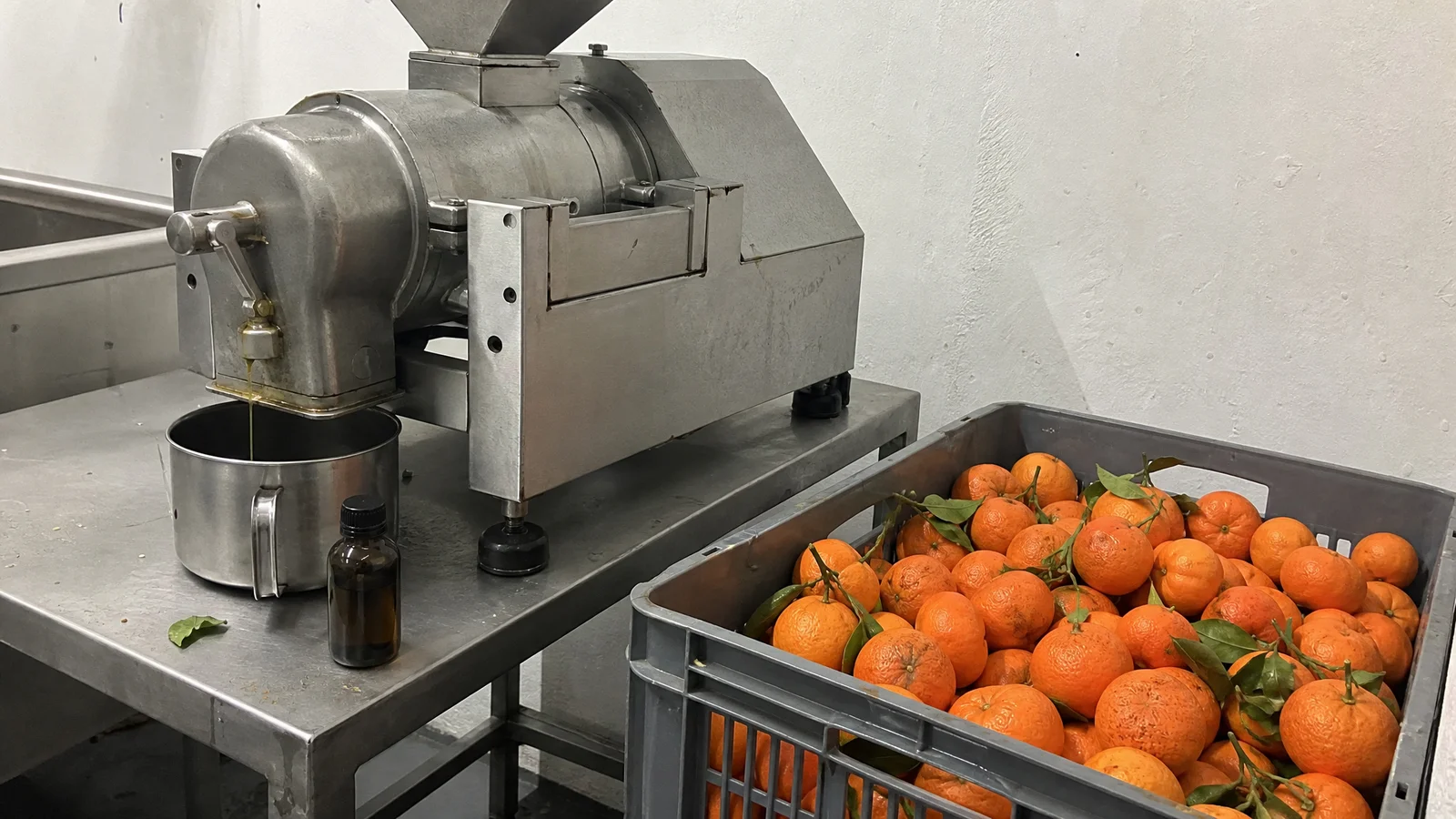
What Is Cold-Pressed Tangerine Oil? From Peel to Bottle
From oil sacs in the peel to a bottle with no still and no flame: how cold pressing works and why it shapes what you smell and what you buy.
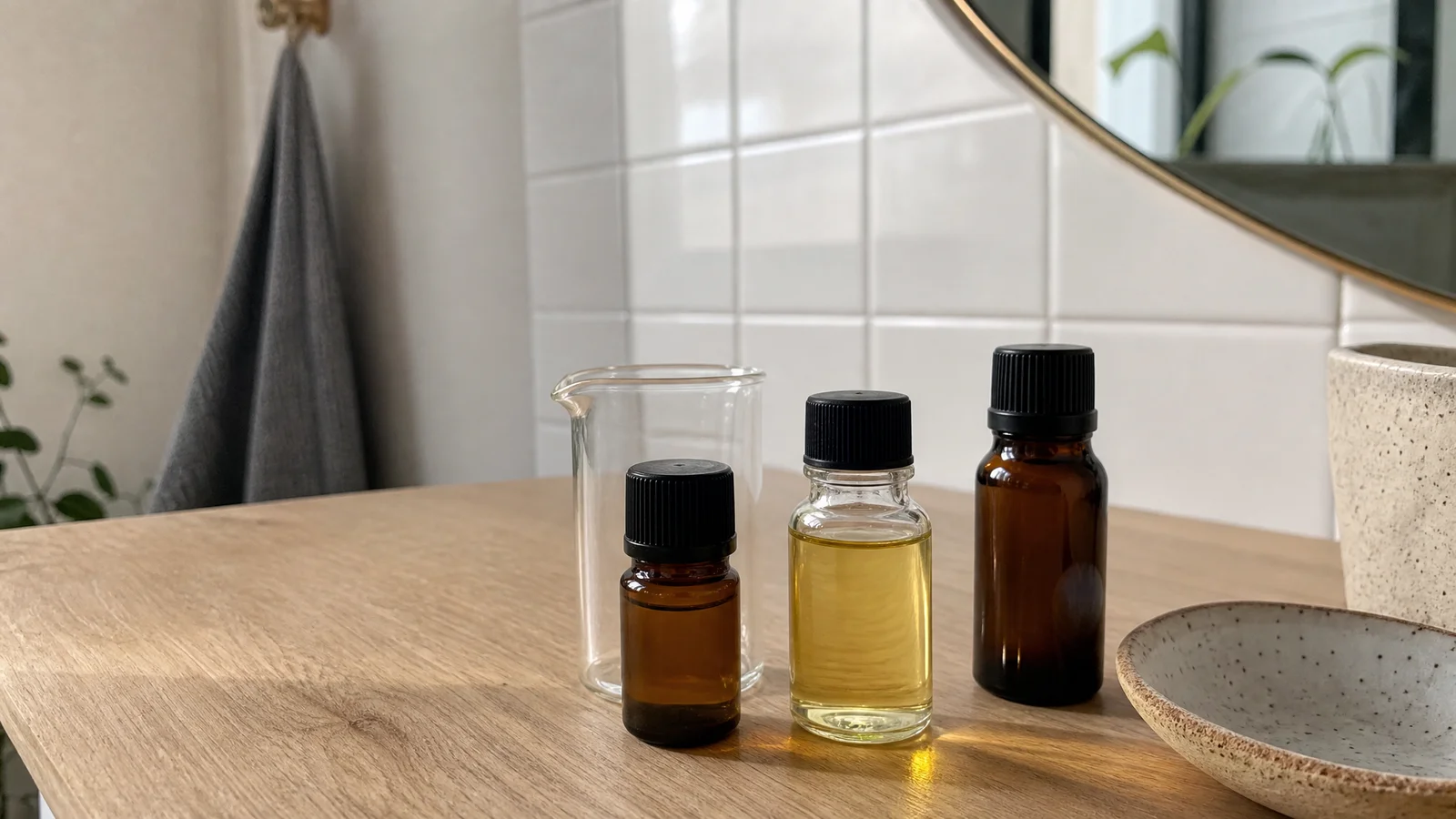
How to Dilute Tangerine Oil: Ratios and a Patch Test
Why 2% can mean 12 drops or 18, how to measure by volume or weight, and how to patch test and plan for sun before your first tangerine blend.
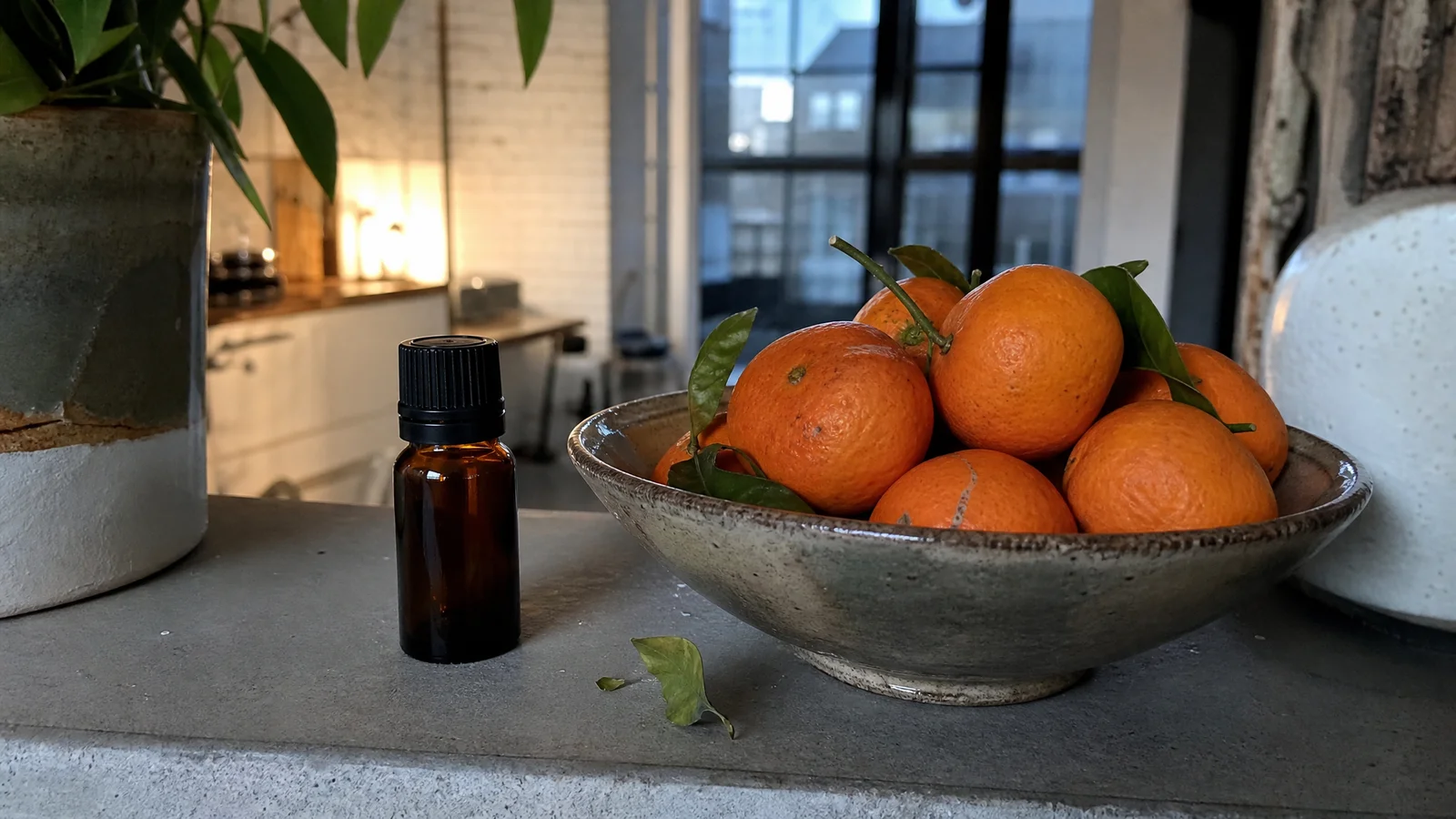
How to Store Tangerine Oil So It Stays Bright
Citrus oil loves a tight cap, a cool shelf and a bottle you will finish. Learn why air matters and how to keep tangerine bright for months.
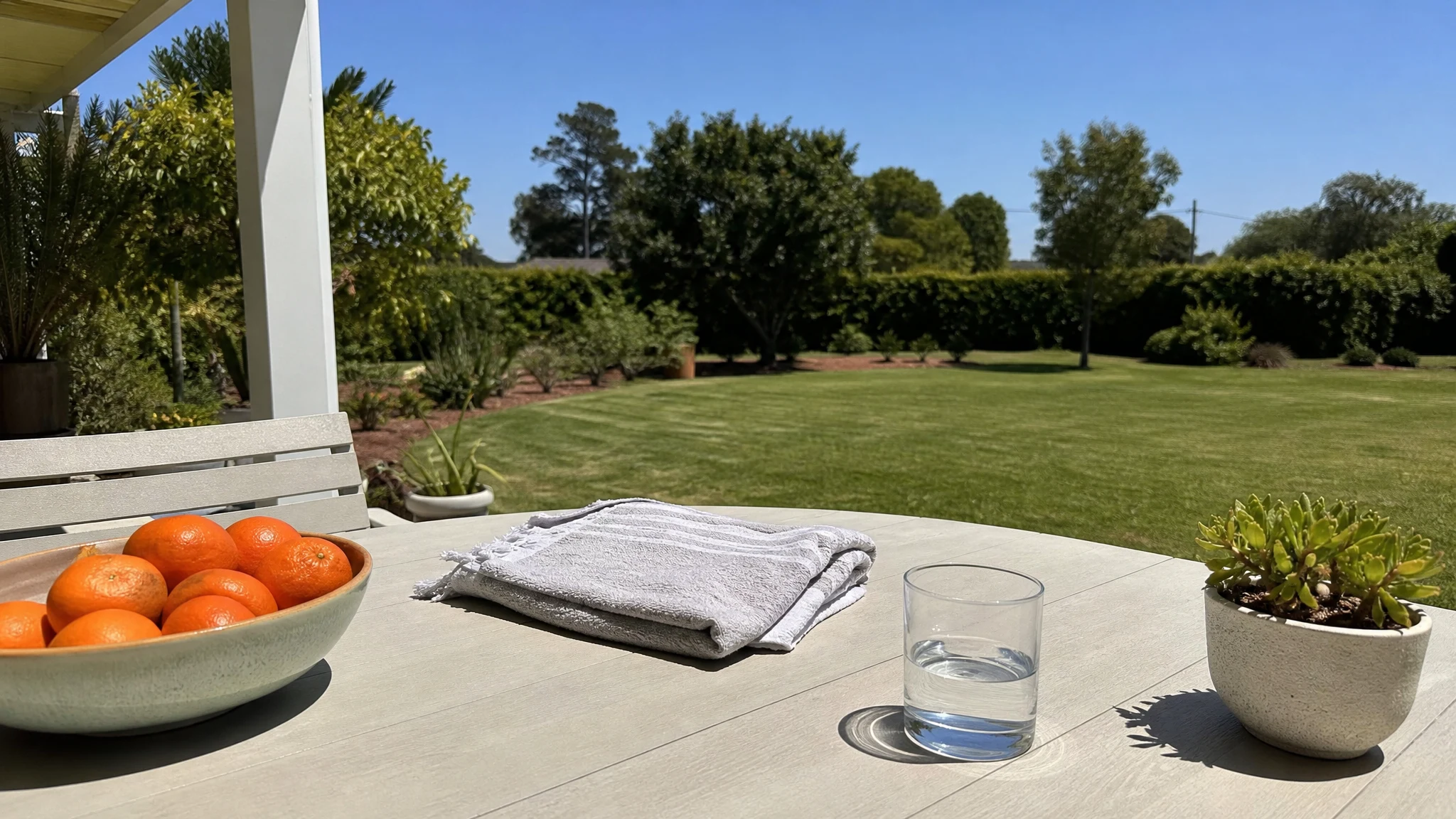
Tangerine Oil and Sunlight: How Careful Should You Be?
Tangerine sits at the gentle end of the citrus range for sun reactions. See what Tisserand and IFRA say, plus the maths at 0.5% to 2% in a carrier.

Tangerine Oil and Pets: A Careful Home Guide
Cats and birds are most at risk from essential oils. What poison specialists say, where real risks sit, and who to call if a pet gets into a bottle.
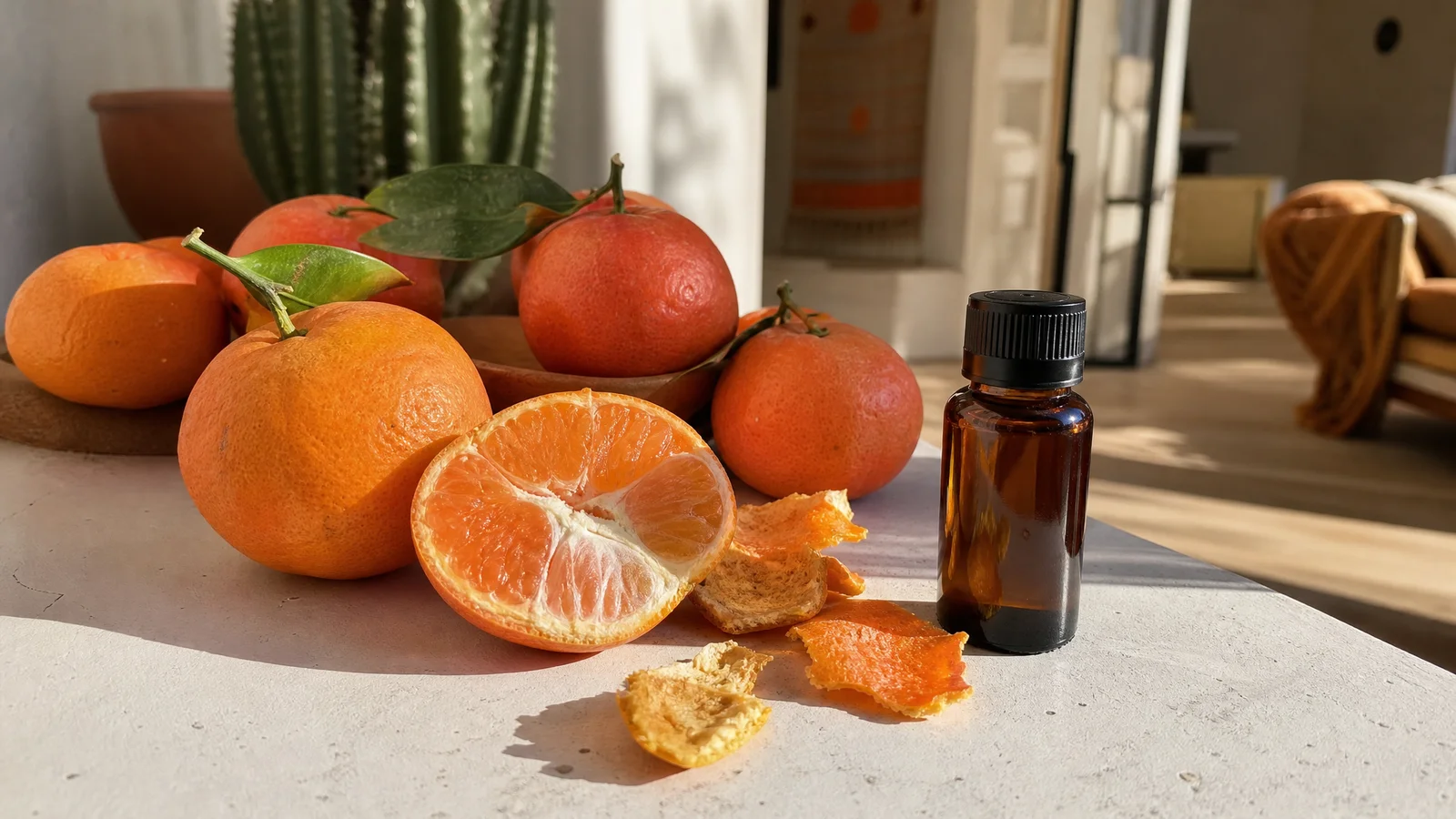
Limonene in Tangerine Oil: What the Number Means
Citrus peel oil is mostly limonene, but the small compounds around it decide the aroma. Here is what the numbers mean and why a fresh bottle matters.

The Tangerine Family Tree: Why Names Get Muddled
Tangerines are hybrids with a surprisingly recent European story. Here is what the genetics says and why a Latin name on a bottle tells you so little.
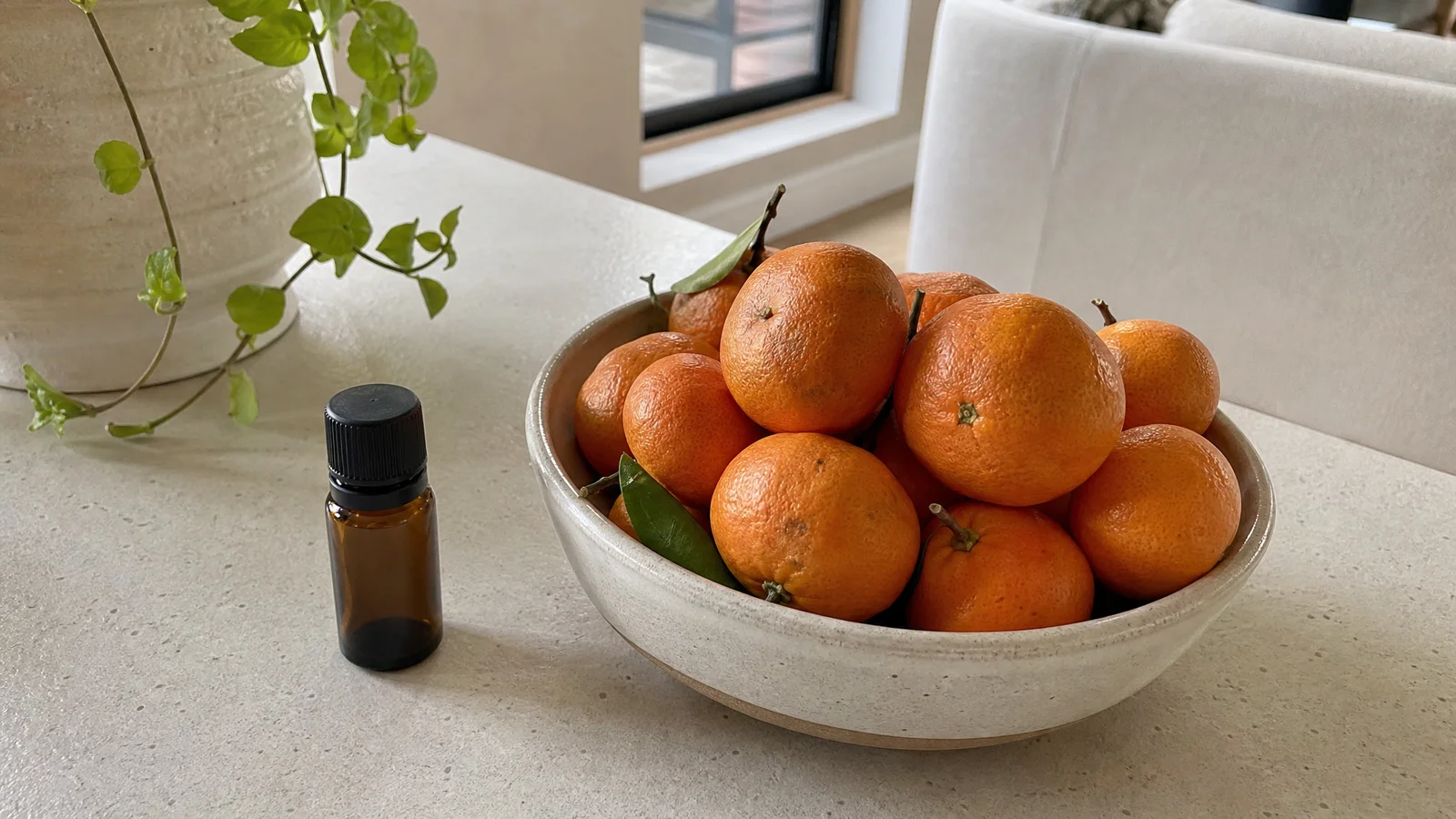
Tangerine Oil FAQ: Quick Answers for Beginners
Straight answers on scent, skin, sun, shelf life and safety, with the source beside each claim and links to our longer guides on each topic.
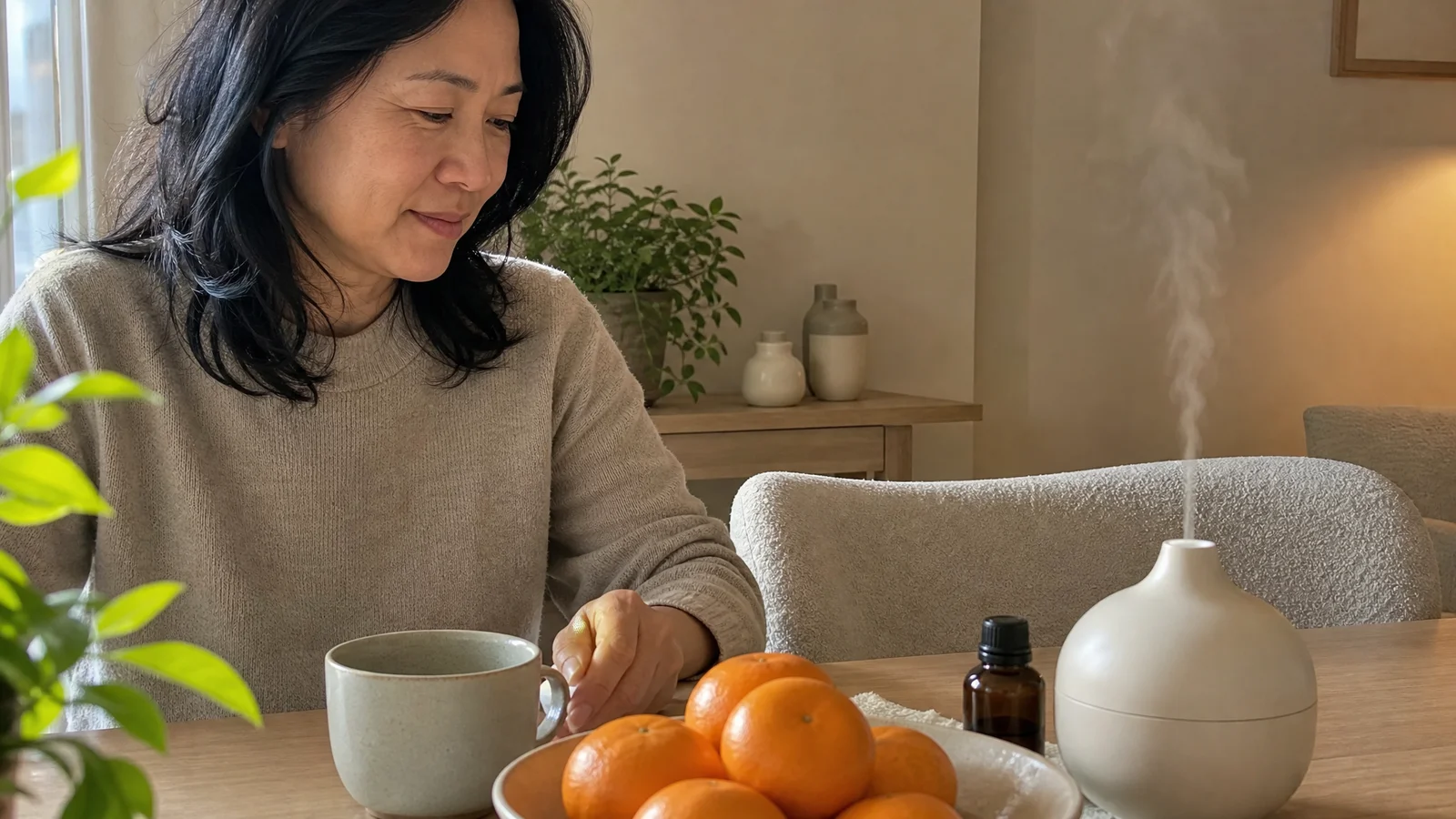
Tangerine Oil Uses: Diffuser, Body Oil and Craft Ideas
From the diffuser to a diluted body oil, here are the best ways to enjoy tangerine oil at home, with pointers to our guides and the few uses we would skip.
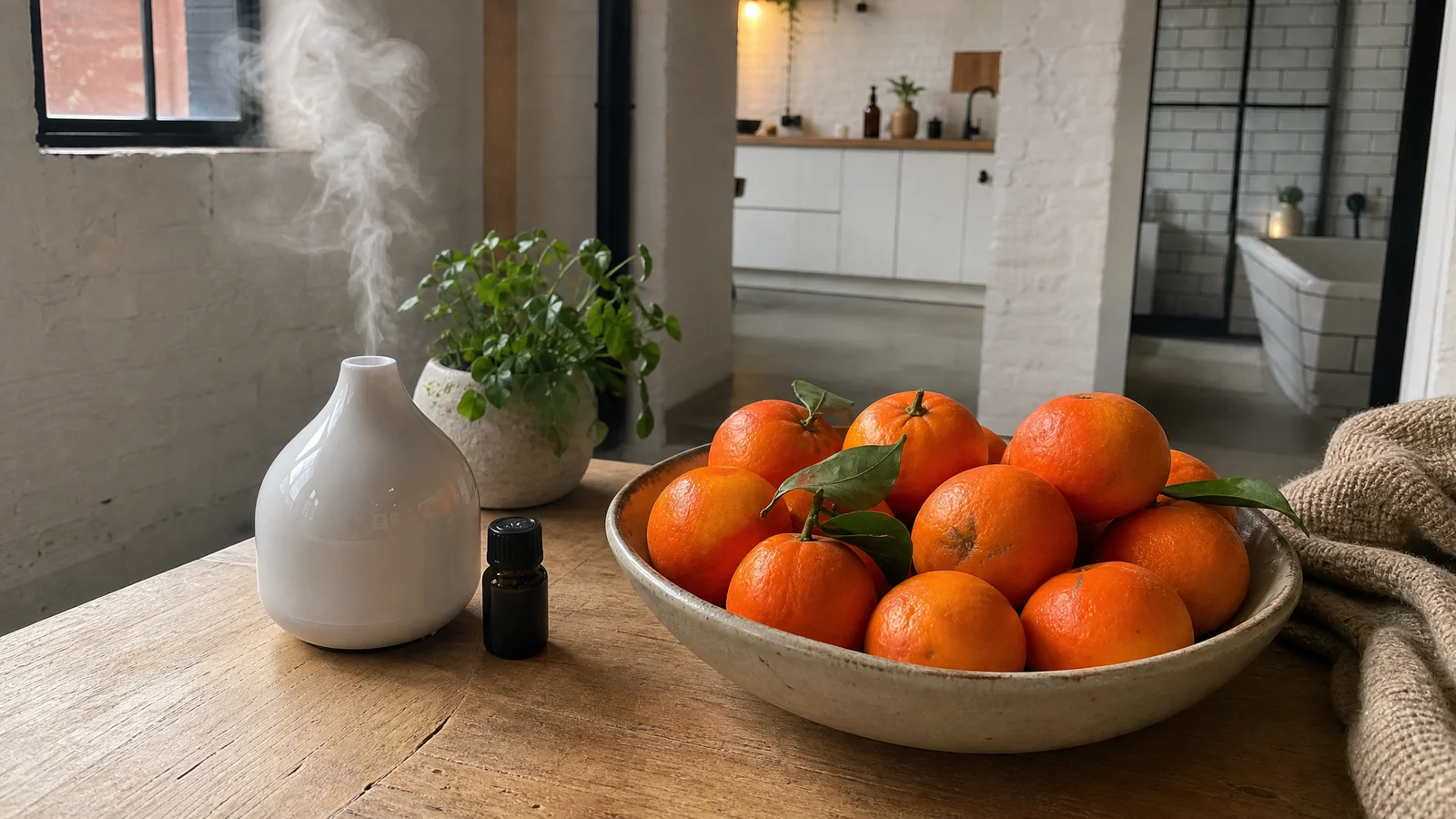
Tangerine Diffuser Blends: Six Ideas by Room
Six room-by-room tangerine diffuser blends in easy parts, from a sunny entryway to a cozy reading nook, plus run time, water and household tips.
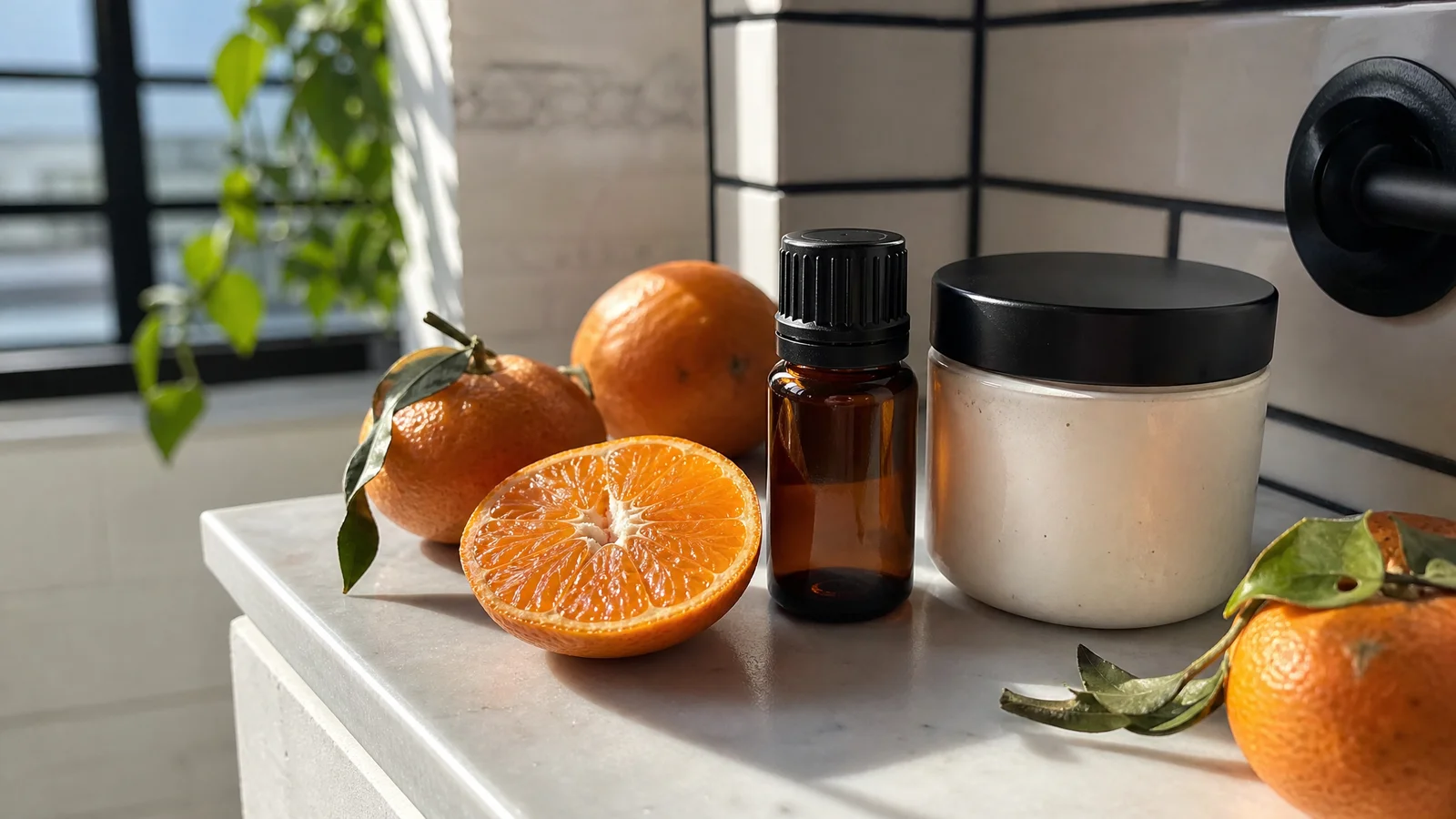
Using Tangerine Oil on Skin: Dilution and Patch Testing
Tangerine is a bright top note, not a skin treatment. Here is how we dilute it, check the bottle for freshness, patch test and plan for sunny days.

Tangerine Oil for Wash Day: How to Use Citrus Carefully
Thinking of a citrus note for wash day? Dilute low, patch test, know leave-on from rinse-off and expect a light scent that fades fast on hair.
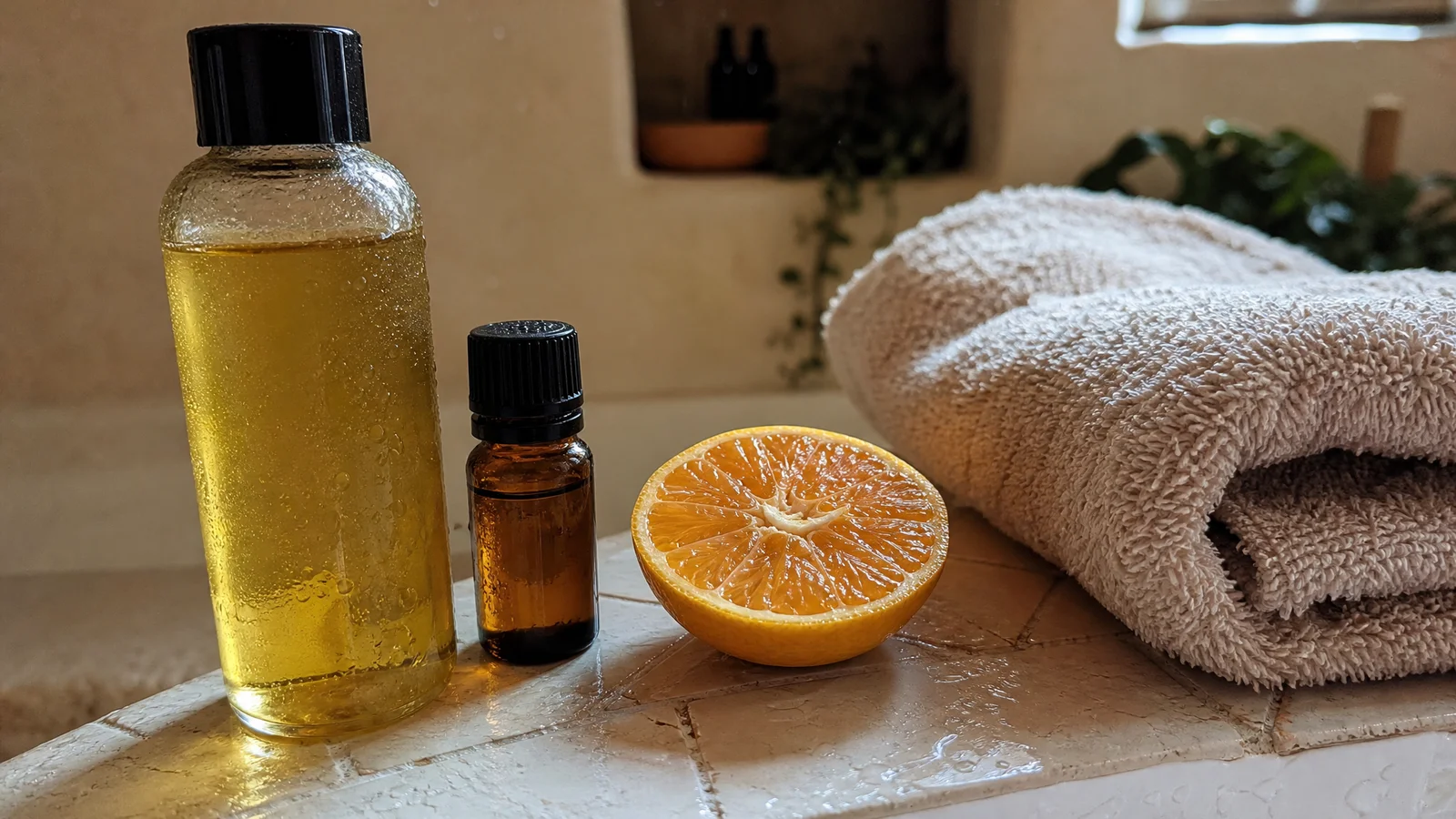
Tangerine Body Oil Recipe for After the Shower
A scented body oil made with a carrier you love and a few drops of tangerine, with exact drop counts and an evening routine that suits citrus.
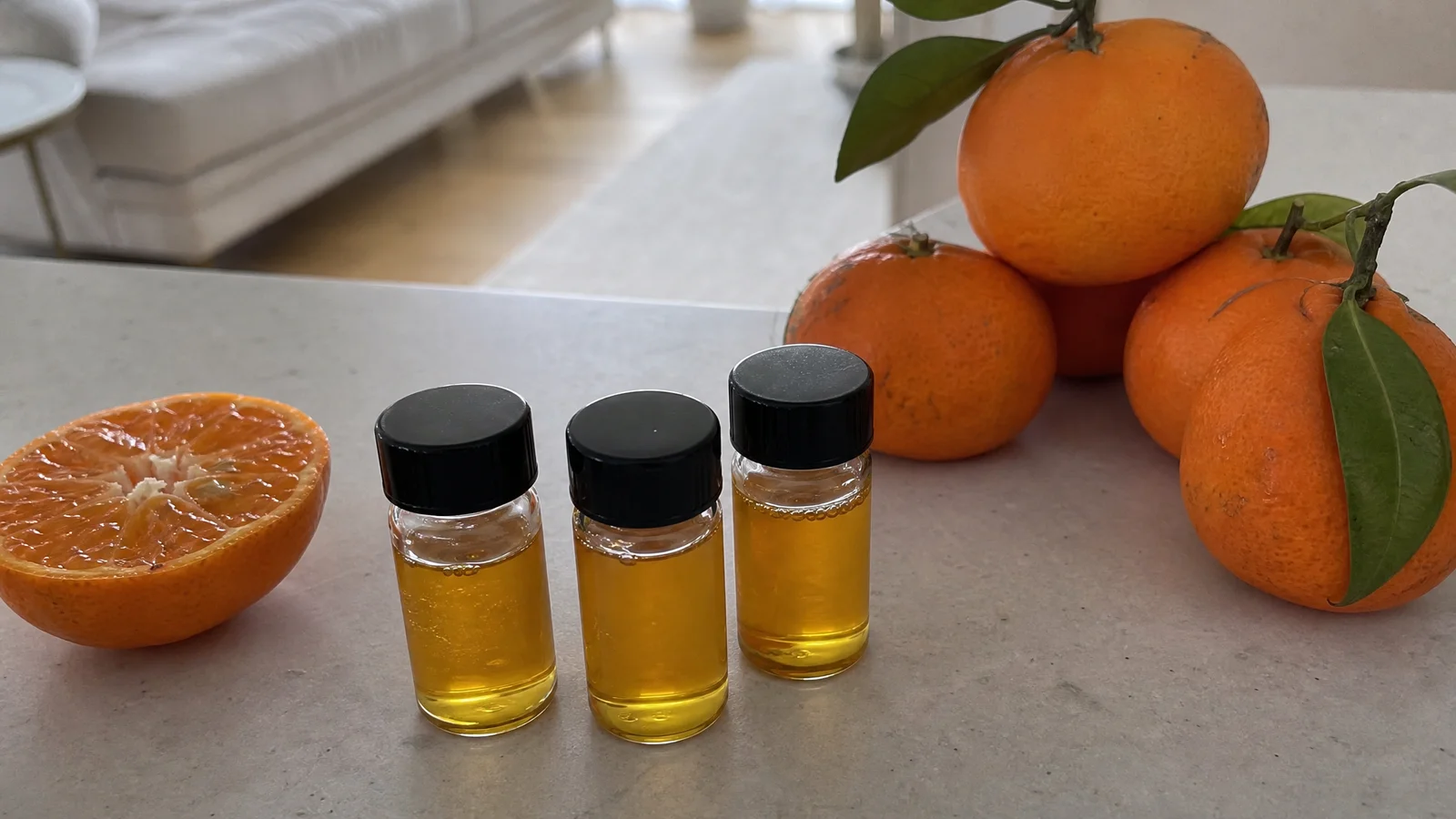
Tangerine Lip Oil: One Drop Is Plenty
Lips take the lightest touch of all. One drop of tangerine in a tablespoon of carrier oil gives a soft citrus scent. Here is how and why.

Tangerine Kitchen Spray: Scent Without the Hype
A tangerine kitchen spray smells wonderful but does not disinfect. See what soap does, how much oil suits a bottle, and when to leave the oil out.
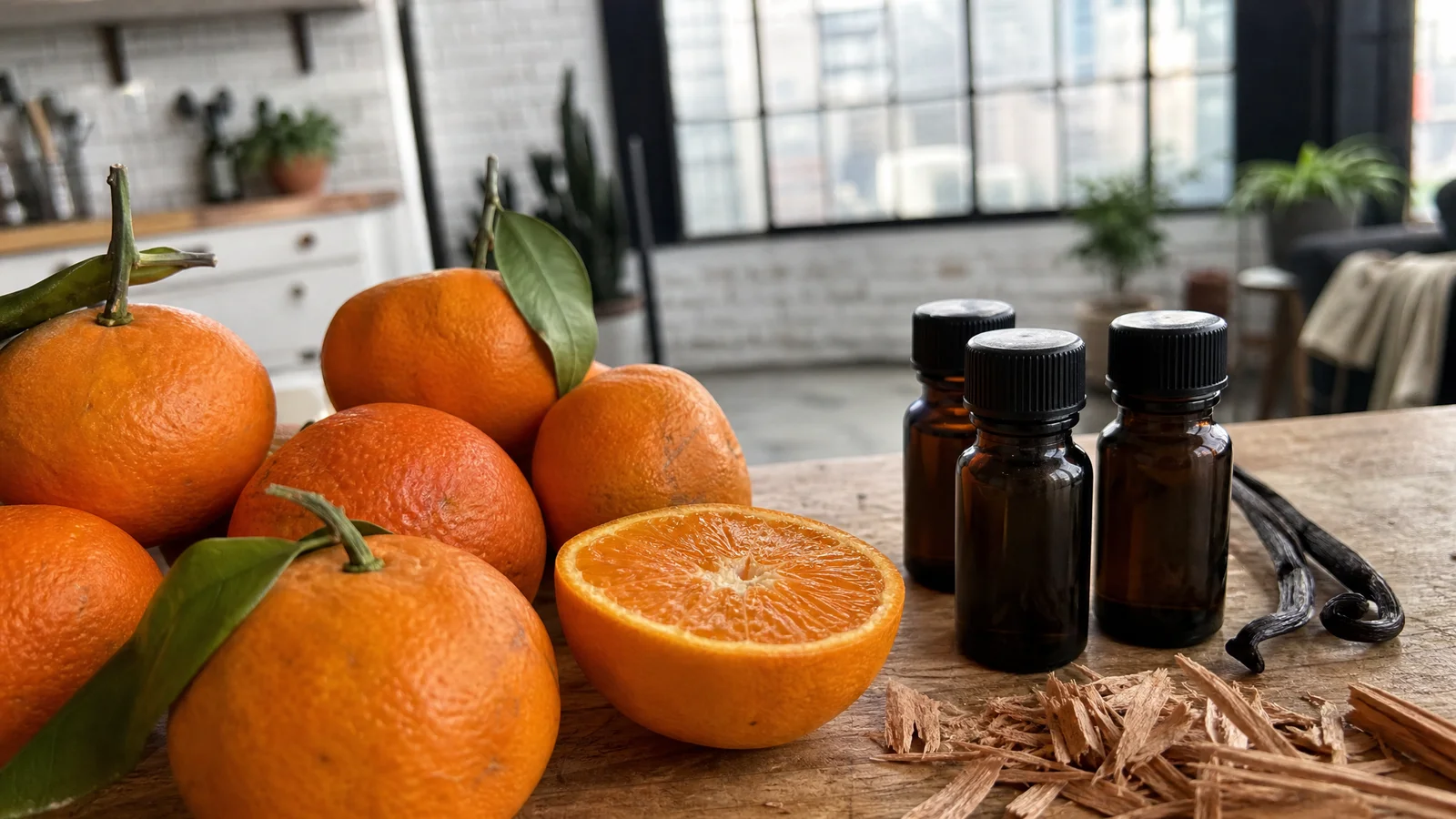
Tangerine Vanilla Cedar Blend: Mixing by Weight, Not Drops
Tangerine opens, vanilla rounds, cedar holds the floor. See how the three fit, what to look for on each label, and a simple by-weight starting ratio.
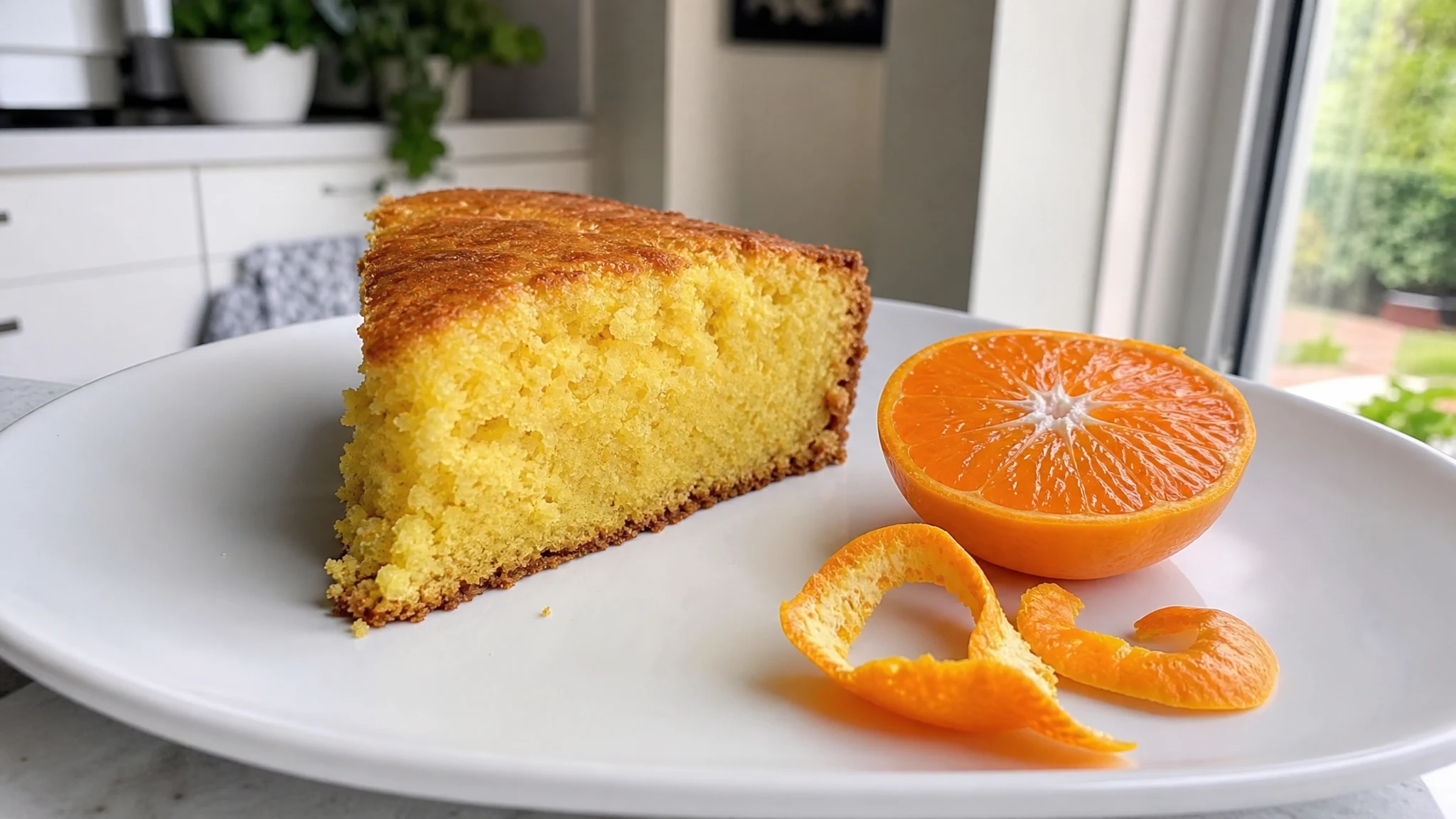
Baking With Tangerine Oil? Why Zest Wins in the Kitchen
Tangerine in an olive oil cake sounds wonderful. Here is why fresh zest is the better route, and what to look for if a recipe calls for a food-grade oil.

Tangerine Diffuser Morning: A Gentle Wake-Up Routine
Sleep and movement do the heavy lifting on groggy mornings. Here is what the research says and how a bright tangerine diffuser fits in afterward.
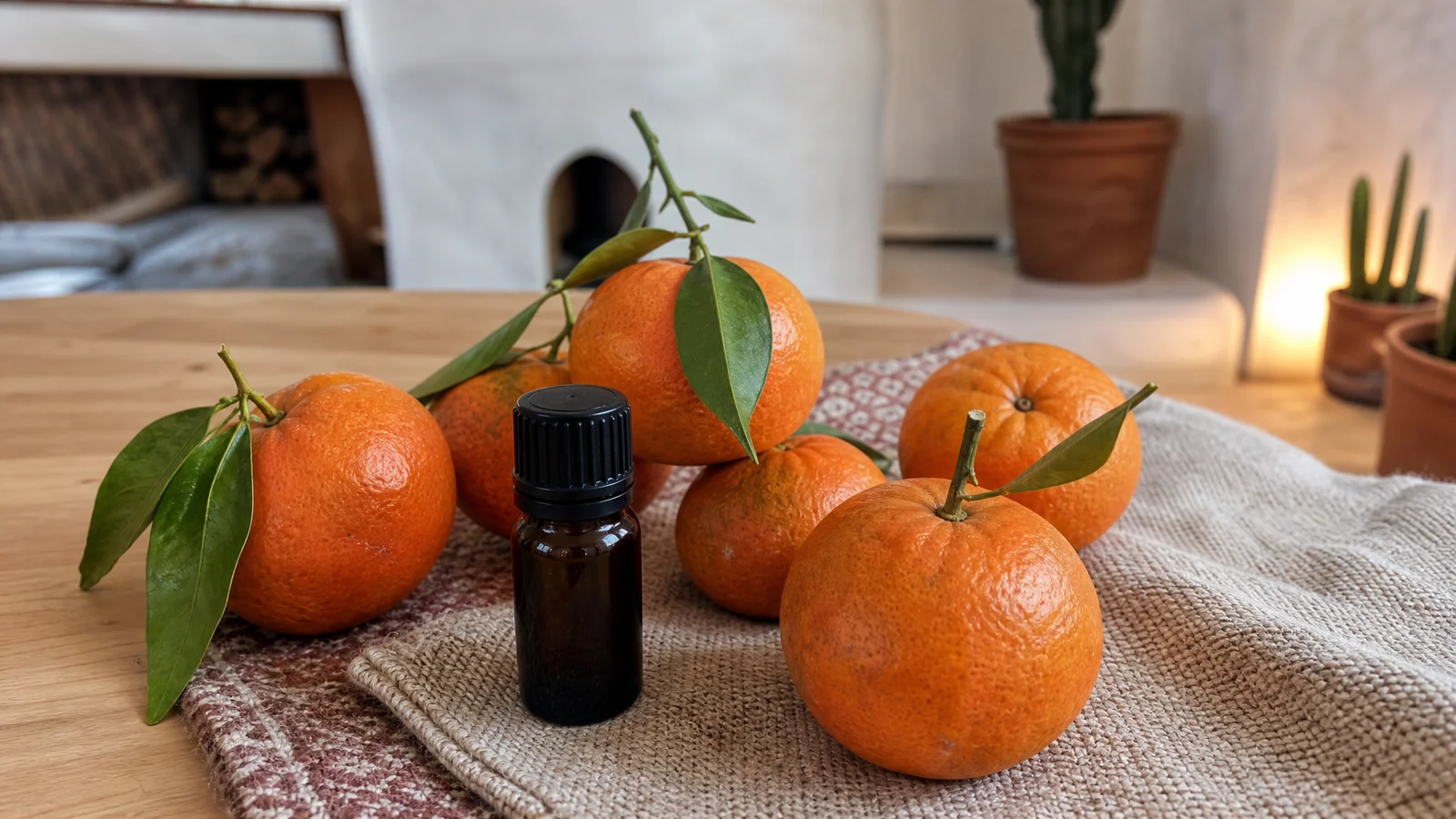
Buying Tangerine Oil: 5 Questions to Ask the Seller
The front of a bottle tells you little. Here are the questions worth asking any seller of tangerine oil, us included, and what good answers look like.
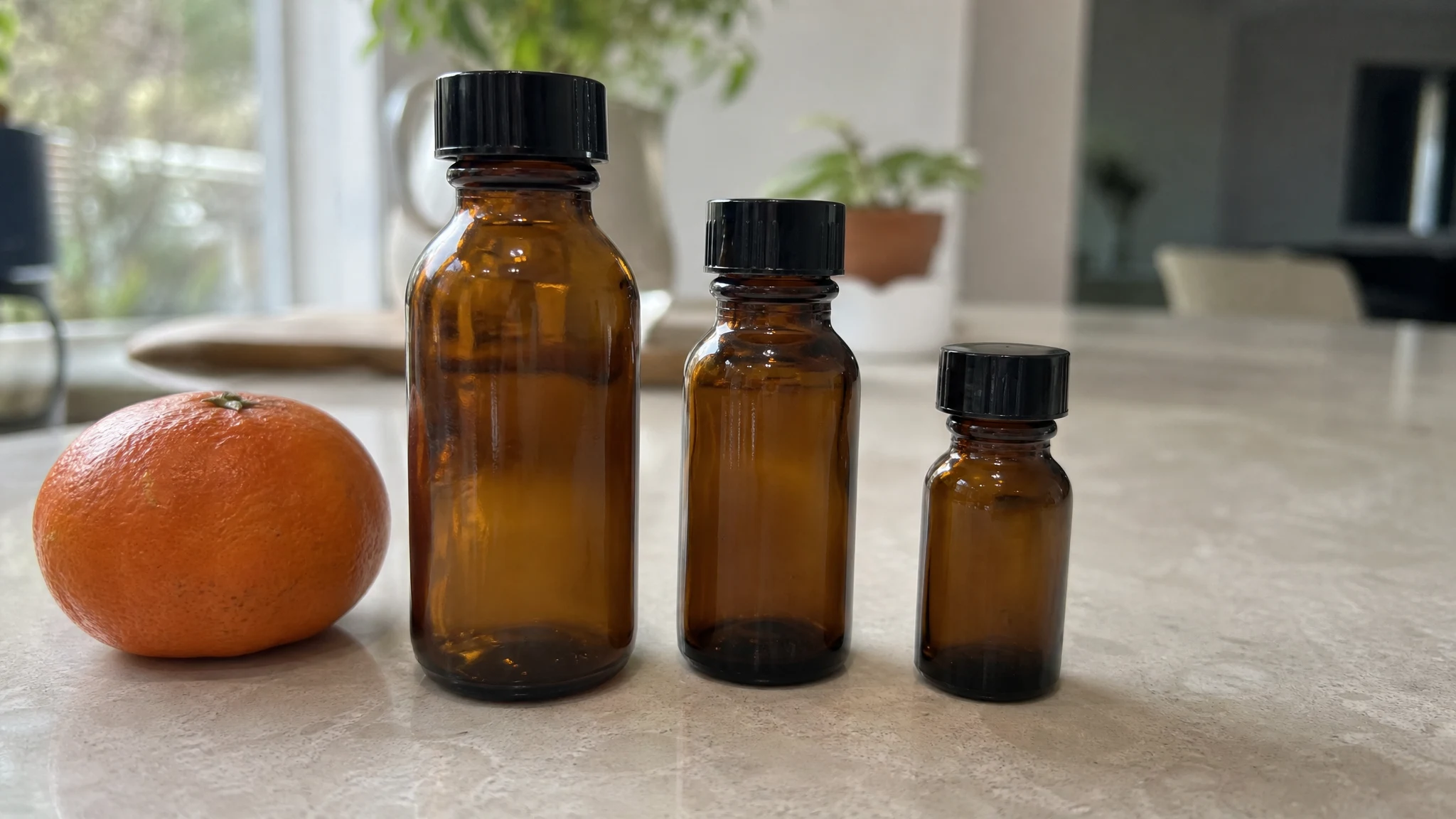
What Size Tangerine Oil Should You Order First?
Choose the size you will finish: a quick drop-count guide to tangerine oil bottles, from 0.5 oz to bulk, and when going bigger is the right call.
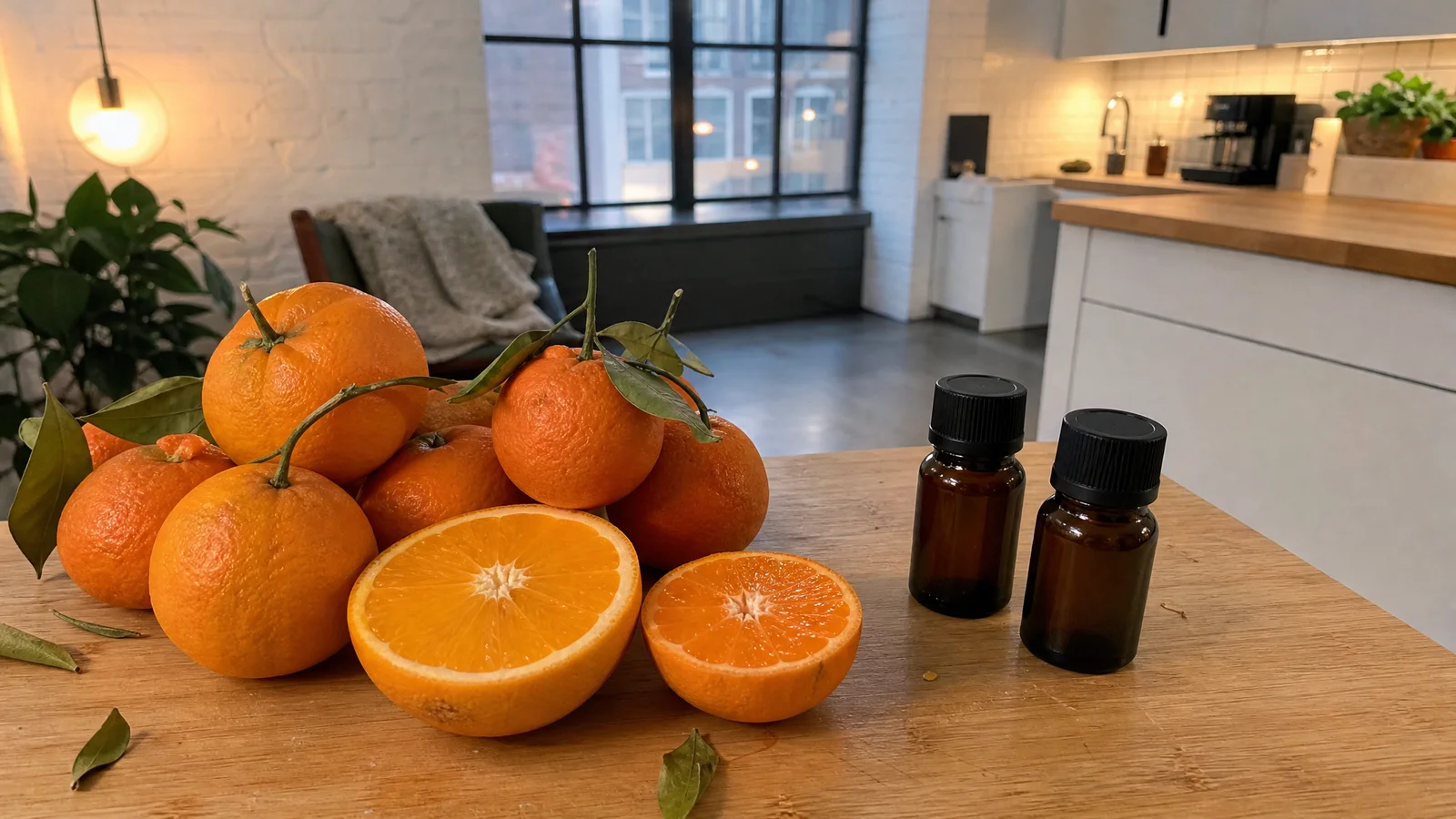
Tangerine vs Sweet Orange Oil: How to Choose
Both are bright, sunny citrus oils, but they are not the same. Tangerine and sweet orange compared on chemistry, aroma and how to use each.
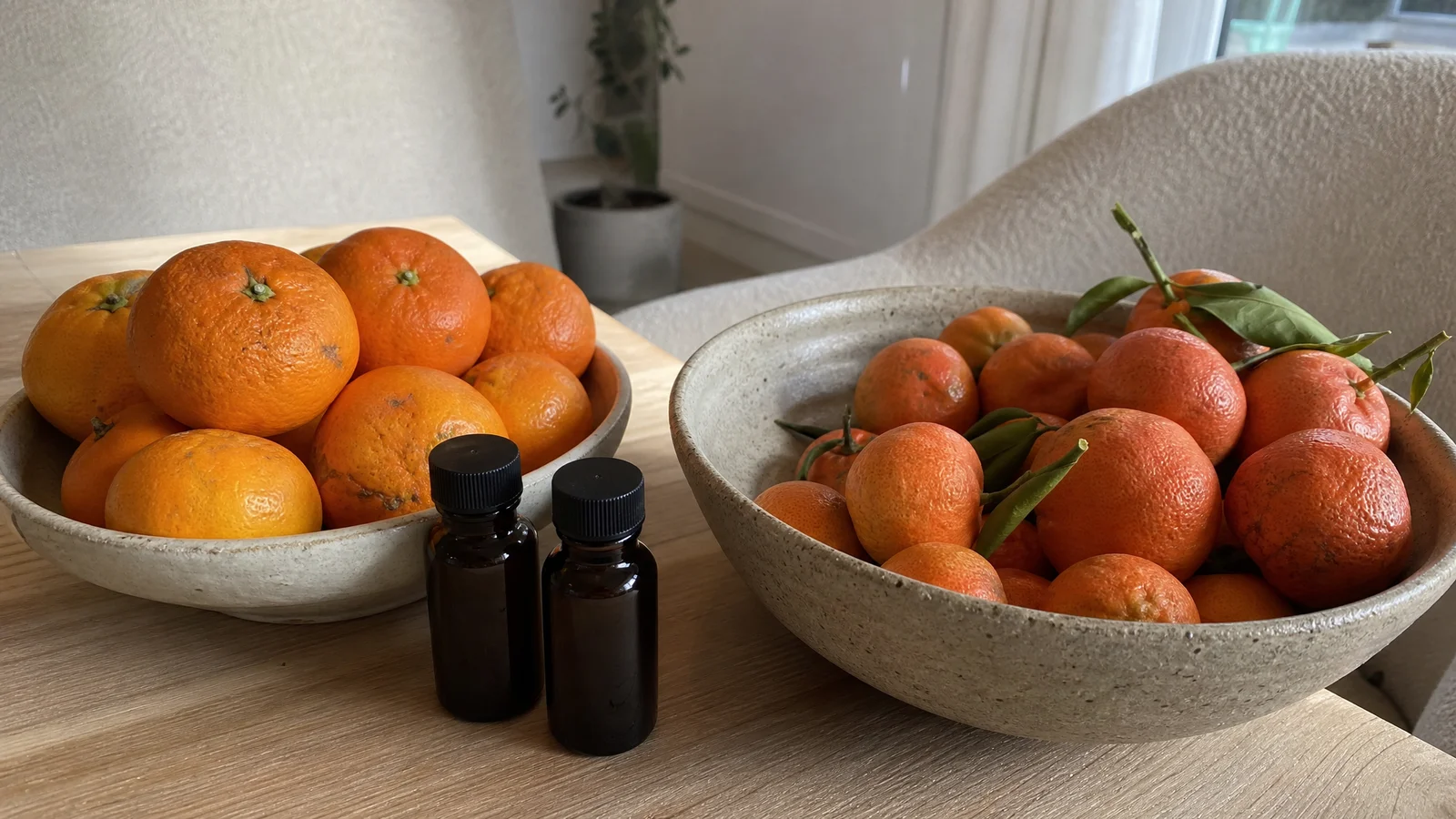
Tangerine vs Mandarin Oil: Which Suits You Better?
Tangerine and mandarin are close cousins, and the words overlap more than you would expect. A friendly side-by-side of names, aroma and what to check.
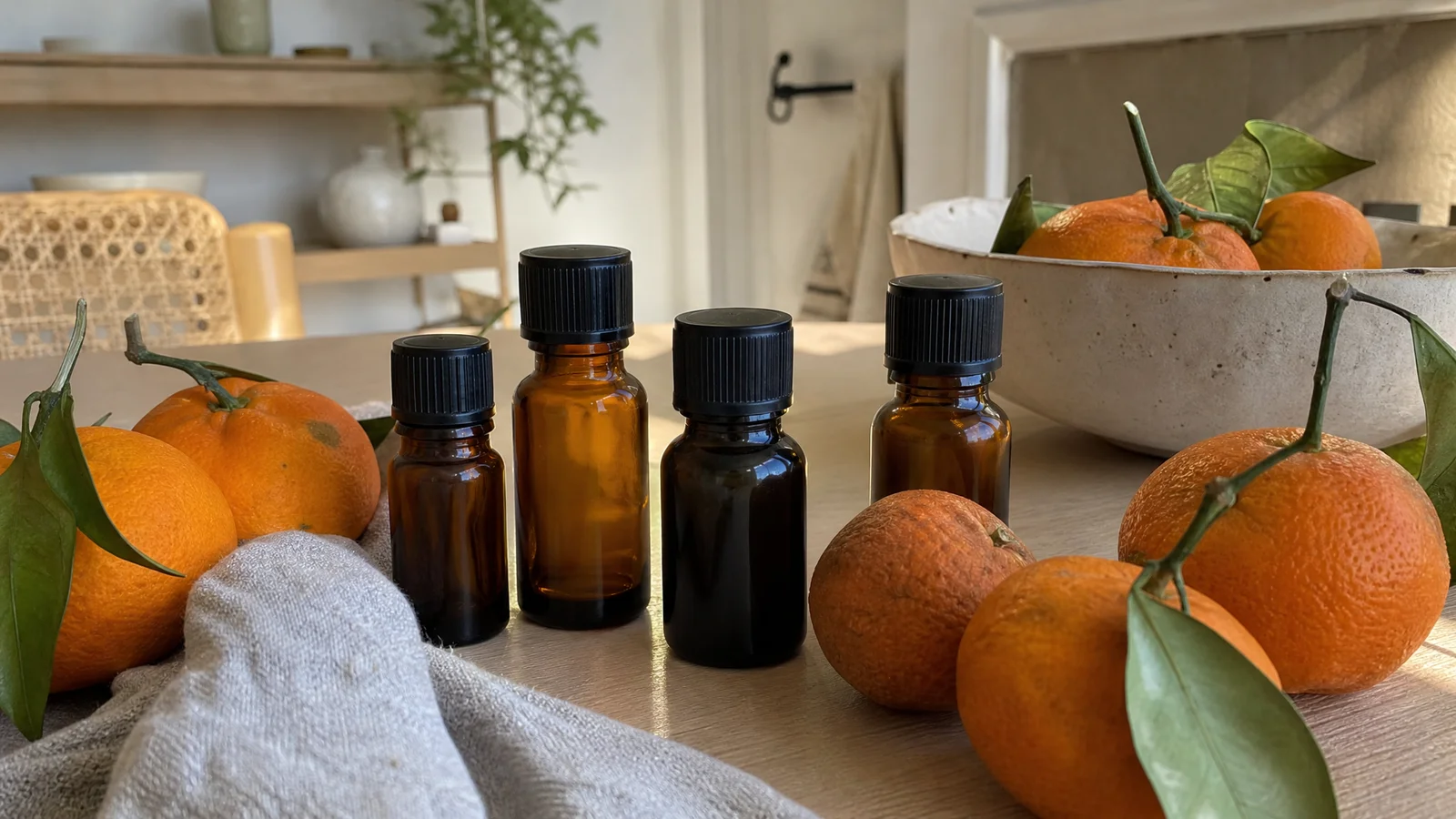
Reading a Tangerine Oil Label: What to Check
Latin name, cold pressed, origin, batch number: what each line on a tangerine oil label tells you, and the questions worth asking before you buy.
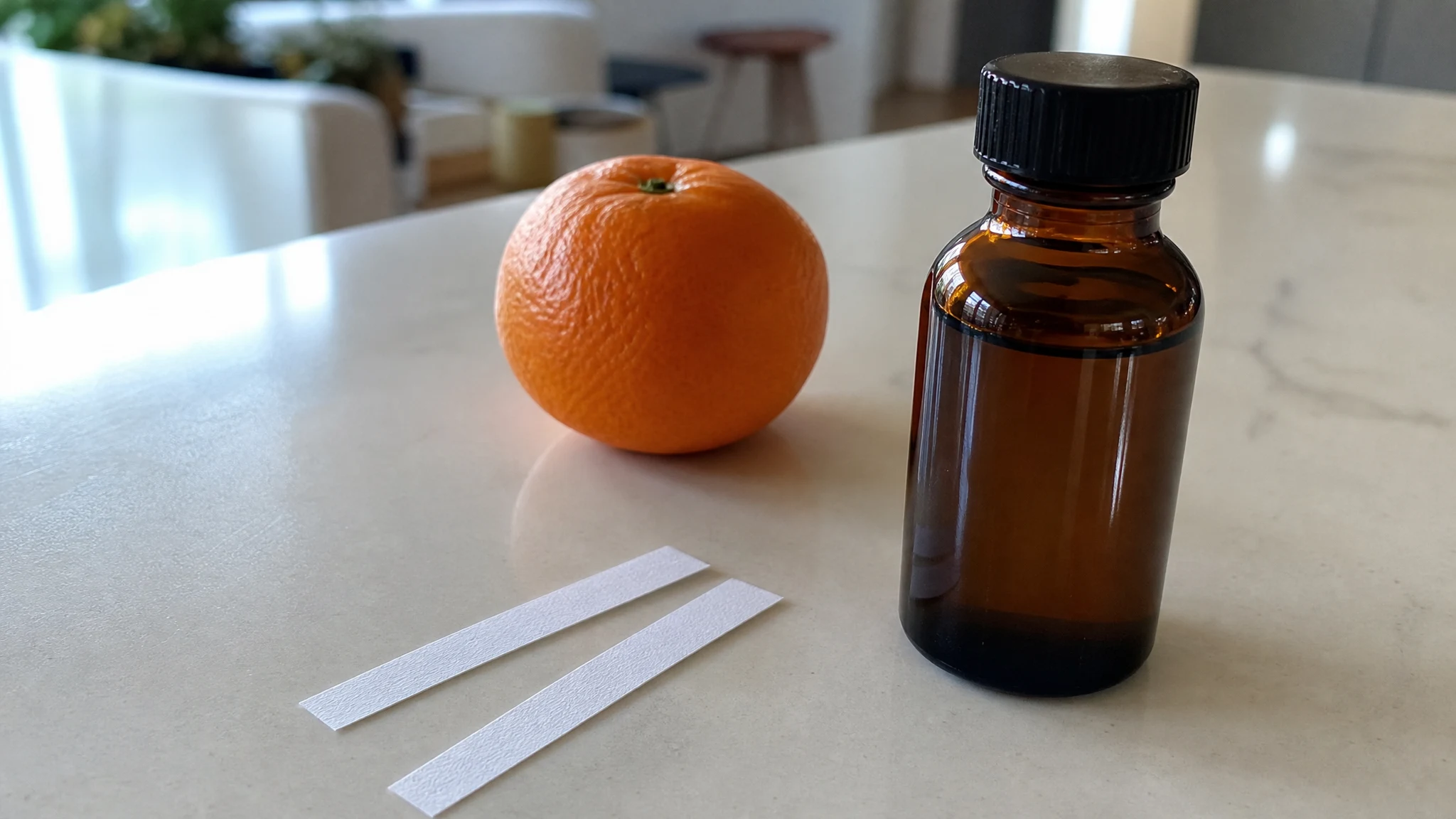
Tangerine Oil vs Fragrance Oil: How to Read the Label
Two bottles can both say tangerine and hold very different things. Learn what labels may leave out and which documents to ask for before buying.
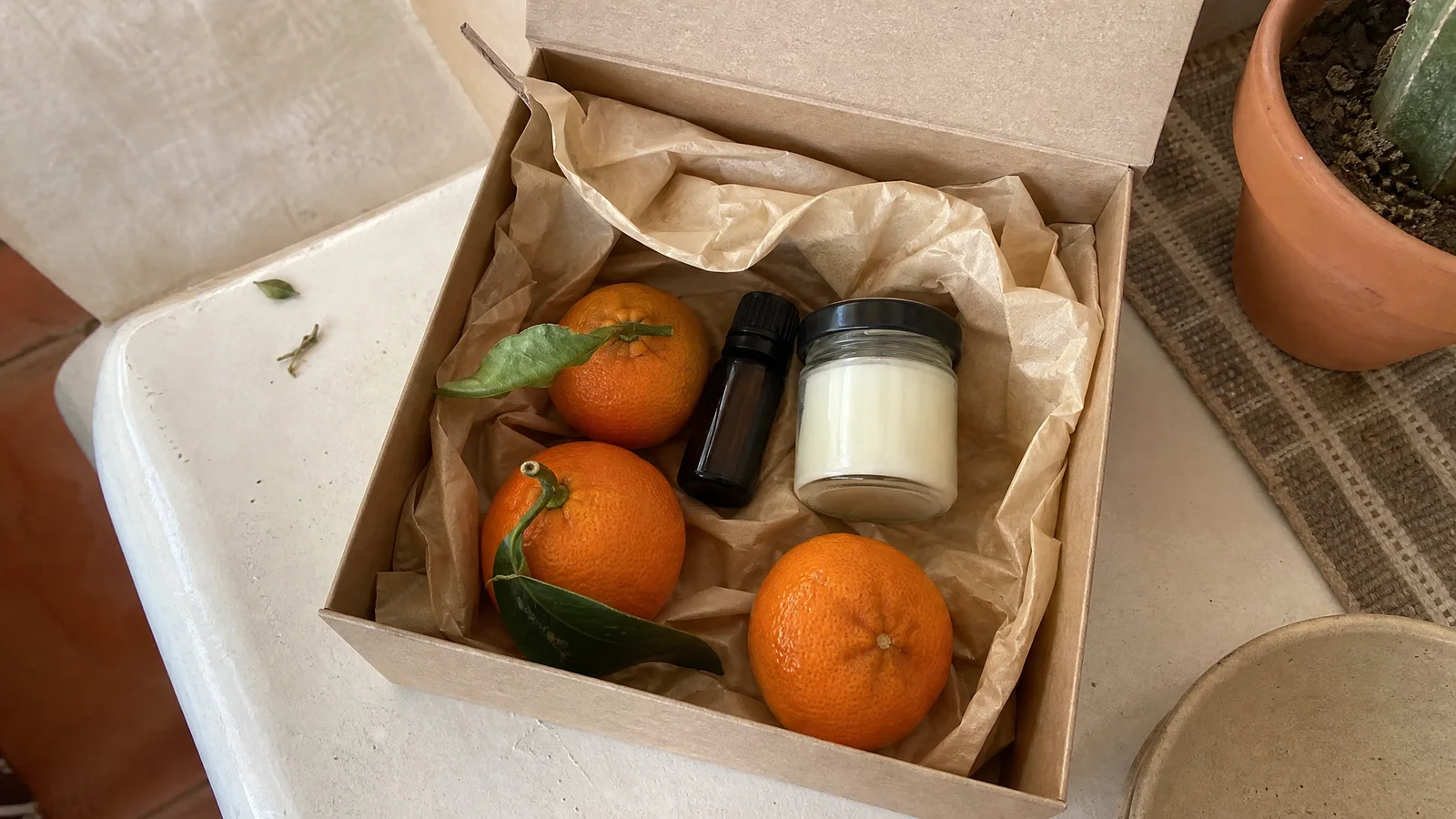
Giving Tangerine Oil as a Gift: What to Include
Open a bottle of tangerine oil and the whole room smells like a fruit bowl. Here is how to give one with the right card and the right pairings.
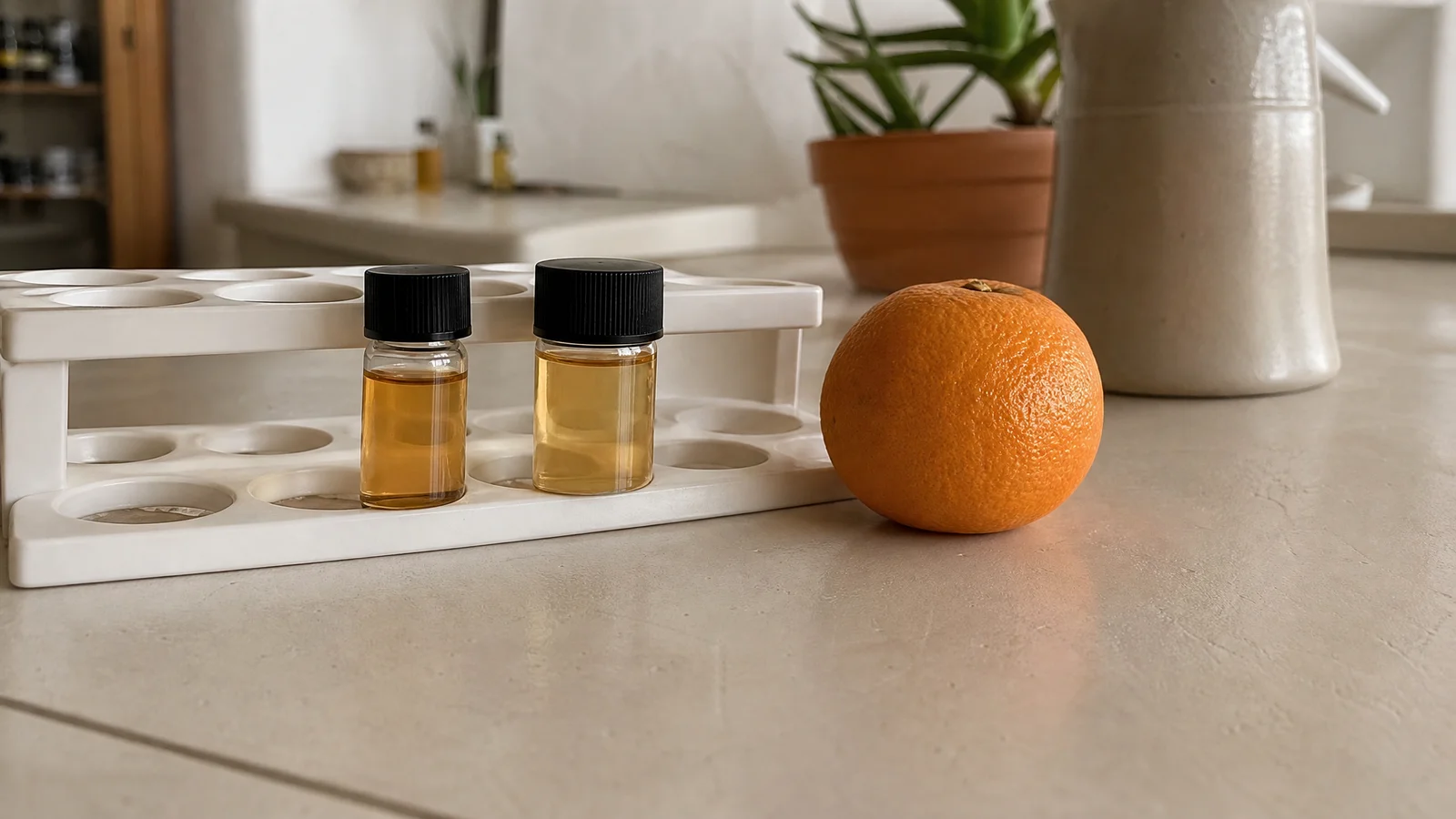
How to Read a Citrus GC/MS Report in 4 Steps
Match the batch, put limonene against the right fruit, read the supporting cast and know what a GC/MS page cannot show. A buyer's quick guide.
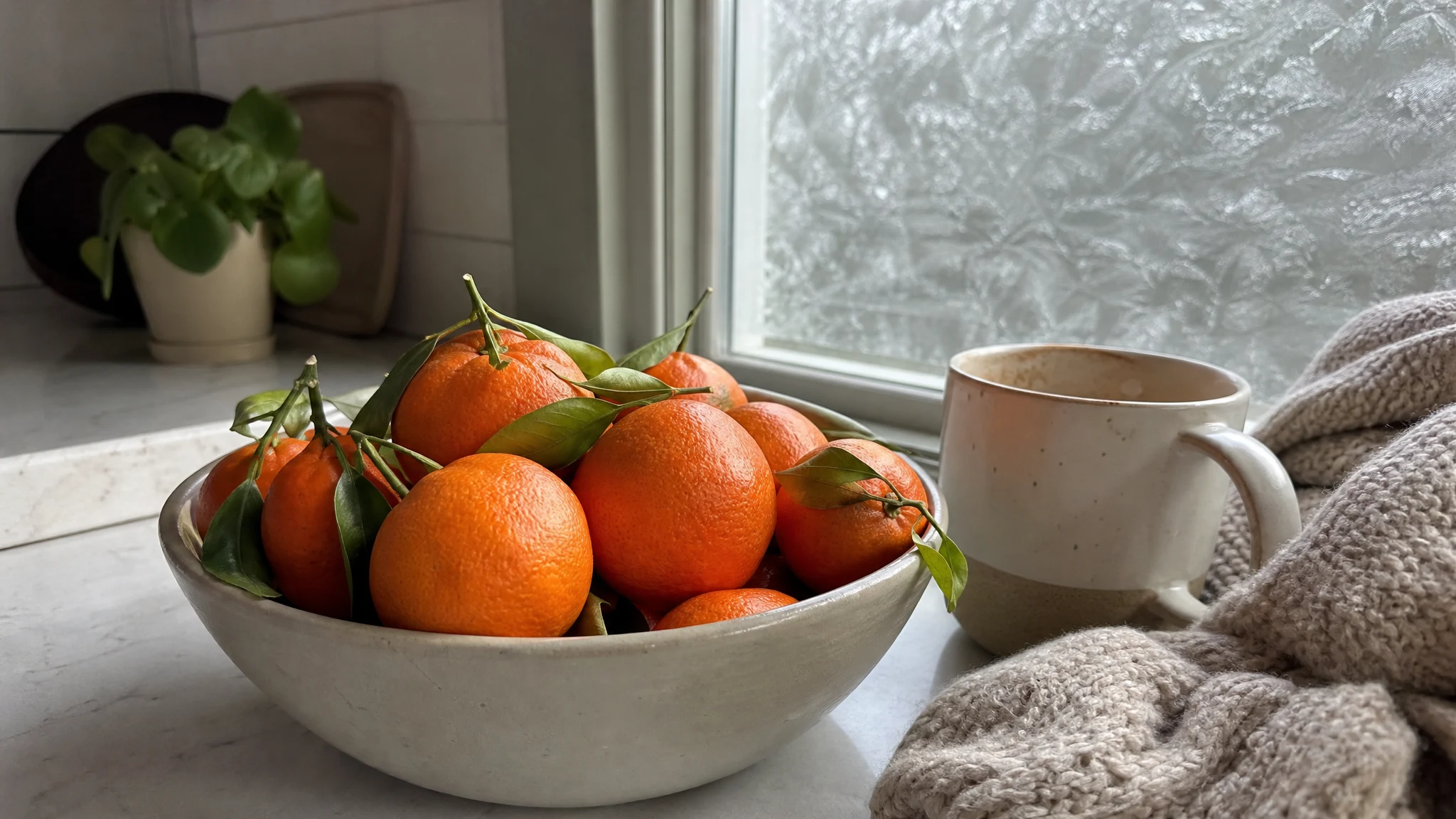
Is Tangerine Oil Better in Winter? What Ripening Changes
Tangerines are a winter fruit, and the oil in the peel changes as they ripen. Here is what the studies measured and how to read a bottle with that in mind.