What Is Tangerine Oil Good For? Scent and Studies
Ask what the benefits of tangerine essential oil are and the most honest answer starts with your nose. It is one of the friendliest scents in the citrus family: sweet, juicy and bright, with a sparkle that is easy to love. What it cannot honestly do is stand in for a remedy, and a good deal of the internet pretends otherwise. Here is what the research landscape looks like, and why we describe the oil the way we do.
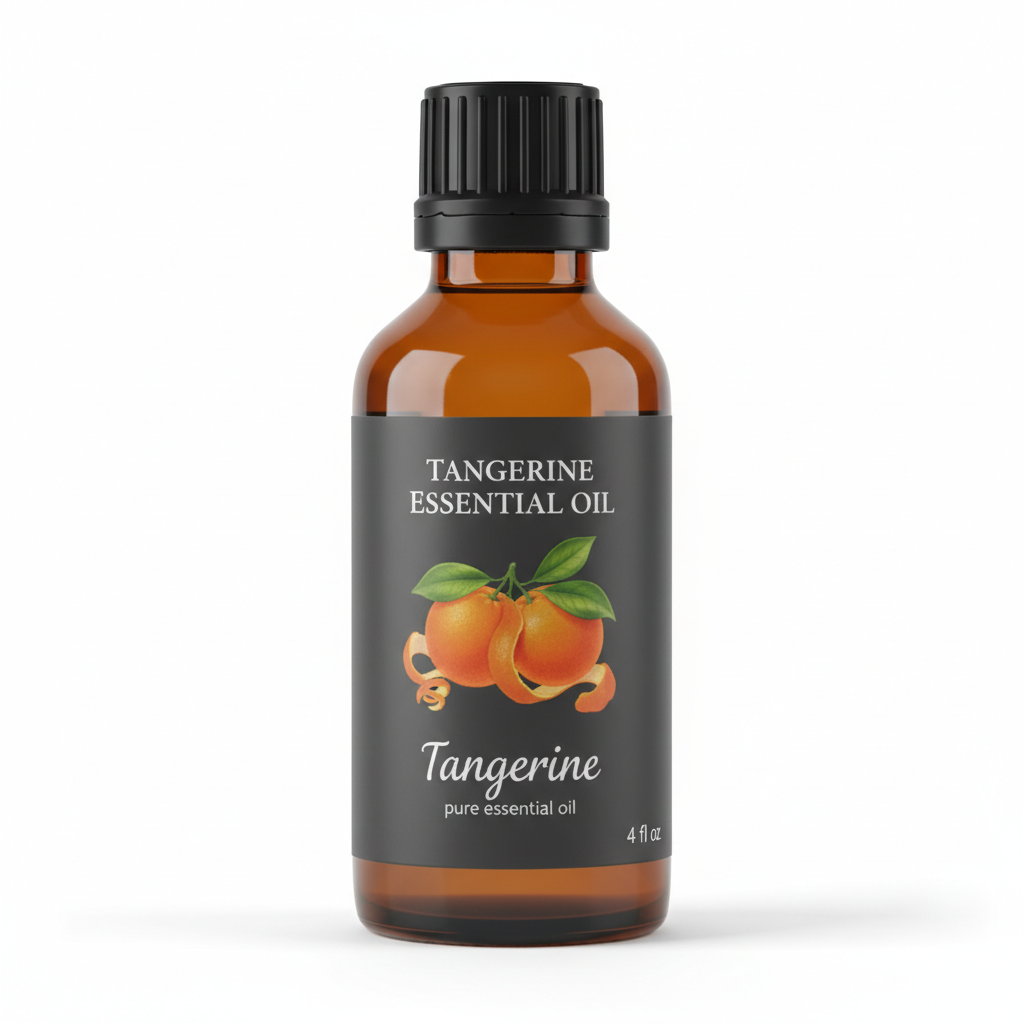
Tangerine Essential Oil
Our own Tangerine Essential Oil, in sizes from 0.5 oz to bulk.
From $12.99
Shop Now →The aroma is the benefit
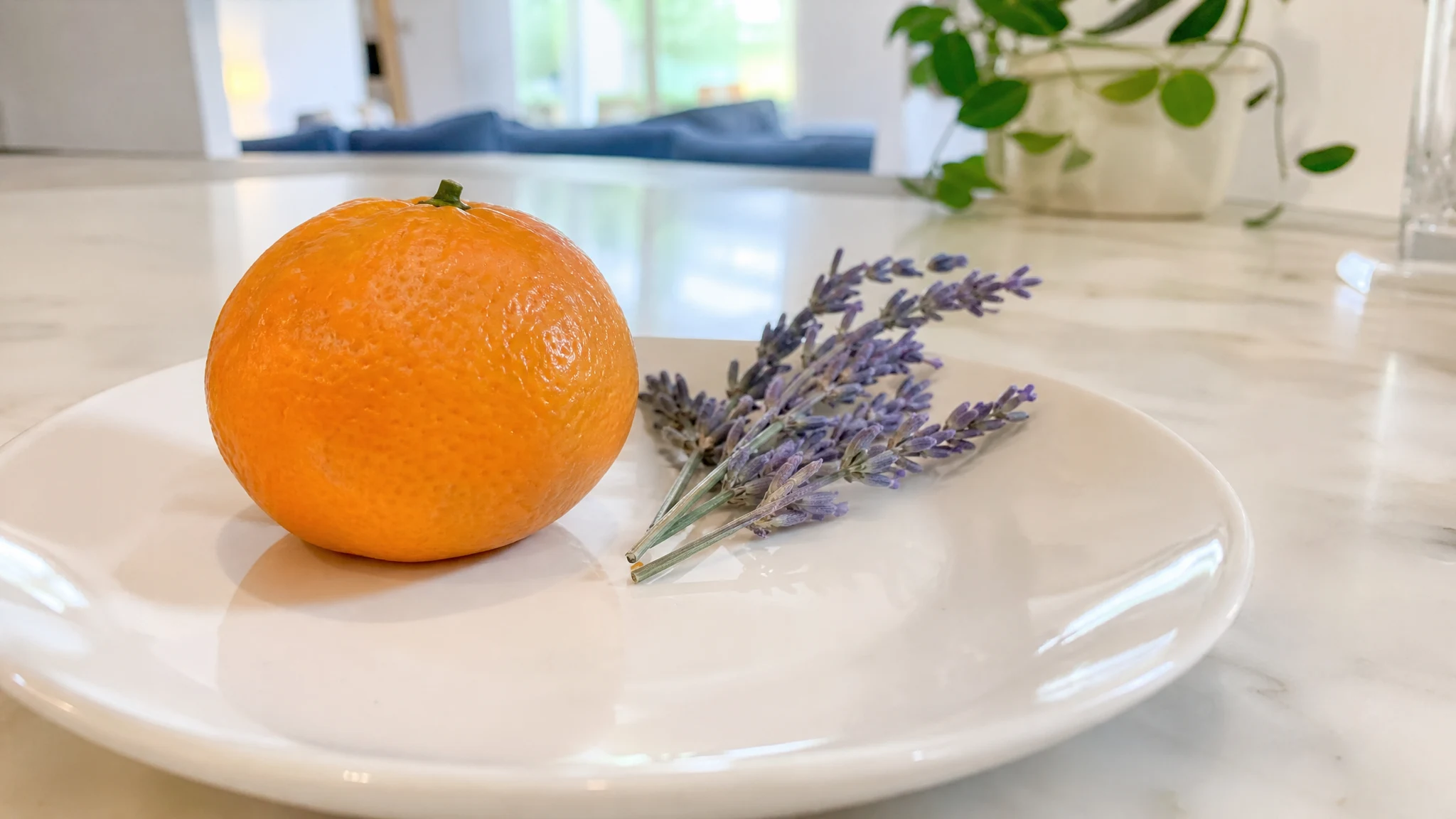
We describe our tangerine oil as vivid, juicy and sweet, a candy-bright top note with more sparkle and less floral hush than mandarin. It blends happily with vanilla, cinnamon, neroli, sweet orange, bergamot and ylang ylang, and it suits diffusers and carefully diluted skin products. If you enjoy the smell, that is a complete reason to own a bottle. Our uses guide shows where people like to put it.
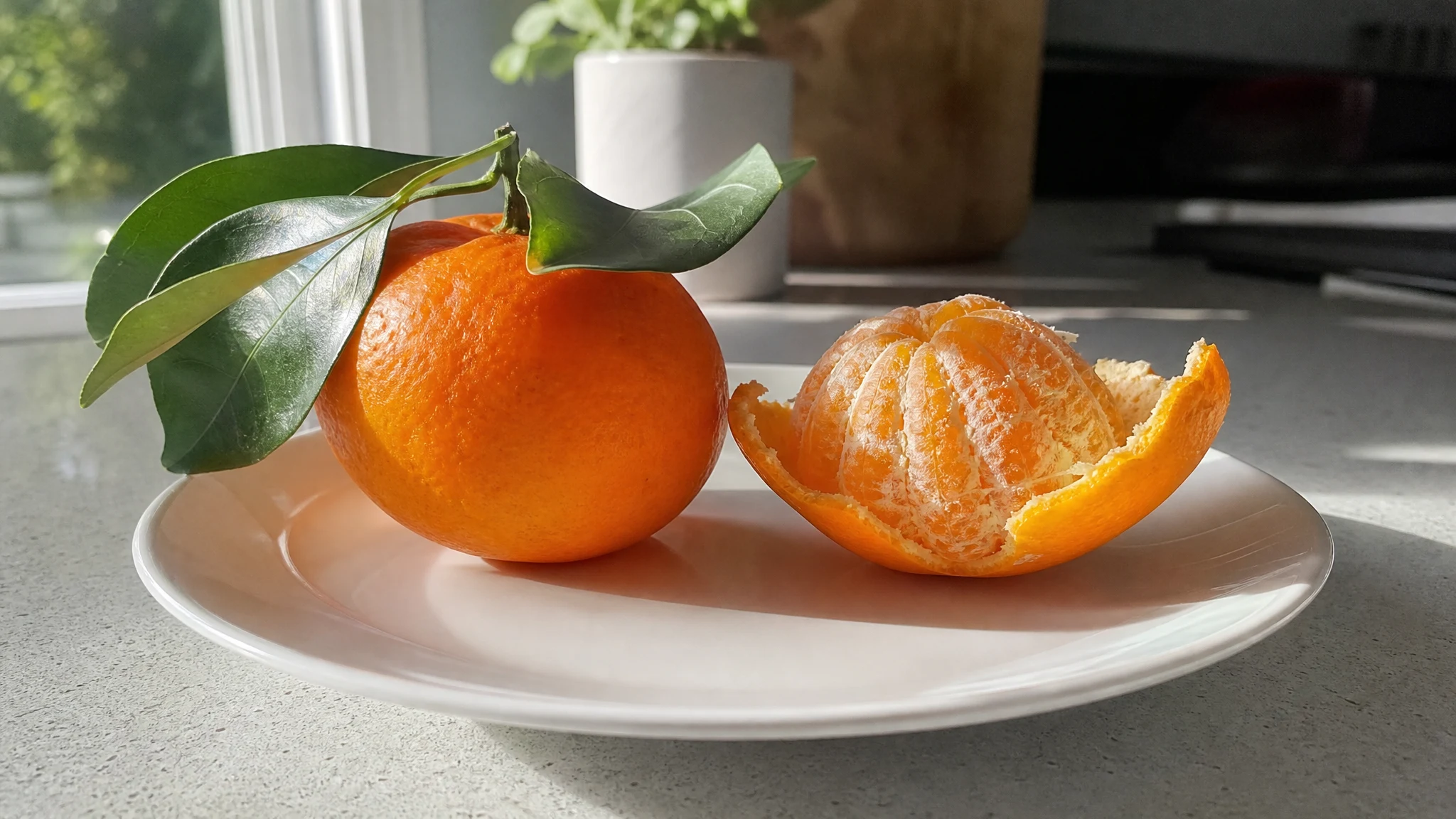
Try this at home, with nothing but the bottle. Put one drop on a paper strip, wave it under your nose and notice the first impression, then the one after a minute. Tangerine opens with a rush of juicy sweetness and settles into something softer. Noticing that is half the fun of owning an oil like this, and it is a benefit nobody needs a study to confirm.
What studies of citrus scents have looked at
Scientists have been curious about citrus aromas and mood for a while, and the studies are worth knowing about, with the caveat that none of them tested tangerine oil. Dental waiting rooms are a favourite setting. In a 2000 study of 72 patients, ambient orange odor went with lower state anxiety, a more positive mood and higher calmness in women compared with controls. A 2012 experiment with 40 men found that people who inhaled sweet orange oil showed no significant rise in self-reported anxiety during a stressful colour-word test, unlike controls, although physical stress responses such as heart rate still occurred. A 2008 trial of 56 healthy adults found lemon oil reliably lifted positive mood, whatever people had been told to expect, yet it did not reliably change cortisol, heart rate or blood pressure.
These are charming findings, and the pattern is consistent: people report that a citrus smell feels pleasant. They are also small studies, mostly self-reported, using other citrus oils. What they show about a different oil in a different room cannot be carried over to ours.
It is also worth remembering how hard smell is to study. People know what they are sniffing, so expectation can colour the answers, which is why the lemon trial deliberately told some volunteers what to expect and others nothing, and still saw the mood effect. Careful design like that is the exception, and it is part of why we describe these results as pleasant findings and not as proof of anything.
Little ways we enjoy the scent
Scent is a personal thing, so we would never prescribe how to use it. But here are the simple pleasures we point people toward: a few drops in a diffuser on a grey afternoon, a drop on a cotton pad tucked into a drawer, a tangerine candle on the windowsill, or a carefully diluted blend for a body oil. Each one is about enjoying the aroma and nothing more, and that is plenty.
Tangerine also makes a good teacher for anyone new to oils. Because it is such a friendly, familiar smell, it is easy to learn what a top note is, how it fades, and why a fresh bottle smells better than an old one.
Why the bottle matters as much as the paper
Researchers can only report on the oil they actually tested. A 2021 study bought 31 neroli, mandarin and bergamot oils from online sellers and checked them against ISO and AFNOR standards. More than 45% failed the compliance check and more than 19% had been diluted with solvents or vegetable oil (those are totals across all 31 oils, not a figure for mandarin alone). The lesson is not that every bottle is suspect; it is that the oil in a paper and the oil in your hand can differ, and documentation is how you narrow the gap. The Certificate of Analysis we publish for one batch lists a measured relative density of 0.846, a refractive index of 1.474 and an optical rotation of +94 degrees. If you want more detail on a lot, ask us in writing through the contact page.
How we keep our wording honest
In the United States, the line between a cosmetic and a drug is drawn by intended use. The FDA's aromatherapy page explains that when a product is intended for therapeutic use, or to affect the structure or function of the body, it is a drug, and that such claims are sometimes made for massage oils and lotions marketed as aromatherapy. We sell an external cosmetic oil, so we talk about scent, not outcomes, and we leave health claims to health professionals. If you came here with a symptom, the right first conversation is with a physician, not a diffuser.
For the trial-by-trial detail, our anxiety page goes deeper, and the aromatherapy guide explains why scent studies are hard to run. For the chemistry behind the aroma, see our limonene post.
If you keep one habit, make it this: open the bottle now and then, breathe in, and enjoy the moment. It is a small, honest pleasure.
So the short version: tangerine oil gives you a lovely smell, a bright note for blends and a reason to open the window of a grey day a little wider. Come for the aroma, and you will not be disappointed.
Tangerine Essential Oil
Tangerine Essential Oil from our own shop, in sizes from 0.5 oz to bulk.
From $12.99
Shop Now →Sources & Further Reading
- Ambient odor of orange in a dental office reduces anxiety and improves mood in female patients.
- Effect of sweet orange aroma on experimental anxiety in humans.
- Olfactory influences on mood and autonomic, endocrine, and immune function.
- Type and magnitude of non-compliance and adulteration in neroli, mandarin and bergamot essential oils purchased on-line: potential consumer vulnerability.
- Aromatherapy | FDA