Tangerine and Lavender: How to Balance the Pair
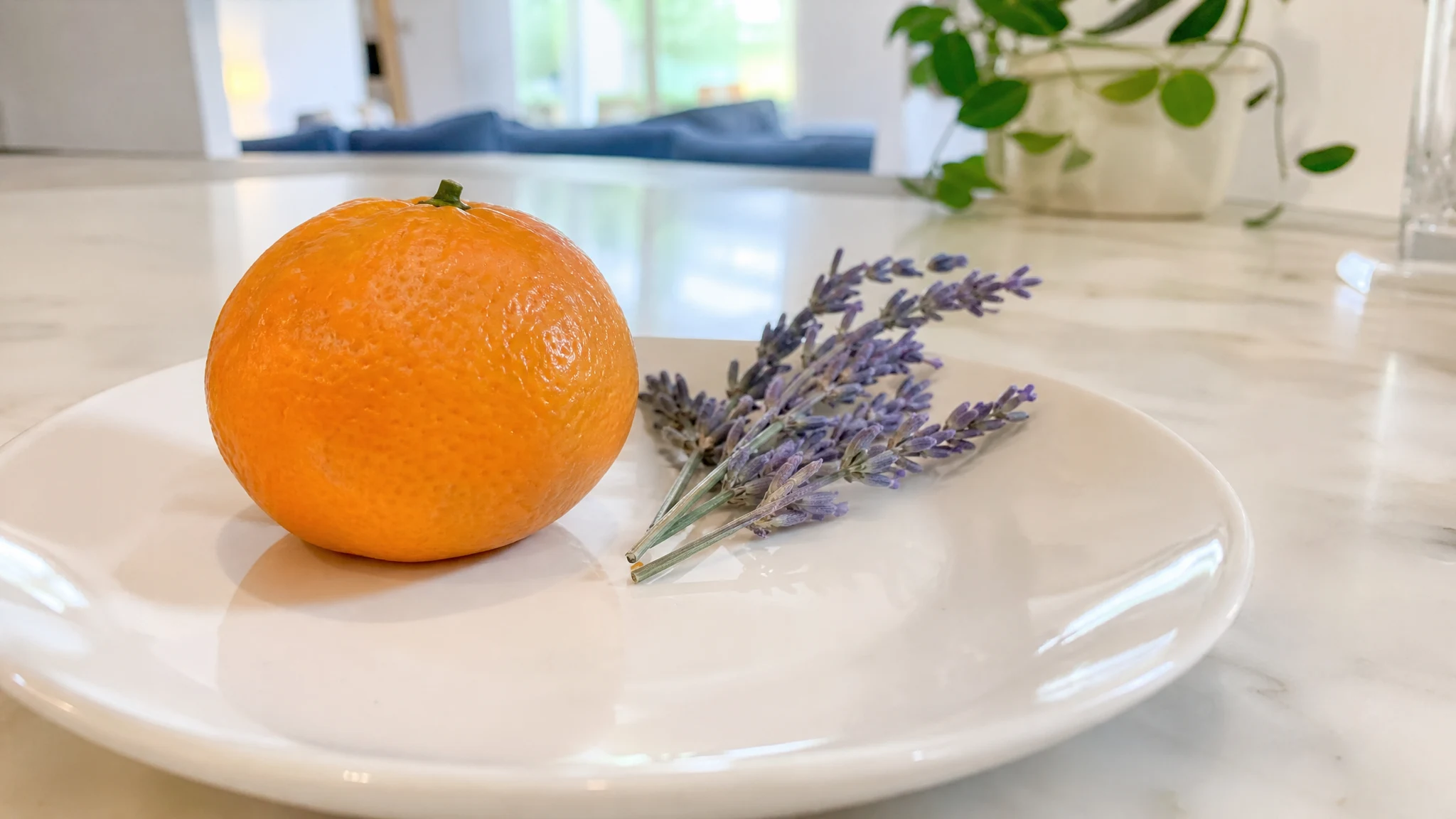
Tangerine and lavender make an easy pair to love. One is quick, sweet and sunny, the other soft and floral, and together they smell like a summer afternoon that has settled into evening. The trick is getting the balance right, and the most reliable way to do that is to measure by weight instead of counting drops.
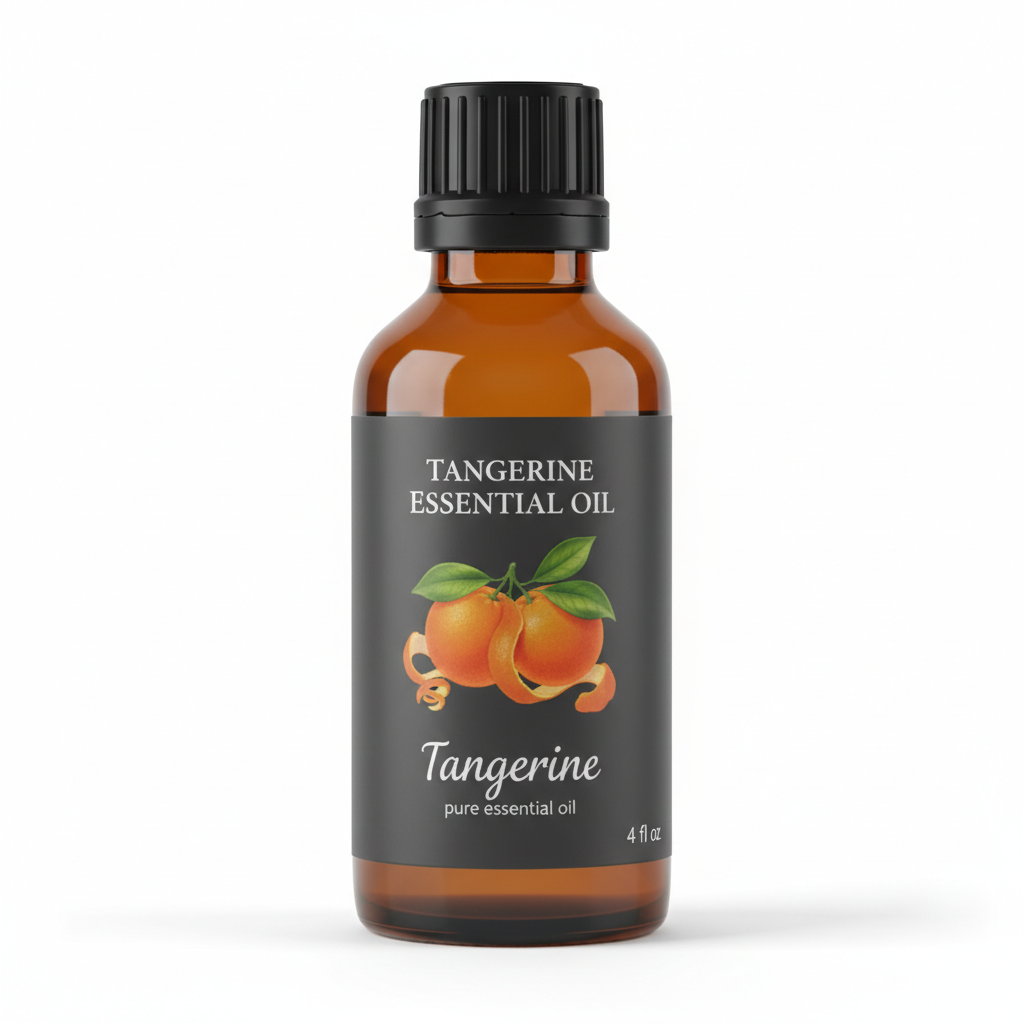
Tangerine Essential Oil
Our own Tangerine Essential Oil, in sizes from 0.5 oz to bulk.
From $12.99
Shop Now →How the two scents behave
Tangerine is a top note. We describe the aroma as vivid, juicy and sweet, and as a top note it greets you first and fades first. Lavender stays longer. So a blend with a lot of tangerine smells like citrus at the start and lavender an hour later, while a blend leaning toward lavender smells softer from the beginning. That is reasoning from how top notes work, not a smell panel, so trust your own nose and adjust. We sell the tangerine; lavender comes from an aromatherapy or perfumery supplier, ideally one who names the species and gives a harvest or best-by date.
Meeting the two scents
Before you blend, smell each oil on its own, one at a time, from a few centimetres away. Tangerine will jump out with its juicy, candy-bright sparkle. Lavender usually sits back, soft and herbal. Give your nose a short rest between them, with a breath of fresh air or a sniff of your own sleeve, so each one gets a fair hearing.
Three ratios, with the arithmetic
Weigh the two oils on a small scale into a vial to make a concentrate, then stir 1 g of concentrate into 100 g of a carrier oil for a 1% blend. Our dilution guidance for skin is 0.5% to 2% in a carrier, and 1% is a comfortable middle for a first try. Our Certificate of Analysis for one batch lists a relative density of 0.846, so a milliliter of that batch weighs about 0.85 g, and at the common rough figure of 20 drops to a milliliter, a drop is around 40 mg. Drop sizes vary with the dropper, which is the reason to weigh.
- 80 : 20 tangerine to lavender. In 1 g of concentrate that is 0.8 g tangerine (about 19 drops) and 0.2 g lavender. Sunny and citrus-forward, with lavender as a soft shadow.
- 60 : 40. 0.6 g tangerine (about 14 drops) and 0.4 g lavender. Our pick for an even conversation between the two.
- 40 : 60. 0.4 g tangerine (about 10 drops) and 0.6 g lavender. Calmer and more floral, with tangerine lifting the opening.
The drop numbers are only a guide to scale, and they are our arithmetic, not a tested recipe. For very small bottles, such as a 10 ml roller, drops are too coarse to hold these ratios, so our roller blend page shows a simpler way to do it.
Judging the blend
Once you have made a concentrate, put a drop on a paper strip or a folded tissue and wave it gently. Smell it right away, then after ten minutes, then after an hour. The first sniff will be mostly tangerine. By the hour mark, the lavender has stepped up. If you love the later impression more than the opening, go for the 40 : 60 blend next time. If you want the sunny opening to last, choose 80 : 20.
Write the date and the ratio on the vial. When you find the version you reach for most, you can scale it up with the same proportions and never lose the recipe.
Keeping both bottles fresh
Both oils change when they meet air. Limonene, the main part of citrus peel oil, and linalool in lavender each form oxidation products over time, and a patch-test study of 2,900 dermatitis patients found that people can react to oxidized forms of either one (Oxidized limonene and oxidized linalool - concomitant contact allergy to common fragrance terpenes). That is a finding about laboratory-oxidized samples in patients already being tested, and it is not a rate for everyone. It is a good reason, though, to look after your bottles. The Tisserand Institute says most oils keep well for at least one to two years before oxidation takes effect, and that refrigeration about doubles that (Is my bottle of essential oil oxidized or no longer good to use?). We say the same thing in our own words: keep the cap tight, store it cool and away from light, and buy the size you will finish. Our guide to storing tangerine oil has the habits. If either oil smells sharp or looks cloudy, leave it out of a skin blend.
Before it goes on skin
Patch test first, keep the blend away from eyes, and keep it out of reach of children and pets. We advise avoiding sun on freshly applied areas, as we do with any cold-pressed citrus oil. If you are expecting, nursing or have a skin condition, ask your doctor first. For a reaction, a dermatologist or allergist is the right person to ask. Looking for more partners? Our guide to tangerine oil blends works through other pairings one at a time, and the dilution page shows the ratios and patch testing in detail.
If you only make one thing from this page, make the vial and a paper strip. It costs almost nothing, and the afternoon you spend sniffing it will teach you more than another hour of reading.
Start with 60 : 40, sniff it the next morning, and nudge the ratio toward whichever note you reached for.
Tangerine Essential Oil
Tangerine Essential Oil from our own shop, in sizes from 0.5 oz to bulk.
From $12.99
Shop Now →Sources & Further Reading
- Oxidized limonene and oxidized linalool - concomitant contact allergy to common fragrance terpenes (Contact Dermatitis, 2016)
- Is my bottle of essential oil oxidized or no longer good to use? (Tisserand Institute)