What Does Tangerine Oil Smell Like? A Nose-First Guide
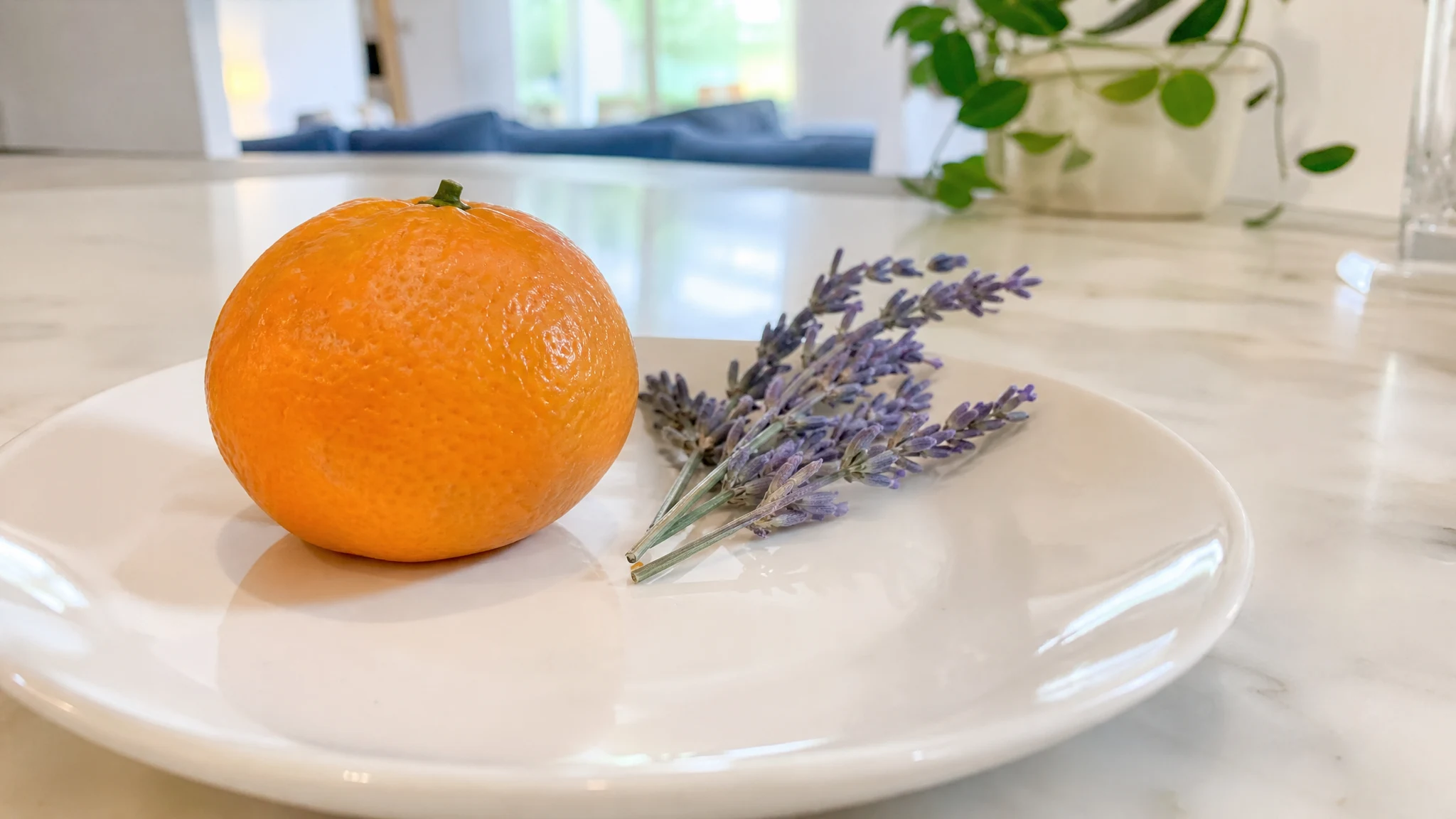
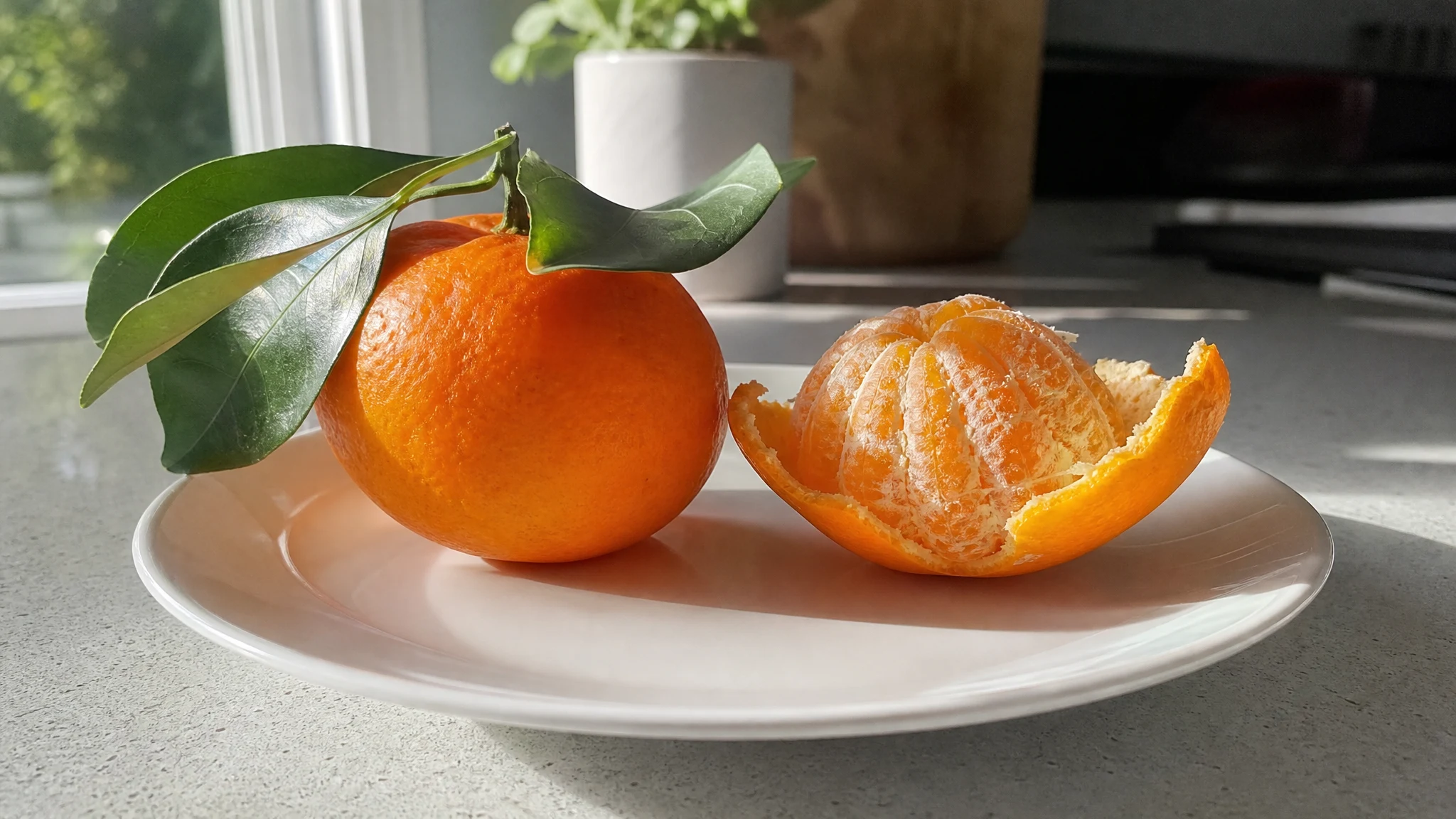
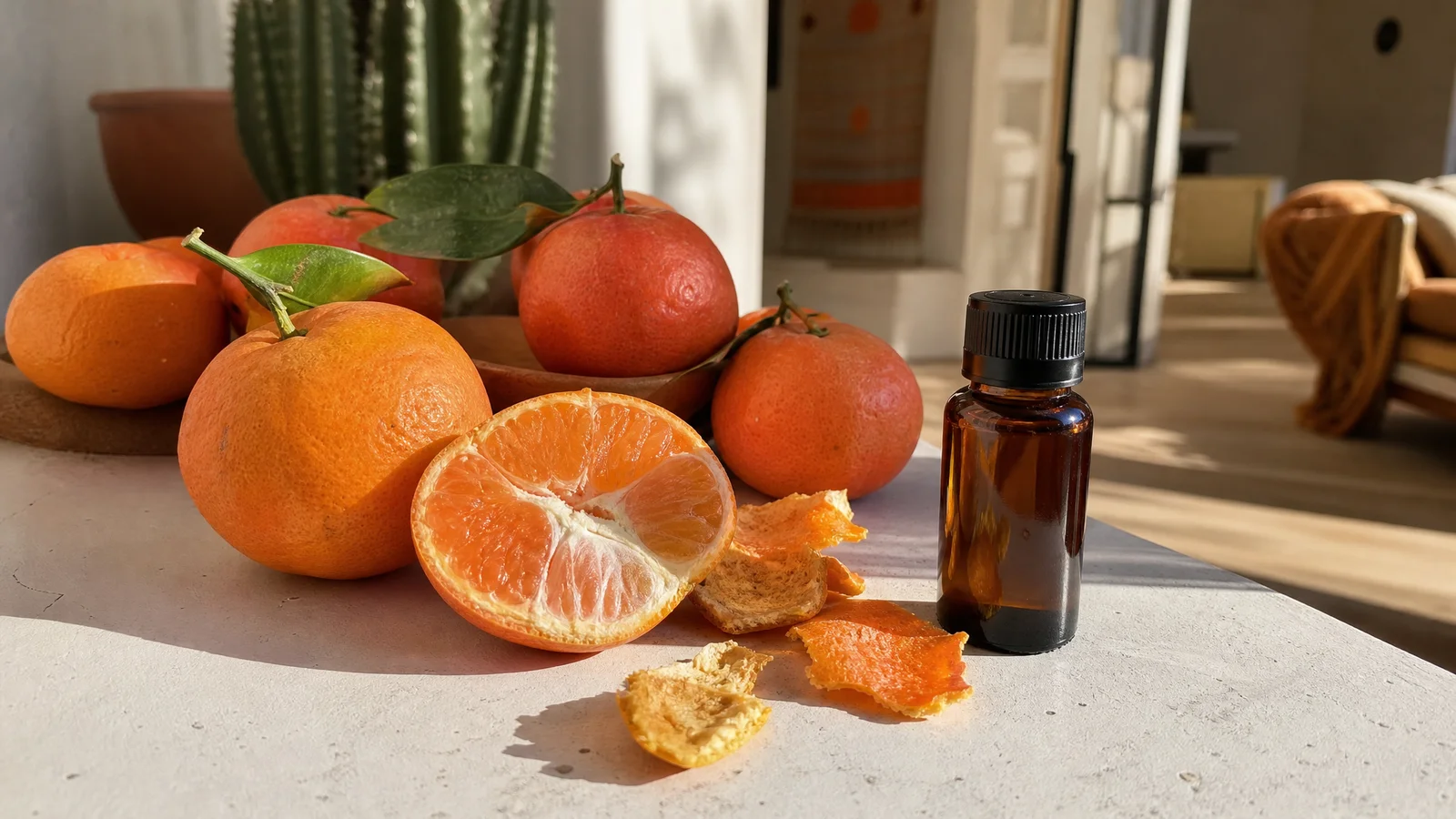
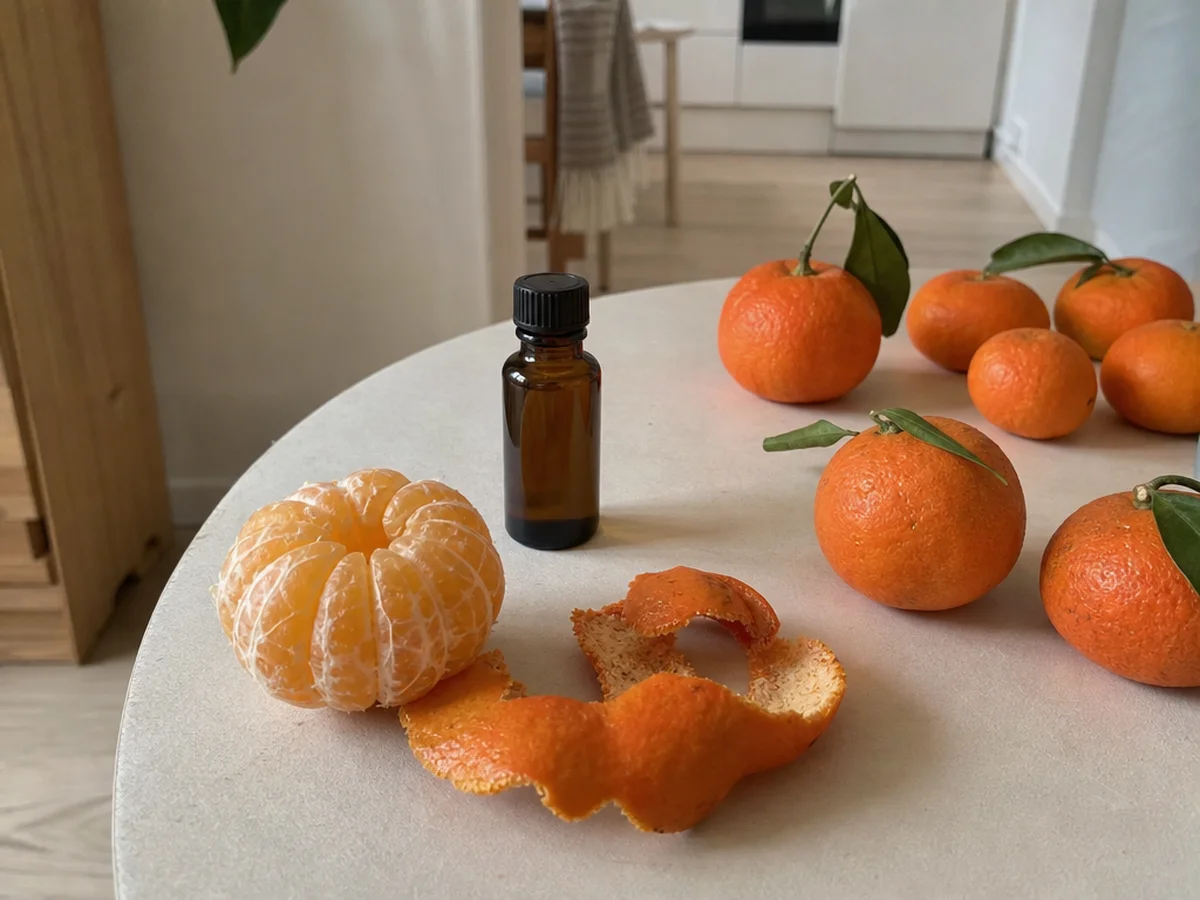
Open a bottle of tangerine oil and the first thing you notice is how alive it smells: sweet, juicy, a little sparkling, like the spray that bursts when you tear the peel from a ripe fruit. We describe the aroma as vivid, juicy and sweet, candy-bright, and we think it has more sparkle and less floral hush than mandarin. It is a top note, the kind that greets you first and fades first.
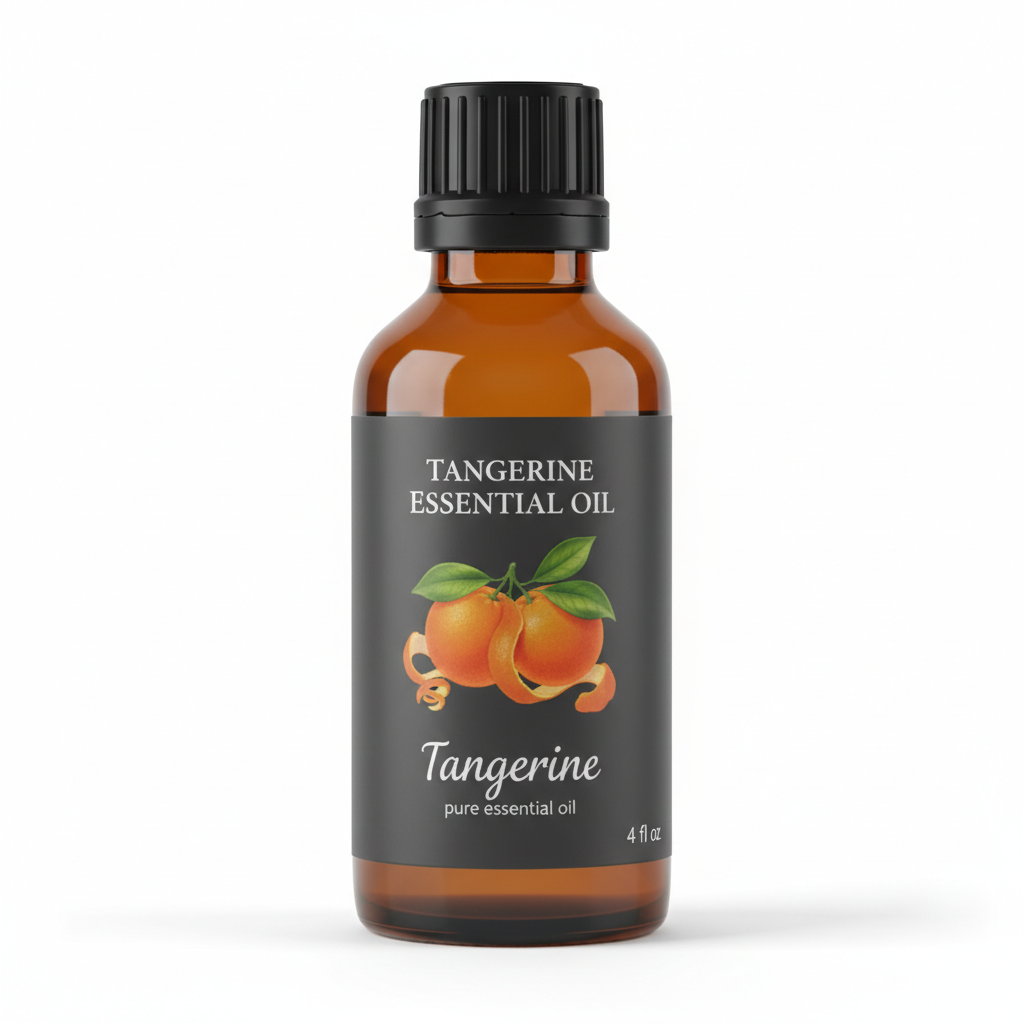
Tangerine Essential Oil
Our own Tangerine Essential Oil, in sizes from 0.5 oz to bulk.
From $12.99
Shop Now →Where the candy comes from
The backbone of any citrus peel oil is limonene, the bright, fresh-cut-peel molecule. Across published analyses of Citrus reticulata peel oils, limonene averages about 77% (Citrus reticulata Essential Oil as a Bioactive Food Ingredient: Composition Variability, Extraction, Functional Bioactivities, and Cross-Study Quantitative Analysis). Sweet orange oil is mostly limonene too, which is why the two share that sunny impression.
The difference is in the small supporting cast. One compound, methyl N-methylanthranilate, is described by researchers as an important odorant molecule for mandarin oil, and when it was missing from two oils sold as mandarin, the authors read them as sweet orange (Type and magnitude of non-compliance and adulteration in neroli, mandarin and bergamot essential oils purchased on-line: potential consumer vulnerability). Expressed mandarin oil also carries a good amount of gamma-terpinene, which the European Food Safety Authority specifies at 13% to 22% (Safety and efficacy of a feed additive consisting of expressed mandarin oil from the fruit peels of Citrus reticulata Blanco for use in all animal species (FEFANA asbl)). It is tempting to give each molecule its own flavor. Chemists are cautious about that, and so are we: the candy-bright quality belongs to the whole mixture, with traces of aldehydes and others adding to a main limonene note.
Tangerine beside its cousins
Next to sweet orange, tangerine tends to read lighter, with a touch more sparkle. Next to mandarin, we find it a little more vivid. Those are descriptions of character, not measurements. If you like comparing, our posts on tangerine versus sweet orange and tangerine versus mandarin show how they line up. The Certificate of Analysis we publish for one batch lists the smell as complying with a printed standard of "Sweet, Citrus, Bright", alongside its density, refractive index and optical rotation.
A simple way to smell well
Your nose is a wonderful instrument for preference and a modest one for identification. A 2022 study of 374 cold-pressed citrus oils (Authentication of Citrus spp. Cold-Pressed Essential Oils by Their Oxygenated Heterocyclic Components) concluded that such oils are routinely adulterated because regulation and reliable authentication methods are lacking, which is a good argument for asking a seller for a composition report when it matters to you. A separate survey of oils bought online notes that consumers may not tell orange from mandarin by smell. So use your nose for what it does best:
- Smell on a day when you have not worn perfume, and hold the bottle a few centimeters away rather than right at the nose.
- Give your nose a rest between oils, and judge two bottles on the same day.
- Notice what you reach for again. That is your preference, and it is a legitimate answer.
Words to describe it with
If you struggle to put a smell into words, borrow from the kitchen. Tangerine might bring to mind peeled fruit, orange sherbet, a sugared slice or a bright candy, and each reader will reach for something different. Try describing the first second, the next minute and the fading end separately, and the words come more easily. It also helps to say the smell out loud to someone else and see whether they agree.
Freshness changes the story
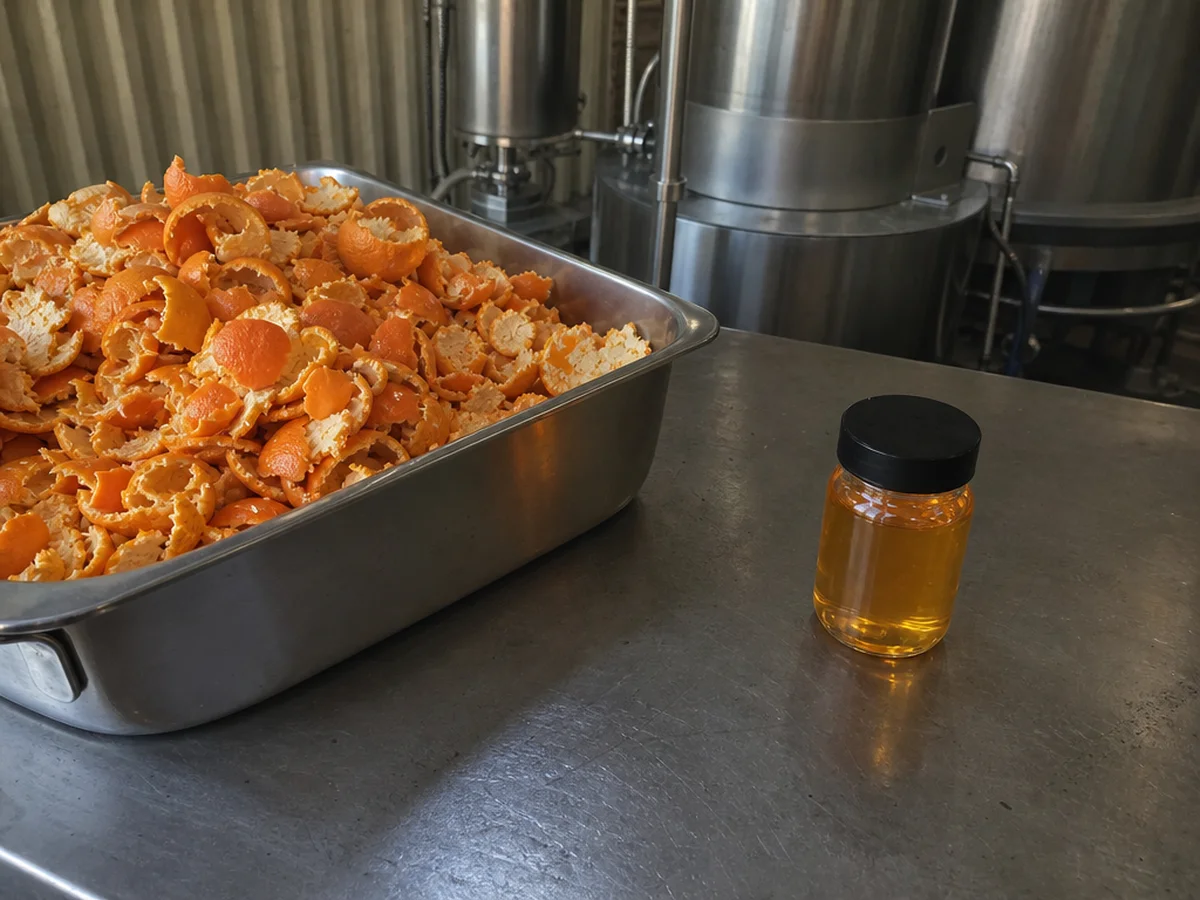
Limonene reacts with air, so a bottle opened long ago smells different from a fresh one. The Tisserand Institute says most oils keep well for at least one to two years before oxidation sets in, and that citrus oils may turn cloudy if moisture gets in (Is my bottle of essential oil oxidized or no longer good to use?). Tangerine is a top note that fades faster than heavier oils, and it is liveliest in the months after opening, so we suggest buying a size you will finish and keeping the cap tight, cool and away from sunlight. If an oil smells dull, sharp or off, it should not go on skin. Our storage guide has the habits that keep it sparkling.
Here is an easy way to watch a top note work: put a drop on a tissue and leave it on your desk. Come back through the afternoon and notice how the first jump of sparkle thins and softens. That is exactly the character of the family, and it is why we love opening a fresh bottle.
Smell in a blend
Tangerine plays well with vanilla, cinnamon, neroli, sweet orange, bergamot and ylang ylang, all of which come from other suppliers. As the top note it leads and softens. Our blends guide works through partners. For skin, we recommend diluting to 0.5% to 2% in a carrier, patch testing first, and avoiding sun on freshly applied areas.
Describe the scent in your own words, whether that is orange sherbet, the first mandarin of the season or a sugared peel. Whatever you land on, the sparkle is the point.
Tangerine Essential Oil
Tangerine Essential Oil from our own shop, in sizes from 0.5 oz to bulk.
From $12.99
Shop Now →Sources & Further Reading
- Citrus reticulata Essential Oil as a Bioactive Food Ingredient: Composition Variability, Extraction, Functional Bioactivities, and Cross-Study Quantitative Analysis (Food Science & Nutrition, 2026)
- Type and magnitude of non-compliance and adulteration in neroli, mandarin and bergamot essential oils purchased on-line: potential consumer vulnerability (Scientific Reports, 2021)
- Safety and efficacy of a feed additive consisting of expressed mandarin oil from the fruit peels of Citrus reticulata Blanco for use in all animal species (FEFANA asbl) (EFSA Journal, 2021)
- Authentication of Citrus spp. Cold-Pressed Essential Oils by Their Oxygenated Heterocyclic Components (Molecules, 2022)
- Is my bottle of essential oil oxidized or no longer good to use? (Tisserand Institute)