Tangerine Oil and Acne: Why We Keep It a Scent
Few topics pull a shopper toward a bottle of essential oil faster than a stubborn breakout, and tangerine oil turns up in plenty of acne roundups. We would rather be straight with you: tangerine oil is a fragrance we love, not an acne product, and we do not sell it as one. This post explains where the evidence stops so you can spend your effort where it counts.
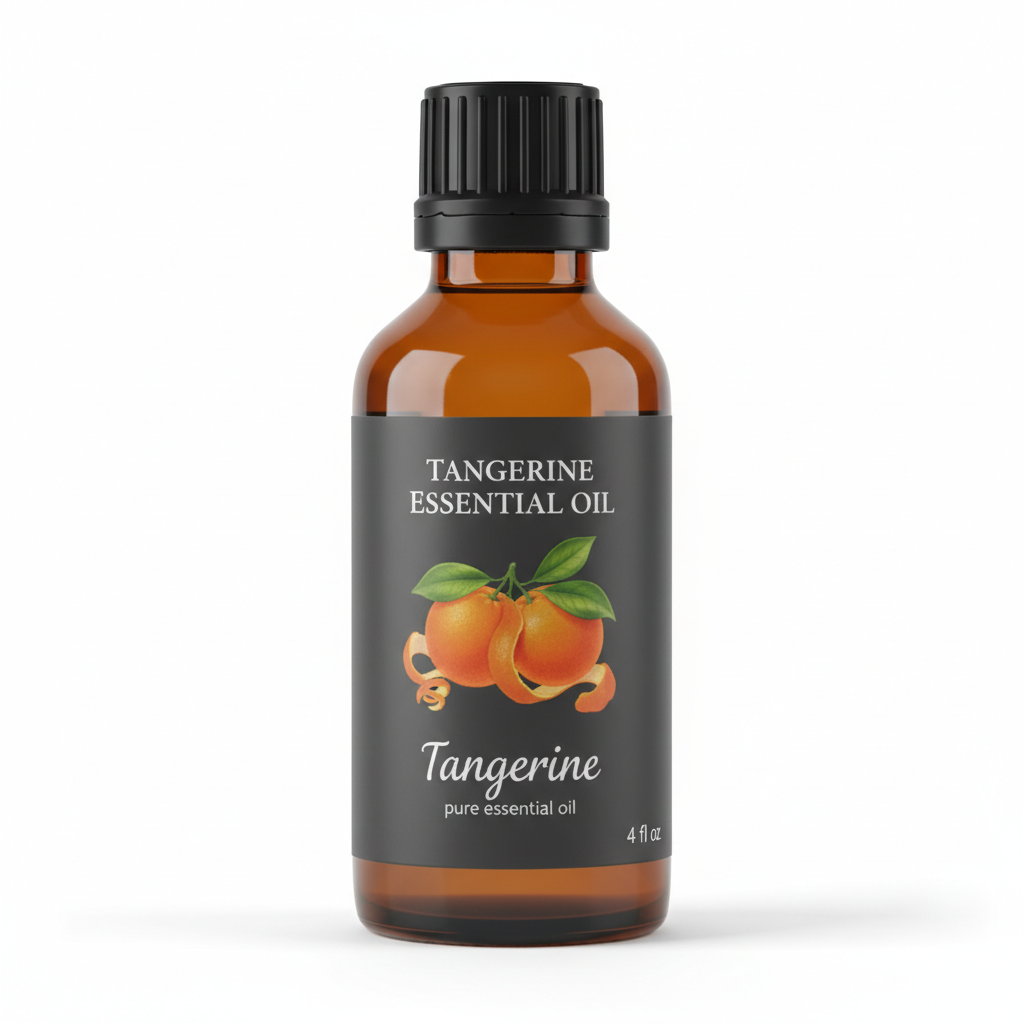
Tangerine Essential Oil
Our own Tangerine Essential Oil, in sizes from 0.5 oz to bulk.
From $12.99
Shop Now →What dermatologists actually list
The American Academy of Dermatology's treatment page names topical retinoids, benzoyl peroxide, topical antibiotics, combination products, salicylic acid, azelaic acid and clascoterone, along with oral medicines and in-office procedures such as peels, light therapy and extraction. It says there is no one-size-fits-all acne treatment, and it does not mention essential oils. That is not a verdict on any single oil, but it does mean there is no dermatology entry for tangerine to point to. The page also says you do not need to wait for acne to clear on its own, which is our practical advice too: persistent breakouts are a reason to see a dermatologist.
The dish study everyone cites
The claim you will meet most often traces back to a 2019 laboratory paper in Heliyon. The researchers hydrodistilled the peel of Ponkan (Citrus reticulata Blanco), identified 53 compounds with d-limonene at 58.9%, and tested the oil against Cutibacterium acnes and several other microbes in culture. They report that its activity against C. acnes was stronger than erythromycin, clindamycin and tetracycline, and they call the oil a potential material for acne therapy.
It is a genuinely interesting result for a dish, and four questions show how far it stretches. What concentration reached the bacteria? The abstract does not say, so nothing can be compared with a product. Which oil? Hydrodistilled Ponkan peel is a different material from cold-pressed peel oil. What else is in the picture? Skin has oil, a barrier and a lot of biology a culture plate lacks. And did anyone try it on people? The paper does not report that. For perspective, a 2023 review of essential oils and acne, covering oils such as tea tree, lavender and thyme, describes the evidence as promising but concludes there is not yet sufficient medical data to fully characterize it. Tangerine is not among the oils it names.
Why we would keep citrus out of a breakout routine
This part is our reasoning from documented facts, not a study of acne. Limonene-rich oils form oxidation products as they age in air, and those are recognized contact allergens. In a six-country patch test of 2,900 dermatitis patients, 152 reacted to oxidized R-limonene at 3.0%, about 5.2% by our arithmetic. Those patients were already being investigated for dermatitis, and the test material was oxidized limonene, not a diluted peel oil, so it shows the hazard exists rather than how often it happens on a face.
The practical consequence is simple. Acne routines often already contain ingredients that can irritate. Adding a fragrance that might sensitize makes it harder to tell irritation from allergy, so leaving the scent out for now is the cleaner choice.
What a kinder routine looks like
If you are dealing with breakouts, the most helpful thing we can say is to keep things simple. A gentle cleanser, a moisturizer that suits your skin and whatever your dermatologist has suggested will do far more than a shelf full of scented extras. Make one change at a time so you can tell what helps and what does not, and write it down. The simplest routines are usually the ones people stick with.
Why our pages stay in the fragrance lane
The FDA decides whether a product is a cosmetic or a drug by its intended use, which can be shown by labeling and promotion. A product marketed for acne is regulated as a drug, or as both. That is why we describe our oil as an aroma material and write no routines for skin conditions.
Patience matters too. Skin takes weeks, not days, to show what a change is doing, and it is easy to get impatient and reach for something new every few days. Resist that, especially with fragrance. If you love tangerine, enjoy it as a pleasure and not as a project.
There is a kind way to enjoy the oil that keeps it well away from your face. Put a few drops in a diffuser in another room, or use it in a candle or a room spray, and let the aroma live in the air instead of on your skin. You still get the juicy, sweet peel scent, and your skin gets a break from one more variable.
It can also help to remember that wanting a nice-smelling routine is perfectly human. Skin trouble is tiring, and a pleasant scent can feel like a treat. The kindest way to give yourself that treat is to keep it separate from the skin you are looking after, so you always know what is doing what.
If you simply like the smell
That is a fragrance decision, and a perfectly good one. Dilute to 0.5% to 2% in a carrier oil, and start at the low end, especially on the face; our face oil formulation keeps to the bottom of the range. Use a fresh bottle, patch test for 7 to 10 days on the inner arm, and skip it entirely if your skin is currently inflamed or you have reacted to fragrance before. Our dilution guide shows the maths, and the evidence overview sets this question in the wider picture.
For the skin itself, a board-certified dermatologist is the right person to ask. For the delight of an orchard-sweet citrus note in a blend you already tolerate, we are here.
Tangerine Essential Oil
Tangerine Essential Oil from our own shop, in sizes from 0.5 oz to bulk.
From $12.99
Shop Now →Sources & Further Reading
- Acne: Diagnosis and treatment
- Extraction of essential oil from Citrus reticulate Blanco peel and its antibacterial activity against Cutibacterium acnes (formerly Propionibacterium acnes).
- Emerging Insights into the Applicability of Essential Oils in the Management of Acne Vulgaris.
- Oxidized limonene and oxidized linalool - concomitant contact allergy to common fragrance terpenes.
- Is It a Cosmetic, a Drug, or Both? (Or Is It Soap?) | FDA