Bottled Cheerfulness
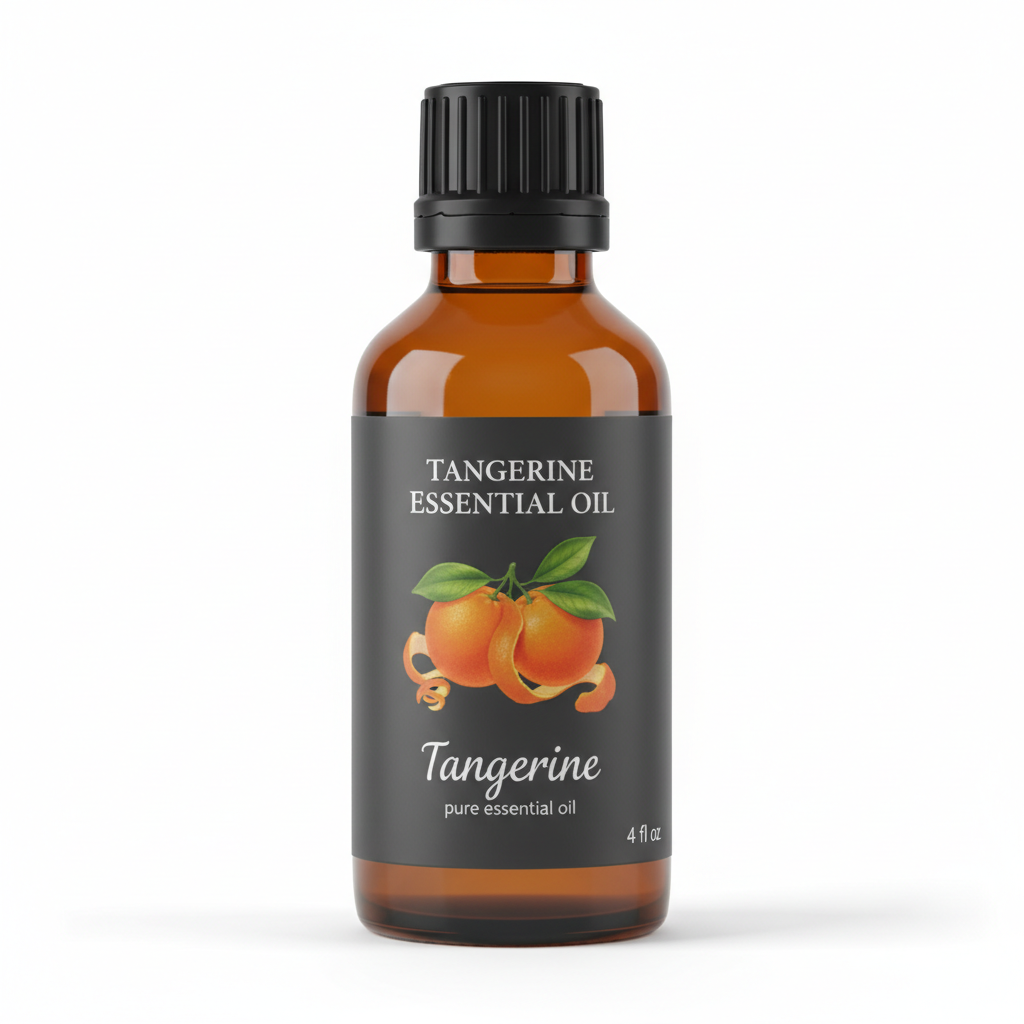
Tangerine essential oil is pure cheerfulness, cold-pressed from the bright orange peels of Citrus tangerina. Juicier and candy-sweeter than its mandarin cousin, it is the oil to reach for when a room, a blend, or a Tuesday needs an instant lift.
Cold-pressed tangerine oil adds a bright citrus top note to melt-and-pour bars, cold-process soap, and container candles without turning dull.
Explore →A few drops in the diffuser fill a kitchen or playroom with vivid, juicy citrus that reads cheerful, not heavy or floral.
Explore →Tangerine's candy-bright sparkle plays well against vanilla, cinnamon, and neroli, giving perfumers and formulators an easy citrus top note to test.
Explore →Production buyers ordering pounds instead of ounces can move straight to bulk sizes backed by the same published batch testing.
Explore →
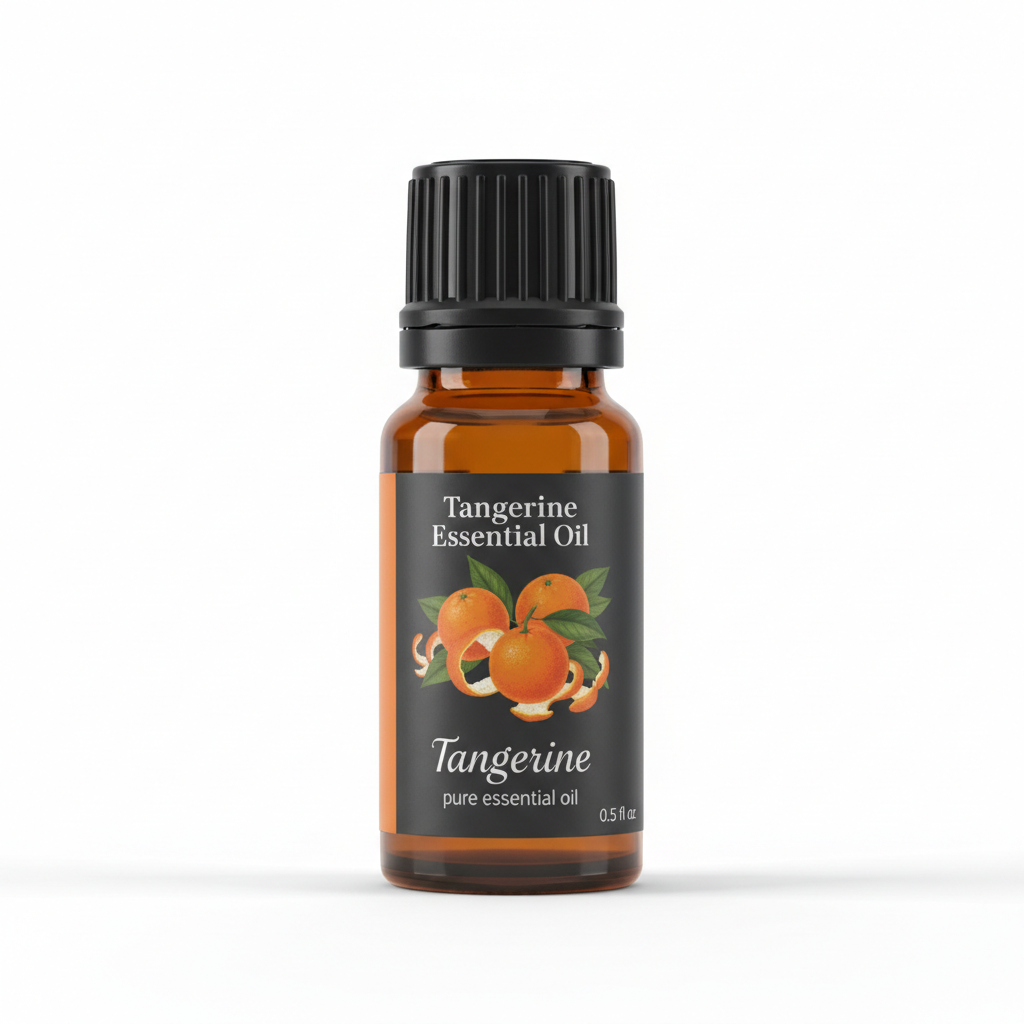
Sample Bottle
A small pour for testing the scent against your own recipes before committing to more.
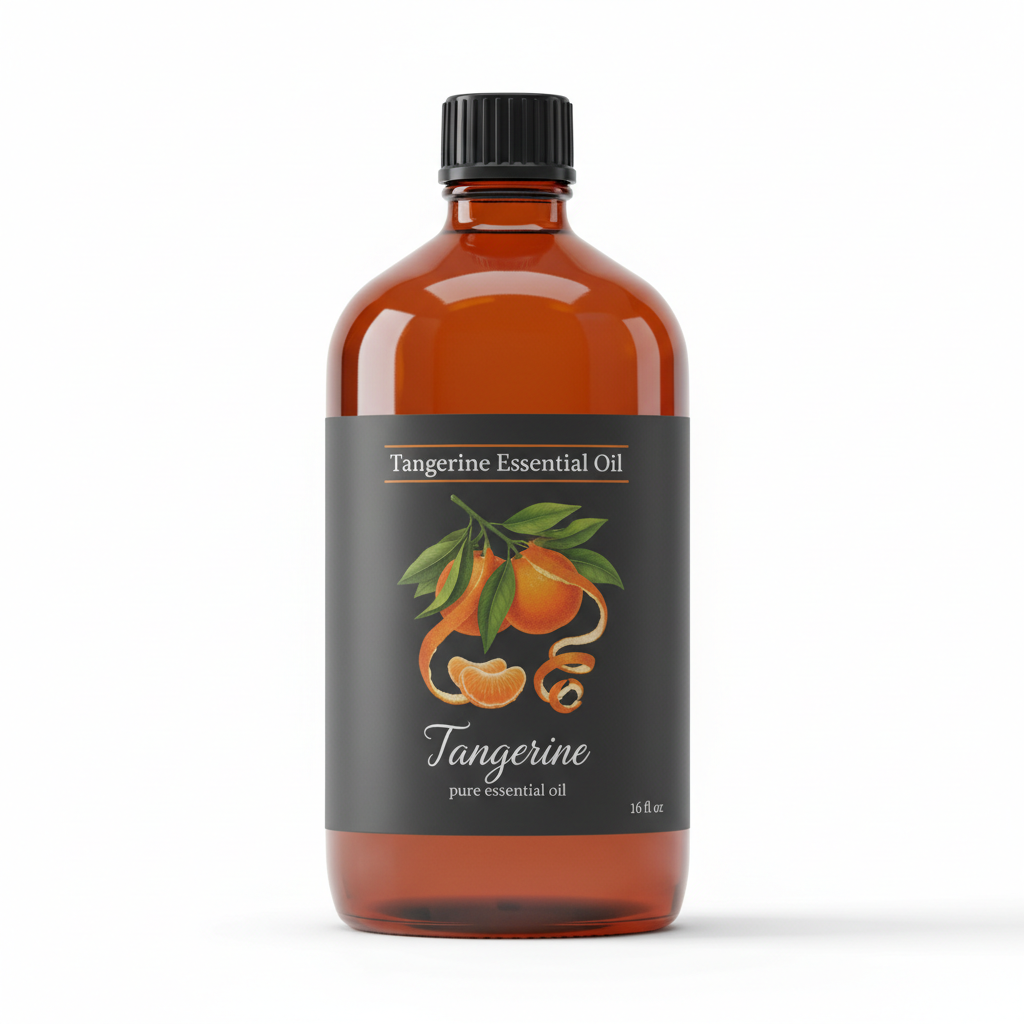
Pilot Batch
Enough oil to run a real test batch of soap, candles, or scrubs before you commit further.
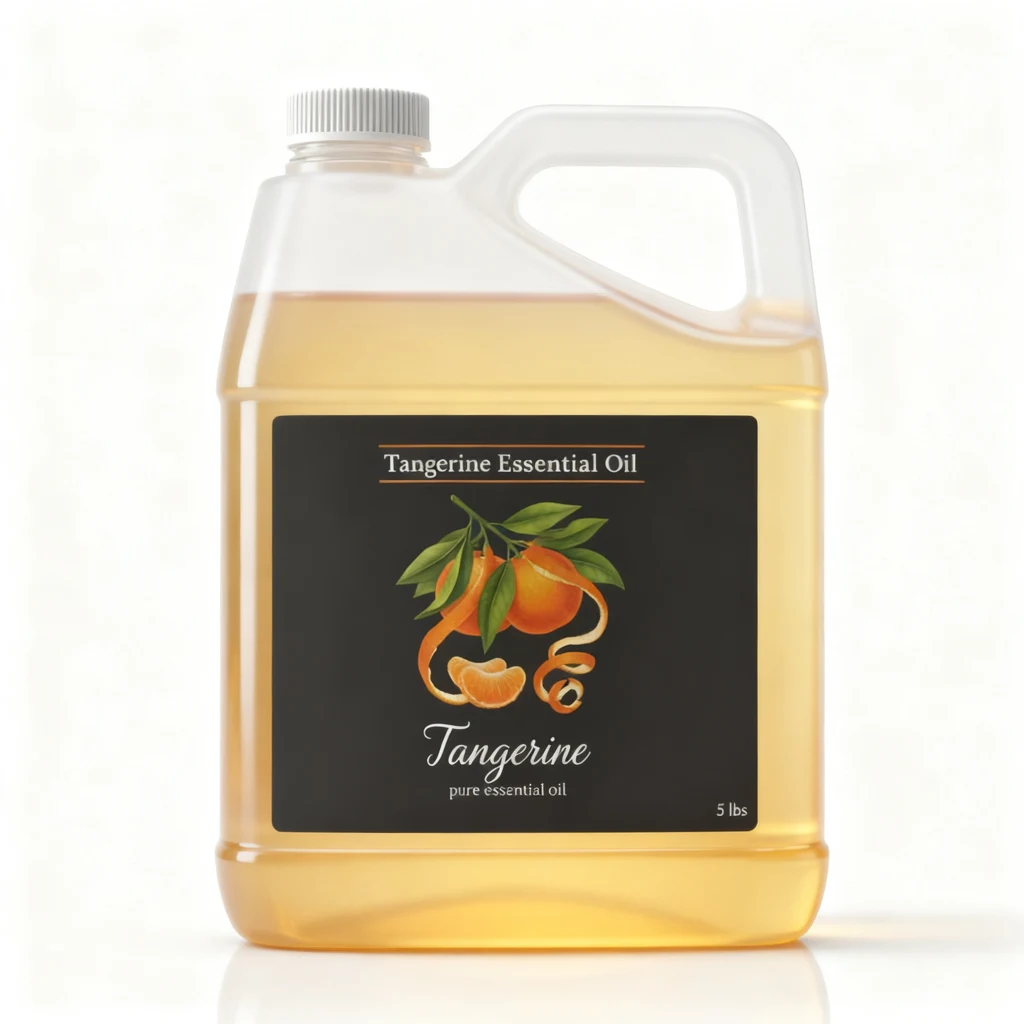
Production Start
The first size built for real production runs, with the cost per ounce dropping noticeably at this weight.
Tangerine essential oil is cold-pressed from the peels of Citrus tangerina, a mandarin relative that took its name from the port of Tangier and its best-known varieties from American breeders. The peels are pressed fresh at harvest, capturing the fruit at its juiciest.
Its aroma is vivid, sweet, and candy-bright, like peeling the fruit courtside on a summer day, with slightly more sparkle and less floral softness than mandarin. It plays joyfully with vanilla, cinnamon, neroli, and every fellow citrus in the rack.
Tangerine keeps kitchens and playrooms smelling happy from the diffuser, sweetens homemade sugar scrubs and lip balm blends at sensible dilutions, and brightens seasonal spice blends the way an orange slice brightens punch. Pressed citrus fades with time, so use it while it sparkles.
Fresh tangerines are picked at peak ripeness in Brazil and Argentina before their peel oil starts to fade.
Peels are separated from the fruit right away, since the aromatic oil sits in the rind, not the pulp.
The fresh peels are mechanically pressed, not heated, releasing the oil without ever raising its temperature.
Each pressed batch is tested and the resulting certificate of analysis is published on this site.
The oil is filtered and bottled promptly, then stored away from heat and light to protect its brightness.
Tangerine oil is simple enough to check: it's a single cold-pressed extract from one citrus peel, not a blend of isolates, so its aroma and composition are easy to compare batch to batch.
The current batch's certificate of analysis is published on this site, so before you order you can see for yourself what was tested and confirm the oil in your bottle matches what we claim.
| Cold-Pressed Tangerine Oil | Synthetic Fragrance Oil | |
|---|---|---|
| Source | Fresh tangerine peels, cold-pressed | Lab-blended synthetic aroma chemicals |
| Aroma | Vivid, juicy citrus with natural variation | Uniform citrus scent, often one-note |
| Composition | Naturally occurring peel compounds only | Manufactured esters and isolates, no fruit |
| Documentation | Published certificate of analysis per batch | Rarely tested or disclosed to buyers |
| Best for | Cosmetic, aromatic, and craft projects | Cheap mass-market scenting only |
Every bottle comes from one citrus, Citrus tangerina, not a blend
Fruit is sourced from groves in Brazil and Argentina
Only the fresh peel is pressed, where nearly all the aroma lives
Extracted by mechanical pressing alone, with no heat or solvents
From diffuser blends to a signature vanilla-cedar mix, these projects put tangerine's bright sparkle to work at home.
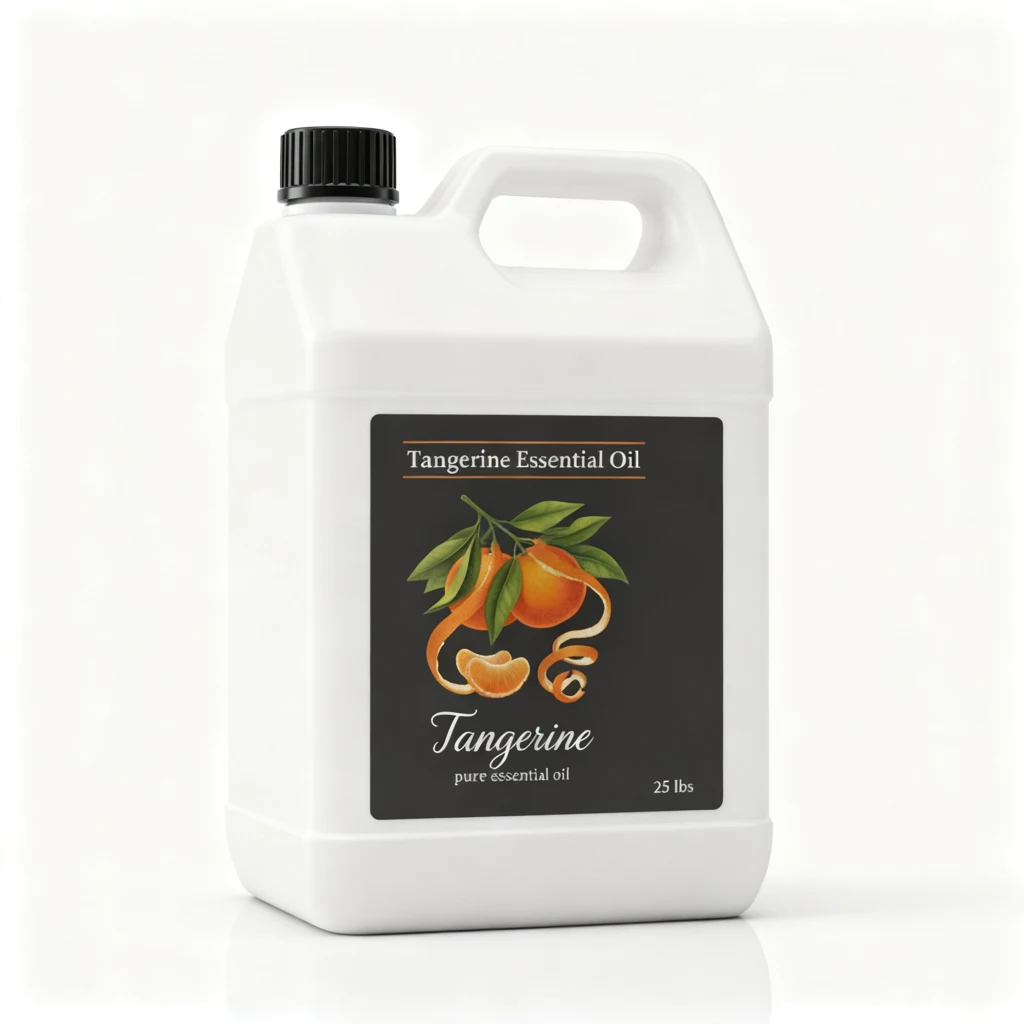
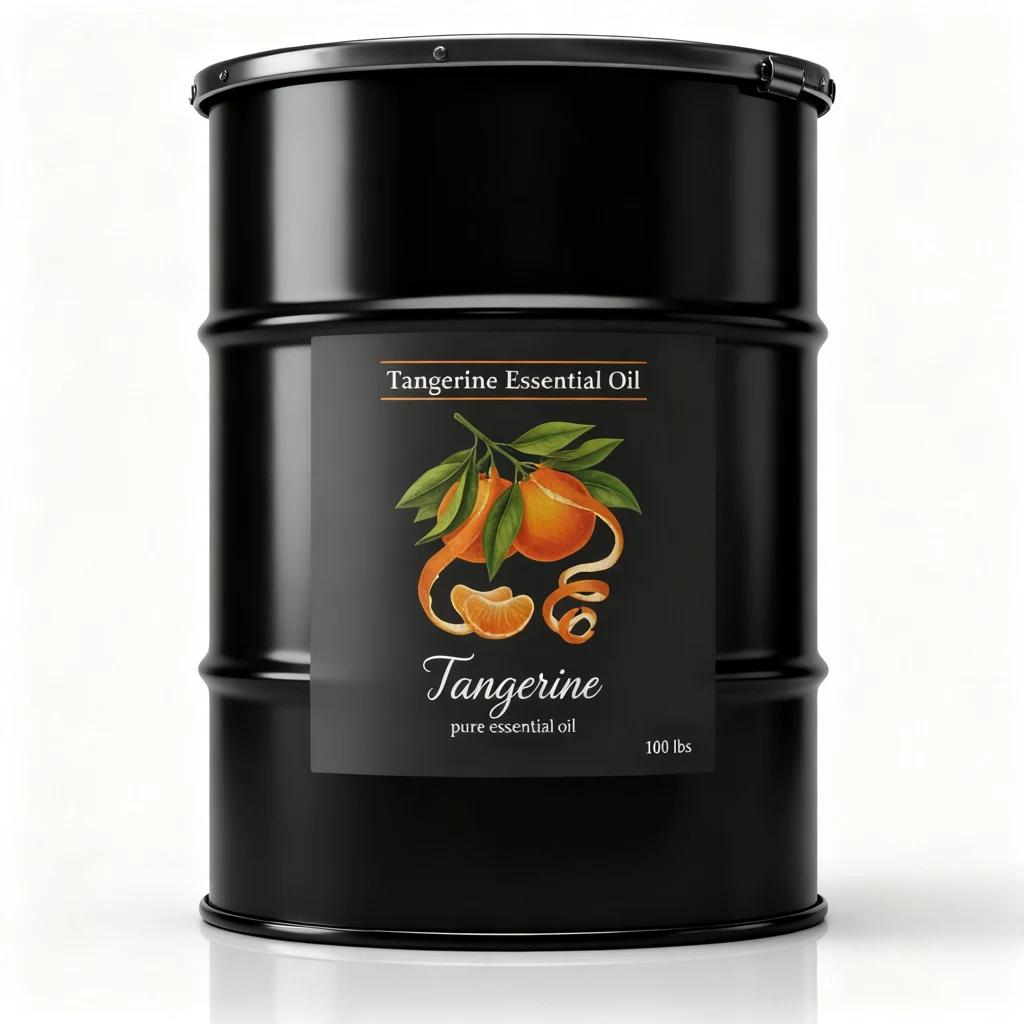
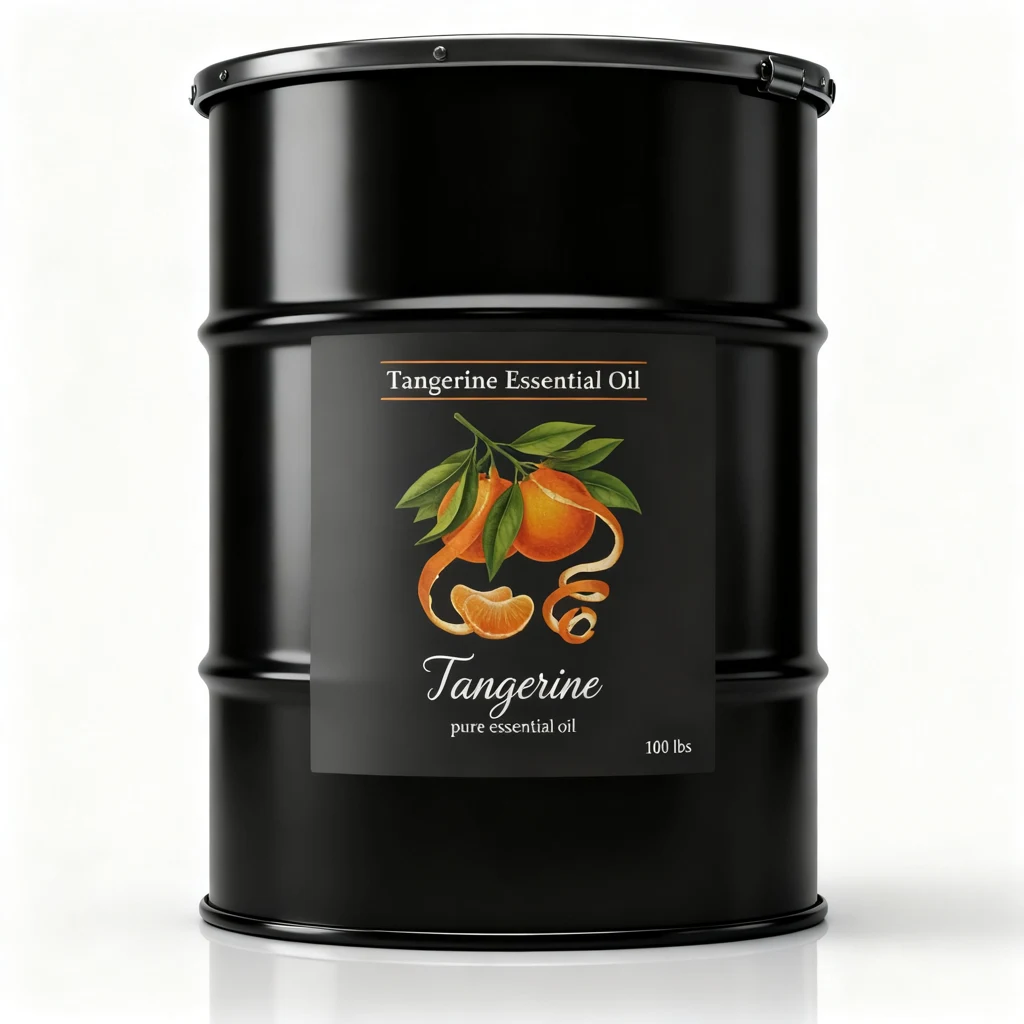
Soap houses, candle studios, and independent perfumers order tangerine oil by the pound once a recipe is set, since sampling in ounces gets expensive fast at production volume. Every bulk size, from 5 lbs up to 400 lbs, ships against the same certificate of analysis published for the 0.5 oz bottle, so ordering more never means knowing less.
Formulating cold-process or melt-and-pour bars at scale, where a consistent citrus top note needs to hold across every batch.
See the guide →Pouring container candles that need a bright citrus throw strong enough to stand up against wax and wick heat.
See the guide →Building citrus accords that call for a natural tangerine note instead of a synthetic stand-in.
See the guide →