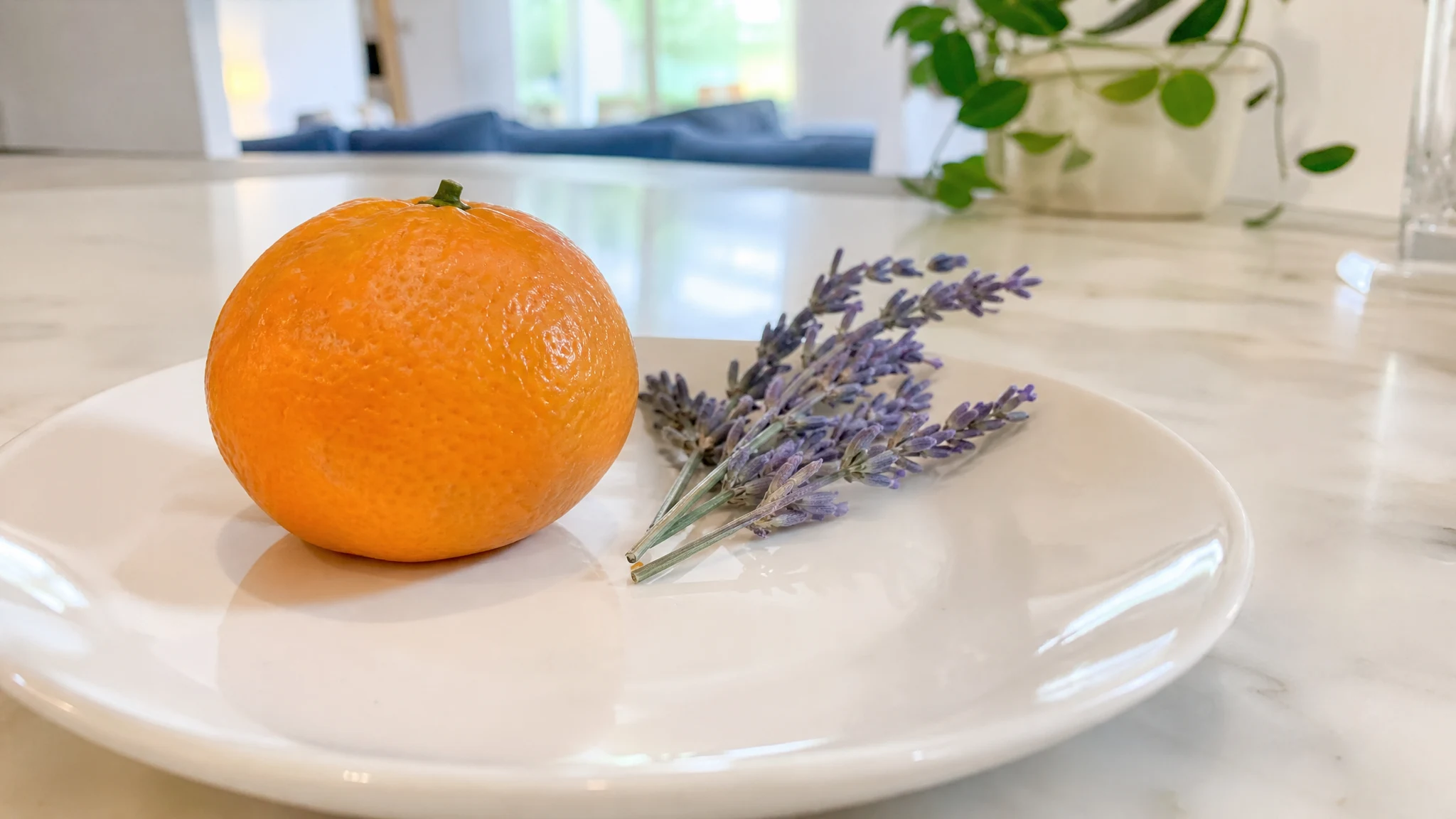
The Tangerine Family Tree: Why Names Get Muddled
Ask three citrus botanists what a tangerine is and you may get three answers. The fruit on your counter is no tidy wild species but the product of centuries of crossing and selecting, and even its name has been split, lumped and redrawn. That tangled history is part of what makes tangerine oil so interesting, and it explains why the label on a bottle tells you less than you might hope.
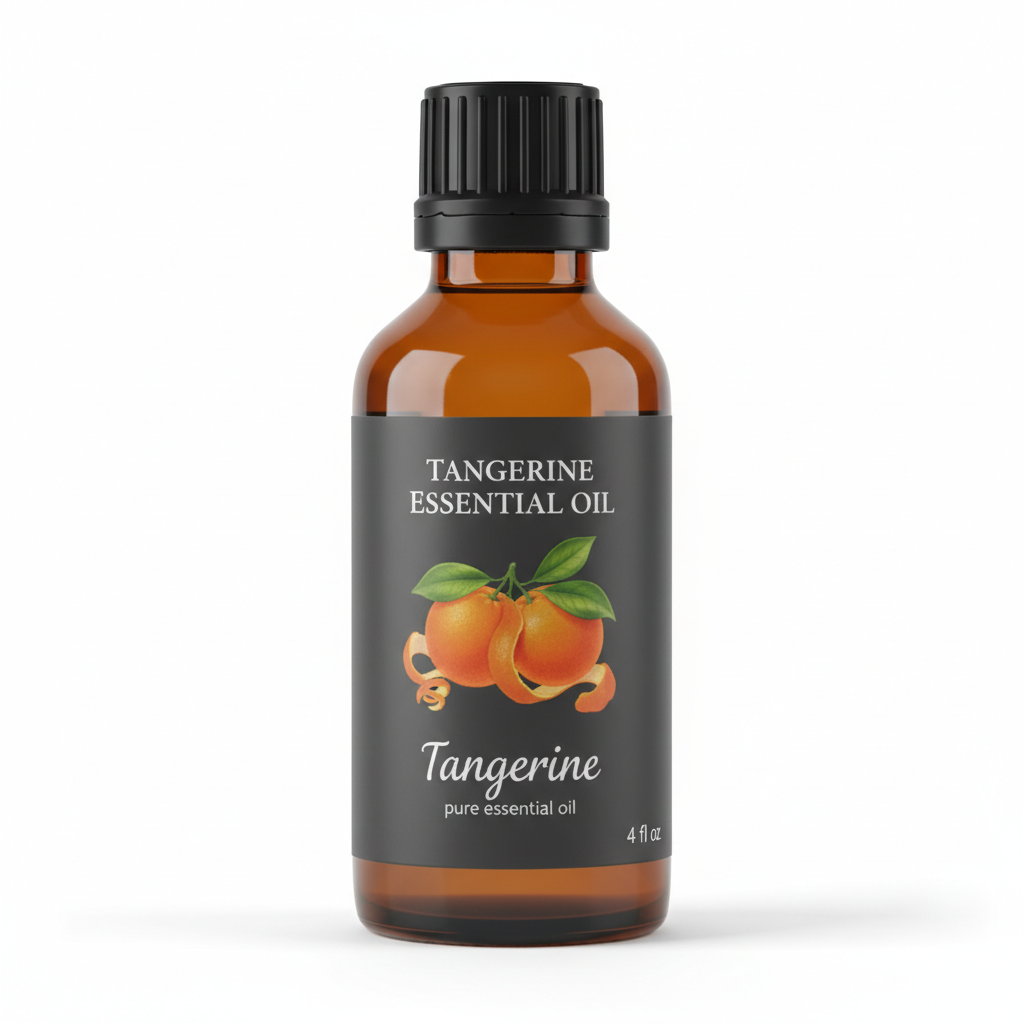
Tangerine Essential Oil
Our own Tangerine Essential Oil, in sizes from 0.5 oz to bulk.
From $12.99
Shop Now →A family that began in southeast Asia
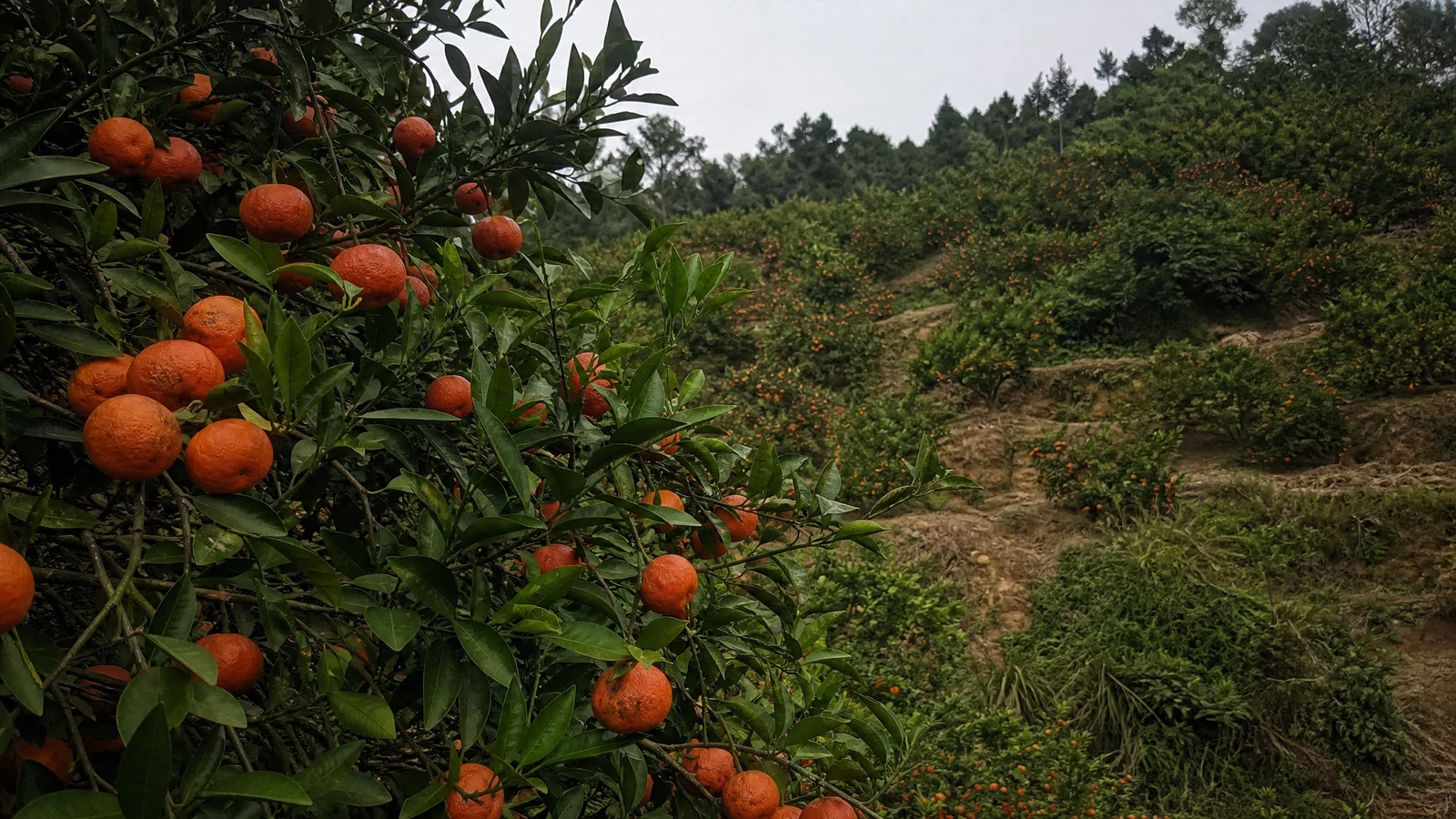
The most-cited genetic study is a 2018 paper in Nature that compared 60 citrus accessions, described ten natural species, and proposed that citrus diversified in southeast Asia in the late Miocene. It also traced the ancestry of familiar cultivars through a web of hybrids, reporting widespread pummelo ancestry among the mandarins, which the authors link to fruit size and acidity. We worked from the paper's abstract record. The practical reading is that a modern tangerine is a selected and re-selected hybrid, not a wild plant frozen in time.
A 2025 review of citrus genetic resources adds a longer timeline. It places the earliest citrus in the southeastern Himalayan region roughly 8 to 7 million years ago and cites a Chinese text from around 2000 BC describing two kinds of citrus, a large and a small, "possibly mandarin and pummelo", a hedge worth keeping. By the Nara era (AD 710 to 794) several mandarin-type fruits were already grown in Japan. And here is a detail we love: mandarins had not yet reached Europe when Linnaeus classified the genus Citrus in 1753. A fruit that now fills every supermarket in winter is a surprisingly recent arrival in European botany.
A fruit with a story
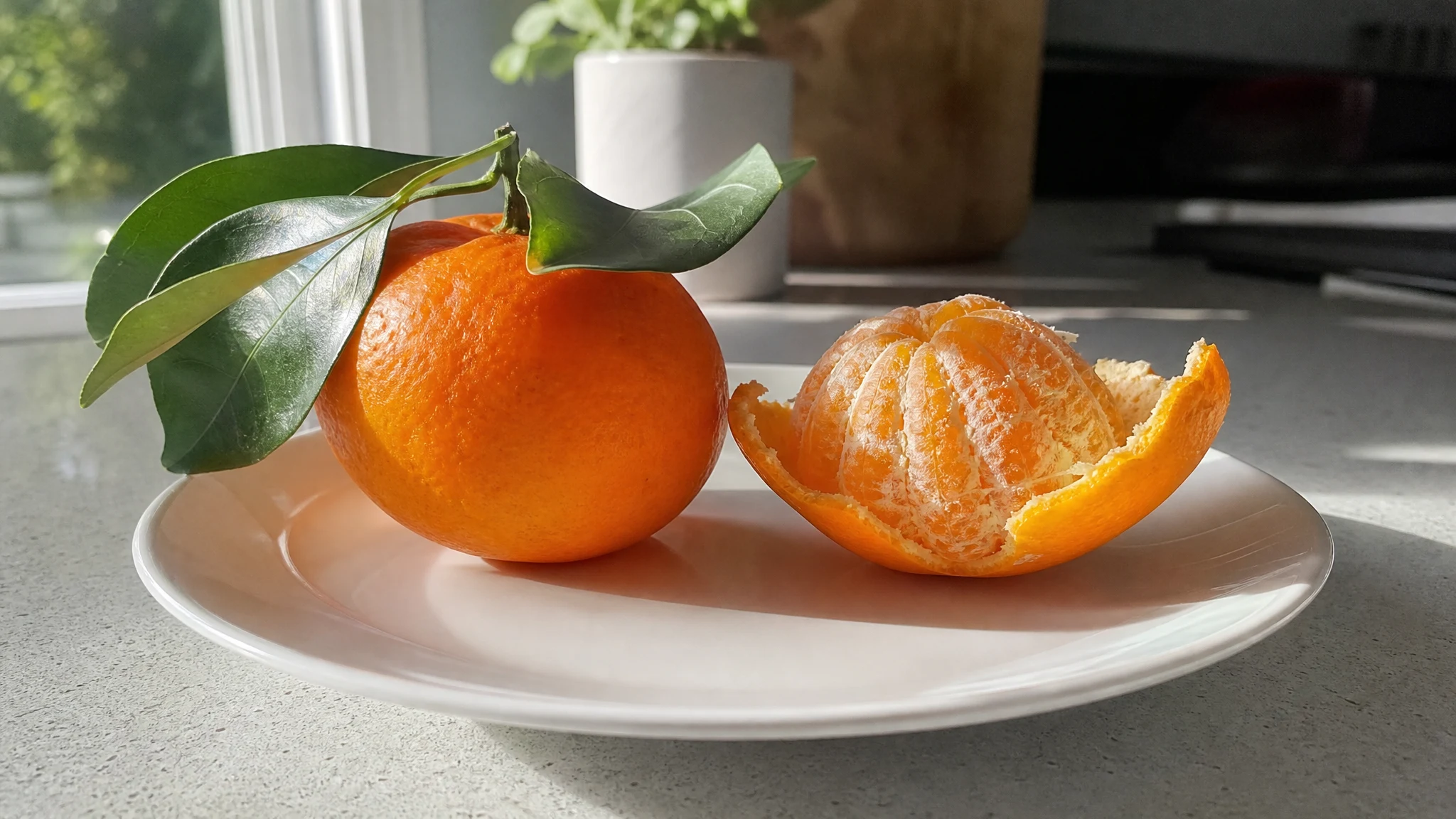
We love how much a simple piece of fruit carries. Pick up a tangerine and you hold something that has been carried along trade routes, crossed with its neighbours and chosen by generations of growers for the sweetness and the easy-peeling skin. That easy peel is what gives us the oil. Squeeze a strip of peel near a lamp or a sunny window and you can see the fine mist of oil spray out, then smell it, sweet and bright, on your fingers.
One fruit, many names
The same review explains why "tangerine" will not sit still. The botanist Swingle grouped related varieties together and recognized 16 species in the genus. Tanaka treated each distinguishable variety as its own species and recognized 162. Newer proposals draw the lines differently again, keeping the name Citrus reticulata for non-hybrid mandarins and gathering hybrids elsewhere. Trade literature inherits the split: a 2022 study of cold-pressed citrus oils lists tangerine as C. tangerina and mandarin as C. reticulata, while the European Food Safety Authority treats tangerines and satsumas as the same species as mandarin. In short, a Latin name on a bottle often shows which taxonomist the seller followed, not necessarily a different fruit. Our posts on tangerine versus mandarin and on what the oil is take that further.

There is a simple pleasure in this for anyone who likes oils. Smell a tangerine peel, then smell a sweet orange peel, then a mandarin if you can find one. They are cousins, and your nose will sort them quickly. Tangerine tends to be the sprightlier one, with that candy-bright edge, while the others lean softer or rounder. Doing this side by side at the fruit stand is a nicer lesson in citrus families than any diagram.
What mixed ancestry means in the bottle
If most mandarin-type fruit is a hybrid, the oils pressed from different fruit should not all look alike, and the measurements agree. The European Food Safety Authority's opinion on expressed mandarin oil sets a limonene specification of 65% to 80%, and ten production batches averaged 65.63%. A 2021 survey of oils bought online included one premium tangerine sample at 93.4% limonene, which its authors considered consistent with the tangerine literature. That is a single sample, so treat it as an illustration, not a range. Still, a gap of roughly 66% against 93% is just what you would expect if cousins sold under similar names have different parentage. Our chemistry post explains what that does and does not mean for aroma.
What history cannot tell you about a bottle
Family history is a fine story and a poor quality check. The same 2022 study found total furocoumarins in tangerine oil of 94.31 ppm for Brazilian samples and 1.95 ppm for Italian ones, a gap of nearly fifty times between oils sold under one fruit name. Its authors also say cold-pressed citrus oils are routinely adulterated because regulation and reliable authentication methods are limited. So when you choose an oil, ask about the batch in front of you: what documents exist, when it was pressed, how it should be stored.
The Certificate of Analysis we publish is for one batch and lists density, refractive index and optical rotation. If you need origin or composition information before you buy, ask us in writing through our contact page and keep the answer on file. For the finished aroma of the oil itself, our smell profile is the place to continue.
Next time you peel a tangerine, take a second to hold the peel to your nose before it goes in the bin. That is the whole family history, arriving as a smell.
What the genetics gives us is better than a tidy legend anyway: a bright, sweet fruit with a wonderfully complicated family, and an oil that carries some of that character into the bottle.
Tangerine Essential Oil
Tangerine Essential Oil from our own shop, in sizes from 0.5 oz to bulk.
From $12.99
Shop Now →Sources & Further Reading
- Genomics of the origin and evolution of Citrus.
- Genomics unlocks the potential of genetic resources for citrus breeding.
- Authentication of Citrus spp. Cold-Pressed Essential Oils by Their Oxygenated Heterocyclic Components.
- Safety and efficacy of a feed additive consisting of expressed mandarin oil from the fruit peels of Citrus reticulata Blanco for use in all animal species (FEFANA asbl)
- Type and magnitude of non-compliance and adulteration in neroli, mandarin and bergamot essential oils purchased on-line: potential consumer vulnerability.