Tangerine Oil as Bug Repellent? What to Know
Citrus smells are a familiar part of the bug-spray aisle, so it is natural to wonder whether a few drops of tangerine oil might keep mosquitoes away on a summer evening. We sell tangerine oil as a fragrance material and make no insect claim for it. What we can do is show you how to think about the question, because the rule that settles it has nothing to do with how nice something smells.
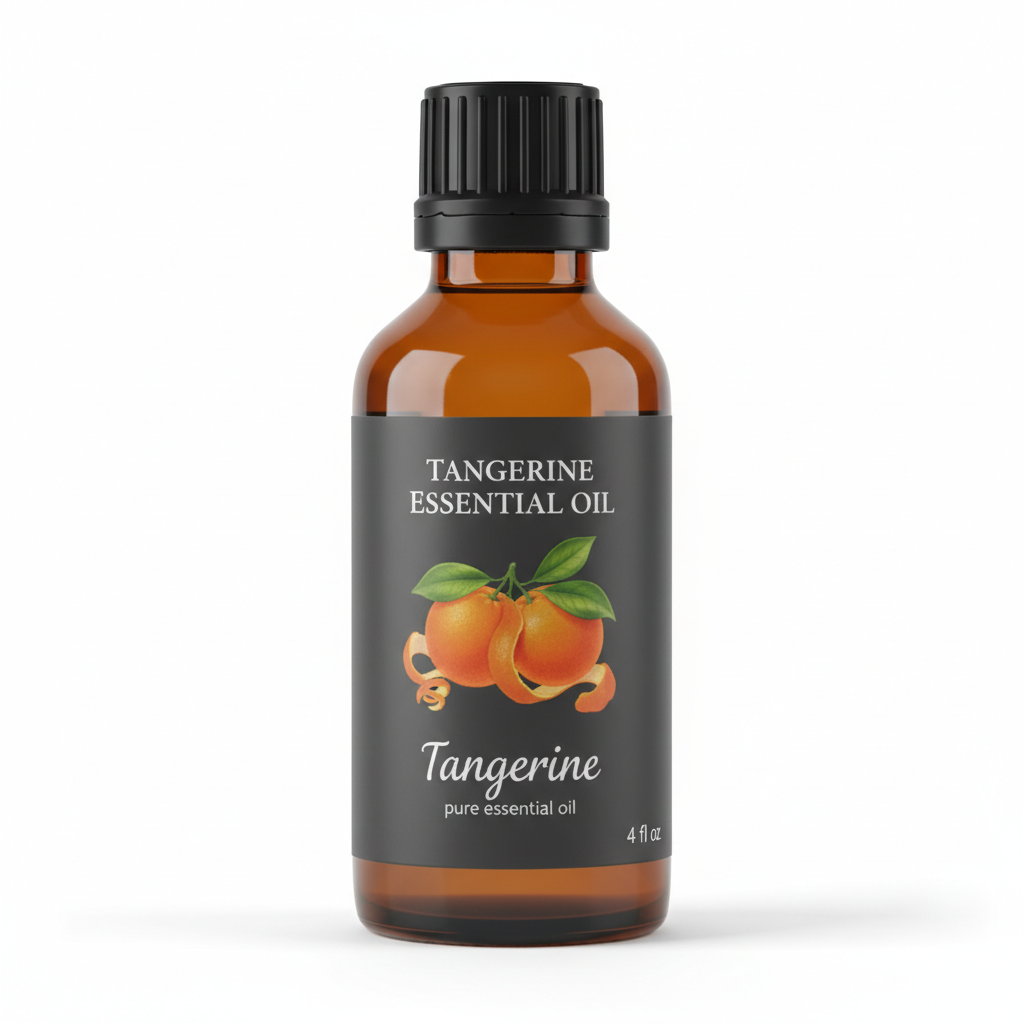
Tangerine Essential Oil
Our own Tangerine Essential Oil, in sizes from 0.5 oz to bulk.
From $12.99
Shop Now →The label that matters is a registration number
The US Environmental Protection Agency suggests looking for an EPA registration number on any repellent label. That number means the company provided the agency with technical information on the product's effectiveness, and the EPA notes that the Centers for Disease Control and Prevention recommends registered products. A fragrance oil, however lovely, has not been through that process for repelling anything.
Some plant oils can be sold as pest products without registration under a so-called minimum-risk exemption, 40 CFR 152.25(f). The list of permitted active ingredients includes cedarwood, cinnamon, citronella, clove, cornmint, garlic, geranium, lemongrass, peppermint and rosemary oils, among others. Looking through it, we did not see orange, mandarin, tangerine or limonene. That is a statement about a legal list, not about the oil. The EPA also says it is considering a proposal to remove personal mosquito and tick repellents from that exemption, because products meant to protect public health should be supported by evidence that they work against the target pest.
What a careful comparison found
Even a good repellent behaves differently outdoors than on paper. The EPA points out that effectiveness varies with perspiration, water exposure and air temperature, and that some people are simply more attractive to mosquitoes and ticks than others. That is one more reason to lean on tested products and not on guesswork.
The best-known head-to-head test of consumer repellents is a 2002 study in the New England Journal of Medicine. Fifteen volunteers tested seven botanical repellents, four DEET products, one IR3535 product, three wristbands and a moisturizer, in a controlled laboratory with the mosquitoes kept constant. A product with 23.8% DEET gave complete protection for an average of 301.5 minutes. A soybean-oil repellent managed about 94.6 minutes and the IR3535 product about 22.9. Every other botanical product averaged under 20 minutes, and the wristbands gave none. The authors concluded that non-DEET repellents could not be relied on for prolonged protection where mosquito-borne disease is a real threat.
The abstract does not say which plant oils were in the botanical products, so it cannot tell us how tangerine would have done. What it does show is the spread in the category: protection times can differ by a factor of fifteen or more between products. For a back garden, that gap is a convenience question. In a region with mosquito-borne illness, it is a health one.
What tangerine oil is good at
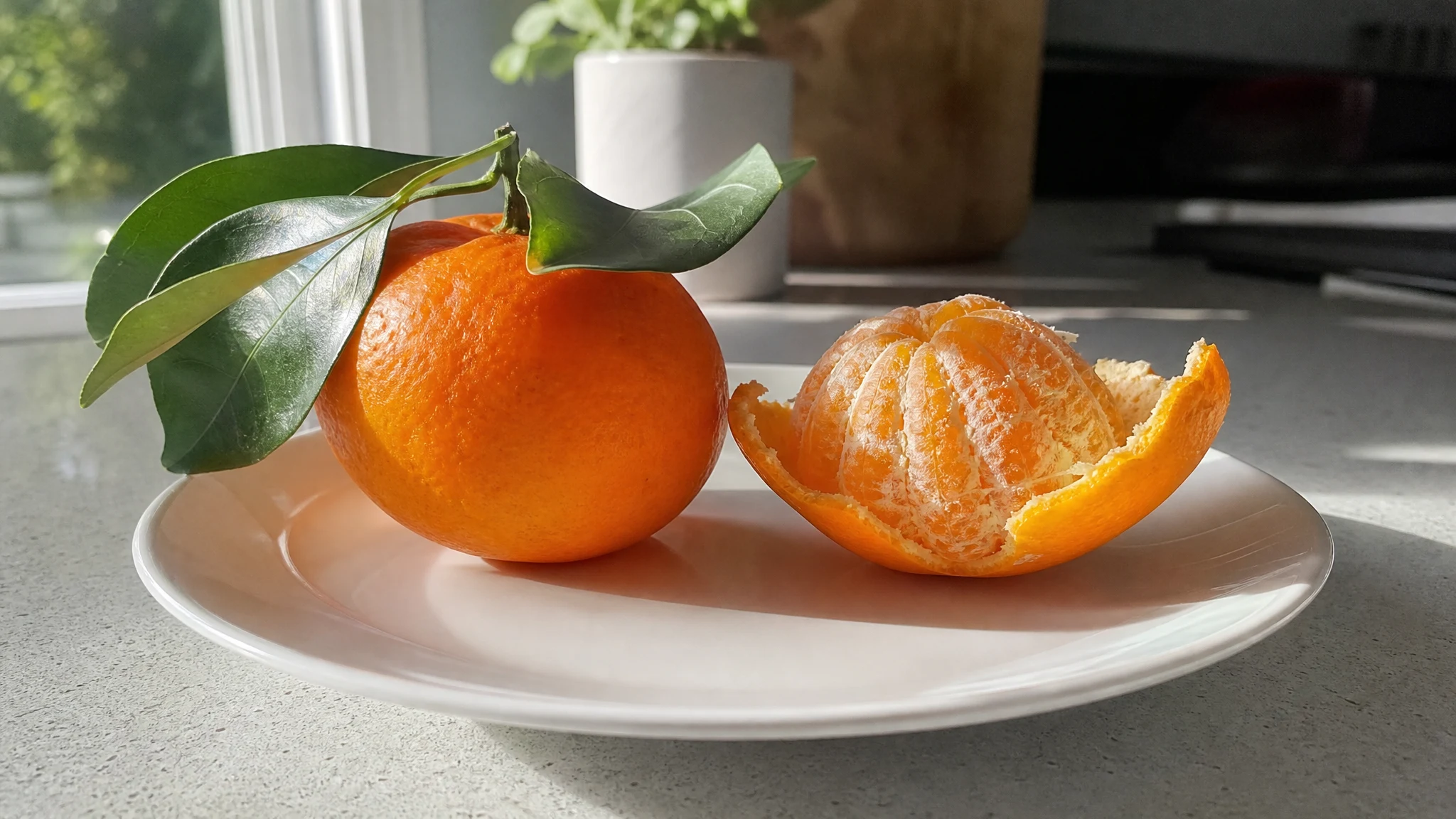
We would rather celebrate what the oil does beautifully. Open the bottle on a summer evening and you get juicy, candy-bright sweetness, the kind of smell that makes you think of a peeled fruit on a picnic blanket. Put a few drops in a diffuser on the patio table, or in a candle you enjoy, and the evening smells wonderful. That is the job we would give it, and it does it well.
Choosing sensibly
If disease is the worry, reach for a product that carries an EPA registration number and follow its label. Ask a pharmacist or physician what suits children, pregnancy or any medical condition. For fleas and ticks on dogs and cats, a veterinarian is the right guide, and an essential oil is not a substitute for what they prescribe. Our citrus pet guide explains why we are careful around animals. For a trail of ants in the kitchen, a pest professional or your county extension office can say what applies locally.
If the aim is simply to make an evening outdoors smell wonderful, tangerine oil does that very well. We recommend diluting to 0.5% to 2% in a carrier oil for skin, patch testing first, and keeping it away from eyes, children and pets; our safety overview has the details. Our kitchen post shows another place citrus scent shines, and the chemistry post explains what is in the oil.
Making an evening outdoors pleasant
For the evenings you spend outside, a few simple habits matter more than any scent. Sit where there is a breeze, since moving air is hard for small insects to fly through. Keep standing water out of your garden, tip out saucers and buckets, and wear light, loose clothing. Then, for the pleasure of it, add a scent you like.
If you enjoy the idea of a scented evening, a simple setup works nicely. Put a small bowl of fresh orange and tangerine peel on the table. It smells sweet, it costs nothing, and when you are done it goes straight into the compost. Nobody is claiming it keeps anything away; it just makes the table smell like summer.
What a fair test would need
Enjoy the fragrance for what it is, and let the proper repellent do its own job. Both can share the same summer evening.
For a tangerine oil to earn a repellent claim, someone would need to state its composition, the concentration on skin, the mosquito species, the number of people and the time to first bite, and run all of it against a registered product. That is reasoning from how the studies above were built, not a finding about our oil. Until it exists, we treat tangerine as what it plainly is: a bright, sweet, candy-citrus aroma, and a good one.
Tangerine Essential Oil
Tangerine Essential Oil from our own shop, in sizes from 0.5 oz to bulk.
From $12.99
Shop Now →Sources & Further Reading
- Using Insect Repellents Safely and Effectively | US EPA
- Personal Insect Repellents and Minimum Risk Pesticides | US EPA
- 40 CFR 152.25 - Exemptions for pesticides of a character not requiring FIFRA regulation. | Electronic Code of Federal Regulations (e-CFR) | US Law | LII / Legal Information Institute
- Comparative efficacy of insect repellents against mosquito bites.