Tangerine Oil Safety: Dilution, Freshness and Storage Tips
Tangerine oil is a joyful thing to have on the shelf, and a few simple habits keep it that way. It is a concentrated plant extract rather than a finished skincare product, and almost everything worth knowing about using it well comes down to four ideas: keep it fresh, dilute it, think about the sun, and store it out of reach.
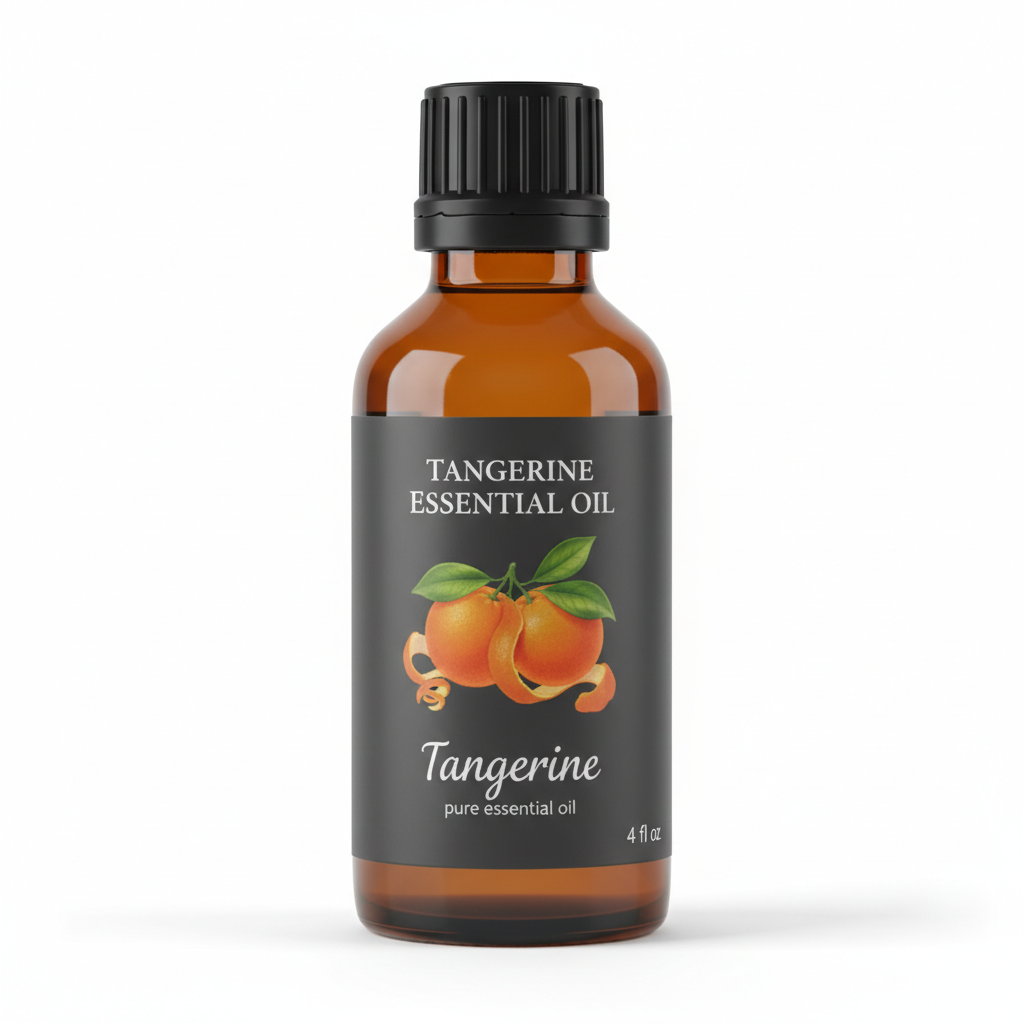
Tangerine Essential Oil
Our own Tangerine Essential Oil, in sizes from 0.5 oz to bulk.
From $12.99
Shop Now →Freshness is the quiet safety habit
Most of tangerine peel oil is limonene, and limonene is lovely when it is fresh. Exposed to air over time, it oxidizes, and the oxidation products are the part that can bother skin. In a large multicentre patch-test study of dermatitis patients, air-oxidized limonene produced positive reactions in a few percent of those tested, while the authors found fresh limonene to be a weak allergen at most (An international multicentre study on the allergenic activity of air-oxidized R-limonene. Contact Dermatitis, 2013). Those patients were already being tested for suspected allergy and the material was deliberately oxidized, so it says something about old oil, not about a fresh bottle.
The practical lesson is a happy one. The Tisserand Institute says most oils keep well for at least one to two years before oxidation takes effect, that refrigeration will about double their useful lifespan, and that citrus oils sometimes go cloudy as they oxidize (Is my bottle of essential oil oxidized or no longer good to use? - Tisserand Institute). We say the same on our own page: buy the size you will finish, keep the cap tight, and store it cool and dark. Our shelf-life guidance is typically 12 to 18 months under those conditions. If a bottle has turned cloudy or lost its sparkle, retire it from skin use.
What fresh tangerine oil looks and smells like
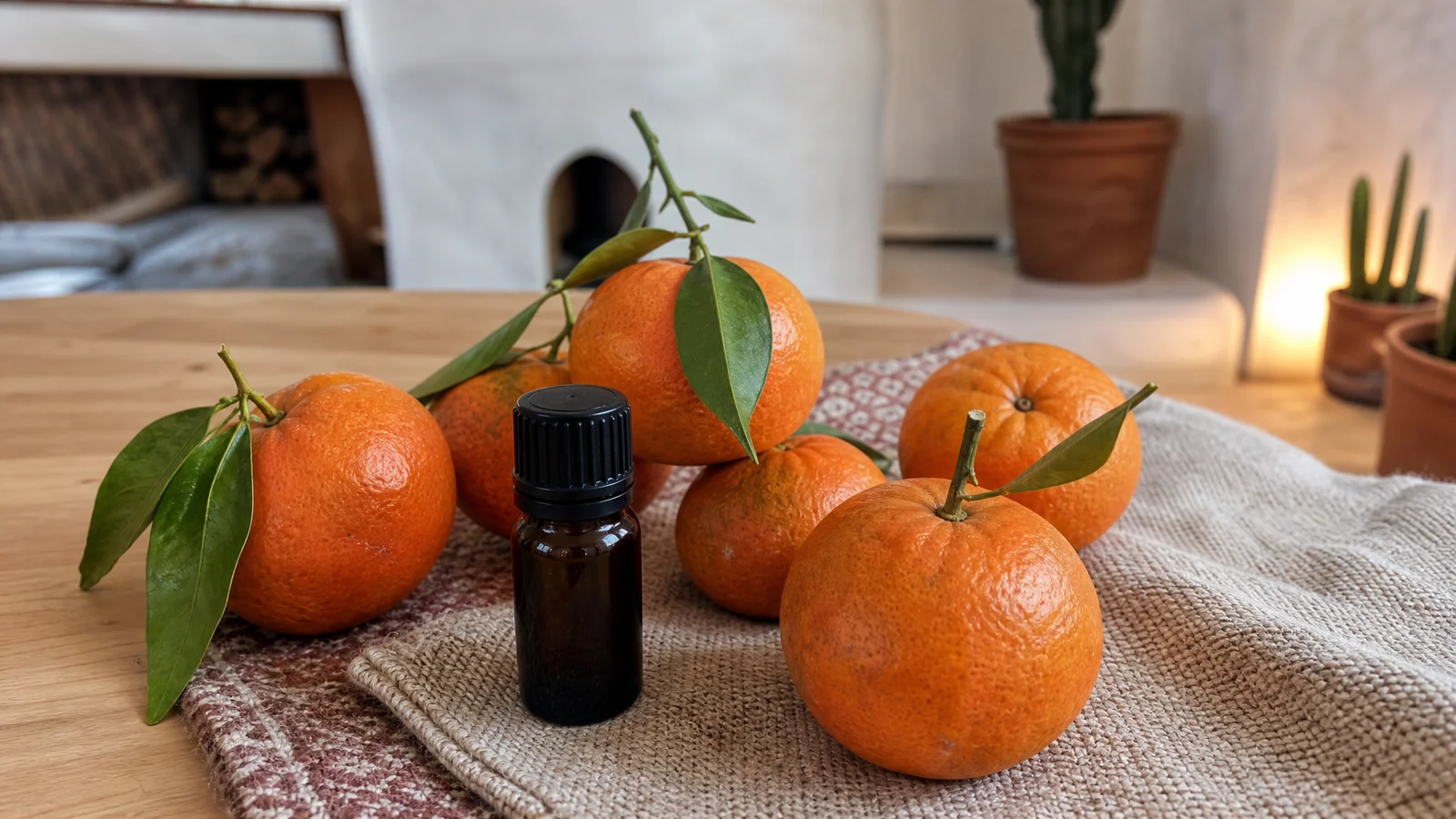
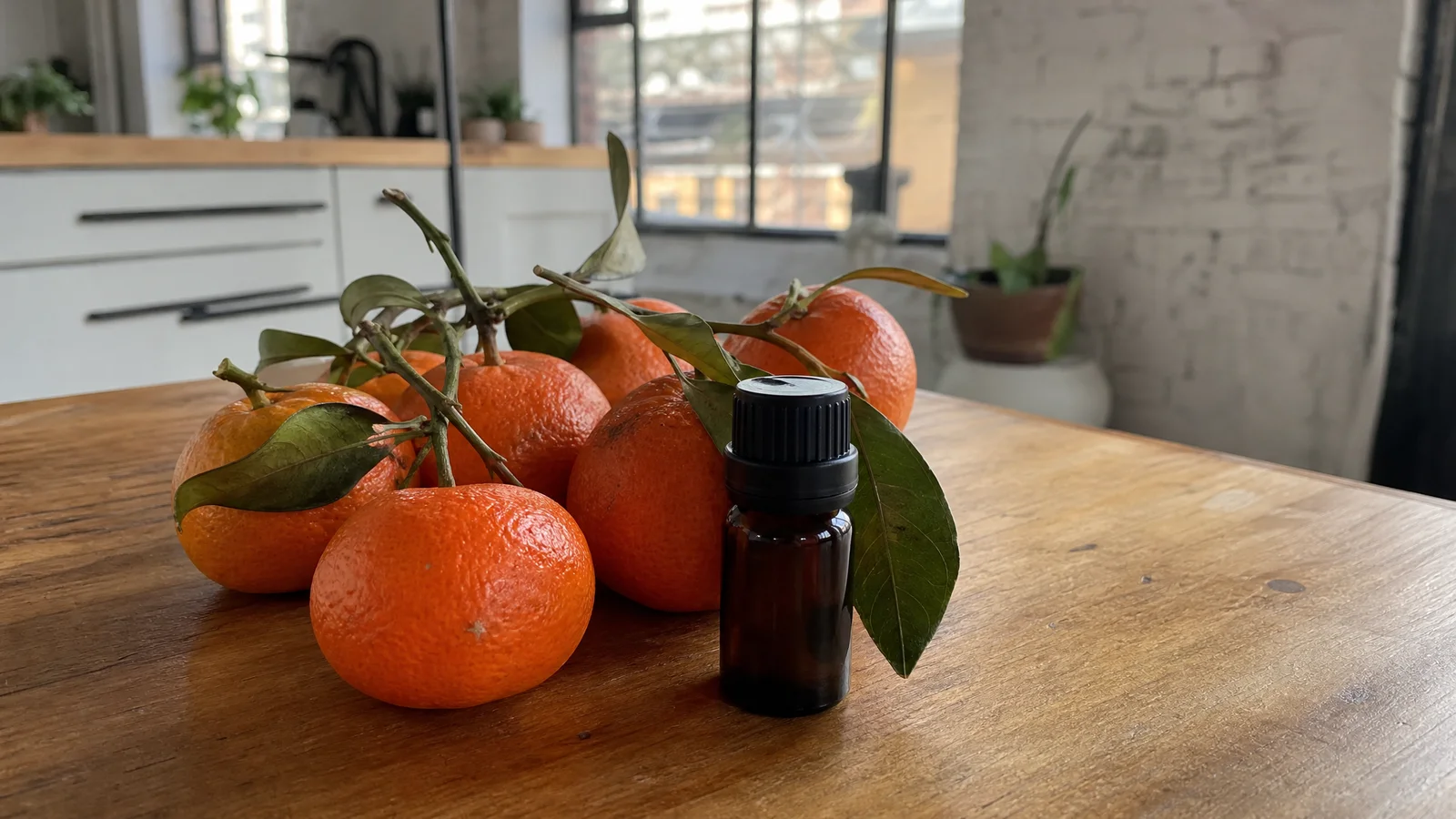
Open a fresh bottle and you will notice an orange liquid and a sweet, juicy smell that jumps out the moment the cap comes off. Over the months, watch for the sparkle dulling, a sharper or flatter smell, or a cloudier look. Those are your cues to retire the bottle from skin use. Trust your nose; it is the cheapest safety tool you own.
Dilute, then patch test
Tisserand's guidance is blunt and easy to remember: do not apply undiluted essential oils to your skin (How to Use Essential Oils Safely - Tisserand Institute). Our dilution guidance is 0.5% to 2% in a carrier oil, roughly 3 to 12 drops per ounce, and we recommend starting at the lower end, with the face and any lip product lower still. Higher percentages are not better, they are just more.
Before you use a new blend widely, patch test it. The American Academy of Dermatology suggests a quarter-sized spot on the inside of the elbow or underside of the arm, applied twice daily for seven to ten days (How to test skin care products - American Academy of Dermatology). If redness, itching or a rash appears, stop and wash the area. Keep oils away from the eyes; diluted oil may be used near them, but undiluted oil should never be dripped into them (How to Use Essential Oils Safely - Tisserand Institute). Our dilution guide shows the arithmetic.
A calm word about sun
Cold-pressed citrus oils can make skin more sensitive to light, and the amount varies a great deal between oils. IFRA's standard on citrus oils lists cold-pressed tangerine at a typical 50 ppm of phototoxic furocoumarins, a level it says is not high enough to need special restriction when the oil is used alone (IFRA Standard: Citrus oils and other furocoumarins containing essential oils (Amendment 49, 2020)). The oils it does restrict, such as expressed bergamot and cold-pressed lemon, are in a different league. Even so, we advise avoiding sun on freshly applied areas, and that is the habit we would follow: put tangerine blends on in the evening and keep the question simple. Our longer note on citrus and sunlight covers it fully.
Setting up a shelf that makes safe habits easy
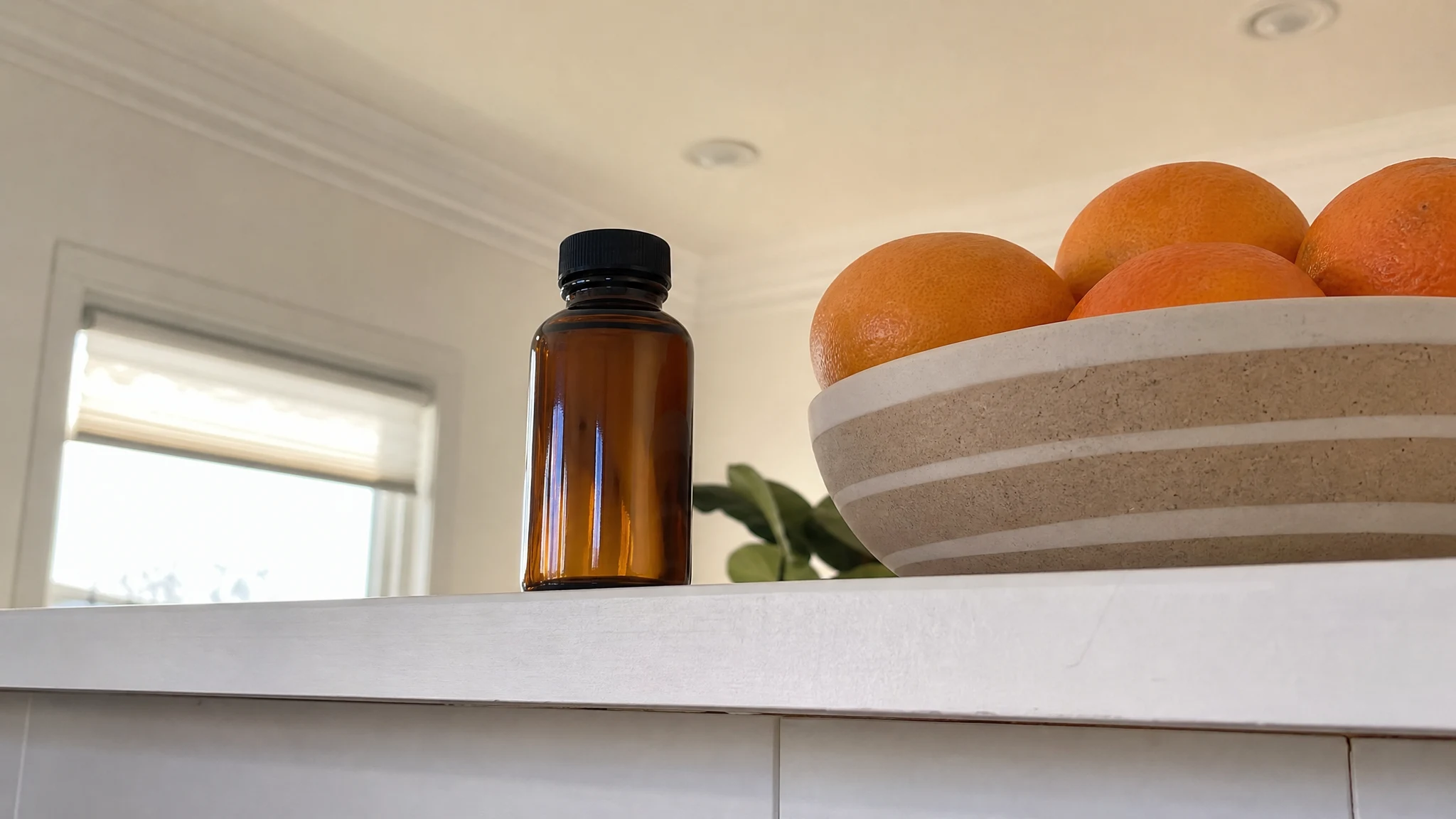
The easiest safety routine is the one you do not have to remember. Pick one spot for your oils, high up, out of the light and away from the stove and the sunny windowsill, and put them back there every time. Keep the cap snug after every use, because a loose cap lets the bright top notes drift off and lets air in. Give each blend you mix its own label with the date and the percentage, so a bottle in the bathroom cabinet never turns into a mystery.
Children, pets and swallowing
Tangerine oil is for external and aroma use, and we never recommend taking it internally. Poison control reminds families that essential oils can be poisonous when misused, and that bottles should be locked away from children (Essential oils: Poisonous when misused | Poison Control). Pets deserve the same care: the Pet Poison Helpline says cats and birds are at the greatest risk from essential oils, with swallowing the highest-risk route, then skin, then breathing (Essential Oils | Pet Poison Helpline). If a cat or bird shares your home, ask your veterinarian before diffusing, and keep bottles closed and out of paw reach. We go into more detail in our posts on children and dogs and cats.
If you are pregnant, nursing or managing a medical condition, check with your physician before using any essential oil on your skin. We sell tangerine oil as an external cosmetic oil, and a clinician is the right person for anything health-related.
Fresh oil, a gentle dilution, an evening routine and a high shelf: that is the whole recipe for enjoying tangerine oil with confidence.
Tangerine Essential Oil
Tangerine Essential Oil from our own shop, in sizes from 0.5 oz to bulk.
From $12.99
Shop Now →Sources & Further Reading
- An international multicentre study on the allergenic activity of air-oxidized R-limonene. Contact Dermatitis, 2013
- Is my bottle of essential oil oxidized or no longer good to use? - Tisserand Institute
- How to Use Essential Oils Safely - Tisserand Institute
- How to test skin care products - American Academy of Dermatology
- IFRA Standard: Citrus oils and other furocoumarins containing essential oils (Amendment 49, 2020)
- Essential oils: Poisonous when misused | Poison Control
- Essential Oils | Pet Poison Helpline