Using Tangerine Oil on Skin: Dilution and Patch Testing
Some parts of a skin routine are about results, and some are simply about pleasure. Tangerine oil belongs firmly in the second group: it is there for the way it smells, a vivid, juicy, candy-bright citrus that lifts a blend the moment you open the bottle. We sell it as an aroma material and make no claim that it changes your skin, so this is a guide to using it well rather than to expecting more from it.
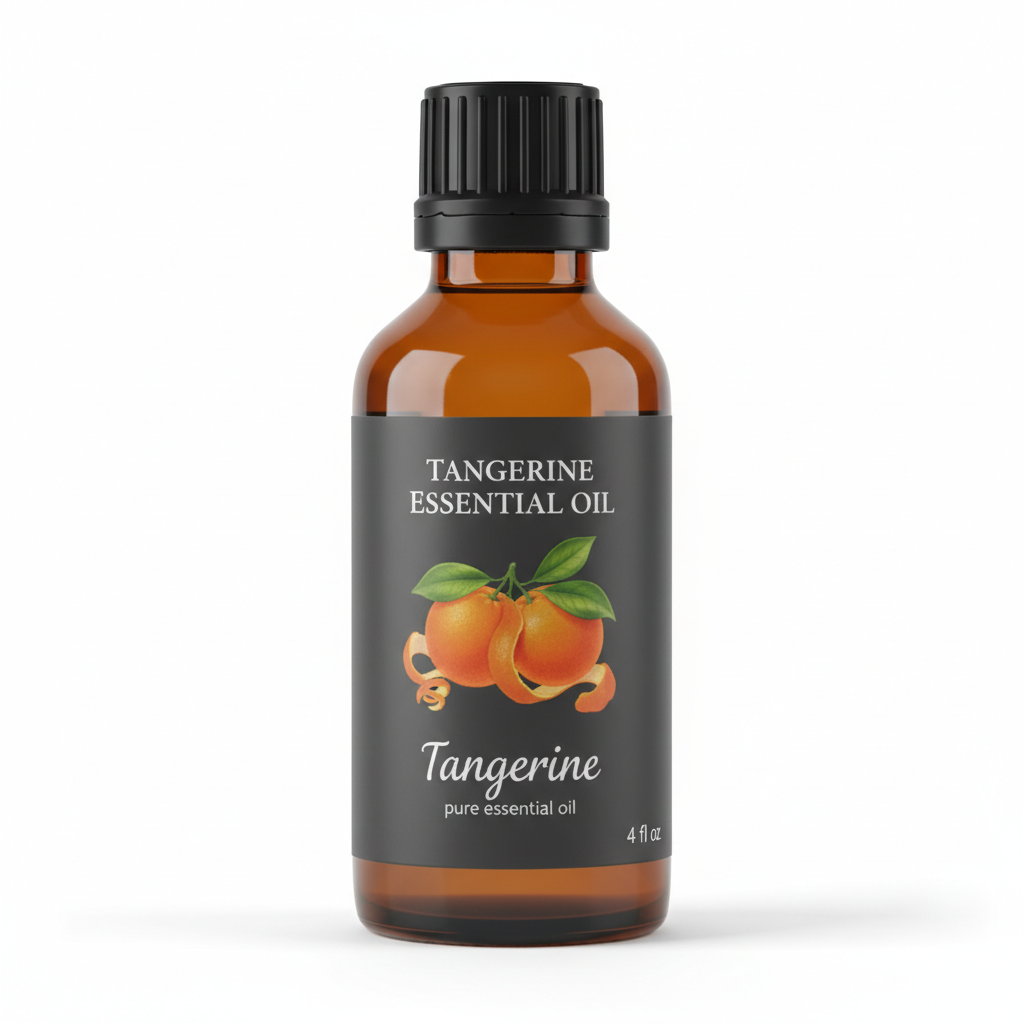
Tangerine Essential Oil
Our own Tangerine Essential Oil, in sizes from 0.5 oz to bulk.
From $12.99
Shop Now →Think of it as the top note
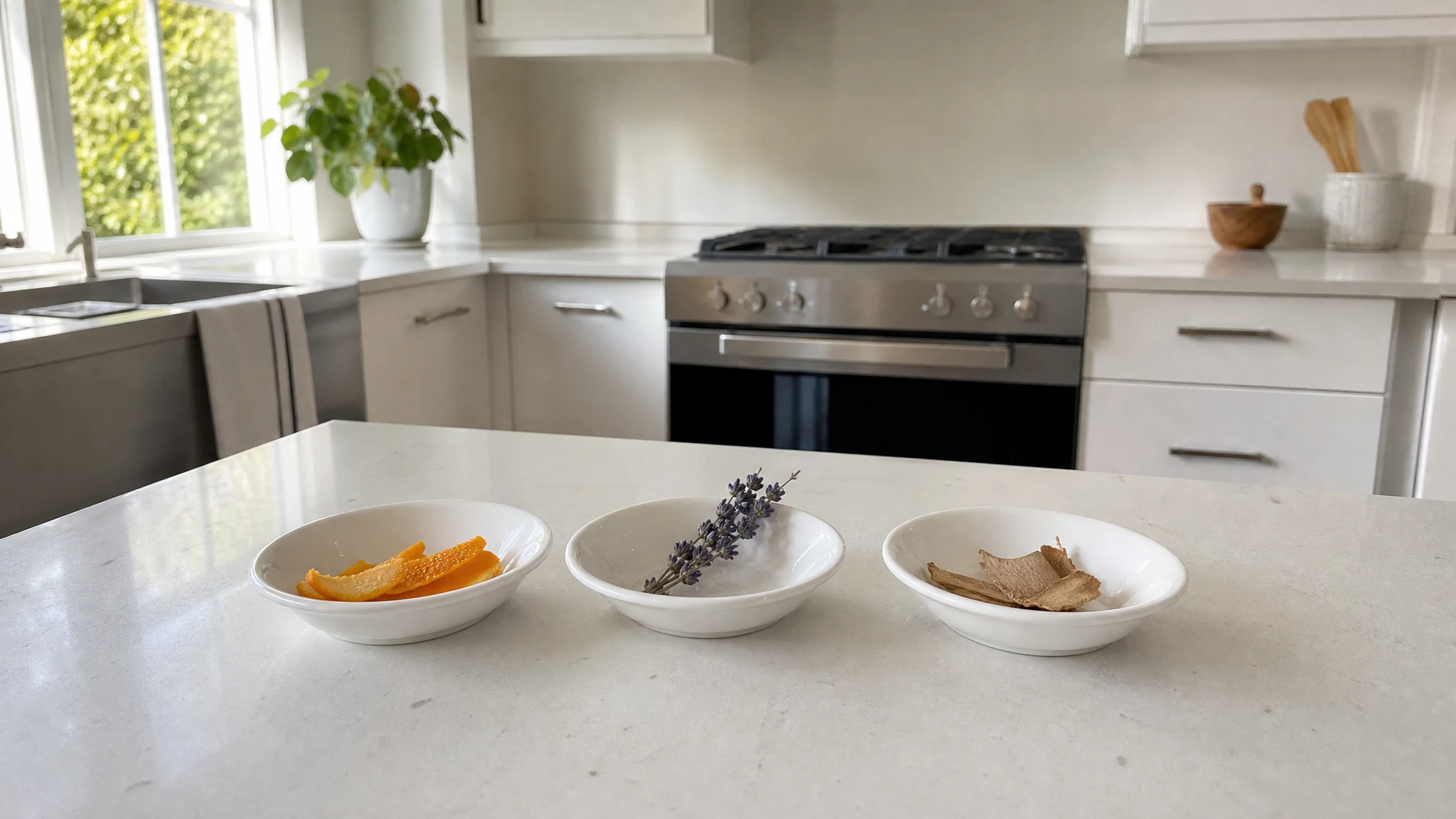
In perfumery terms tangerine is a top note, the sparkle that greets you first and fades first. That is useful to know before you put any in a lotion or body oil. You are adding a bright opening, not a lasting base, and a little goes a long way. It pairs happily with vanilla, cinnamon, neroli, sweet orange, bergamot and ylang ylang, which you will find at a craft or supply shop, since we sell tangerine on its own.
Dilute first, always
Our tangerine oil is sold neat, so the dilution is yours to make. We recommend 0.5% to 2% in a carrier oil such as jojoba or sweet almond, and we suggest starting at the low end. The arithmetic is gentle: an ounce of carrier is about 30 ml, so 0.5% works out to roughly 0.15 ml of oil and 2% to roughly 0.6 ml, which is where the familiar 3 to 12 drops per ounce comes from. Droppers vary a lot, so weighing is more reliable than counting. For the face, our face oil formulation sticks to the bottom of that range, and our dilution walk-through shows the conversion step by step. Carrier oils are a purchase from a craft supplier or pharmacy, and our carrier comparison helps you choose.
What you will notice on the skin
Smell your wrist a minute after applying a diluted blend, and again after ten. You will notice the first bright burst thin out into something softer and sweeter, which is exactly what a top note does. If you want it to be noticeable longer, the answer is a heavier partner in the blend, not more tangerine.
How to add it to something you already own
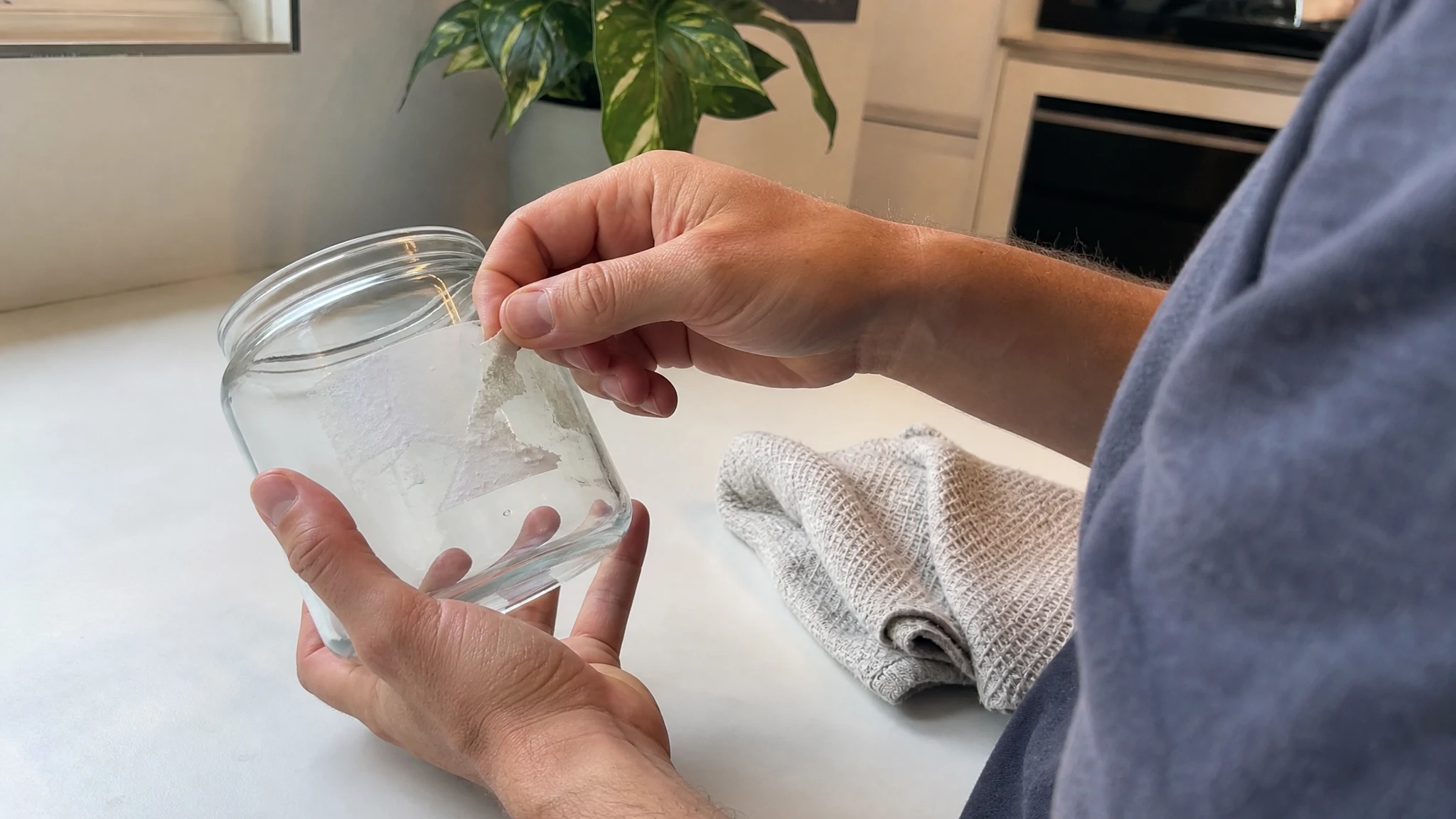
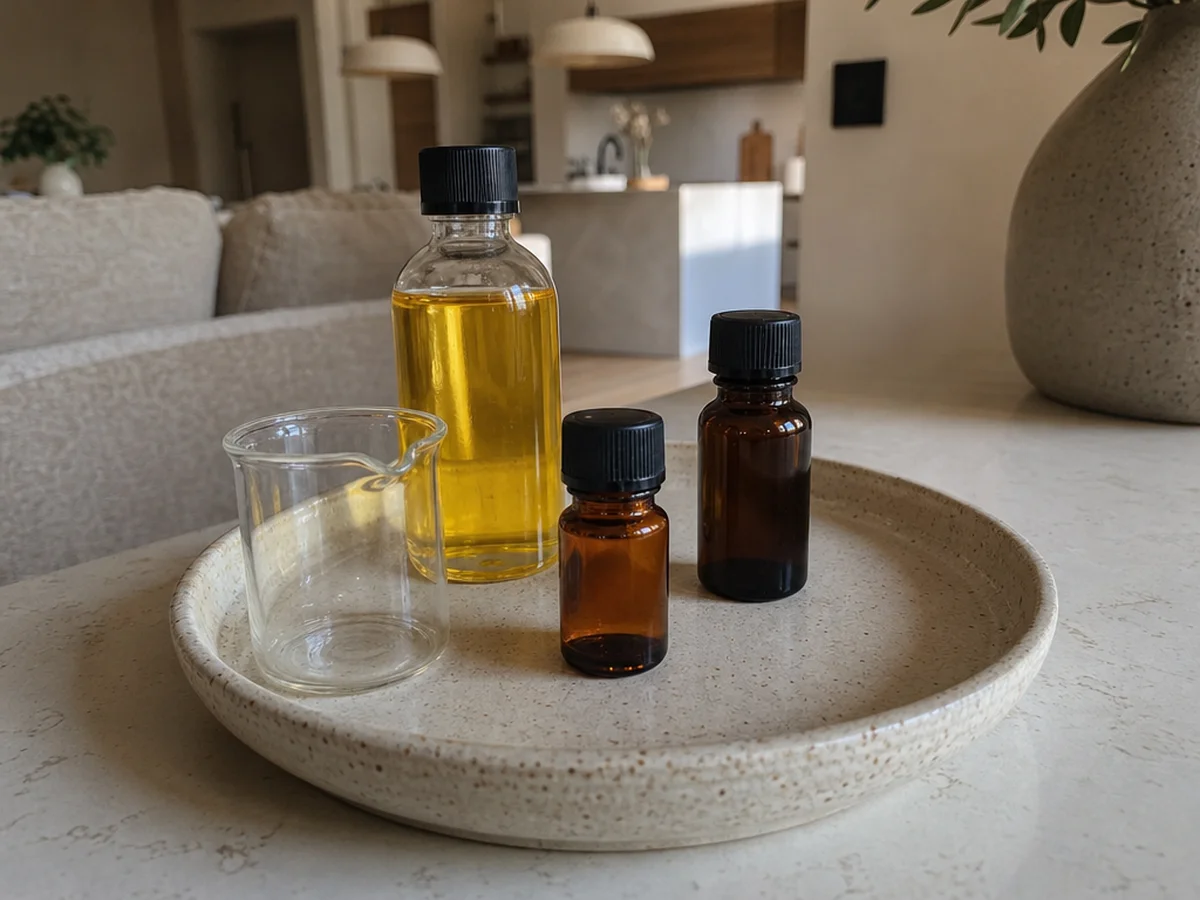
If you make your own body oil, pour your carrier into a clean bottle first, add the tangerine, cap it and turn the bottle gently over a few times. Do it in good light so you can see the oil disperse, and label the bottle with the date and the percentage before you do anything else. Smell it on a tissue before it ever touches your skin, and write what you did on the label so the next batch can be a touch more or a touch less.
A young bottle is a happy bottle
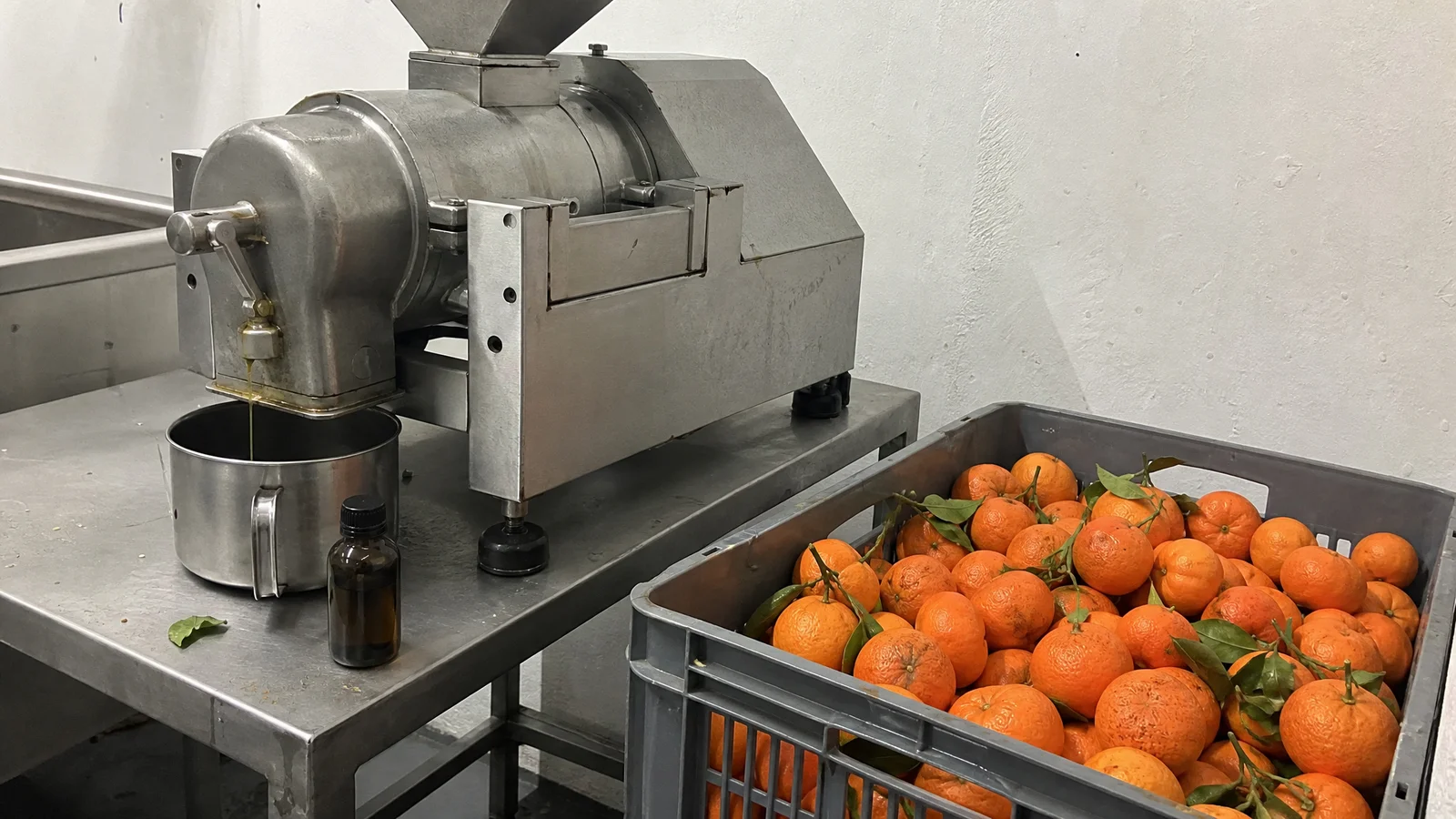
Citrus peel oil is mostly limonene, and limonene reacts with oxygen over time. That matters on skin. In animal work from the early 1990s, limonene that had been exposed to air could sensitize guinea pigs while fresh limonene did not, and the authors named oxidation products such as carvone and limonene oxides among the culprits (Karlberg and colleagues, 1992). A later international study patch tested 2,900 people who were already being investigated for dermatitis with oxidized limonene, and 5.2% reacted (Bråred Christensson and colleagues, 2013). Those were dermatitis patients and an oxidized test material, so the number is not a rate for ordinary use. Its message is simple: freshness is part of gentle skincare.
The Tisserand Institute says oils generally keep at least one to two years before oxidation becomes a concern and that refrigeration roughly doubles that. We describe a tightly capped bottle kept away from sunlight and warmth as typically staying vibrant for 12 to 18 months. Write the date you opened it on the label, keep the cap on, and our storage guide covers the rest.
Patch test the blend you plan to wear
The American Academy of Dermatology describes a home patch test as a quarter-sized spot on the underside of the arm or the bend of the elbow, with the product applied as you would normally use it, twice a day for 7 to 10 days. Test the diluted blend rather than the oil on its own, and repeat if you change the carrier or the percentage. If anything turns red, itchy or swollen, wash it off and stop.
A sensible habit for sunny days
We advise keeping freshly applied citrus blends out of direct sun. The authorities describe tangerine as a mild case. IFRA's standard on citrus oils lists cold-pressed tangerine at a typical 50 ppm of furocoumarins and says that is not high enough to need special restrictions when used alone, while capping the key compound at 0.0015% (15 ppm) in a finished leave-on product. By our arithmetic, 0.5% oil would contribute about 0.25 ppm and 2% about 1 ppm. Lots differ, though: a 2022 screen of cold-pressed citrus oils found total furocoumarins in Brazilian tangerine at 94.31 ppm and Italian at 1.95 ppm. So we keep the habit, since it costs nothing, and our sun post goes deeper.

When to choose something else
If you have eczema, a known fragrance allergy or a rash nobody has examined, leave scented leave-on products alone and ask a dermatologist. If you are pregnant or nursing, or have a medical condition, check with your physician first; our safety guide covers pregnancy, children and pets.
Used this way, tangerine oil is a small, cheerful scent note in a product you already enjoy: diluted, fresh, patch tested and kept out of the midday sun.
Tangerine Essential Oil
Tangerine Essential Oil from our own shop, in sizes from 0.5 oz to bulk.
From $12.99
Shop Now →Sources & Further Reading
- How to test skin care products
- Air oxidation of d-limonene (the citrus solvent) creates potent allergens.
- An international multicentre study on the allergenic activity of air-oxidized R-limonene.
- Is my bottle of essential oil oxidized or no longer good to use? - Tisserand Institute
- IFRA Standard: Citrus oils and other furocoumarins containing essential oils (Amendment 49)
- Authentication of Citrus spp. Cold-Pressed Essential Oils by Their Oxygenated Heterocyclic Components