Tangerine Oil in Laundry: A Safer Way to Scent
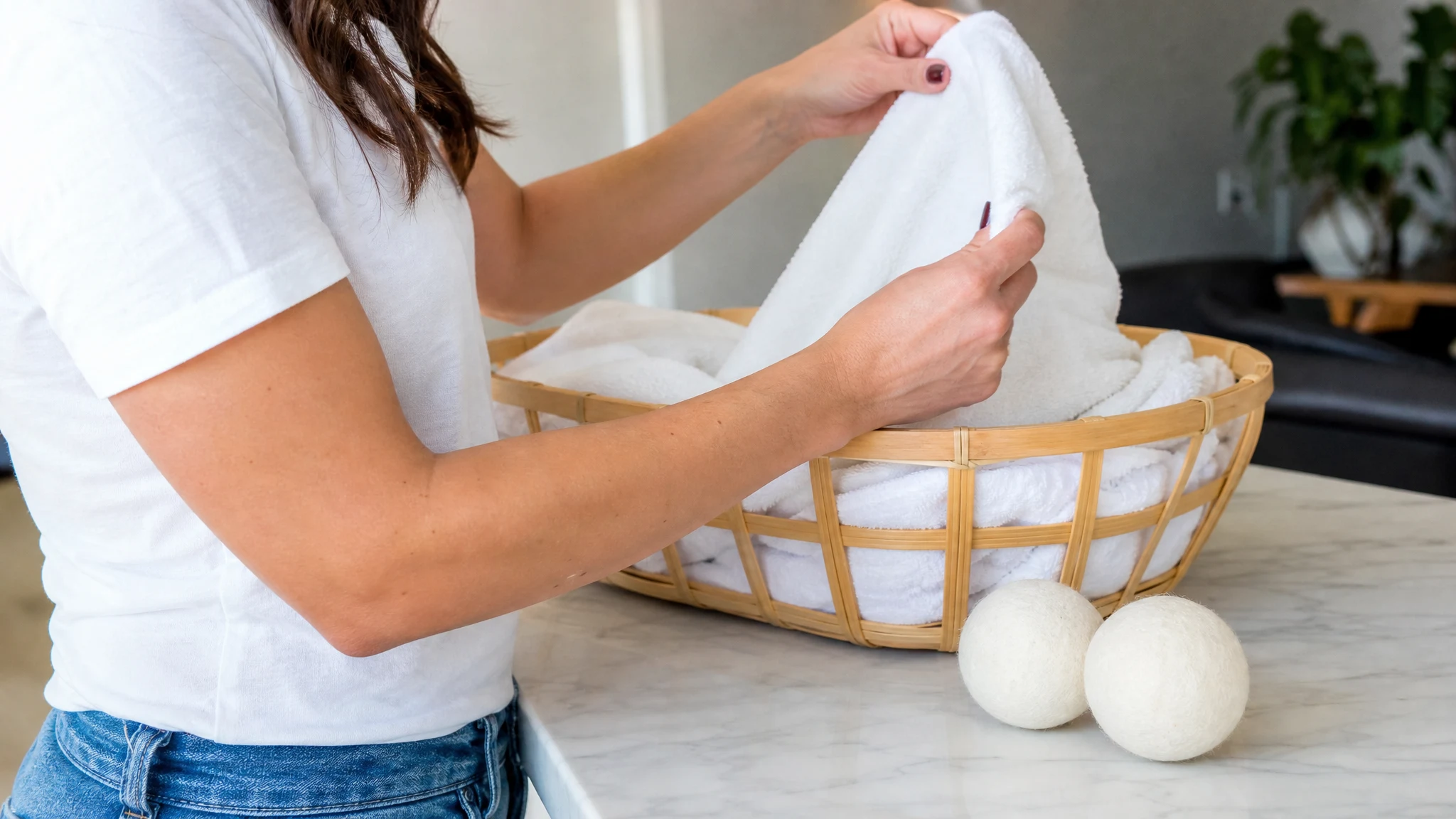
A basket of laundry that smells like a citrus grove is a lovely idea, and wool dryer balls with a few drops of tangerine oil are the usual way people try to get it. Our advice is to keep the idea and change the method: scent the room where the clean laundry lives, and leave oil off anything that goes into a hot dryer.
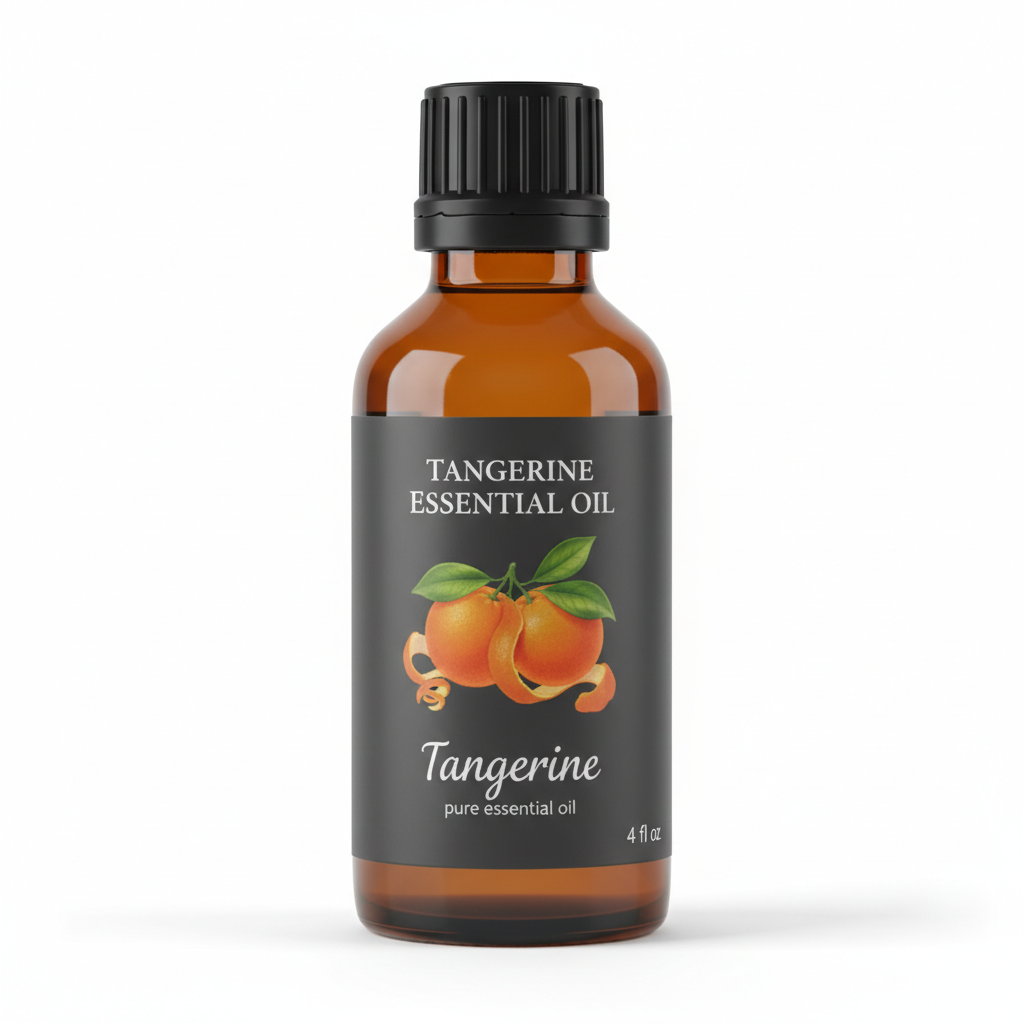
Tangerine Essential Oil
Our own Tangerine Essential Oil, in sizes from 0.5 oz to bulk.
From $12.99
Shop Now →What fire investigators have documented
Fire services have a well-known file on oily cloth and dryers. In one 2009 case the City of Madison Fire Department attributed a house fire to spontaneous combustion of oily rags in the dryer, after towels soiled with cooking oils and grease had been dried. The release notes that vegetable oils self-heat, which can happen during drying or even after the laundry has been taken out of the dryer. Those reports are about cooking oils, not essential oils, and that distinction matters in both directions. The practical point is that no fire-service material we read names a quantity of any oil below which a heated load is simply fine, so there is no margin to lean on.
Why citrus oil deserves its own caution
Essential oils are volatile, so some of the oil will leave the wool as vapour, and the vapour is flammable. Limonene is the main component of citrus peel oils. PubChem lists a closed-cup flash point of 45 C (113 F) for it, citing the National Fire Protection Association's 2010 guide. The European Food Safety Authority specifies expressed mandarin oil at 65% to 80% d-limonene, with ten production batches averaging 65.63%. Reasoning from those two facts, tangerine oil's own flash point is probably in the same neighbourhood as limonene's. That is an inference, not a measurement of our oil. It is enough to explain why a warm drum, tumbling fabric and a coating of oil is not a combination we would encourage.
The usual reassurance is that it is only a few drops. As arithmetic: one batch of ours measured a relative density of 0.846, so a drop of roughly 0.05 ml weighs about 42 mg, and three drops on each of three balls is about a third of a gram. That is small for a single load. Wool balls are reused, though. Three drops a load for 100 loads is about 300 drops, near 15 ml of oil passing through the same wool, and no source tells us how much of it stays behind.
A second reason: what touches your skin
Limonene also reacts with air. Karlberg and colleagues found in 1992 that air-exposed limonene sensitized guinea pigs while unexposed limonene did not, and a six-country study of 2,900 dermatitis patients found 152 of them reacting to oxidized R-limonene in patch tests, about 5.2% by our arithmetic. Those studies tested chemicals on animals and on people already being investigated for dermatitis, not laundry. Applying them here is our reasoning: a thin film of oil on warm, tumbling cotton is a long way from cool, dark, capped storage, and sheets and towels sit against skin for hours.
Where the scent does the most good
Think about when you actually notice laundry smell: the moment you open the cupboard, fold a warm towel or smooth a fresh sheet. That is the moment to aim for, and you do not need to put oil in the dryer to get it. A little scent in the room where you fold and store clothes makes the whole job feel nicer.
Small ideas for a fresh-smelling linen closet
Keep the closet door open for a while after folding so the air can move through. Wash and dry your linens fully before you store them. Let a diffuser run in the hallway for a little while, or set a room spray nearby as part of your routine. Keep any oil away from the fabric itself, and let the fresh laundry carry only its own clean smell.
It is worth remembering that fresh laundry already smells good on its own. Clean cotton, warm from the line or the dryer, has its own quiet appeal, and a heavy scent can crowd it out. Sometimes the nicest touch is a light one.
How we would scent a load of laundry
Put the fragrance in the air, not the drum. A diffuser in the laundry room or the linen closet doorway does the job, and so does a diluted room spray; our room spray formulation shows the dilution maths, and the diffusing guide covers drops and run time. If you do use a diffuser around pets, read our citrus pet guide first.
Whatever you dry, the same Madison release gives habits worth keeping: for laundry soiled with volatile chemicals or oils, wash more than once, hang to dry if you can, and otherwise use the lowest heat with a cool-down period at the end of the cycle. Cleaning the lint filter and dryer vent regularly is on its list too. If you already use oil on dryer balls, the cautious step is to stop, and your dryer manufacturer and local fire department are the right people to ask what is safe in your machine. Dryer balls themselves are a housewares shop item; we sell the oil only.
A fresh load folded in a room that smells of sweet citrus is a small, cheerful pleasure, and it does not need anything in the dryer at all.
Tangerine is at its best as a cheerful, sweet-citrus aroma drifting through a room. That is where we would let it do its work, and keep the dryer for the laundry.
Tangerine Essential Oil
Tangerine Essential Oil from our own shop, in sizes from 0.5 oz to bulk.
From $12.99
Shop Now →Sources & Further Reading
- Spontaneous Combustion Caused East Side Dryer Fire | Fire | City of Madison, WI
- PubChem compound record for limonene (CID 22311), Flash Point
- Safety and efficacy of a feed additive consisting of expressed mandarin oil from the fruit peels of Citrus reticulata Blanco for use in all animal species (FEFANA asbl)
- Air oxidation of d-limonene (the citrus solvent) creates potent allergens.
- Oxidized limonene and oxidized linalool - concomitant contact allergy to common fragrance terpenes.