How to Diffuse Tangerine Oil: Drops, Timing and Fresh Air
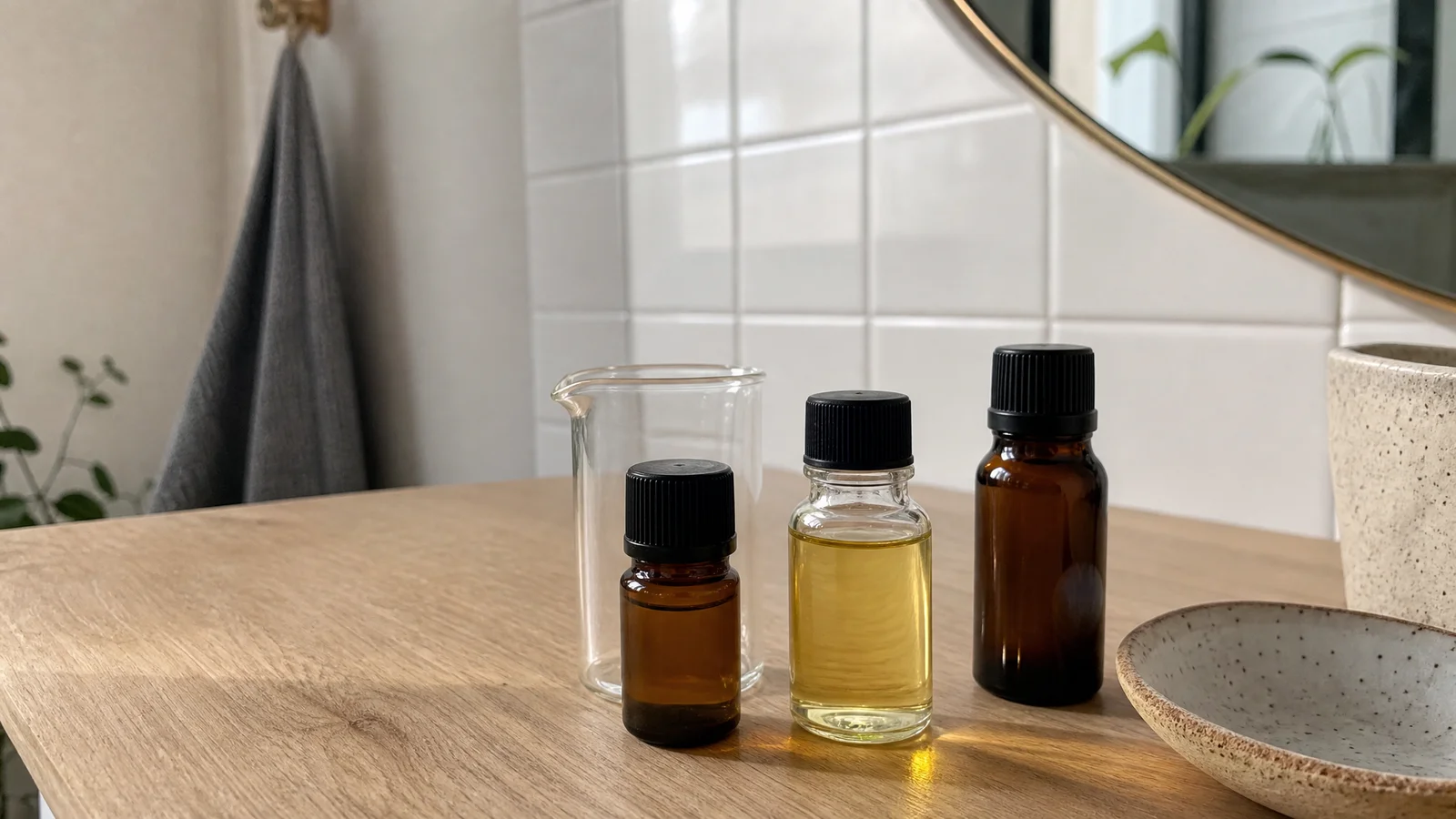
A diffuser and a bottle of tangerine oil make a very small ritual: a few drops, some water, and the room smells like a fruit bowl. The part that trips people up is "how many drops," because the honest answer is that your diffuser decides, not the oil.
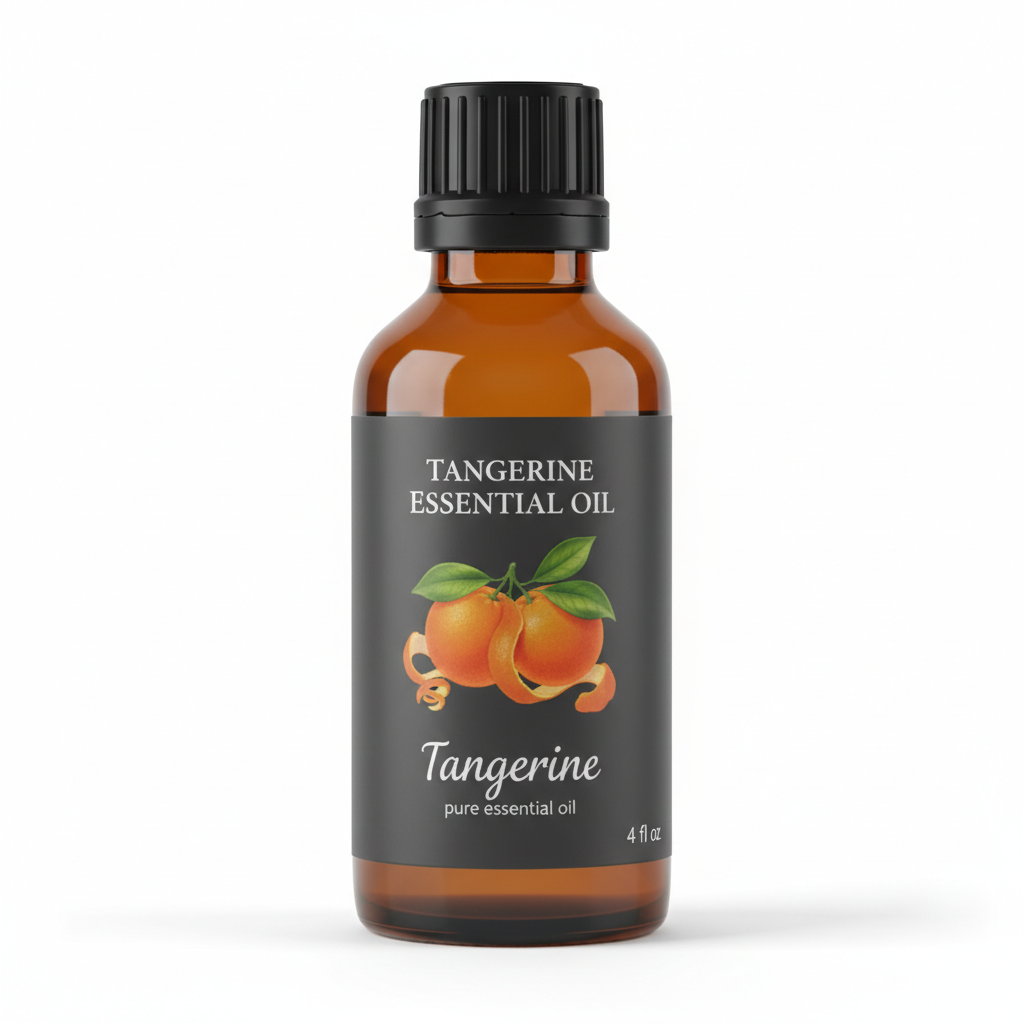
Tangerine Essential Oil
Our own Tangerine Essential Oil, in sizes from 0.5 oz to bulk.
From $12.99
Shop Now →Start with your manual, then start low
Every diffuser is built for a particular water volume and mist rate, and its manual gives the drop range it was designed around. A manual typically names a small number of drops for a stated tank volume. We sell only the oil, so we cannot name a diffuser, but we can offer a suggestion that works with nearly any of them: begin at the low end of whatever your manual says, and only add more if the scent is truly too faint.
The arithmetic shows why low is plenty. Using the common convention of about 20 drops per ml, which is rough because droppers differ, one drop is about 0.05 ml. The batch on the Certificate of Analysis we publish has a measured relative density of 0.846, so a drop of it weighs about 0.04 g. Three drops in a 200 ml tank is about 0.075% oil by volume. A 0.5 oz bottle holds about 14.8 ml, roughly 296 drops by that convention, so even the smallest bottle covers dozens of tanks. This is our own arithmetic, and it points to something useful: a diffuser uses so little oil that freshness, not quantity, should set the size you buy. We recommend buying the size you will actually finish and keeping the cap on, and the storage guide shows how.
Short sessions suit a bright top note
Tangerine is a top note, lively and quick to fade, so you do not need to run it all day to enjoy it. The Tisserand Institute suggests diffusing for 30 to 60 minutes on, then 30 to 60 minutes off, and that rhythm suits citrus well. Run the diffuser, enjoy the first rush, give the room a break, and let the next session feel fresh again. Many diffusers have a timer or interval mode for precisely this.
Where to put the diffuser
Placement is half the fun. Choose a hard, flat, dry surface, such as a bookshelf, a sideboard or a kitchen counter, with some space around it so the mist can drift. Keep it away from the edge, from wood you care about and from electronics, and tuck the cord somewhere little hands and paws cannot tug it. A spot a few steps from where you sit is nicer than one right beside you, because the scent reaches you softly instead of all at once.
A word on water and cleaning
Ultrasonic diffusers turn the water in the tank into a mist, so what is in the water travels with it. In a laboratory study of an ultrasonic essential oil diffuser, tap water produced roughly five times more fine particles than deionised water when eucalyptus oil was used. That is one oil and one lab setup, but the habit it suggests is easy: use distilled water if your manual allows it, empty the tank after each session, and wipe it out before the next one. Your manual will tell you how to clean the ceramic disc; follow it, especially between scents, so an old oil film does not build up.
Air in the room
The same study measured the vapour a lemon-oil session put into the air: about 2.6 mg of d-limonene in 15 minutes in the test chamber. Limonene is also the main component of citrus peel oils, so that is a fair picture of what tangerine does in a room: it fills a space fast. Open a window now and then, and keep a diffuser to rooms where you are pleased to be. A bright citrus scent works best when the room has some fresh air to contrast it.
After the session
When you switch the diffuser off, pour out whatever water is left, give the tank a quick wipe and leave the lid off so it dries. Cap the oil right away and put it back in a cool, dark cupboard. It is a thirty-second routine, and it keeps both the diffuser and the bottle in good shape. If you like, open a window for a minute and notice how the room smells afterward: a faint, sweet trace of fruit is exactly what you want, never a heavy cloud.
Little ones and pets
Keep the bottle out of reach of children; poison centres advise that essential oils can cause serious poisoning when misused, and the number in the US is 1-800-222-1222. If you have a baby at home, ask your paediatrician before diffusing. Pets deserve a second thought as well. Pet Poison Helpline lists citrus oils, mandarin among them, as ones that can cause problems and says cats and birds are at greatest risk. If you share your home with either, check with your veterinarian before diffusing, and see our pet guide.
We sell a cosmetic oil, and we make no claims for mood, sleep or focus. If you wonder what small studies say about those, our articles on focus and sleep report them carefully. For ideas on pairing tangerine with other oils in the tank, take a look at the diffuser blends article.
Pay attention to the first ten minutes. Tangerine arrives bright and juicy, almost like someone has just peeled a fruit across the room, and then it eases into a gentler sweetness. If it still feels strong after twenty minutes, shut it off and open a window. You will quickly learn what suits your room and your nose, and it is better to learn it with two drops than with ten.
Three drops, a short session, a window ajar: that is genuinely all it takes to enjoy tangerine in a room.
Tangerine Essential Oil
Tangerine Essential Oil from our own shop, in sizes from 0.5 oz to bulk.
From $12.99
Shop Now →Sources & Further Reading
- Tisserand Institute. How to Use Essential Oils Safely. tisserandinstitute.org
- Schwartz-Narbonne H, Du B, Siegel JA, 2021. Volatile organic compound and particulate matter emissions from an ultrasonic essential oil diffuser. Indoor Air 31(6):1982-1992. PubMed 33905580
- America's Poison Centers. Essential oils: Poisonous when misused. poison.org
- Pet Poison Helpline. Essential Oils. petpoisonhelpline.com