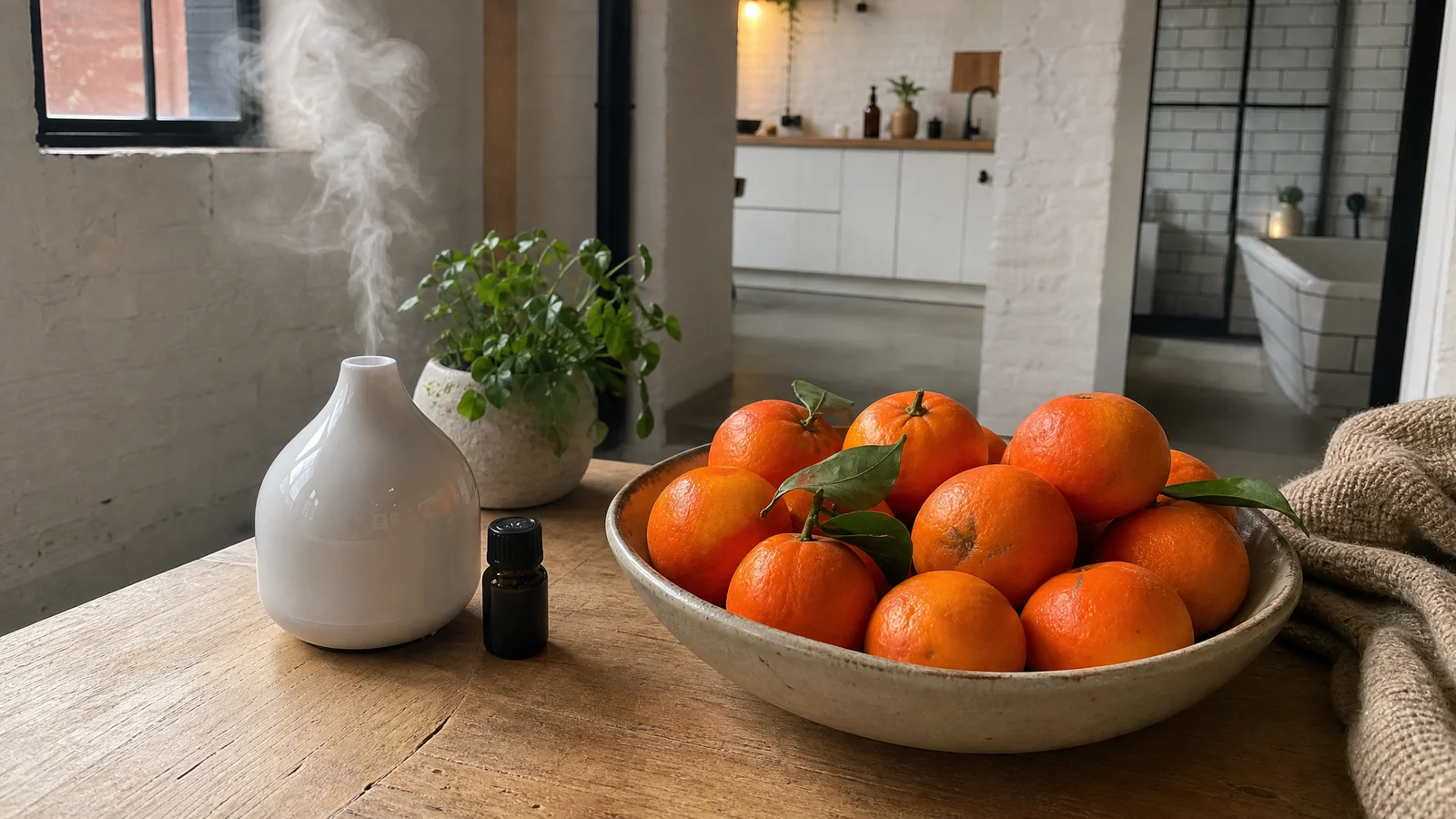
Tangerine Diffuser Blends: Six Ideas by Room
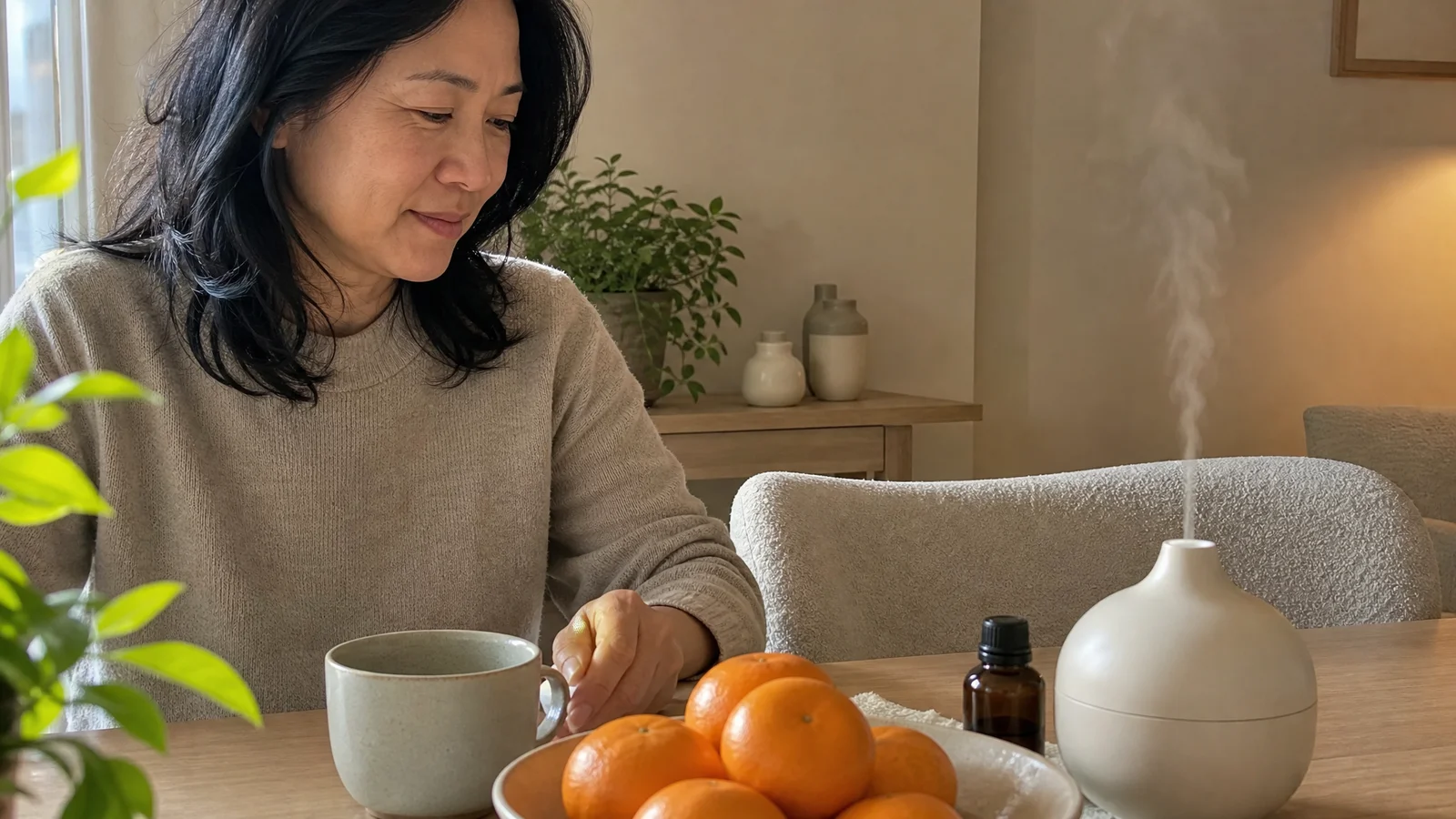
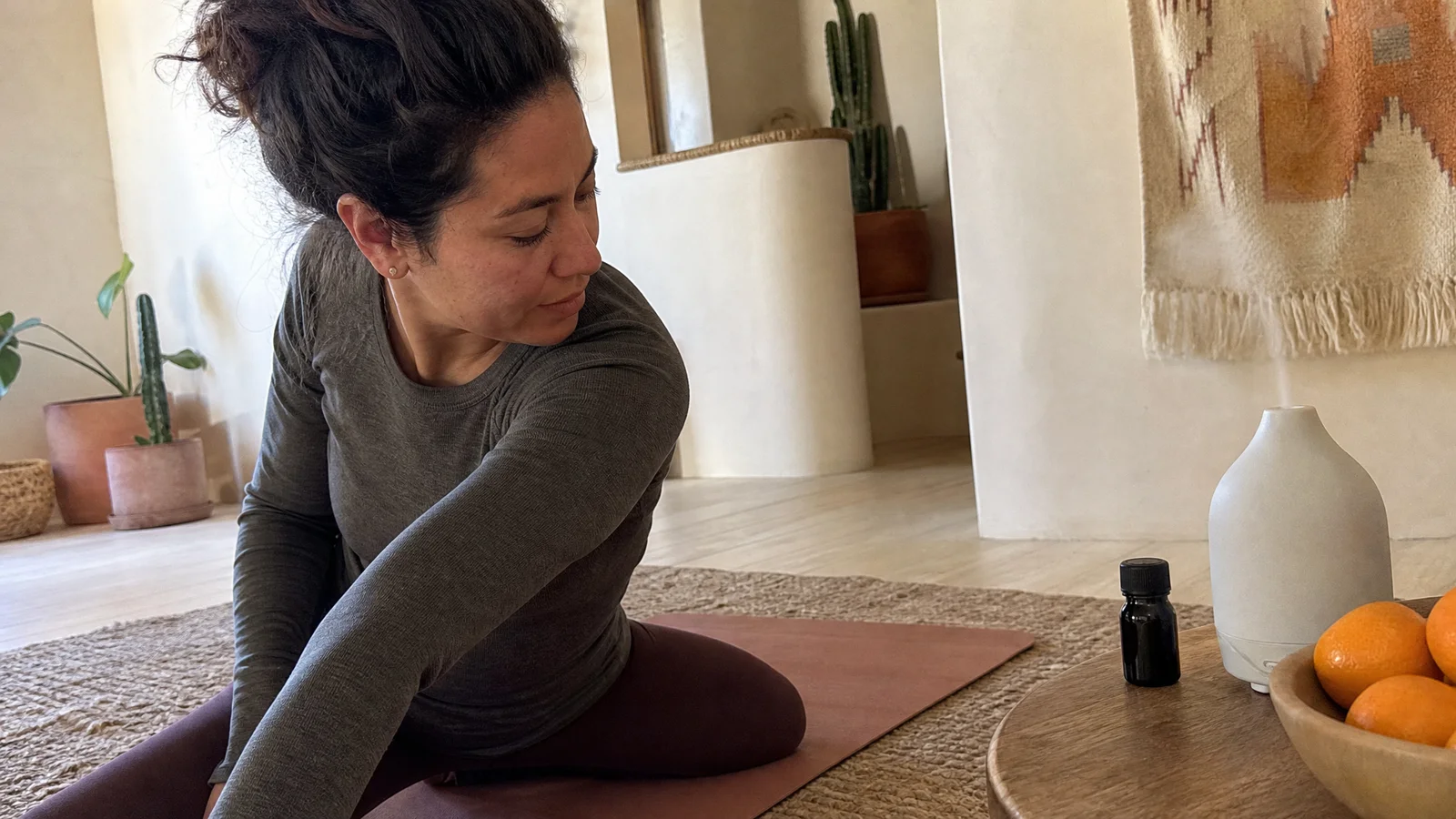
A diffuser is the easiest place to play with tangerine, because nothing touches your skin and a blend can change as often as the weather. The trick is to think room by room: tangerine is bright and quick, so what you pair it with decides whether a space feels sunny, cozy or calm. Here are six ways to do it, written as parts so you can scale them to your device.
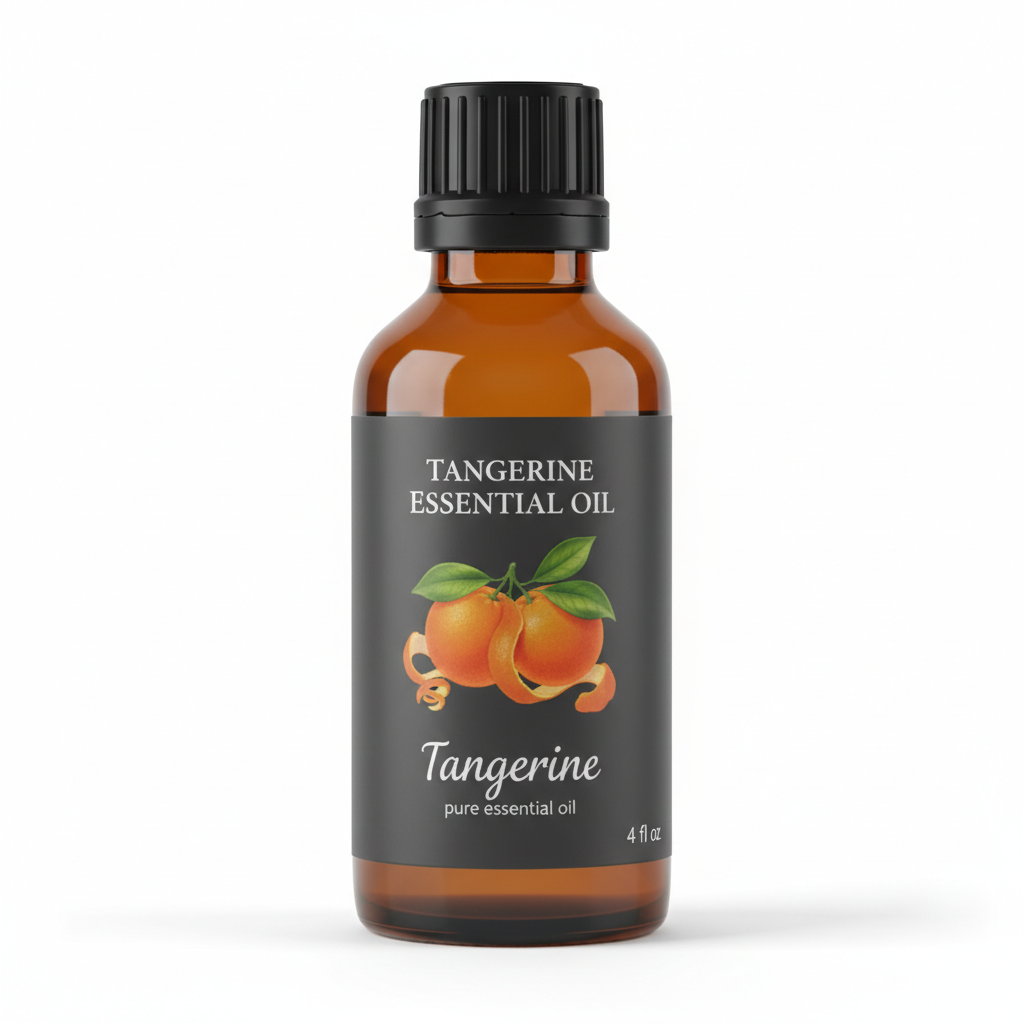
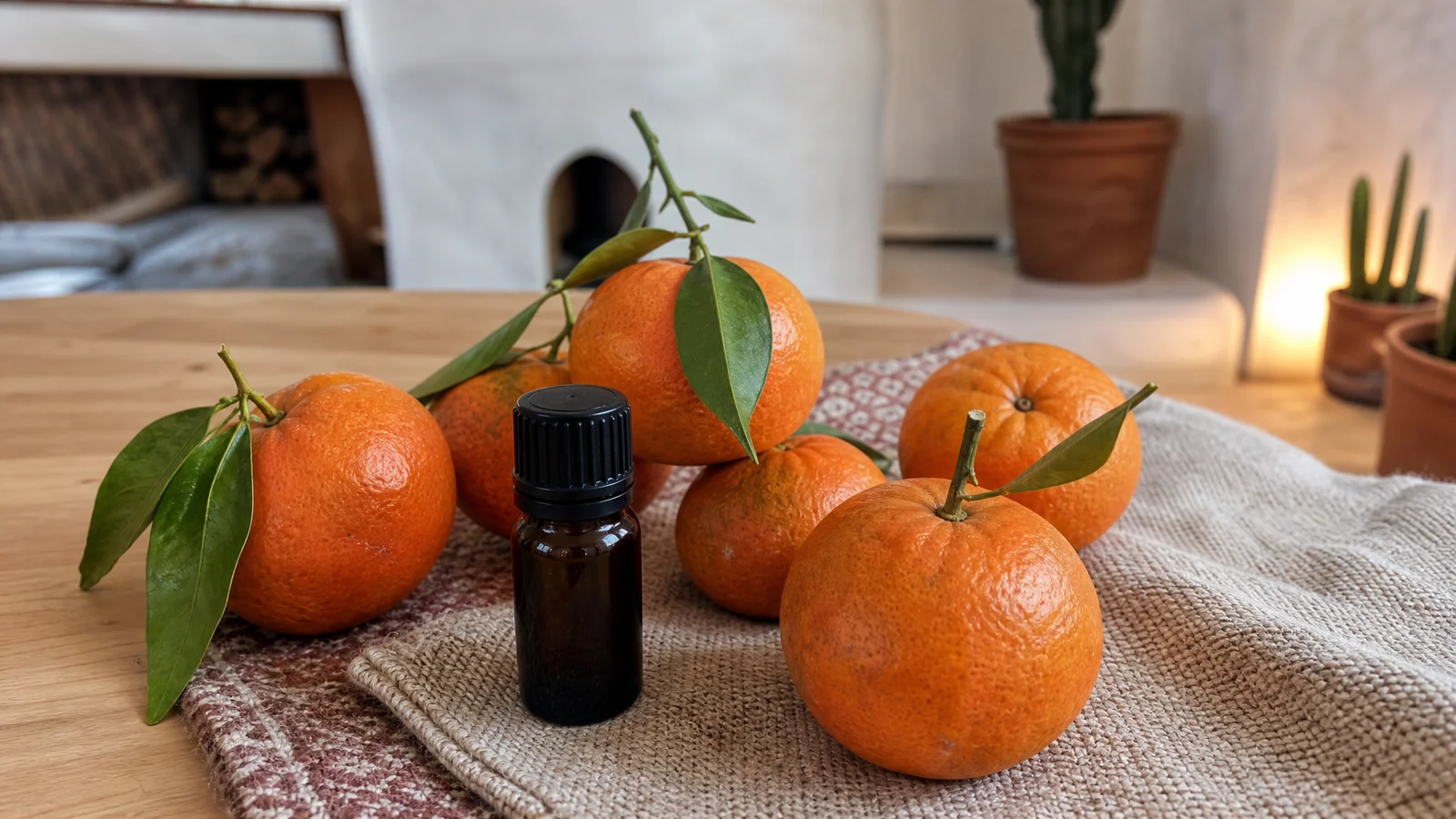
Tangerine Essential Oil
Our own Tangerine Essential Oil, in sizes from 0.5 oz to bulk.
From $12.99
Shop Now →Six blends, six rooms
Every ratio below is a suggestion built on how the oils tend to behave, not a tested recipe. One drop per part is a comfortable way to begin in many small diffusers, but your device manual comes first, and because drop size varies from dropper to dropper, treat the parts as proportions rather than exact amounts.
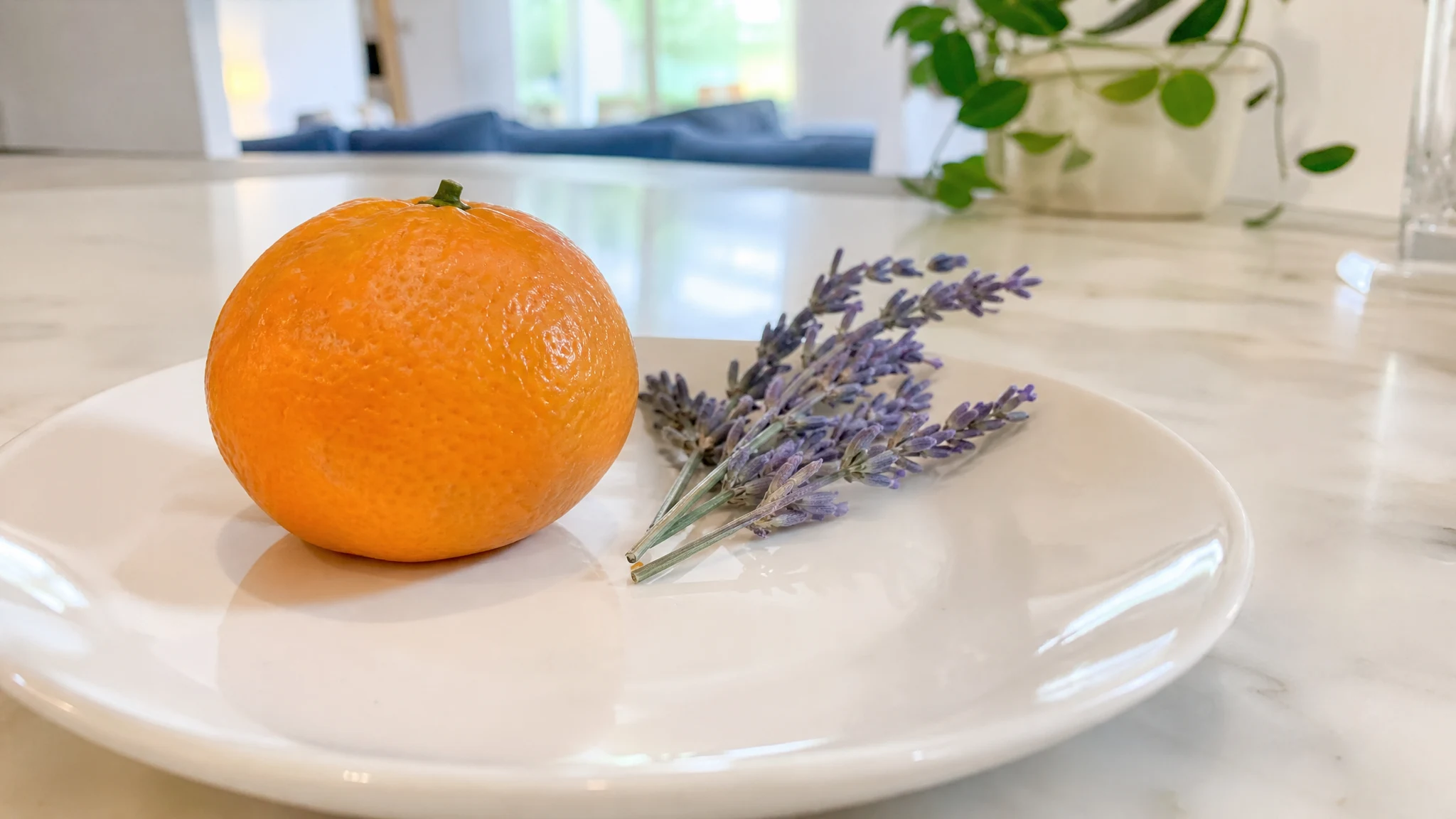
- Entryway, "Doorstep Sunshine": 2 parts tangerine, 1 part sweet orange. Two citruses make a familiar, juicy chord that greets people the moment they come in. Our tangerine versus sweet orange comparison shows how they differ.
- Kitchen, "Orange Cream": 3 parts tangerine, 1 part vanilla. Vanilla softens the sparkle into something like a creamsicle. Choose a vanilla made to blend into essential oils, since many are thick.
- Living room, "Winter Hearth": 6 parts tangerine, 1 part cinnamon. Cinnamon is on our list of partners that suit tangerine, and it is strong, so keep it a small slice of the blend. Check the cinnamon oil's own safety notes before you use it.
- Reading nook, "Soft Petals": 3 parts tangerine, 1 part neroli, 1 part ylang ylang. Neroli and ylang ylang add the floral depth that tangerine lacks on its own.
- Bathroom, "Citrus Spa": 2 parts tangerine, 1 part bergamot. Bergamot brings a sharper, tea-like edge to the sweetness.
- Home office, "Clean Desk": 3 parts tangerine, 1 part cedar. The wood gives the citrus a steady base, so the room does not smell only of fruit for the first five minutes.
We sell tangerine only, so you will find the other oils at an aromatherapy or craft supplier. For a seasonal take with more spice, see holiday tangerine diffuser blends.
Setting up each blend
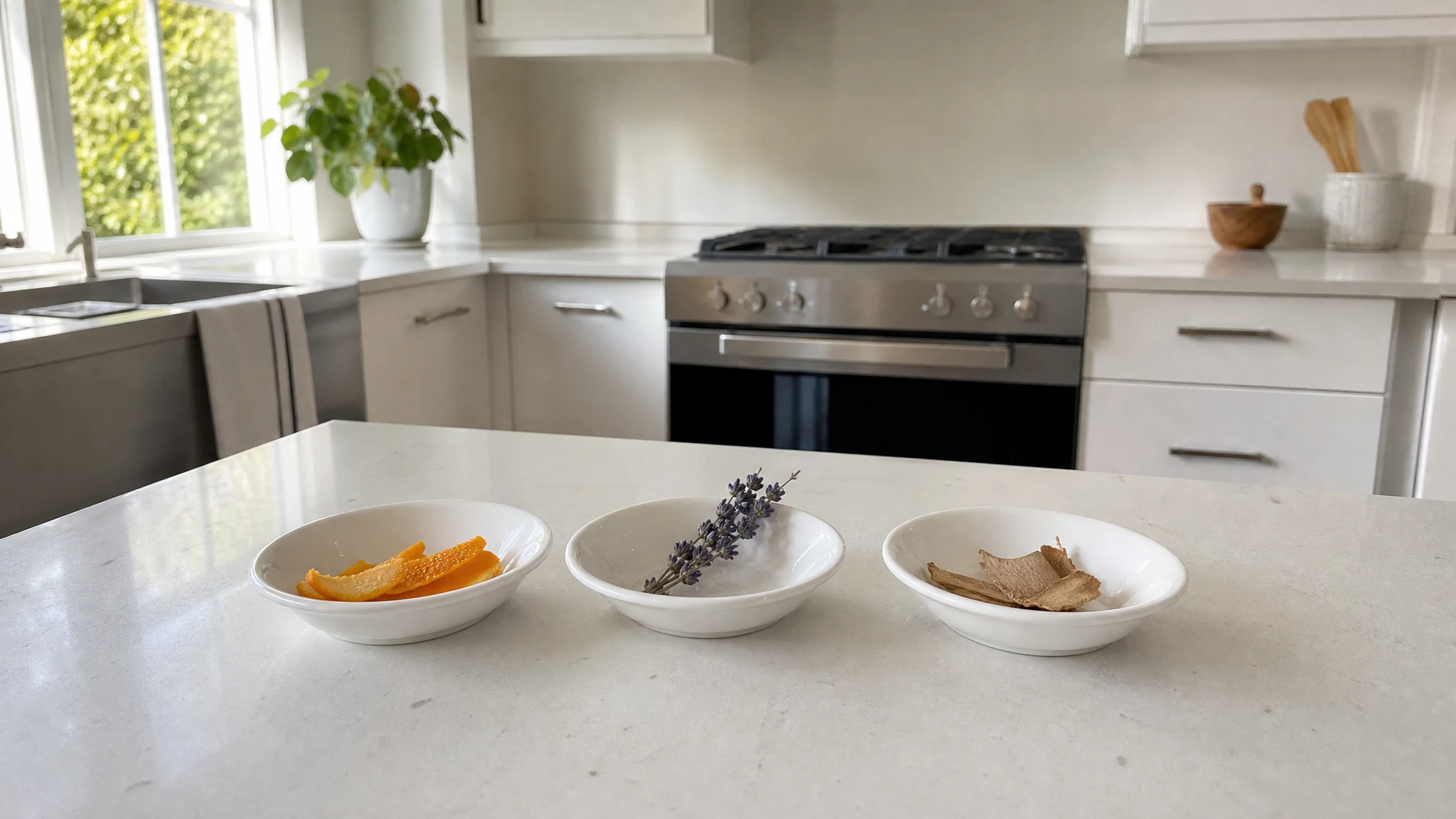
Before you mix anything, wipe the tank and start with fresh water. It sounds fussy, but a clean tank lets the blend smell the way it was meant to, with no stale note underneath. Then measure out your parts in a clean spare dish or a small vial, give it a gentle swirl, and sniff it before it goes into the diffuser. If it smells right from the vial, it usually smells right in the room.
Give each blend a few minutes to settle into the space before you judge it. The first minute is pure bright tangerine. After that the partners step forward: the vanilla goes creamy, the cinnamon turns warm, the cedar stays at the back like a quiet chair in the corner.
Getting the most from the mist
A little goes a long way, and so does a rest. The Tisserand Institute suggests diffusing for 30 to 60 minutes on, then 30 to 60 minutes off, which also keeps your nose from tuning the scent out. Because tangerine is a top note that fades faster than heavier oils, short cycles suit it well; you meet the bright opening again each time it restarts.
Water matters more than most recipes admit. In a chamber study of an ultrasonic diffuser, Schwartz-Narbonne, Du and Siegel found that filling it with tap water rather than deionized water raised fine particle emissions fivefold for one of the oils they tested. The study used lemon, lavender and eucalyptus rather than tangerine, so read it as a hint, and a reason to follow your manufacturer on water type and to rinse the tank between blends.
Matching a blend to the moment
We like to match the blend to what the room is for. Keep the doorstep and kitchen blends light and quick, since people move through those spaces. Save the spicier living-room blend for a long evening in, and keep the home office blend subtle enough that it never competes with your thoughts. If a guest is coming, pick the friendliest one, the orange pair, and keep the spice for yourself.
Choosing for who is in the room
The best blend is the one that suits everyone who shares the space. Germany's Federal Institute for Risk Assessment notes in its FAQ on essential oils that infants and young children are more sensitive than adults, that menthol and camphor are generally unsuitable for them, and that people with asthma and those who are pregnant or breastfeeding should keep use minimal. So the six blends above deliberately skip peppermint, eucalyptus and camphor, which are better kept out of a family space.
Pets deserve the same thought. The Pet Poison Helpline says cats and birds are at greatest risk from essential oils and lists citrus oils among those that can cause problems, so a closed door and a ventilated room are good habits, and your veterinarian is the right person to ask about a particular animal. Our citrus pet guide goes into more detail. Keep the bottle and the tank out of children's reach, and see is tangerine essential oil safe for the wider picture. Our oil is an external cosmetic oil for aroma use, not something to swallow.
Keep a short list of the blends you come back to, with the parts written down, and swap them with the seasons. Tangerine is generous that way. If you diffuse it often, larger sizes are on our bulk page, and our guide to buying tangerine oil in bulk covers what to check.
For step-by-step device tips, how to diffuse tangerine oil covers the routine, and tangerine oil blends has more pairing ideas. Pick a room, pick a mood, and let the citrus do the opening.
Tangerine Essential Oil
Tangerine Essential Oil from our own shop, in sizes from 0.5 oz to bulk.
From $12.99
Shop Now →