Buying Tangerine Oil: 5 Questions to Ask the Seller
Hold two bottles of tangerine oil side by side and you will not be able to tell them apart. Same amber glass, same cheerful orange on the label, same promises. What separates a bottle you will love from one you will regret is mostly paperwork, and how readily a seller will put answers in writing. We sell one tangerine oil, so take this as a checklist we would happily see applied to our own shop.
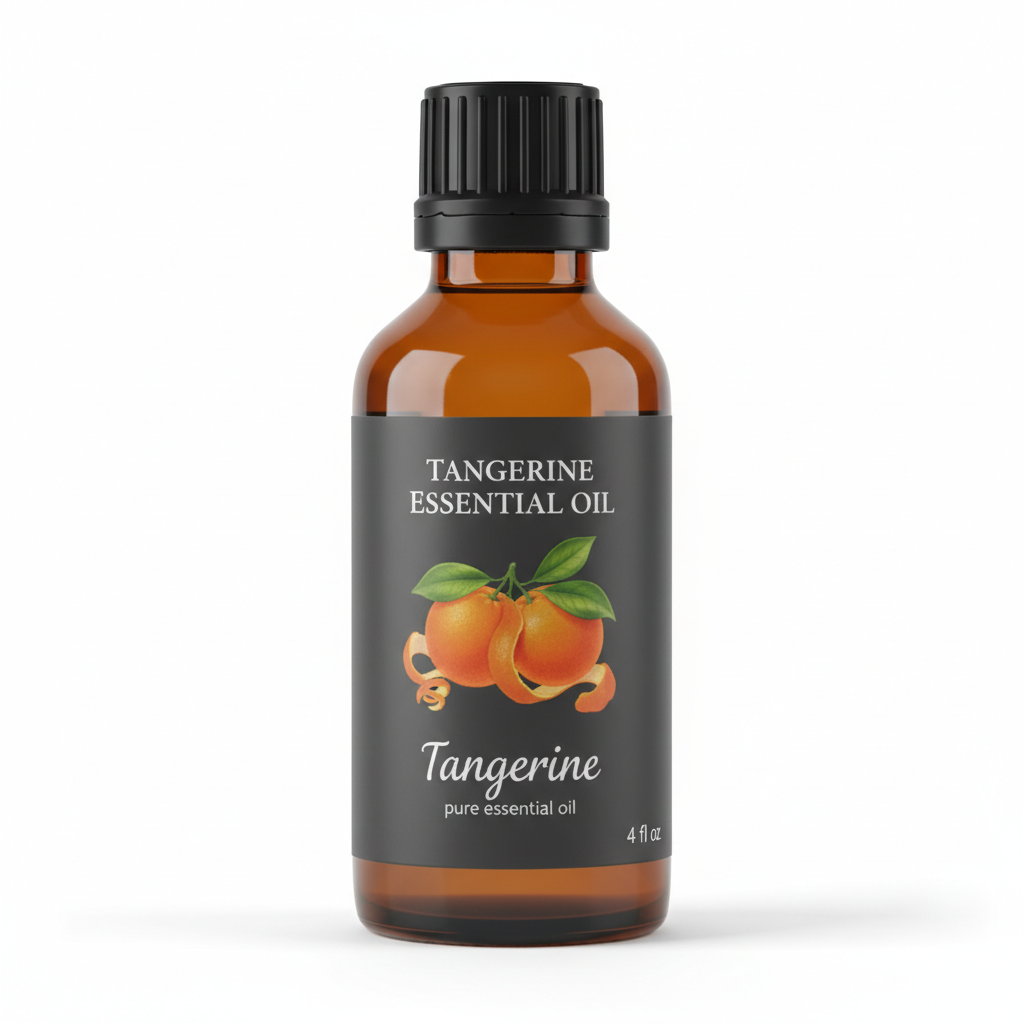
Tangerine Essential Oil
Our own Tangerine Essential Oil, in sizes from 0.5 oz to bulk.
From $12.99
Shop Now →Why the front label says so little
Cosmetic oils are not pre-approved before they reach shelves. The FDA states that cosmetic products and ingredients, other than color additives, do not need FDA approval before they go on the market, and that companies carry the responsibility for safety and labeling (Prohibited & Restricted Ingredients in Cosmetics | FDA). In practice that means words like "natural" or "premium" are the seller's own choice of language. They can be perfectly sincere, and they still tell you nothing you can check. Documents are what you can check.
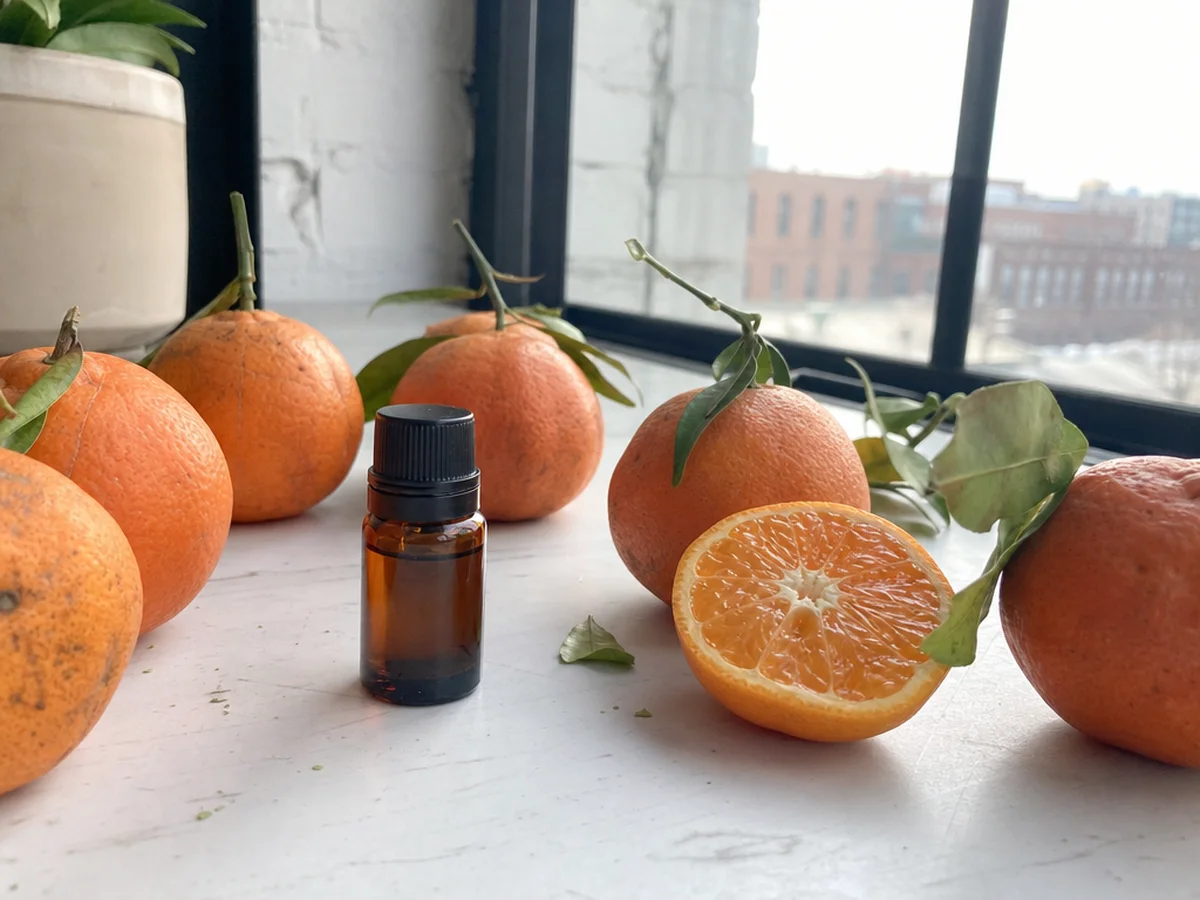
Five questions worth sending before you order
If you plan to buy more than a trial size, send these in writing. A clear answer is a good sign. A vague one is information too.
- What is the name, the plant part and the method? Cold-pressed citrus oil is made by pressing the peel. The EU's opinion on expressed mandarin oil describes it plainly: the peel surface is scarified, water is sprayed on, and the oil is separated by filtering and centrifuging (Safety and efficacy of a feed additive consisting of expressed mandarin oil from the fruit peels of Citrus reticulata Blanco for use in all animal species (FEFANA asbl)). Look for the botanical name, the part used and the method on the certificate, and see that they match the label. The fruit family is named differently in different taxonomies, which our overview of tangerine oil untangles, so a naming difference is a reason to ask, not a red flag.
- Does the certificate name a batch? A document for "the product" is looser than one that carries a batch number. Ask which batch your bottle came from.
- What did the lab actually measure? Density, refractive index and optical rotation are physical constants. They are a useful fingerprint, and they do not list what is in the oil. A gas chromatography report does. Our guide to reading a citrus GC-MS report walks through it.
- Where did the fruit come from, and when was it pressed? Freshness starts at pressing. If a seller cannot say, you cannot judge how old the oil is.
- Is anything added to the oil? Ask outright whether it has been diluted, boosted or altered in any way, and get the answer on paper.
What our certificate gives you
The Certificate of Analysis we publish is for one batch of our Tangerine Essential Oil. It names Citrus reticulata, the peel as the part used, and cold pressing as the method, and it lists a measured density, refractive index and optical rotation, each inside the range printed beside it. It does not carry a constituent breakdown. If GC-MS data, origin or a pressing date matters for what you are making, ask us in writing through the contact page before ordering, and keep the answer for your records.
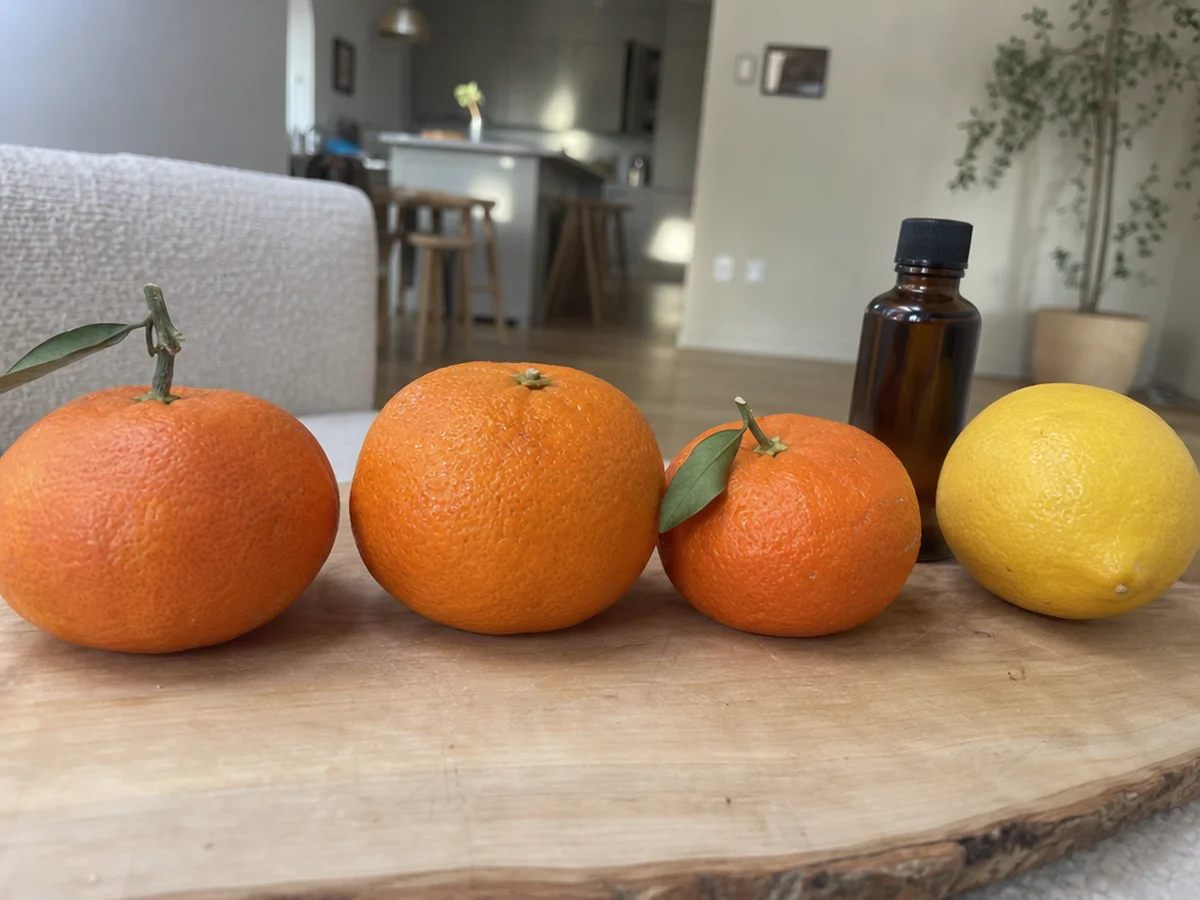
When the bottle arrives
Take a minute with it before you put it away. Check that the name on the label matches what you ordered and that the cap sits tight. Open it and smell it from a hand's width away, not with your nose in the neck of the bottle: tangerine should smell like fresh peel, sweet and bright. Then write the date you opened it on the label with a marker. It is a tiny habit, and it saves you from guessing later how old a bottle is.
Give the oil a second sniff a few days later, in a different room, when you are not hunting for flaws. Fresh impressions are the honest ones. Tangerine tends to read bright and a touch candy-sweet at first, then softer and rounder as it sits open on a paper strip, and knowing that arc makes it easier to spot a bottle that smells off.
It is also worth keeping your questions and the seller's answers together in one email folder. When you come back to reorder, you will know exactly what you were told and when.
Buy for the way you will use it
Tangerine is a top note, bright and quick to fade, and limonene-rich oils age faster once the bottle is open. The Tisserand Institute says most essential oils keep well for at least one to two years before oxidation takes effect, and that keeping them refrigerated will about double their useful lifespan (Is my bottle of essential oil oxidized or no longer good to use? - Tisserand Institute). Our own advice follows from that: choose the size you will actually finish, keep the cap tight, and store it somewhere cool and dark. Our piece on choosing a bottle size and our note on keeping citrus fresh cover the details.
If you are buying for a business, our wholesale page offers sample bottles so you can evaluate the oil in your own product first, which is exactly how we would approach a new supplier ourselves.
Whatever you buy and wherever you buy it, a seller who answers these five questions cheerfully is one worth keeping.
Good paperwork is a kindness to your future self, and a bottle that arrives with clear answers is a pleasure to open.
Tangerine Essential Oil
Tangerine Essential Oil from our own shop, in sizes from 0.5 oz to bulk.
From $12.99
Shop Now →Sources & Further Reading
- Prohibited & Restricted Ingredients in Cosmetics | FDA
- Safety and efficacy of a feed additive consisting of expressed mandarin oil from the fruit peels of Citrus reticulata Blanco for use in all animal species (FEFANA asbl)
- Is my bottle of essential oil oxidized or no longer good to use? - Tisserand Institute