Tangerine Oil and Pregnancy: Questions for Your Midwife
Pregnancy tends to make people look at everything on the bathroom shelf twice, and a bottle of citrus oil is no exception. If that is where you are, here is the honest picture: the health services and information services that publish on essential oils in pregnancy agree on one thing above all, which is to ask the midwife or doctor looking after you. None of the pages we read names tangerine oil, so this is a guide to what they say and who to ask, not a list of what you may use.
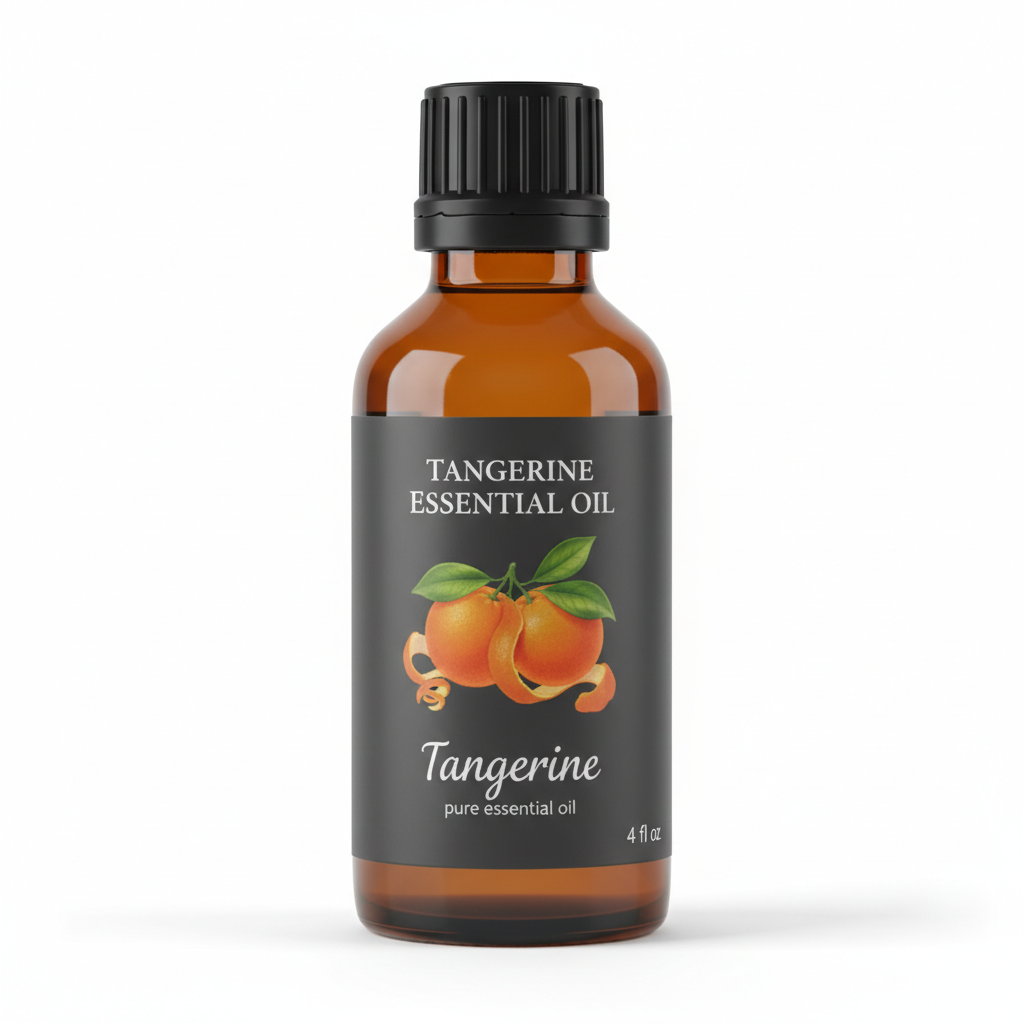
Tangerine Essential Oil
Our own Tangerine Essential Oil, in sizes from 0.5 oz to bulk.
From $12.99
Shop Now →What the published guidance says
A leaflet from Lancashire Teaching Hospitals describes aromatherapy offered by a trained midwife to people more than 12 weeks pregnant. It asks anyone with epilepsy, heart problems or asthma, and several other situations, to tell their midwife first, because for those situations there is not enough evidence to confirm that essential oils are safe. It also suggests keeping bottles in a cool, dark place away from children and pets.
The Aneurin Bevan University Health Board guideline in Wales is more detailed and does mention mandarin, tangerine's close relative. It advises discarding mandarin oil that is old, cloudy or sticky, or that no longer smells fresh, because oxidised oils can irritate skin, and it notes that mandarin's furocoumarin content is not enough to cause a phototoxic reaction. The same guideline advises pregnant midwives, along with all women, not to have direct contact with essential oils during the first trimester, while not excluding indirect contact such as inhalation. It also says that Wales has no national guideline on aromatherapy in maternity care, and that each health board writes its own.
That is worth noticing: two local hospital documents, written for supervised services, start from different points. Neither is a rule for use at home.
MotherToBaby, a pregnancy information service, puts it in plain words. For many products there is little or no information, which does not mean harm or benefit, only that they have not been studied. It says that skin use usually involves low absorption, that more frequent use, broken skin, large areas and swallowing increase it, and that using essential oils during pregnancy is a personal decision best made after talking with a healthcare provider.
Three ways of using an oil, three different questions
- Breathing it in. The Welsh guideline treats simple inhalation as a supervised option. It does not tell a home user how long or how many drops, and we will not guess.
- On skin. The low-absorption point is general, not specific to citrus. Skin can also change in pregnancy, and fresh oil matters, since oxidised limonene is a recognised sensitiser. A midwife or dermatologist can advise on your skin.
- Swallowing. Never. Our oil is for external, fragrance and craft use only.
If nausea is the reason you looked this up
Morning sickness sends many people searching. We cannot recommend our oil for it, and we sell a cosmetic oil, not a remedy. If you cannot keep food or drink down, the NHS says to contact your midwife or doctor, or the hospital, as soon as possible, because treatment exists. Our nausea evidence page looks at what citrus aroma studies tested.
Why we keep this page short on advice
We love talking about tangerine oil, and it would be easy to fill this page with drop counts and routines. We have chosen not to. Pregnancy is the one topic where a general page like ours should step aside for the person who knows your history. We sell a bright, cheerful cosmetic oil; your midwife or doctor knows your pregnancy. Letting them go first costs you a few days and nothing else.
What to bring to the appointment
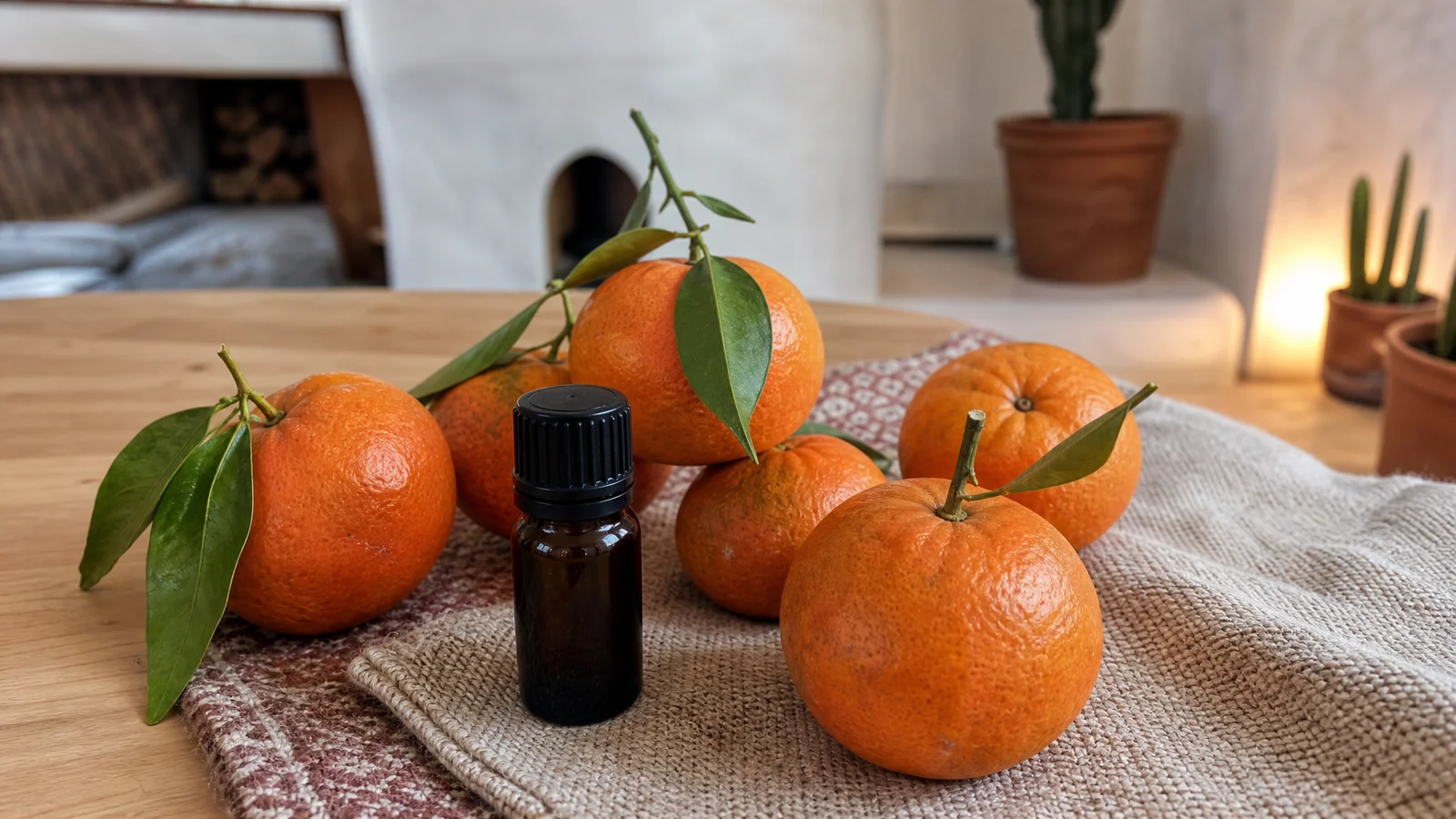
Take the bottle. It is called Tangerine Essential Oil, and the Certificate of Analysis for the batch we publish names Citrus reticulata. That certificate lists physical measurements for one batch and not constituents, so a clinician wanting a composition answer should ask us in writing through the contact page. Then try these questions:
- Is any scented oil right for me at this stage of pregnancy, or should I wait?
- Do my own conditions, such as asthma, blood pressure or a low-lying placenta, change the answer?
- If I want a little fragrance at home, is a diffuser, a tissue or nothing at all the better choice, and for how long?
- If I use it on skin, at what dilution, if any?
- What should I do about a headache, nausea, wheeze or skin reaction?
One small practical tip: write the date you opened the bottle on its label before you go. A clinician asking how old an oil is will appreciate a straight answer, and it is a good habit for every bottle on your shelf.
A fruit-bowl alternative while you wait
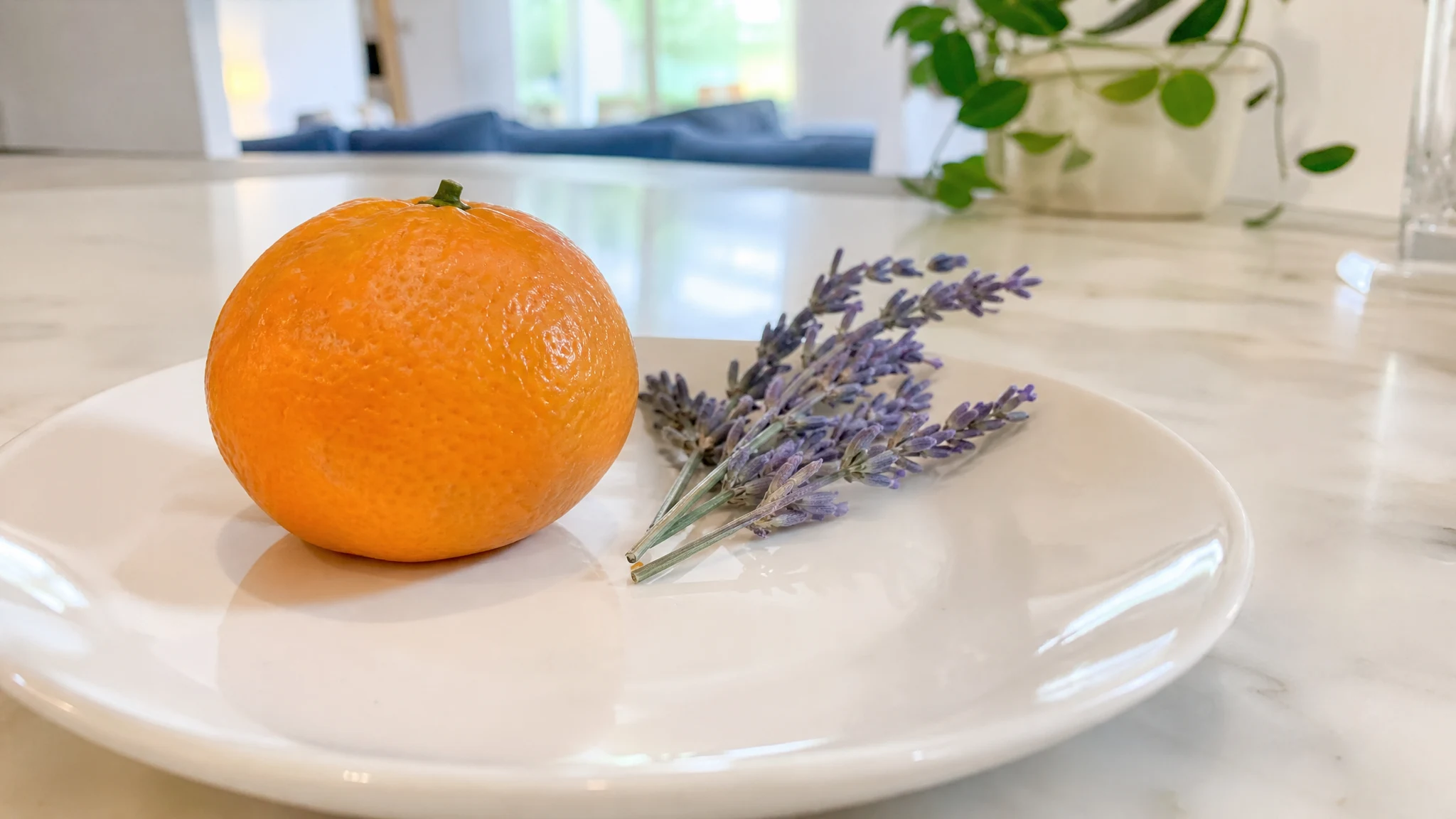
If you simply miss bright smells, there is one that never needs a bottle. Slice a tangerine or an orange and set it on a plate, or pinch a fresh peel and breathe in the little spray. It is the same sparkle people love in the oil, with nothing to measure and nothing to store. Many people find the fruit is all the citrus they wanted on a day when everything else feels complicated.
For everyone else in the house
Whatever your clinician says, keep oils out of reach of children and pets, and favour a small bottle you will finish, since older oil is more likely to be oxidised. Our safety overview and children's page cover those.
If a clinician says no, that settles it. The scent of a fresh orange in a bowl on the table is still lovely.
Tangerine Essential Oil
Tangerine Essential Oil from our own shop, in sizes from 0.5 oz to bulk.
From $12.99
Shop Now →Sources & Further Reading
- Lancashire Teaching Hospitals NHS Foundation Trust, 2025. Safe use of Aromatherapy during Pregnancy and Labour. lancsteachinghospitals.nhs.uk
- Aneurin Bevan University Health Board, 2025. Guideline for Aromatherapy use in Maternity care. wisdom.nhs.wales
- MotherToBaby, 2016. A Slippery Topic: The Use of Essential Oils during Pregnancy. mothertobaby.org
- NHS. Severe vomiting in pregnancy. nhs.uk