Tangerine Oil and Kids: Safe Storage and Habits
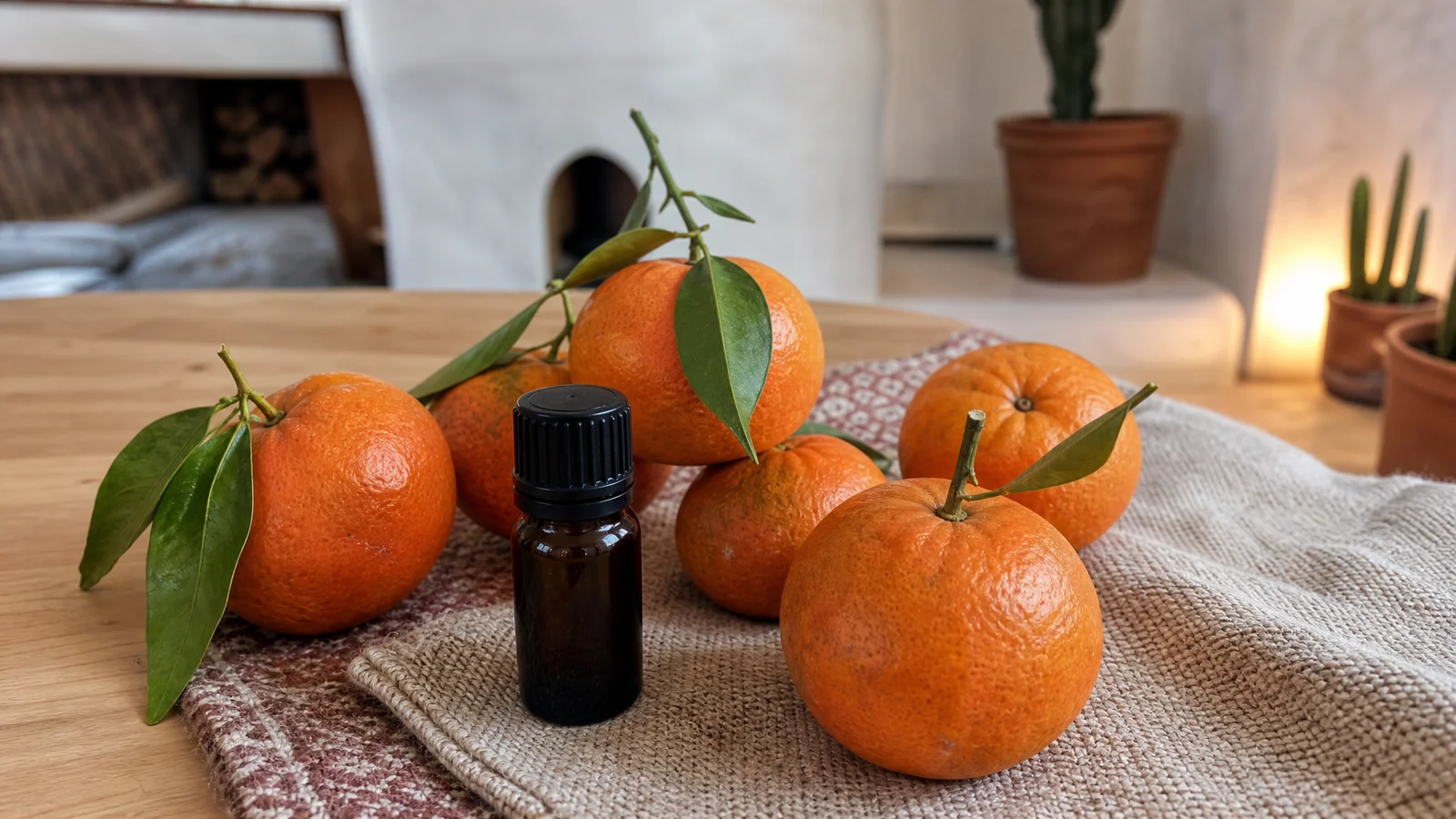
In most households, the thing to think about with essential oils and children is not the diffuser across the room. It is the small brown bottle on a low shelf. Poison-control data point mostly toward accidents with stored oils, which is good news in one respect: the most useful precautions are simple, free and quick to put in place.
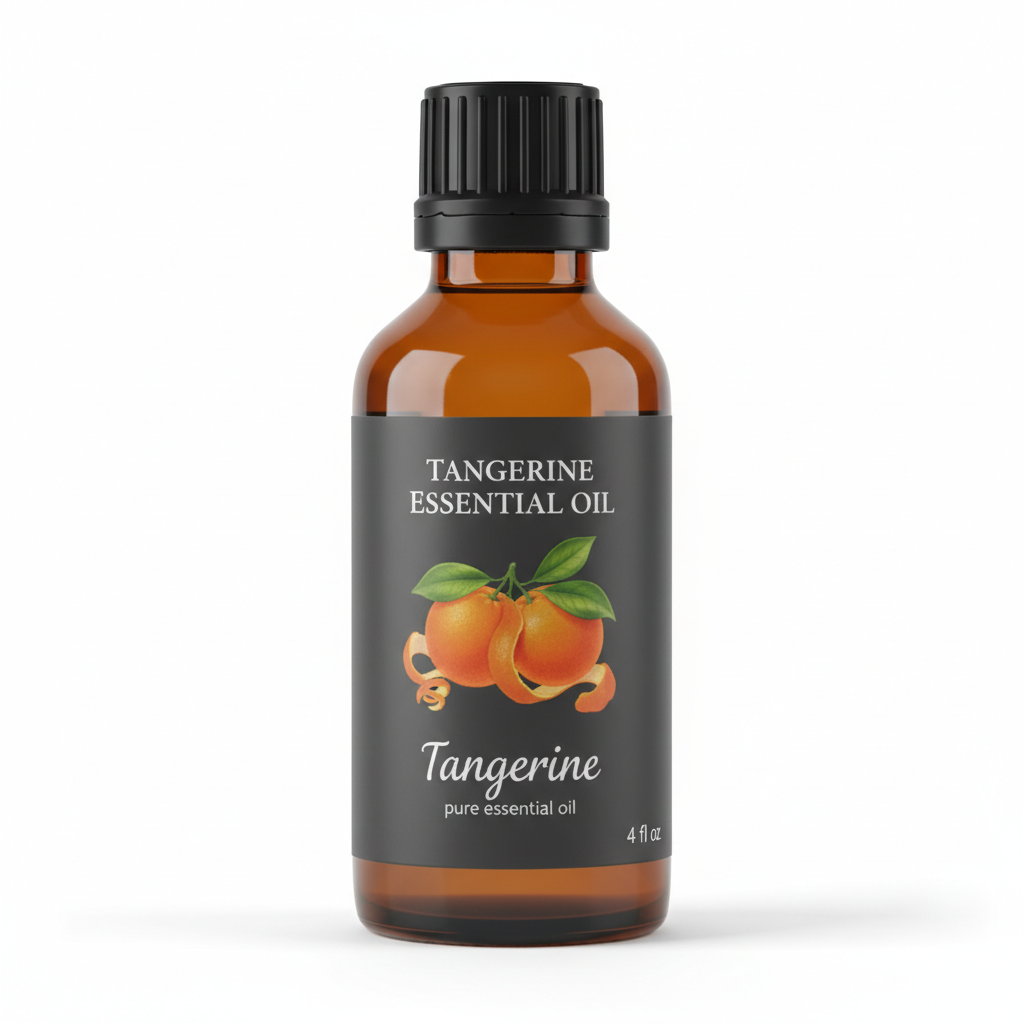
Tangerine Essential Oil
Our own Tangerine Essential Oil, in sizes from 0.5 oz to bulk.
From $12.99
Shop Now →What poison centres actually see
The clearest figures we found come from Australia. A review of calls to the New South Wales Poisons Information Centre between July 2014 and June 2018 counted 4,412 essential oil exposures. In 63% of them the person was under 15, and the clear majority were accidental or the result of mistaking an oil for a medicine such as a cough mixture. Eucalyptus, tea tree, lavender, clove and peppermint were the oils most often involved. Citrus oils were not in that top five, but the list only covers the five most common, and what sits in a household varies. The authors recommended storing oils out of reach of children and apart from oral medicines.
The National Capital Poison Center in the United States says the same thing from another angle. Essential oils, it advises, should be locked up out of sight and reach of children and pets, and families with young children might consider discarding bottles they do not need. It notes that children have thin skin and immature livers, which might make them more susceptible to toxic effects than adults, and that choking on a swallowed oil can send some into the lungs and cause pneumonia. If someone swallows any, call poison control at 1-800-222-1222 in the United States, where help is free, confidential and open around the clock.
Why we treat a citrus oil with respect
Tangerine oil is a thin, light liquid, which is part of what makes it so pleasant to pour and why it deserves respect if swallowed. The European Food Safety Authority describes the related expressed mandarin oil as an irritant to skin, eyes and the respiratory tract and a skin sensitiser. That opinion is about animal feed, not children, but it is a reminder that a bottle of peel oil is a concentrated material. We cannot say that a bottle cap will protect a child, and we make no claim of child-resistant closures on ours. Think of the cap as a delay and the cupboard as the real barrier.
Diffusing, skin and babies
We found no authority that gives a diffusing time or an age cut-off for children, so we will not invent one. A Welsh health board guideline for aromatherapy in maternity care says plainly not to use essential oils on babies, and our own view is that an infant's room is a poor place for a diffuser. If a child has asthma or wheeze, a paediatrician or GP is the right person to ask before any diffuser runs. Our diffusing guide covers care for the diffuser itself.
For skin, we give no age-based dilution because no source we read gives a tangerine figure for children. Our guidance for adults is 0.5% to 2% in a carrier with a patch test first, and for a child, a paediatrician or pharmacist should set the plan. Old bottles deserve extra care: oxidised limonene is a recognised skin sensitiser, so use a fresh bottle. Our safety overview and dilution guide go further.
Making the cupboard work for you
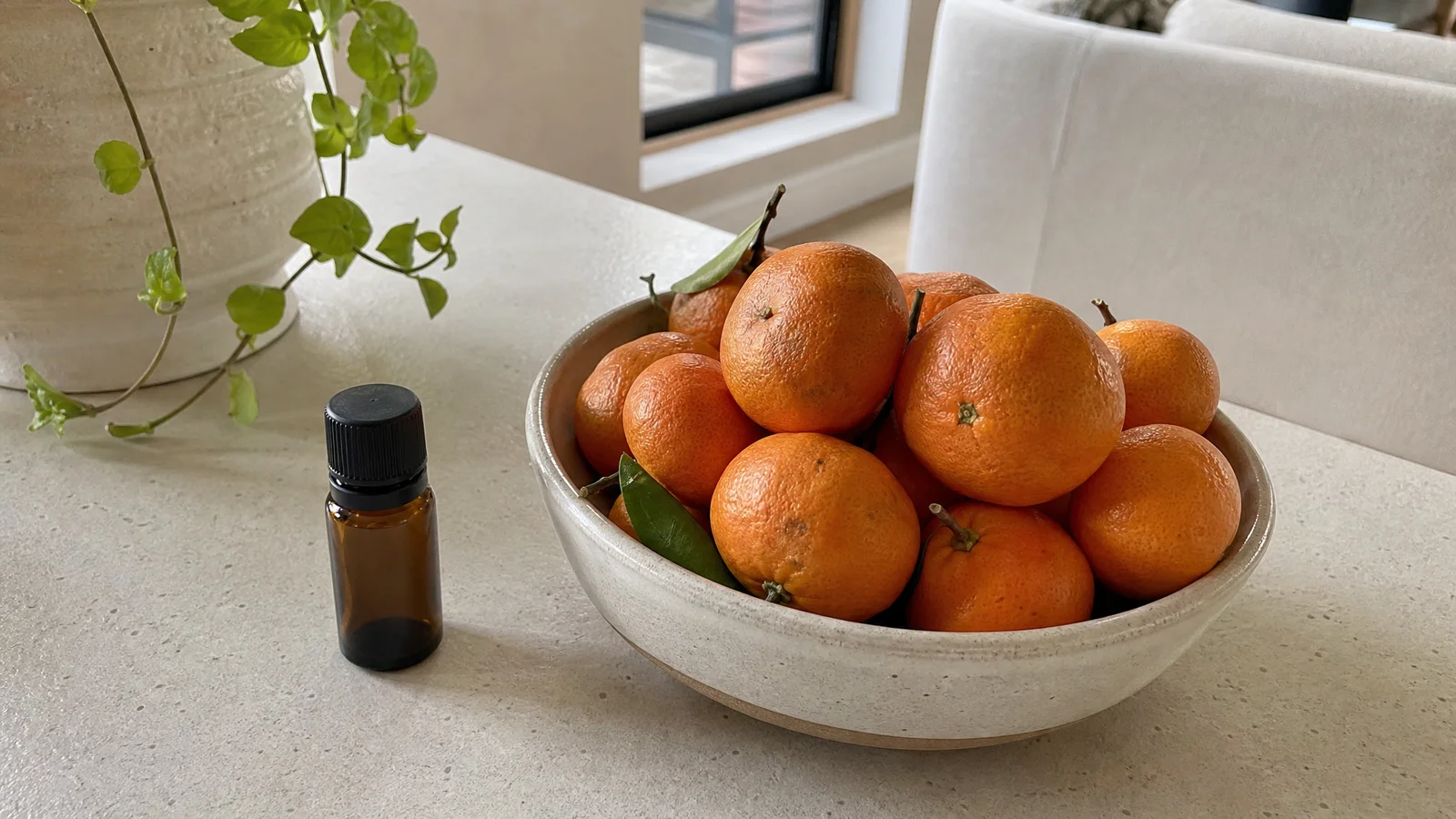
The best safety measure is a boring one. Choose one high shelf or a lockable box for everything aromatic, and make a habit of putting the bottle back the moment you finish. Keep it away from vitamins, cough medicine and snacks, since a small child can mistake a bottle for something else. If you share a household, tell everyone where the oil lives so no one leaves it out on a counter.
Spills and splashes
For eyes, the same Welsh guideline, written for adults, advises washing thoroughly with cold, clean water for 5 minutes and getting medical review if stinging has not eased after 15 minutes. It also says to put lids on bottles straight away and to wipe or wash oil off skin if it irritates. For a child, call a poison centre or doctor and let them set the steps.
A quick sense of scale helps. A single drop of our oil weighs about 42 mg at the 0.846 g/ml measured on the Certificate of Analysis for one batch (assuming roughly 20 drops to the millilitre), and a 0.5 oz bottle holds about 296 of them. We know of no source that converts that into a harmful amount for a child, so we will not guess. The sensible reading is that even a small bottle is hundreds of drops of concentrated oil.
It also helps to teach older children early. A simple rule works well: this is a grown-up bottle, it stays in the cupboard, and we ask before we smell it. Children usually accept a clear rule quickly, especially when it is the same one every time.
When guests visit, remember that visiting children and relatives may not know the rules. A quick glance around the rooms where you diffuse or craft, to check that no bottle is sitting on a low table, is a good habit before company arrives.
A short routine
- Return the bottle to a locked or high cupboard after every use, away from medicines.
- Never pour oil into unmarked bottles or drink bottles.
- If a child swallows any or it gets in the eyes, call poison control and rinse eyes with clean water.
- Coughing, choking, drowsiness or trouble breathing means emergency services.
- Keep it out of craft projects, bath toys and play dough.
The oil is sold for adult fragrance and craft use. Treat it like any other lovely, concentrated thing a household keeps for grown-ups, and the rest takes care of itself.
Tangerine Essential Oil
Tangerine Essential Oil from our own shop, in sizes from 0.5 oz to bulk.
From $12.99
Shop Now →Sources & Further Reading
- The University of Sydney, 2019. Essential oil poisoning calls on the rise, children most affected. sydney.edu.au
- National Capital Poison Center. Essential oils: Poisonous when misused. poison.org
- EFSA FEEDAP Panel, 2021. Safety and efficacy of a feed additive consisting of expressed mandarin oil from the fruit peels of Citrus reticulata Blanco for use in all animal species (FEFANA asbl). EFSA Journal. PMC8190682
- Aneurin Bevan University Health Board, 2025. Guideline for Aromatherapy use in Maternity care. wisdom.nhs.wales