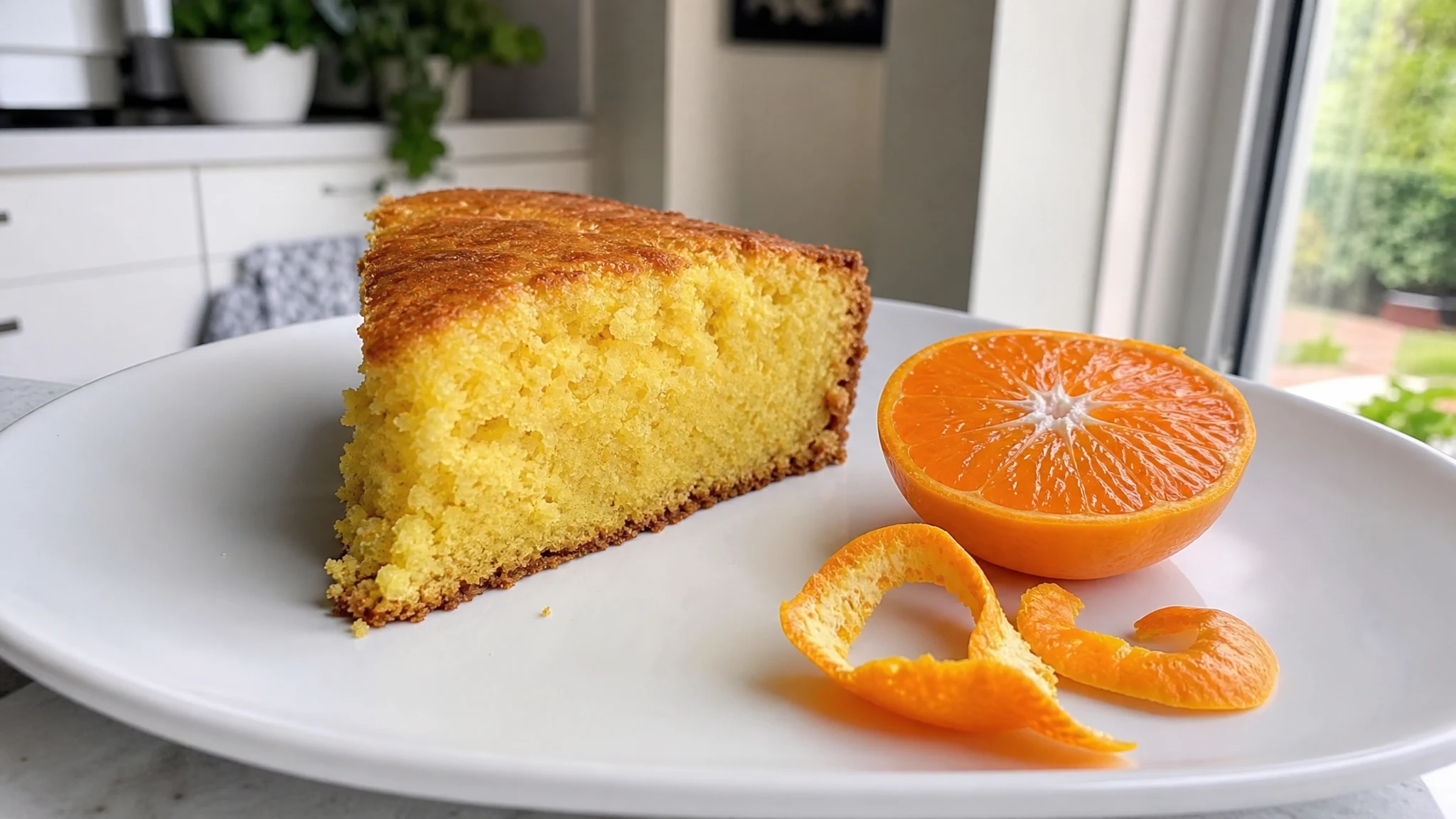
Baking With Tangerine Oil? Why Zest Wins in the Kitchen
An olive oil cake that tastes of tangerine is a lovely thing, and it is easy to see why a recipe might reach for a bottle of tangerine oil. Our oil, though, is made for the diffuser and for properly diluted skin use, and it is not offered as a food ingredient. The route to that cake runs through the fruit itself, and the reasons are worth knowing.
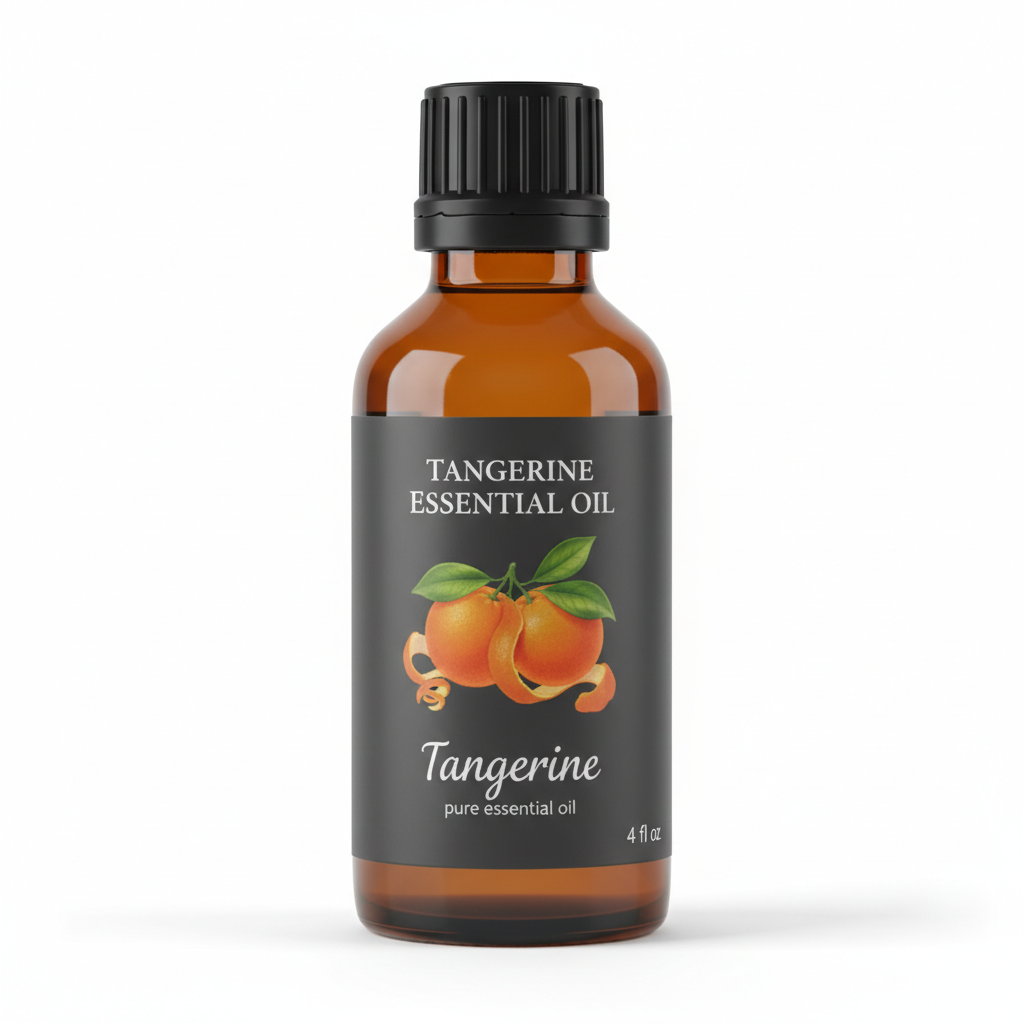
Tangerine Essential Oil
Our own Tangerine Essential Oil, in sizes from 0.5 oz to bulk.
From $12.99
Shop Now →What food-grade actually means
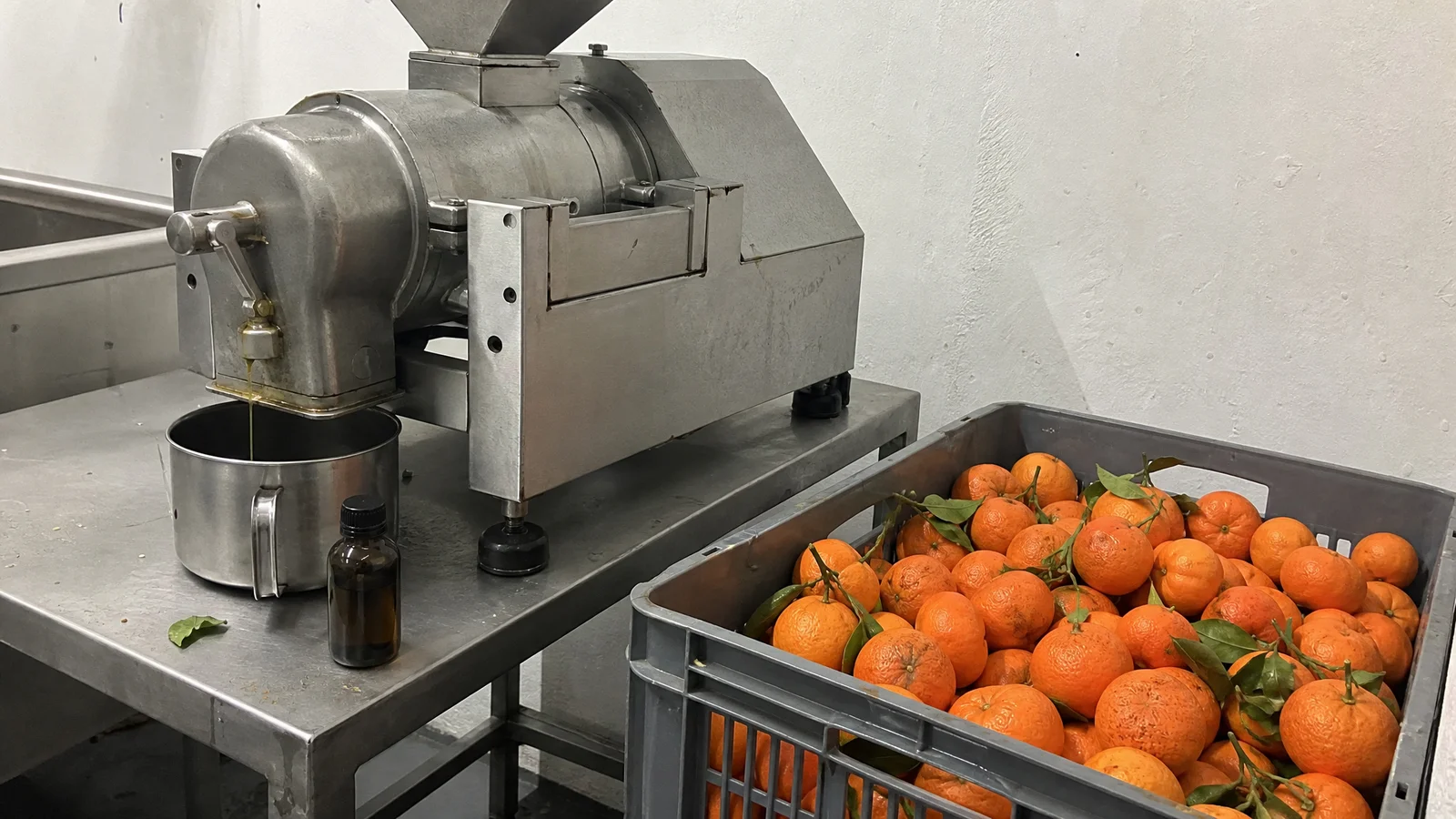
There is no single legal grade called food-grade for an essential oil. What exists are regulatory statuses attached to a substance for an intended use. In the United States, 21 CFR 182.20 lists essential oils and natural extractives that are generally recognized as safe for their intended use, and tangerine (Citrus reticulata Blanco) appears on that list (Essential oils, oleoresins (solvent-free), and natural extractives (including distillates)). The status belongs to a use, a flavoring added to food at flavoring levels, and it assumes the oil was made, handled and labeled as a food ingredient by someone who answers for it.
Europe looks similar. When EFSA assessed expressed mandarin oil as an animal feed additive, it noted the oil was recognised to flavour food, and its abstract also says the oil should be considered an irritant to skin, eyes and the respiratory tract and a skin sensitiser (Safety and efficacy of a feed additive consisting of expressed mandarin oil from the fruit peels of Citrus reticulata Blanco for use in all animal species (FEFANA asbl)). Both are true: a flavoring made for food is one thing, and a neat oil in a diffuser bottle is another. Our Certificate of Analysis lists appearance, smell, density, refractive index and optical rotation for one batch, and says nothing about food use, so we keep our pages to the diffuser and the diluted skin uses.
How big a drop really is
A drop sounds small. The Tisserand Institute reports that across three studies, 20 drops of essential oil averaged 0.66 g, and that the count per milliliter ranged from about 20 to 40 (How big is a drop?). The batch on our Certificate of Analysis has a relative density of 0.846. Put together, one drop is a few tens of milligrams of concentrated peel oil, and "three drops" in a recipe could mean twice as much from one dropper as another. Zest, by contrast, brings its oil already diluted by the peel around it.
Poison Control adds a household reminder: some essential oils can be poisonous when swallowed or absorbed through the skin, children have thin skin and immature livers, and oils belong locked up away from children and pets. If someone swallows oil, call 1-800-222-1222 in the US (Essential oils: Poisonous when misused). A kitchen counter is exactly where a bottle can end up within a child's reach, so give it a high shelf.
Why zest does the job better
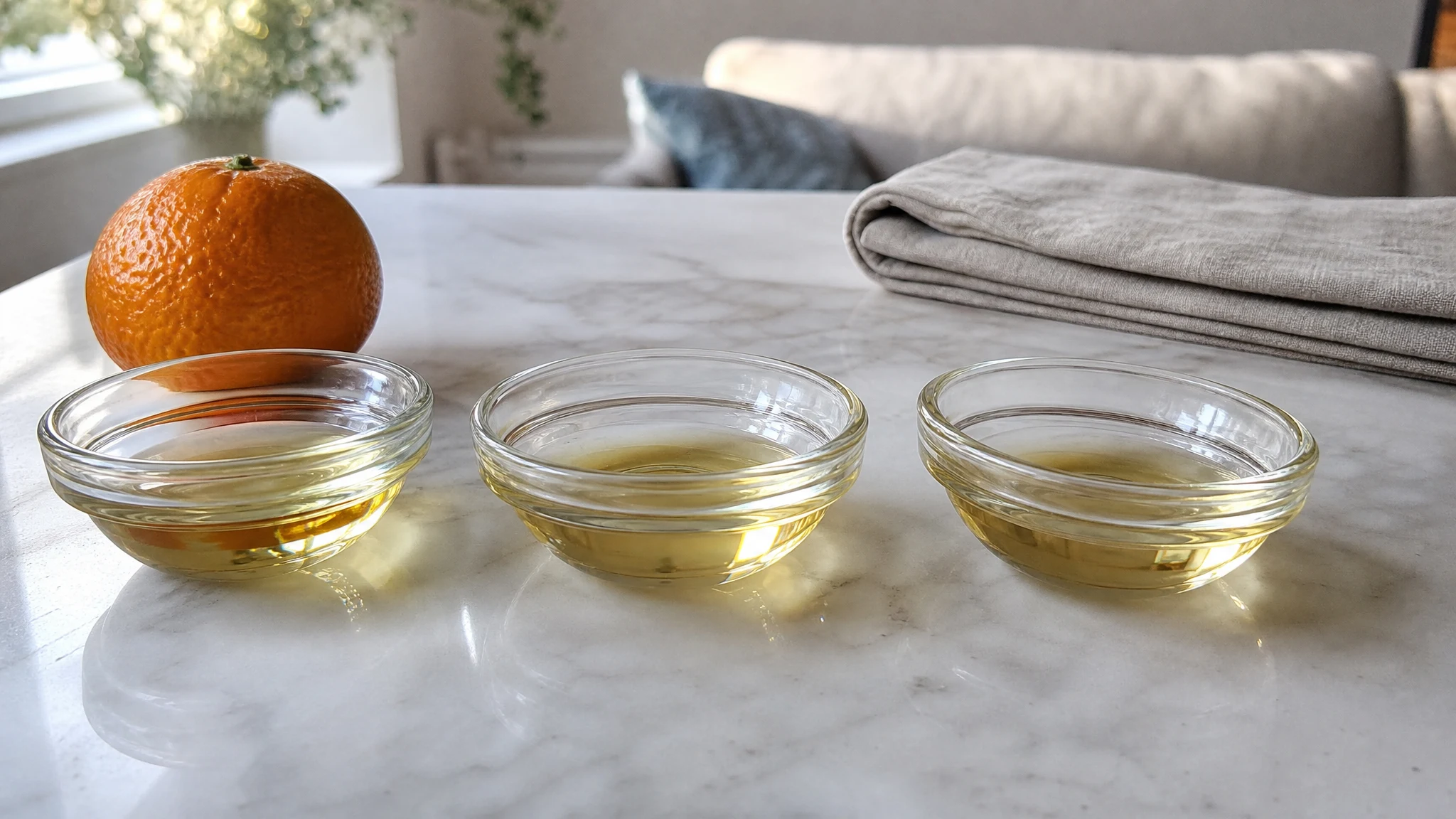
The citrus aroma in a cake lives in fat-soluble compounds, led by limonene. Reasoning from that, the aroma settles into the butter or olive oil of a batter, which is why the classic trick is to rub grated zest into the sugar before mixing: the peel's own oil transfers into the fat. Heat tends to drive off bright top notes, so zest added in generous amounts, with a little extra stirred in or grated over the top after baking, keeps the flavor lively. That is kitchen logic rather than a tested recipe, and it is the way most bakers get their citrus.
If you do want a concentrate for food, look for a flavoring sold and labeled for food by a food-ingredient supplier, with the botanical name, intended use and a usage rate on the label. A product made for cooking carries that information, and one made for diffusers usually does not. If you have a reason to be careful with food, such as a citrus allergy, pregnancy, a liver condition or medicines, ask your doctor or pharmacist.
Choosing fruit that smells like something
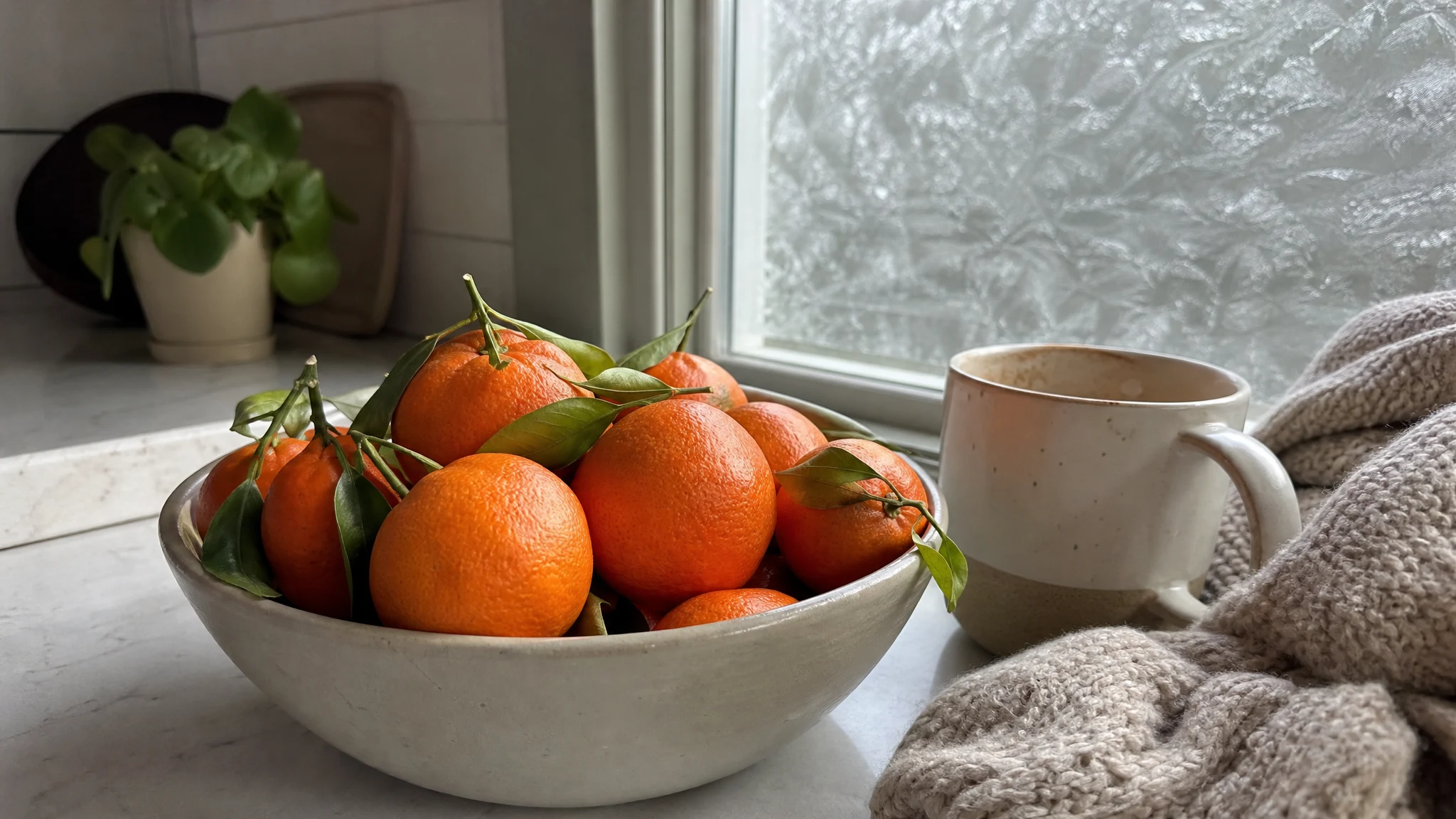
Before you buy a single tangerine, pick it up and sniff the skin near the stem. A fruit worth baking with smells sweet and a little floral right through the peel, and the skin feels slightly loose and glossy rather than tight and dull. Heavy-for-its-size fruit tends to be the juicy ones, which is a bonus when you want the juice for a glaze as well.
A few zesting habits we like
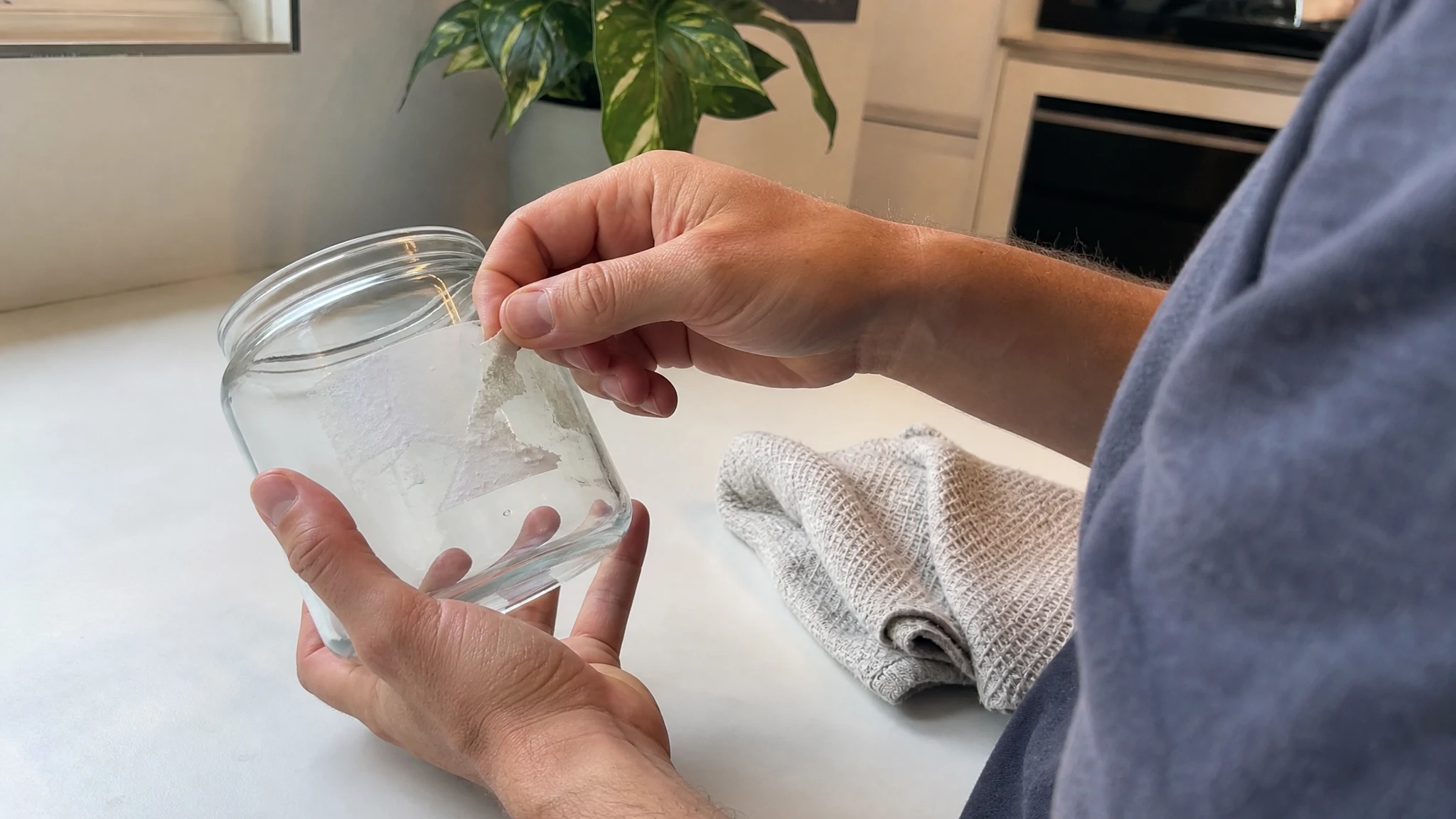
- Zest only the colored layer. The white pith underneath is bitter, and a microplane skims just the right depth if you keep the fruit turning.
- Zest before you juice. A squeezed, floppy tangerine is nearly impossible to grate.
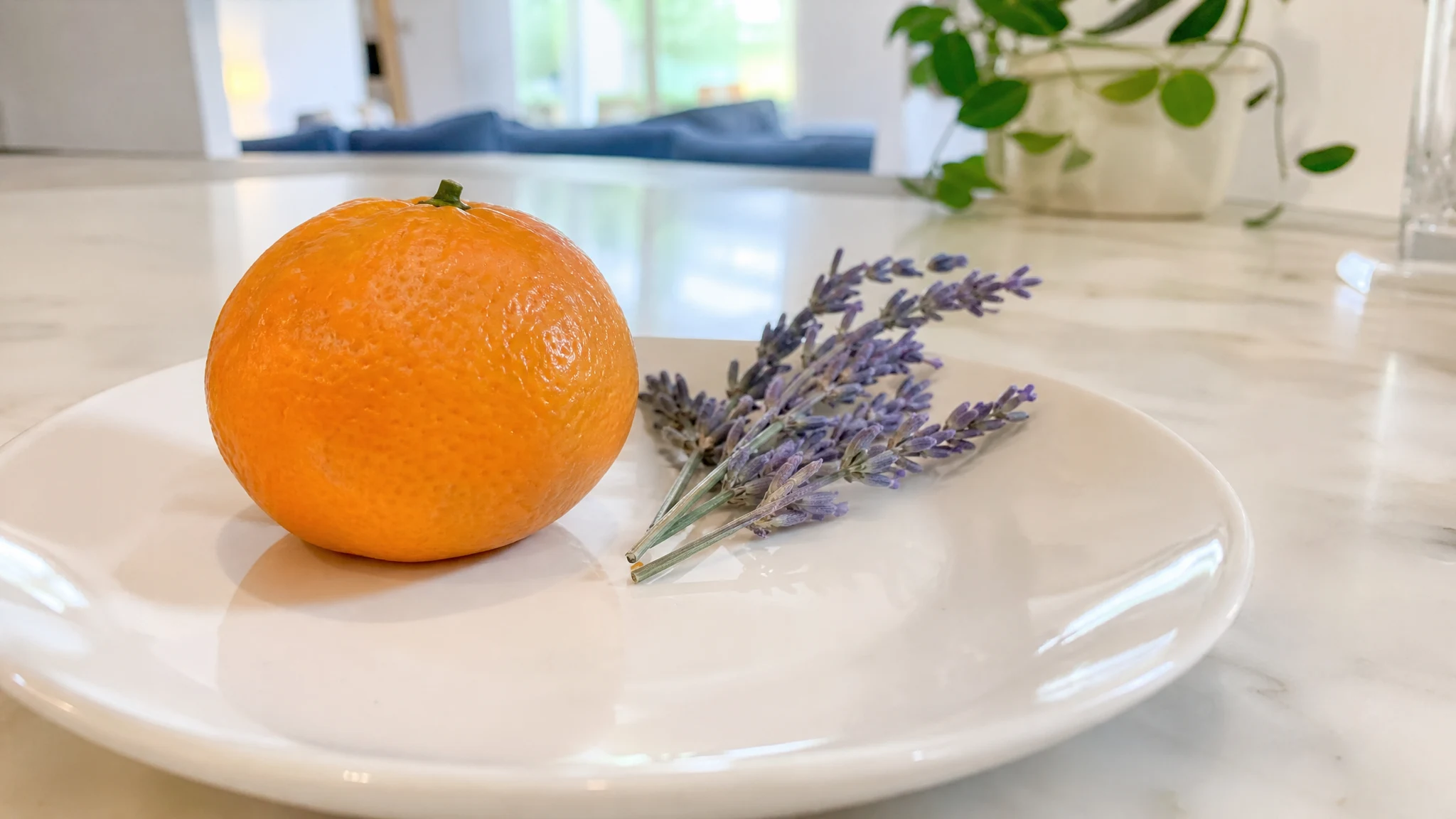
- Rub the zest into the sugar with your fingertips until the sugar looks damp and the whole bowl smells like a market stall. That small minute of effort does more for a cake than any bottle could.
- Freeze extra zest in a small jar. It keeps its fragrance surprisingly well, and you can spoon it straight into muffins on a sleepy morning.
Using the bottle in a kitchen
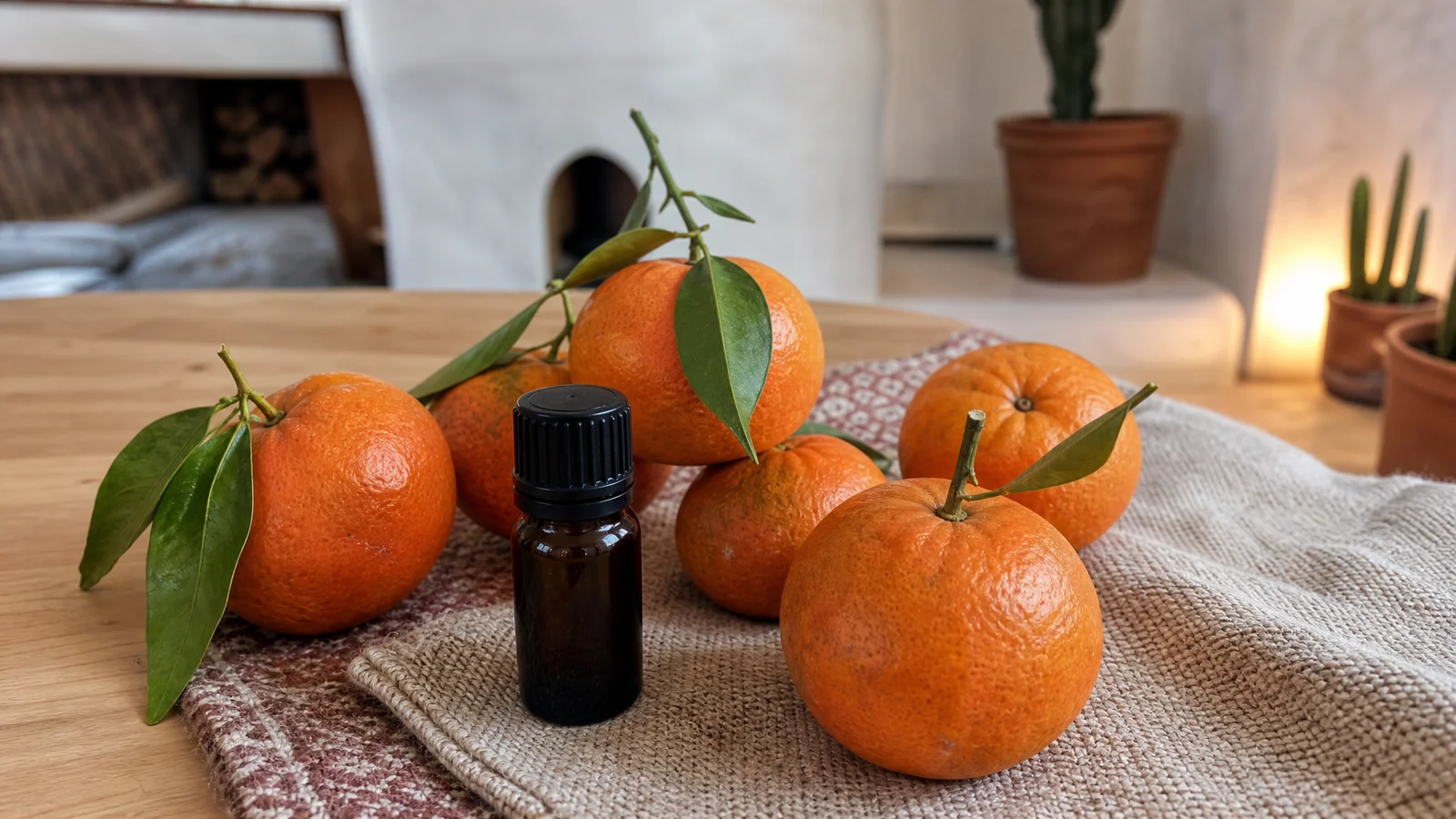
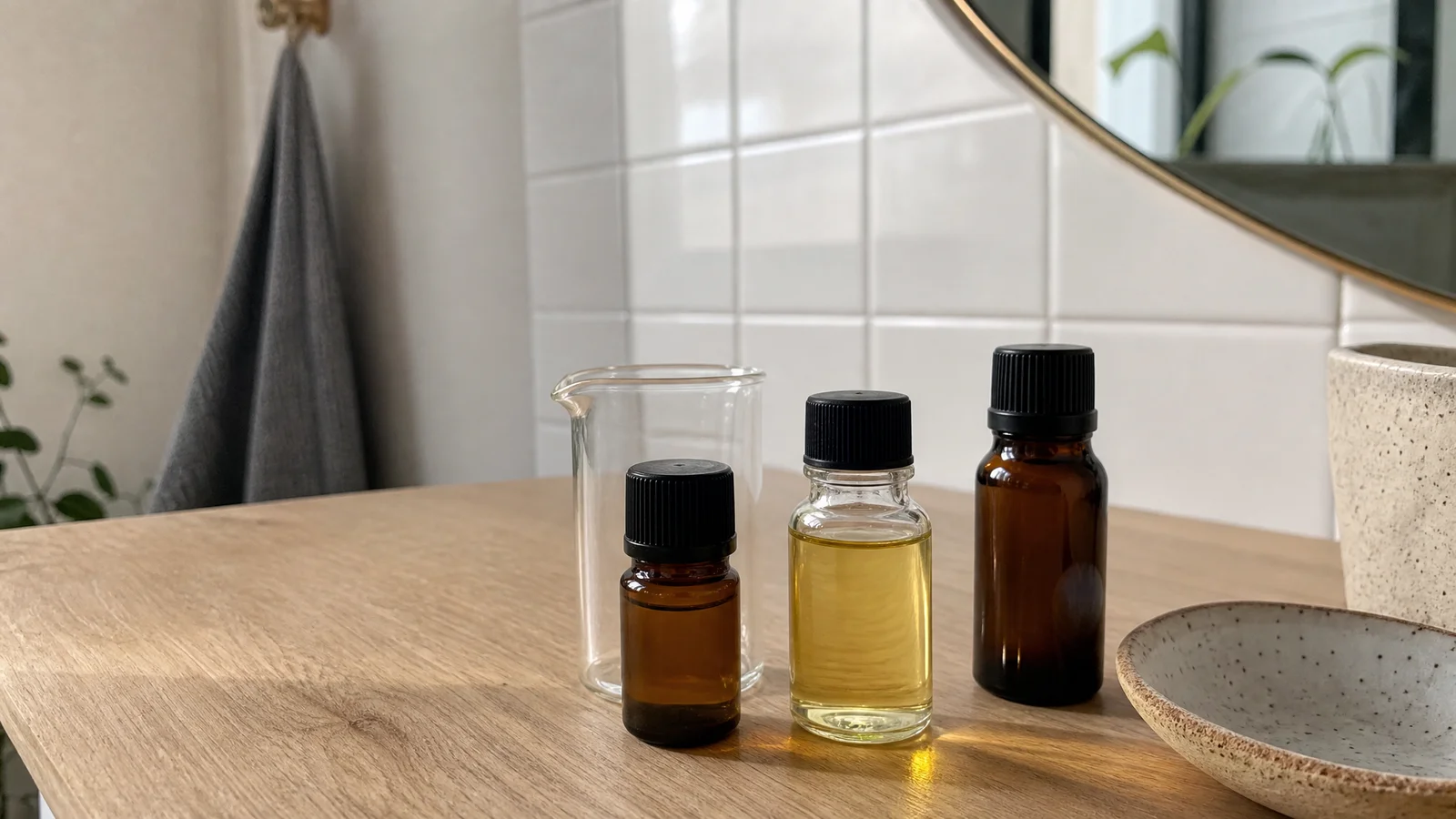
Keep the oil to the air and the labelled uses. The US National Center for Complementary and Integrative Health notes that essential oils are most often inhaled or used diluted on the skin (Aromatherapy | NCCIH). A little in a diffuser can make the room smell of a baking day without anything going in the batter, and our guides to diffusing tangerine oil and holiday diffuser blends have the details. For a cleaner that smells like fruit, see our citrus spray post. And if you are weighing a tangerine oil against a fragrance oil, our comparison helps you read a label.
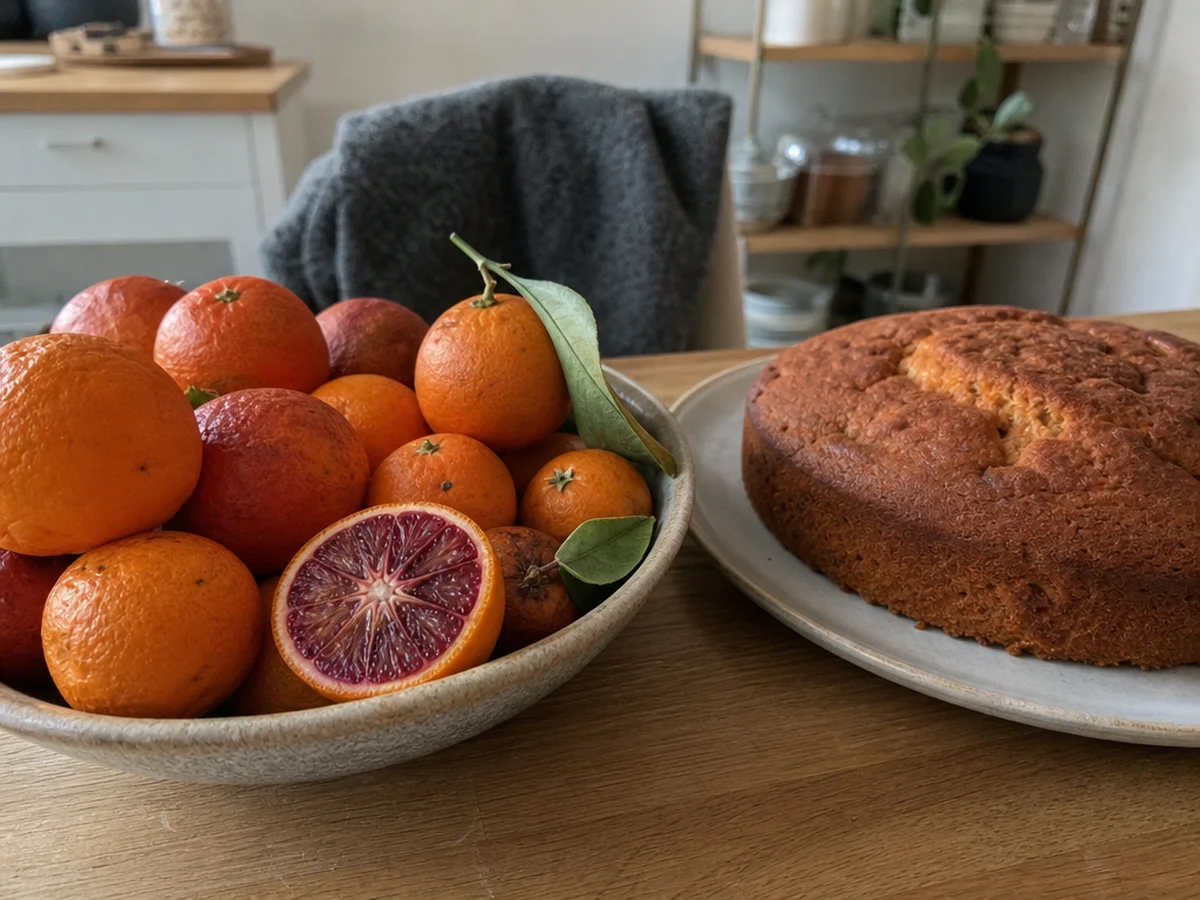
Keep the cap tight, since Tisserand notes oils generally last at least one to two years before oxidation sets in, and the shelf life we quote is typically 12 to 18 months with the cap closed and the bottle kept cool and dark. Meanwhile, the cake wants an orange or two, a microplane and a warm kitchen.
Tangerine Essential Oil
Tangerine Essential Oil from our own shop, in sizes from 0.5 oz to bulk.
From $12.99
Shop Now →Sources & Further Reading
- Essential oils, oleoresins (solvent-free), and natural extractives (including distillates) (21 CFR 182.20)
- Safety and efficacy of a feed additive consisting of expressed mandarin oil from the fruit peels of Citrus reticulata Blanco for use in all animal species (FEFANA asbl) (EFSA Journal, 2021)
- How big is a drop? (Tisserand Institute)
- Essential oils: Poisonous when misused (Poison Control)
- Aromatherapy | NCCIH