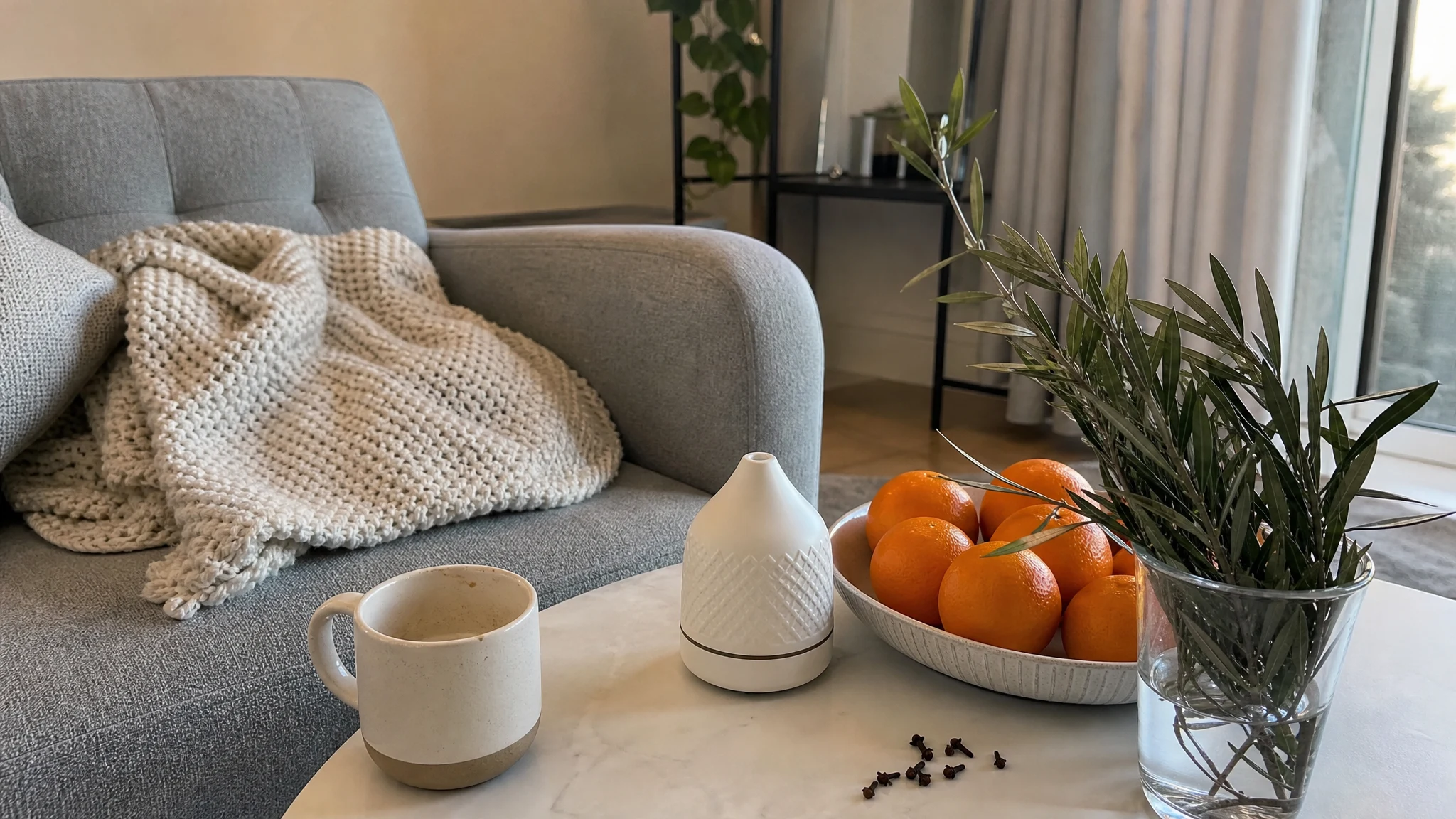
Holiday Diffuser Blends With Tangerine, Clove and Cinnamon
Tangerine, cinnamon and clove is the smell most of us associate with December: sweet fruit up front, warm spice behind. It is also an easy blend to overdo. A diffuser tank takes only a handful of drops in total, so a single drop of a spice oil can be a big slice of the whole mix. The trick is to let tangerine lead and keep the spice to a whisper.
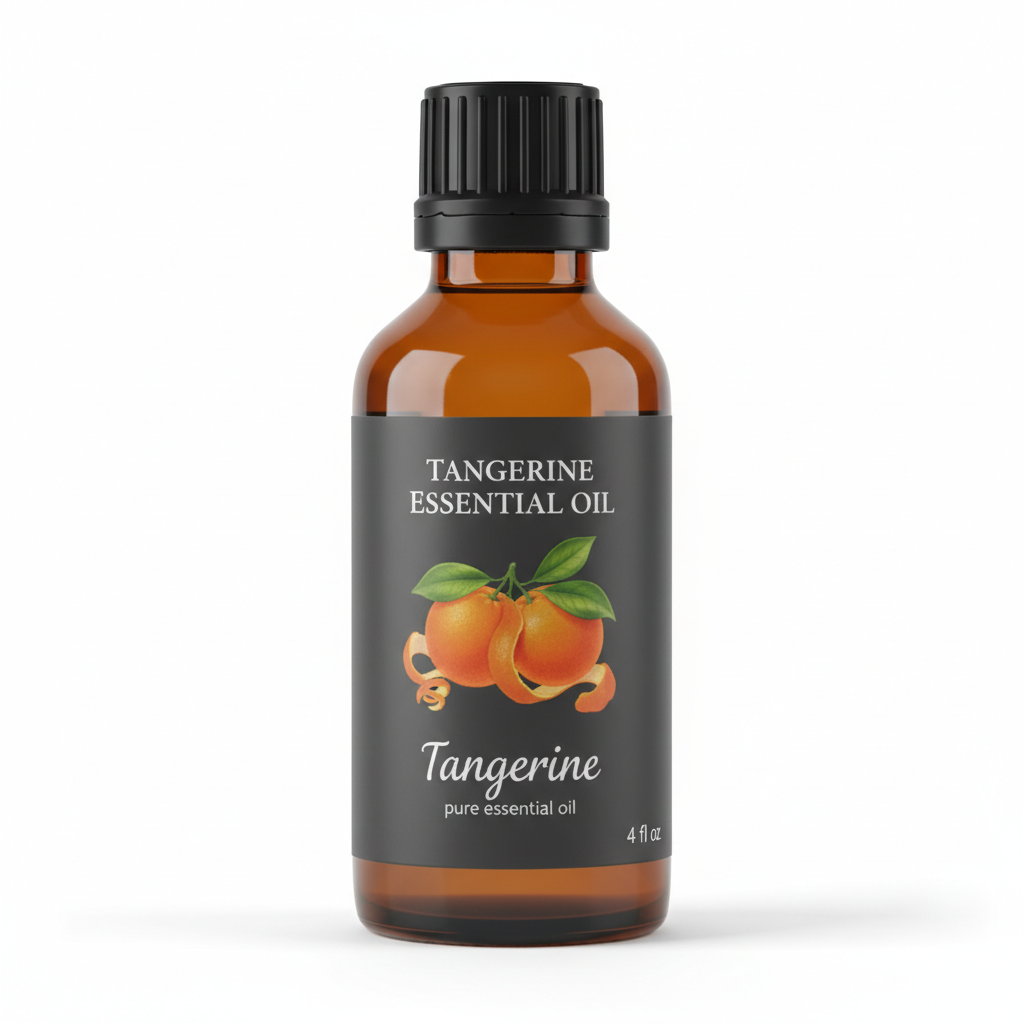
Tangerine Essential Oil
Our own Tangerine Essential Oil, in sizes from 0.5 oz to bulk.
From $12.99
Shop Now →Why spice oils get the smaller share
Clove bud oil is mostly eugenol; EFSA's opinion on clove oils gives a specification of 67 to 85% eugenol and says the oils should be considered irritants to skin, eyes and the respiratory tract and skin sensitisers. That opinion concerns animal feed additives, so it is a description of the material, not a household limit. But it tells us what kind of ingredient we're dealing with: powerful, and worth measuring in fractions. Cinnamon bark oil sits in the same family of strong spice oils, so the same habit applies.
Tangerine is the gentle partner here. We list vanilla, cinnamon, neroli, sweet orange, bergamot and ylang ylang as oils that blend well with tangerine, and in a holiday mix the citrus does the talking while the spice adds warmth. We sell only tangerine, so clove, cinnamon, vanilla and conifer oils come from an aromatherapy or craft supplier. Ask for each botanical name and its safety data sheet.
A master blend, made by weight
Rather than counting drops into a tank every time, mix a small master blend once and use it all season. Weighing is more accurate than drops, and the Tisserand Institute notes that drops per millilitre run from about 20 to 40 depending on the oil and the dropper. These are our suggestions, built on arithmetic. Make about 5 g at a time.
| Blend | Tangerine | Partner |
|---|---|---|
| Tangerine and clove | 4.90 g (98%) | clove bud 0.10 g (2%) |
| Tangerine and cinnamon bark | 4.95 g (99%) | cinnamon bark 0.05 g (1%) |
| Tangerine, clove and cinnamon | 4.85 g (97%) | clove 0.10 g, cinnamon bark 0.05 g |
| Tangerine and evergreen | 4.00 g (80%) | fir, pine or cedar oil 1.00 g (20%) |
The arithmetic, using a rough 20 drops per millilitre and the density of the batch on our published Certificate of Analysis (0.846 g/ml for that batch): a five-drop session is about 0.2 g of blend, so 5 g covers around two dozen sessions. In the clove blend, each session then carries only a few milligrams of clove oil. Those milligram figures are shares of the blend, not a measure of what ends up in the air, which depends on your diffuser and room.
The evergreen version is a good choice if you want a Christmas-tree feel without any spice at all.
Running the diffuser sensibly
Use the amount your diffuser's manual recommends; five drops is an example we've worked from, not a universal figure. The EPA's guidance on home humidifiers applies to ultrasonic diffusers too, since they are the same kind of machine: it says ultrasonic units can disperse minerals and microorganisms from the tank into the air, and recommends emptying and drying the tank daily and cleaning it every third day, ideally with distilled water. A tidy tank matters more to the experience than any single oil choice.
Keep spice blends out of children's bedrooms, and don't diffuse where cats or birds live. Pet Poison Helpline says cats and birds are at greatest risk from essential oils and lists citrus oils among those that can cause poisoning. If you have asthma or react to scented products, check with your physician or allergist before adding spice oils. Bottles of any essential oil should stay out of children's reach, and none of these oils are for swallowing.
Building the scene around the scent
A holiday smell is more than the oil in the tank. Think of the whole room: a bowl of tangerines on the table, a cinnamon stick or two in a dish, a string of lights, maybe a pot of water with a few strips of peel and a cinnamon stick left to simmer on a low flame while you cook. Layering a little real fruit and spice beside the diffuser means you can keep the oil gentle, because the room is already doing some of the work. Just watch the simmering pot so it never boils dry.
Notice too how the blend moves through the evening. Tangerine is the first thing you catch when you walk in, then the warmth of the spice comes forward as the citrus eases off. That arc is the reason we like to keep tangerine in the lead.
Fresh oil smells better
A bottle opened once a year and left in a warm cupboard is the usual way a citrus oil loses its sparkle. The Tisserand Institute says citrus oils can go cloudy as they oxidise, and that refrigeration roughly doubles useful life. We recommend a size you'll finish in a season, with the cap tight and the bottle kept cool.
For more everyday combinations see our tangerine diffuser blends, for run times and cleaning the diffusing guide, and for non-spice pairings tangerine oil blends.
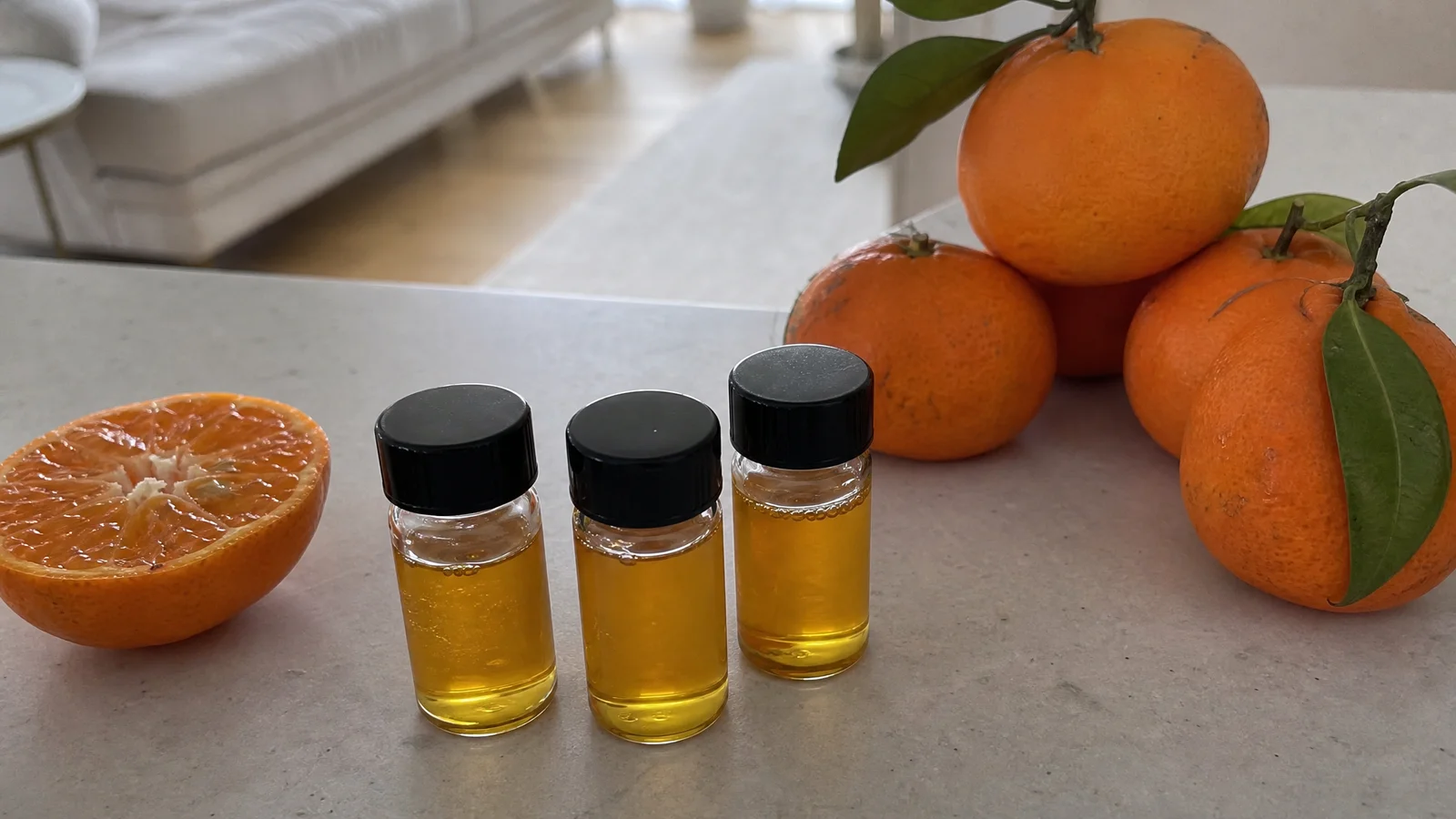
When you mix a master blend, label the jar with what is in it and the date. A small amber or dark glass bottle with a tight cap is a lovely home for it, tucked in a cupboard until the first cold evening. Smell it fresh, smell it again after a week, and trust your nose if you decide the spice wants to be a hair softer.
Keep the spice small, the tank clean and the tangerine bright, and the whole room smells like the holidays.
Tangerine Essential Oil
Tangerine Essential Oil from our own shop, in sizes from 0.5 oz to bulk.
From $12.99
Shop Now →Sources & Further Reading
- EFSA FEEDAP Panel. Safety and efficacy of feed additives consisting of essential oils derived from the flower buds or the leaves of Syzygium aromaticum (L.) Merr. & L.M. Perry (clove bud oil and clove leaf oils) for all animal species (FEFANA asbl)
- US EPA. Use and Care of Home Humidifiers
- Pet Poison Helpline. Essential Oils
- Tisserand Institute. How big is a drop?
- Tisserand Institute. Is my bottle of essential oil oxidized or no longer good to use?