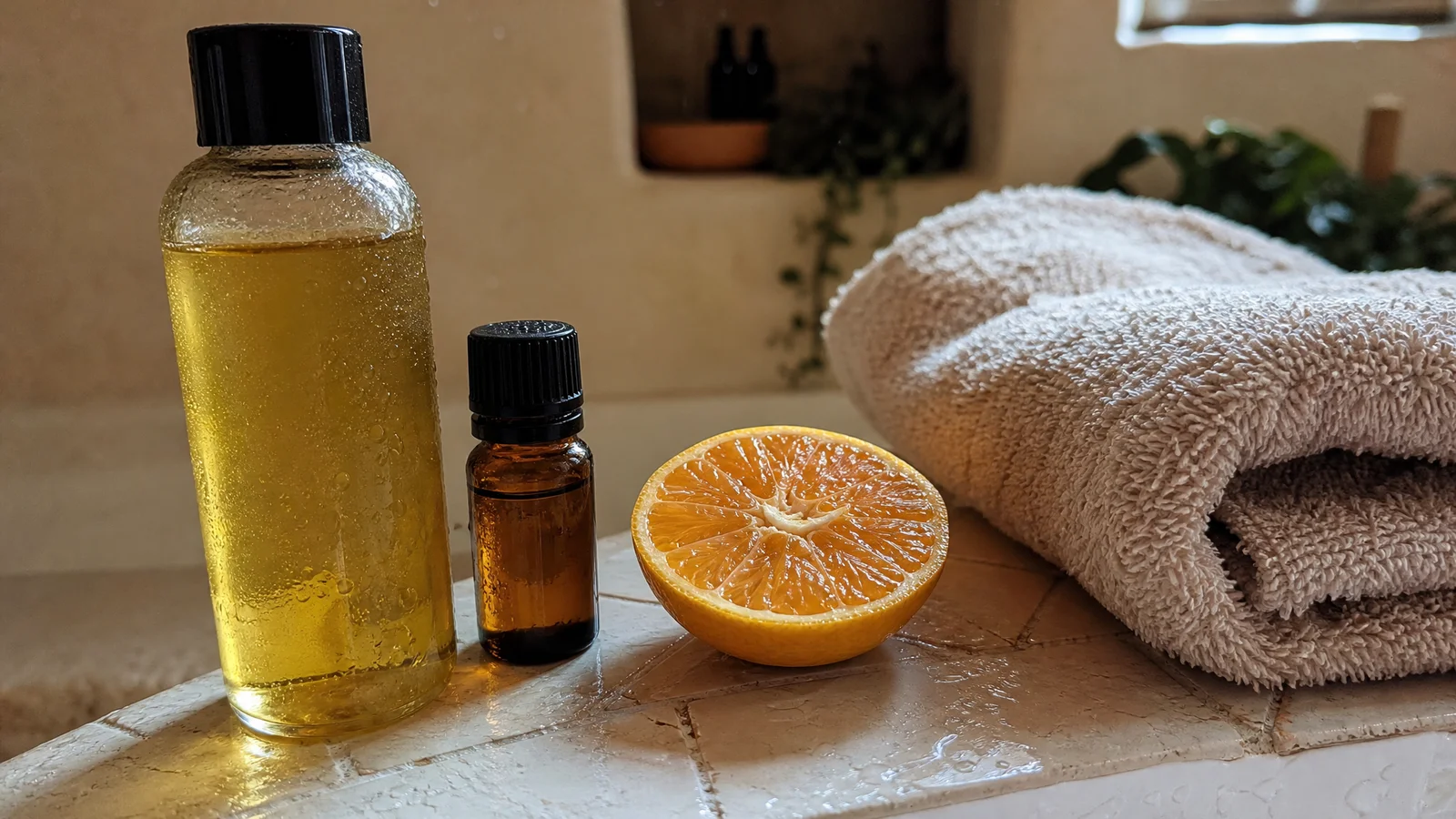
Tangerine Body Oil Recipe for After the Shower
There is a particular pleasure in a body oil that smells like a peeled tangerine: you step out of the shower, smooth it over damp skin, and the bathroom turns sunny. It is easy to make, and the only real decisions are how much tangerine to add and when to wear it. Both have simple answers.
Tangerine Essential Oil
Our own Tangerine Essential Oil, in sizes from 0.5 oz to bulk.
From $12.99
Shop Now →The recipe
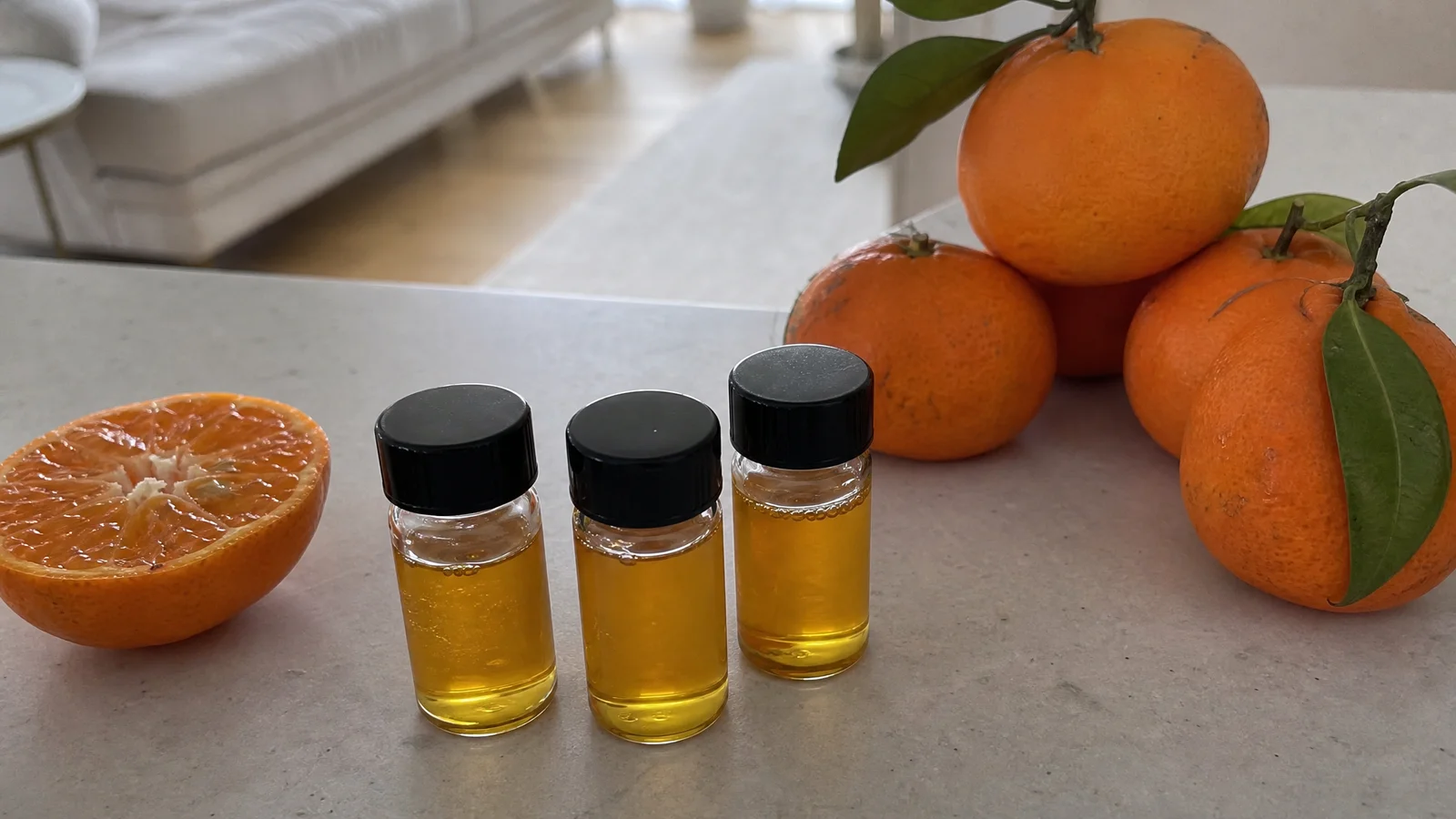
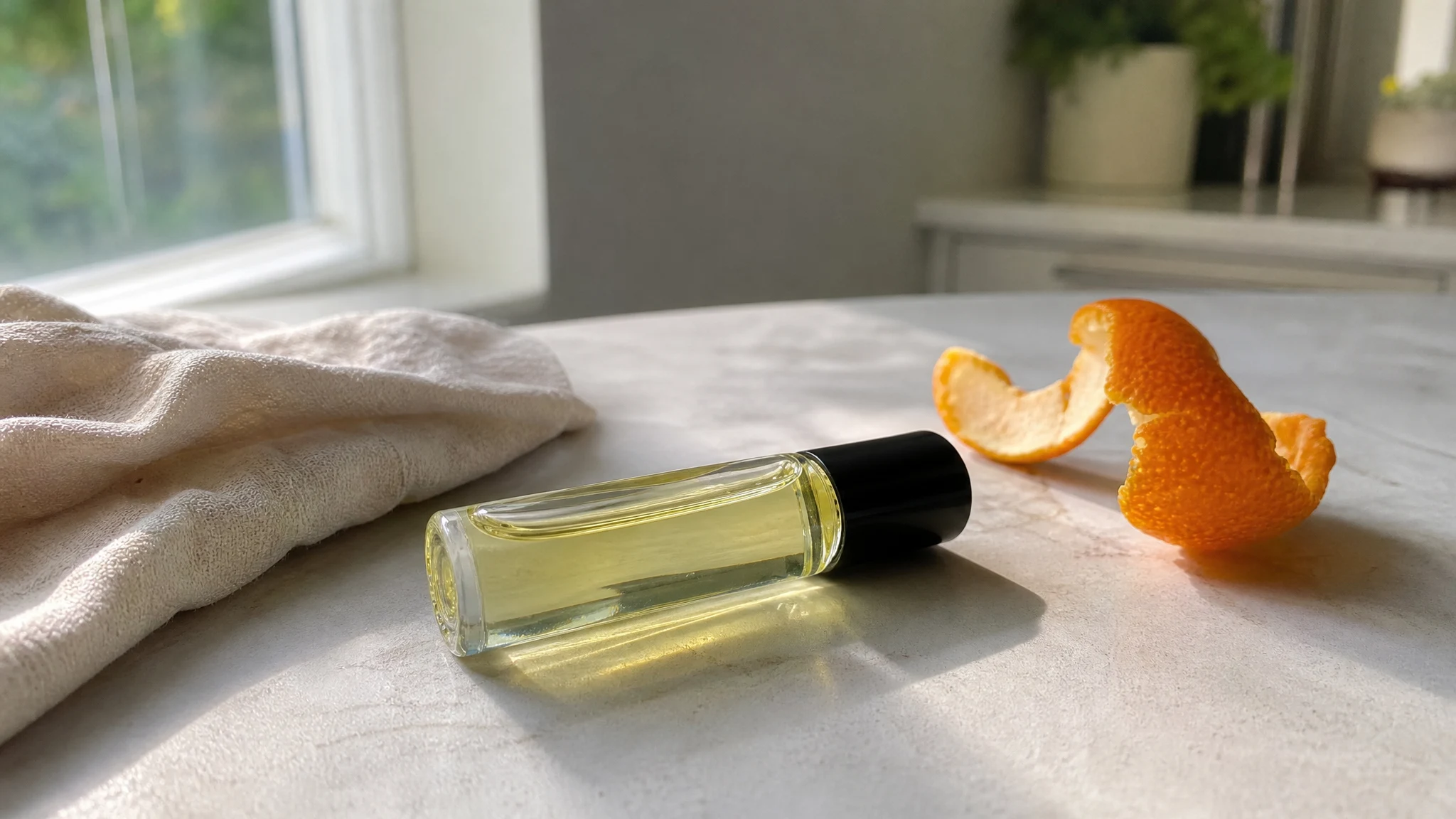
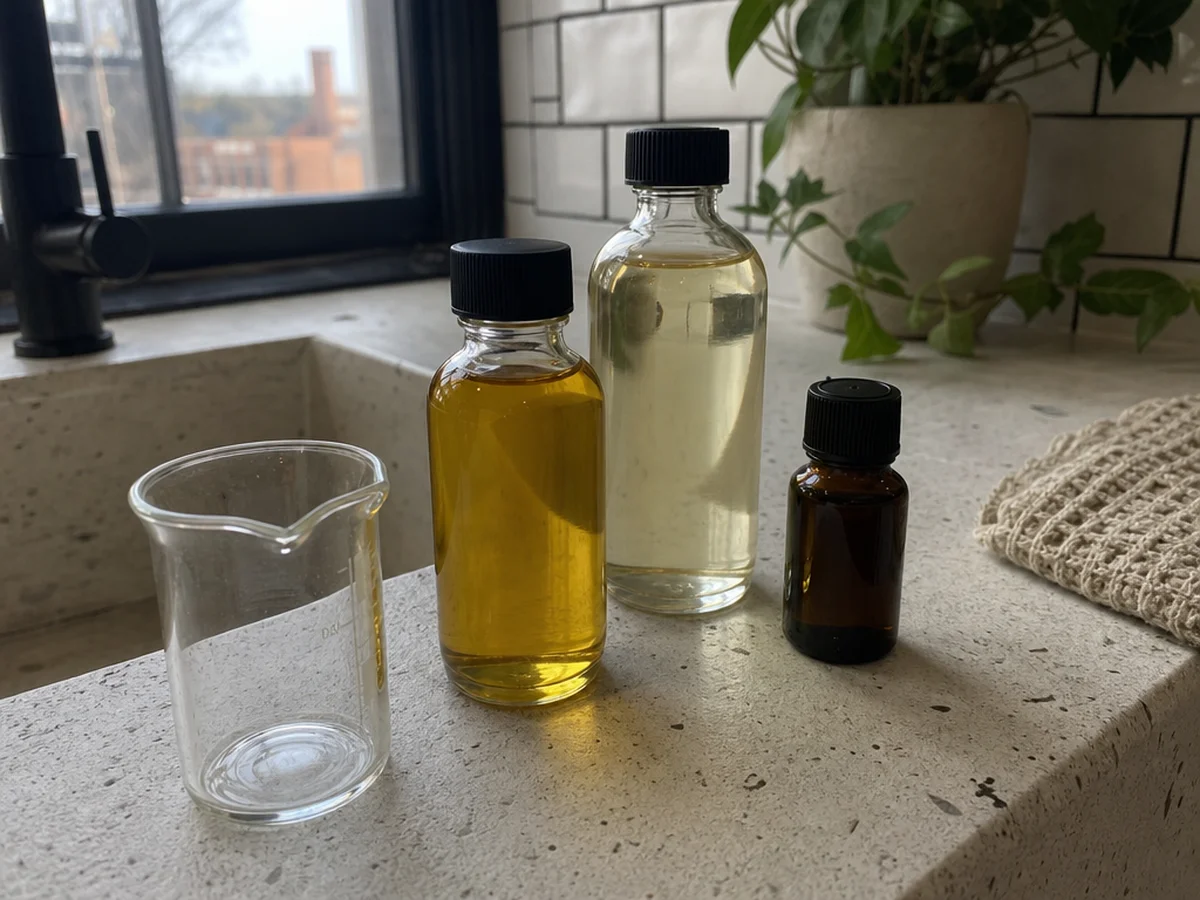
You need a carrier oil, which we do not sell, so pick up jojoba or sweet almond at a pharmacy, grocery or craft supplier, and a clean dark glass bottle with a pump or dropper top. Our formulation, worked out from the figures below rather than from batches we have made, is:
- 60 ml (2 oz) of carrier oil
- 6 drops of tangerine oil for a light scent, or up to 12 drops for a stronger one
Here is the arithmetic. Using a round 20 drops per millilitre, 6 drops is 0.3 ml, which is 0.5% of 60 ml, and 12 drops is 1%. Drops are never exact, and Tisserand notes that real droppers vary from about 20 to 40 drops per millilitre (How big is a drop? - Tisserand Institute), so if you want precision, measure with a small syringe. Our dilution guidance for tangerine is 0.5% to 2% in a carrier oil. For a body oil that covers a lot of skin, we like to stay in the lower half of that range, and the lighter version is plenty fragrant.
Add the tangerine to the carrier, cap, and roll the bottle gently between your palms. Label it with the date. Our carrier oil comparison will help you choose, and our dilution guide covers other batch sizes.
How to use it
A little goes a long way. After your shower, pat yourself dry but leave the skin slightly damp, pour a small amount into your palm and rub your hands together for a moment to warm it. Smooth it over arms and legs in long strokes, and notice how quickly the tangerine fades into a soft, sweet background. You can always add a bit more, but you cannot take it back off. Give it a few minutes to settle before you get dressed.
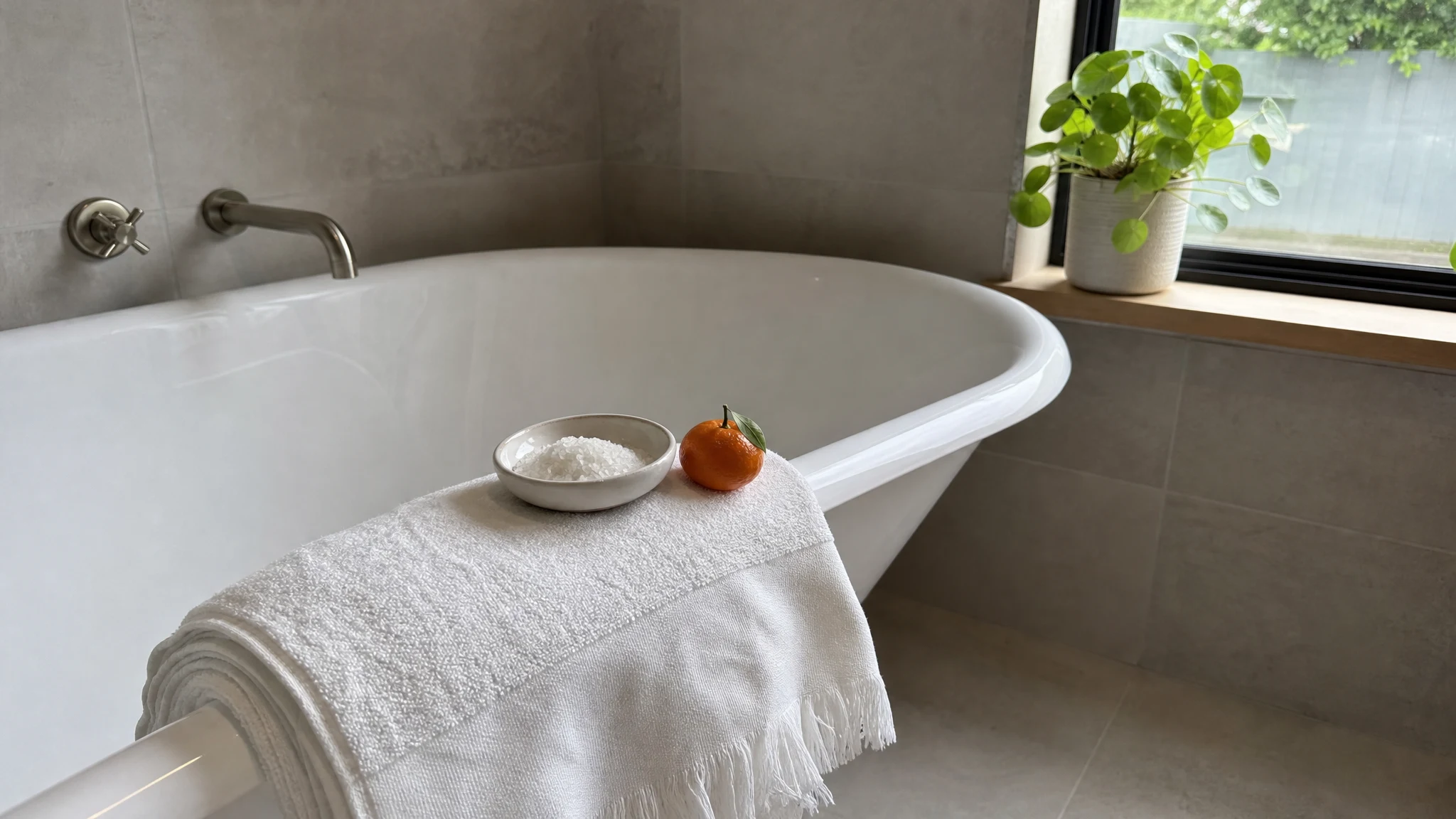
Keep a dedicated towel or old t-shirt near the bottle. Oils can mark light fabrics and bath mats, and a warm, oily floor is slippery, so step out of the tub carefully and wipe your feet before you walk on tile.
Patch test first
Before you cover a large area, test a small one. The American Academy of Dermatology suggests applying a quarter-sized spot to the inside of the elbow or the underside of the arm, twice daily for seven to ten days (How to test skin care products - American Academy of Dermatology). If you see redness, itching or a rash, stop and rinse the oil away. If you are pregnant, nursing, managing a medical condition or making this for a child, check with your physician first; our post on children covers what authorities say.
Why we suggest evenings
Citrus peel oils can make skin more sensitive to light, and tangerine sits at the gentle end of that spectrum. The Tisserand Institute lists expressed tangerine among oils with extremely small amounts of furanocoumarins, not enough to make them phototoxic, and still advises keeping skin out of UV for at least 12 hours after a phototoxic oil (Phototoxicity: essential oils, sun and safety - Tisserand Institute). IFRA's citrus standard lists cold-pressed tangerine at a typical 50 ppm of furocoumarins and notes that is not high enough to require special restriction when the oil is used alone (IFRA Standard: Citrus oils and other furocoumarins containing essential oils (Amendment 49, 2020)). We advise avoiding sun on freshly applied areas, and a body oil covers more skin than most blends, so the easy habit is to wear it at night. Put it on after an evening shower, enjoy the scent while you wind down, and the sun question answers itself.
Making your first bottle
For a first try, make a half batch so you do not commit to a big bottle of something you might want tweaked. Pour in the carrier, add the drops, cap it and roll it, then smell it from arm's length. It will smell far gentler than the neat oil on your hand, and that is the right result. Wait a day, open it again and see whether the scent is where you want it. If it is a little faint, you can make the next bottle at a slightly higher percentage within our range, rather than trying to fix this one.
Keep the oil fresh
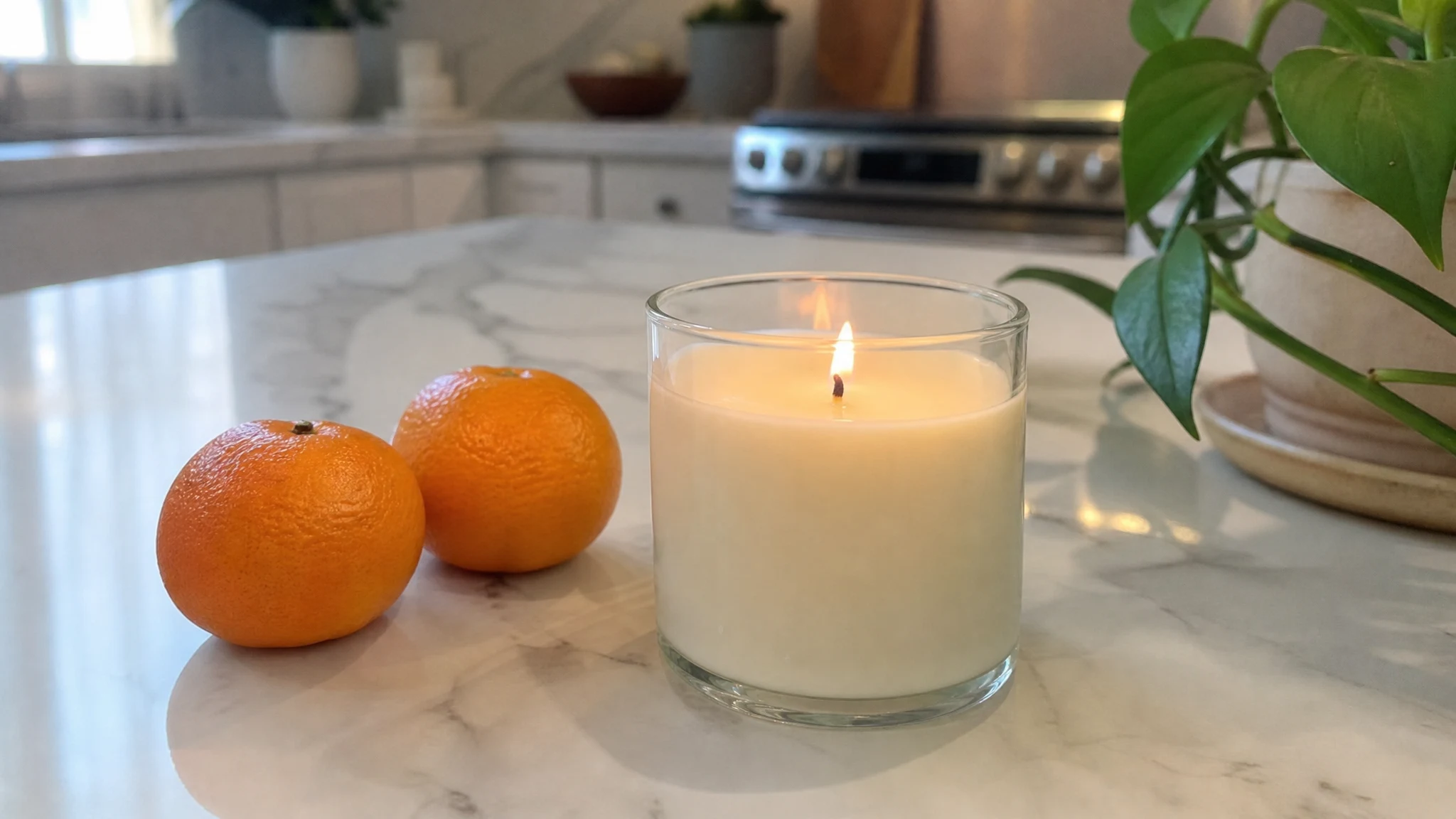
The brightness of tangerine is also its delicate side. Limonene, its main component, reacts with air as the oil ages, and a patch-test study found air-oxidized limonene triggered reactions in some dermatitis patients (An international multicentre study on the allergenic activity of air-oxidized R-limonene. Contact Dermatitis, 2013). That is why we recommend fresh oil and a tightly capped bottle. The Tisserand Institute says most oils keep well for at least one to two years and that refrigeration will about double their useful lifespan (Is my bottle of essential oil oxidized or no longer good to use? - Tisserand Institute). Make your body oil in modest amounts, keep it in a cool cupboard, and use it within a few months, so the scent stays as bright as the day you blended it. Our guide to storing tangerine oil has more.
If you would like to take the idea further, our face oil uses a lower dose still. For a shower-fresh finish, though, a few drops in a bottle of oil and an evening routine is all you need.
Tangerine Essential Oil
Tangerine Essential Oil from our own shop, in sizes from 0.5 oz to bulk.
From $12.99
Shop Now →Sources & Further Reading
- How big is a drop? - Tisserand Institute
- How to test skin care products - American Academy of Dermatology
- Phototoxicity: essential oils, sun and safety - Tisserand Institute
- IFRA Standard: Citrus oils and other furocoumarins containing essential oils (Amendment 49, 2020)
- An international multicentre study on the allergenic activity of air-oxidized R-limonene. Contact Dermatitis, 2013
- Is my bottle of essential oil oxidized or no longer good to use? - Tisserand Institute