Can You Scent a Candle With Tangerine Oil?
A candle made with tangerine essential oil will smell like tangerine, but probably softer than the candle you are picturing. Citrus peel oil is light, fast and flammable, and a candle pot is hot, so the gap between the fruit-stand dream and the finished candle is mostly about temperature. Knowing that up front makes for a much better first pour.
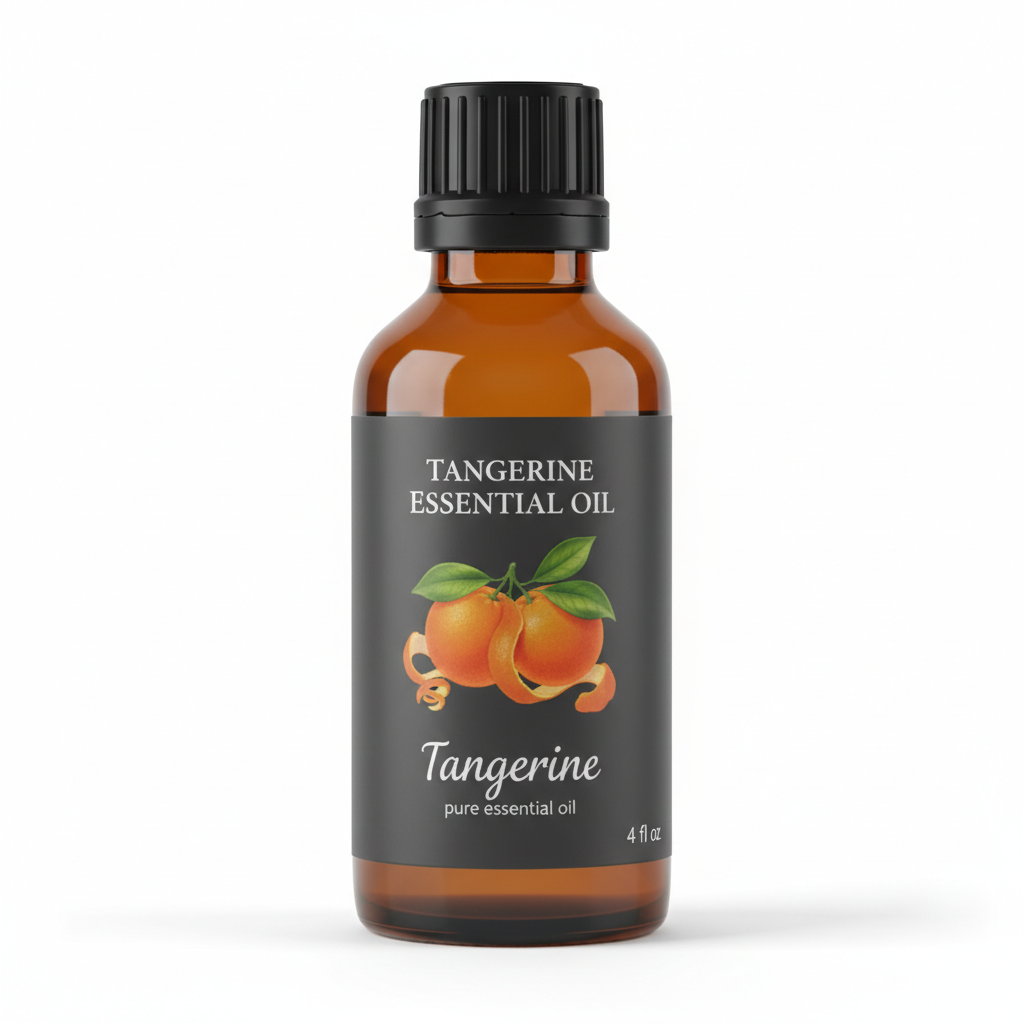
Tangerine Essential Oil
Our own Tangerine Essential Oil, in sizes from 0.5 oz to bulk.
From $12.99
Shop Now →Why citrus is a gentle candle scent
Limonene, the main component of citrus peel oils, evaporates readily; the European Food Safety Authority's specification for expressed mandarin oil, a close relative of tangerine, puts d-limonene at 65 to 80% of the oil. That lightness is why tangerine smells so bright from the bottle. It is also why a good share can leave the melted wax while you stir and pour, before the candle is ever lit. This is reasoning from the oil's nature, not a throw measurement.
If you want a loud, long-throwing citrus candle, a fragrance oil made for candles is a different, tested material, and we explain how it differs from our essential oil in this comparison. If you want a gentle, natural-smelling tangerine candle, essential oil is a lovely choice.
What to expect from the finished candle
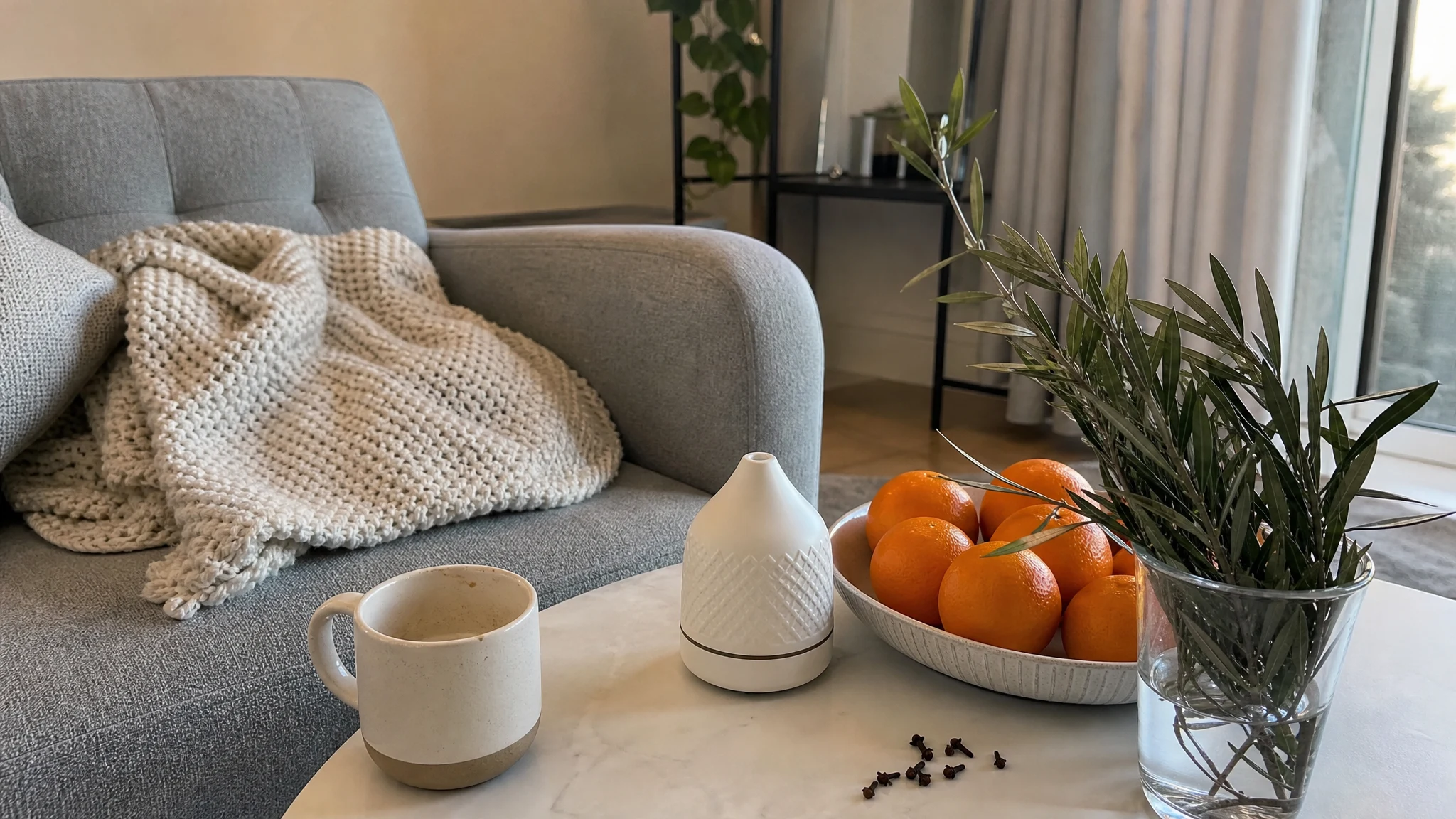
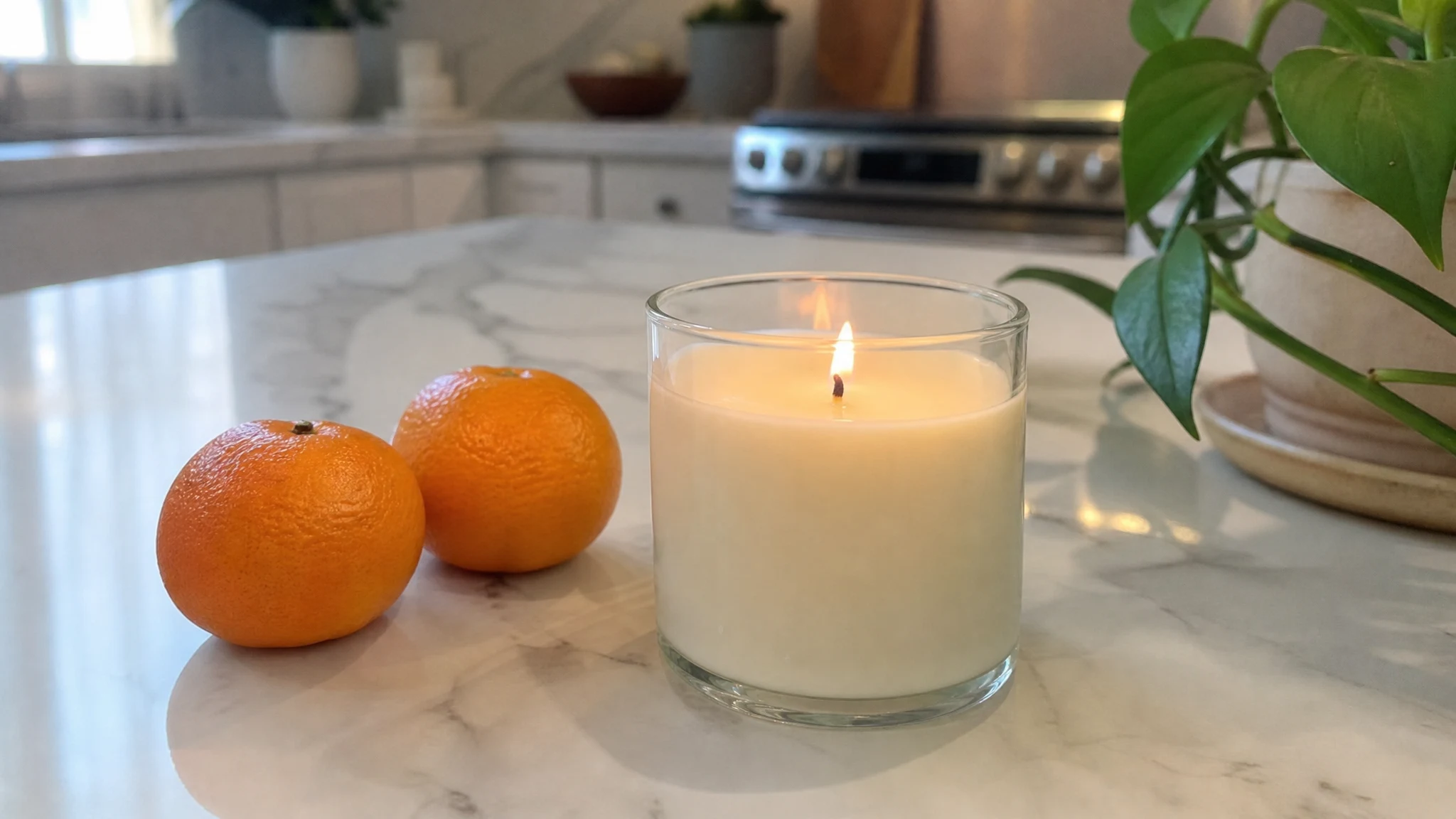
Set your expectations by nose, not by the bottle. Open the tangerine oil and you get that juicy, candy-bright burst. Light a candle made with it and the scent arrives more quietly, a sweet, sunny hint that fills a small room rather than shouting across a big one. That is why we think of tangerine as a bathroom-shelf or desk-corner candle, the kind you notice when you walk in and then forget until you catch it again.
When you test your first candle, give it a proper sniff session. Smell the cold wax, light it, and come back after twenty minutes, then again the next morning. Jot what you notice on a sticky label. That little notebook will teach you more than any chart.
Flash point and the pour
PubChem lists a closed-cup flash point of 45 C (113 F) for limonene, the lowest temperature at which its vapour can ignite near a flame. Wax is usually melted well above that, so the practical rules follow directly:
- Melt wax with an electric melter or a double boiler on a controlled source, never an open flame near the oil.
- Take the pot off the heat before adding the oil, and add it at the cooler end of the pour range your wax maker gives.
- Keep the oil bottle away from the heat source, ventilate, and cap the bottle straight away.
We have no safety data sheet for our oil, so we treat the limonene figure as a guide to the family of oils, not as our oil's own flash point.
How much oil
Wax makers typically publish a maximum fragrance load for each wax on its data sheet, and that ceiling applies to fragrance material in general, not to essential oils specifically. Treat it as a ceiling, not a target. We'd begin lower and judge the result. The arithmetic below is a suggestion for a 200 g pour; for density we use the batch on our Certificate of Analysis (0.846 g/ml, one batch) and roughly 20 drops per millilitre.
| Load | Oil by weight | Approx. drops |
|---|---|---|
| 3% | 6 g | about 140 |
| 6% | 12 g | about 280 |
Weigh the oil rather than counting drops; the Tisserand Institute notes that drops per millilitre vary from about 20 to 40, and at this scale that is a big difference. A 1 oz bottle of the batch on our certificate holds about 25 g, so a 3% candle uses roughly a quarter of an ounce. Higher loads cost proportionally more oil, and the sizes run from 0.5 oz upward on our shop page, so plan the quantity before you pour.
A first test candle
- Buy wax, wick, container and dye from a candle supplier, and use the wick chart for your container diameter.
- Melt 200 g of wax gently, then take it off the heat.
- Let it cool to the lower end of your wax's pour range, add 6 g of tangerine oil and stir slowly.
- Pour, and let the candle cure for the time your wax data sheet gives before lighting it.
- If you adjust, change one thing at a time so you can tell what helped.
Burn it as you would any candle: never leave it unattended, keep it away from anything that can catch, use a heat-safe holder, and keep it out of reach of children and pets. For birds and cats, particularly, scented products are best left out of the room, and Pet Poison Helpline lists citrus oils among essential oils that can cause poisoning.
Choosing a container and a mood
Tangerine says winter citrus to us, so we like to picture it in amber glass or a plain tin, with cream-coloured wax and a simple kraft label. A wide, shallow container gives the scent more surface to spread from; a tall, narrow jar burns in a tighter column. Neither is wrong, so choose the one you love to look at.
Keep the first batch small, one or two candles, so a miss costs you very little. Label each with the date, the wax, the wick and the percentage, and you will always know which version you preferred.
A note on scent and skin
Candle wax stays in the candle, so skin contact is not the question it is with body products. If you handle the neat oil, remember EFSA's conclusion that expressed mandarin oil should be considered an irritant to skin, eyes and the respiratory tract and a skin sensitiser; wipe up drips and wash your hands. For other craft uses, our soap post works through the numbers for another project, and the sizes post helps you pick a bottle.
If a candle turns out softer than you hoped, try not to chase it by pouring in more oil. A candle that whispers tangerine and burns cleanly is a better gift than one that smells loud and looks scorched.
Start modest, pour cool, and a tangerine candle can be a quietly cheerful thing on a winter shelf.
Tangerine Essential Oil
Tangerine Essential Oil from our own shop, in sizes from 0.5 oz to bulk.
From $12.99
Shop Now →Sources & Further Reading
- PubChem. Limonene (CID 22311), flash point section
- EFSA FEEDAP Panel. Safety and efficacy of a feed additive consisting of expressed mandarin oil from the fruit peels of Citrus reticulata Blanco for use in all animal species (FEFANA asbl)
- Tisserand Institute. How big is a drop?
- Pet Poison Helpline. Essential Oils