Tangerine Oil vs Fragrance Oil: How to Read the Label
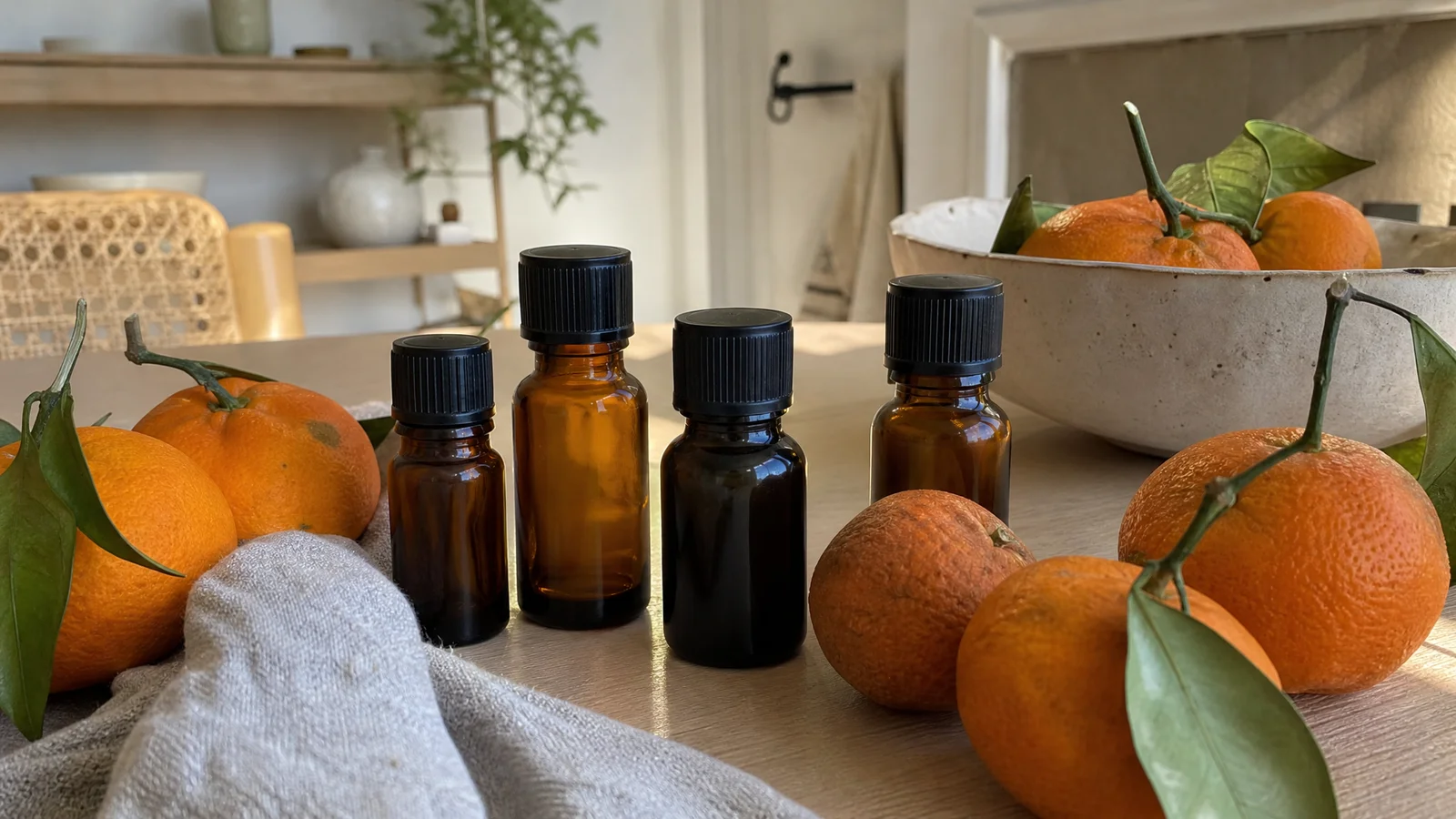
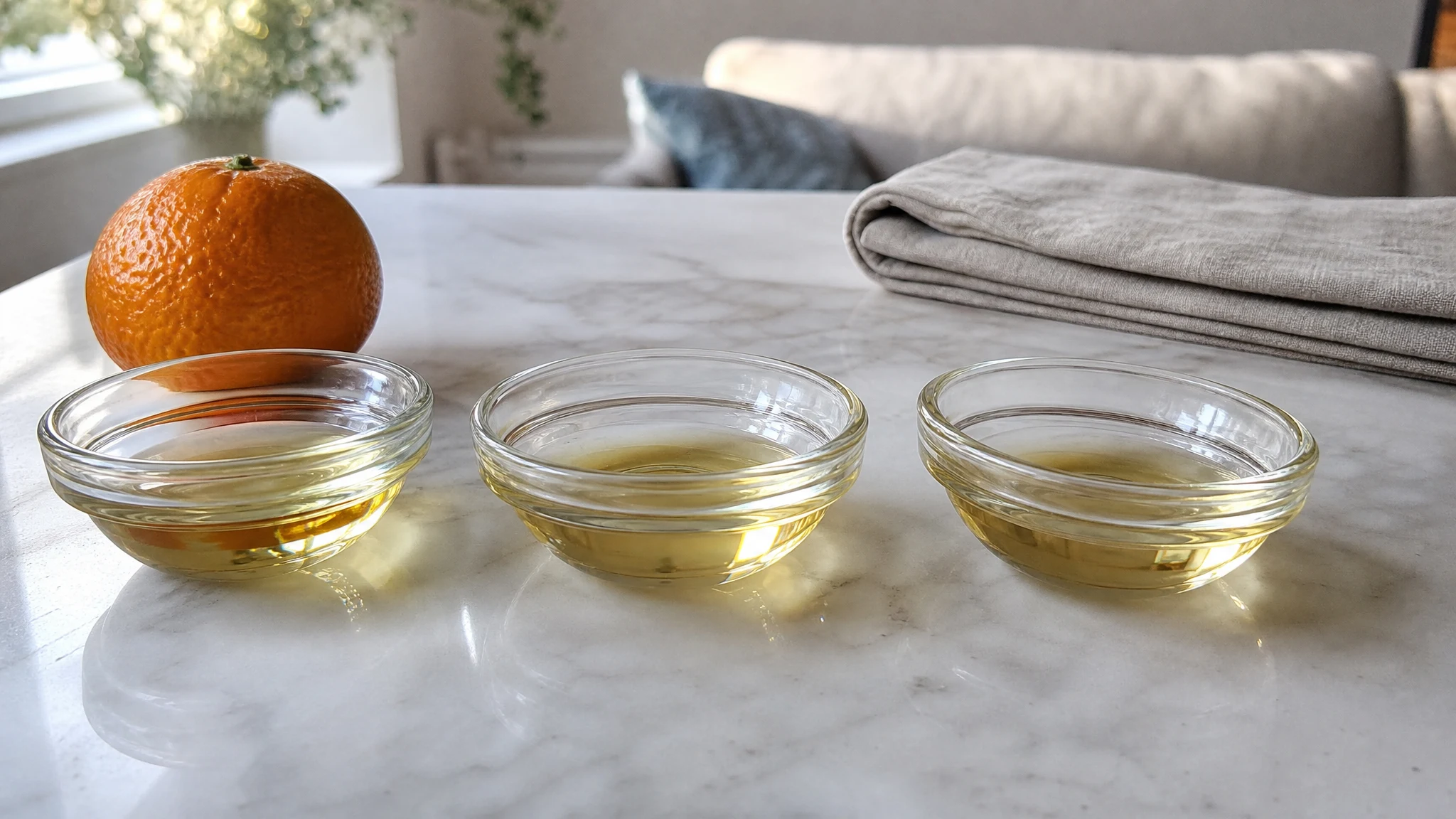
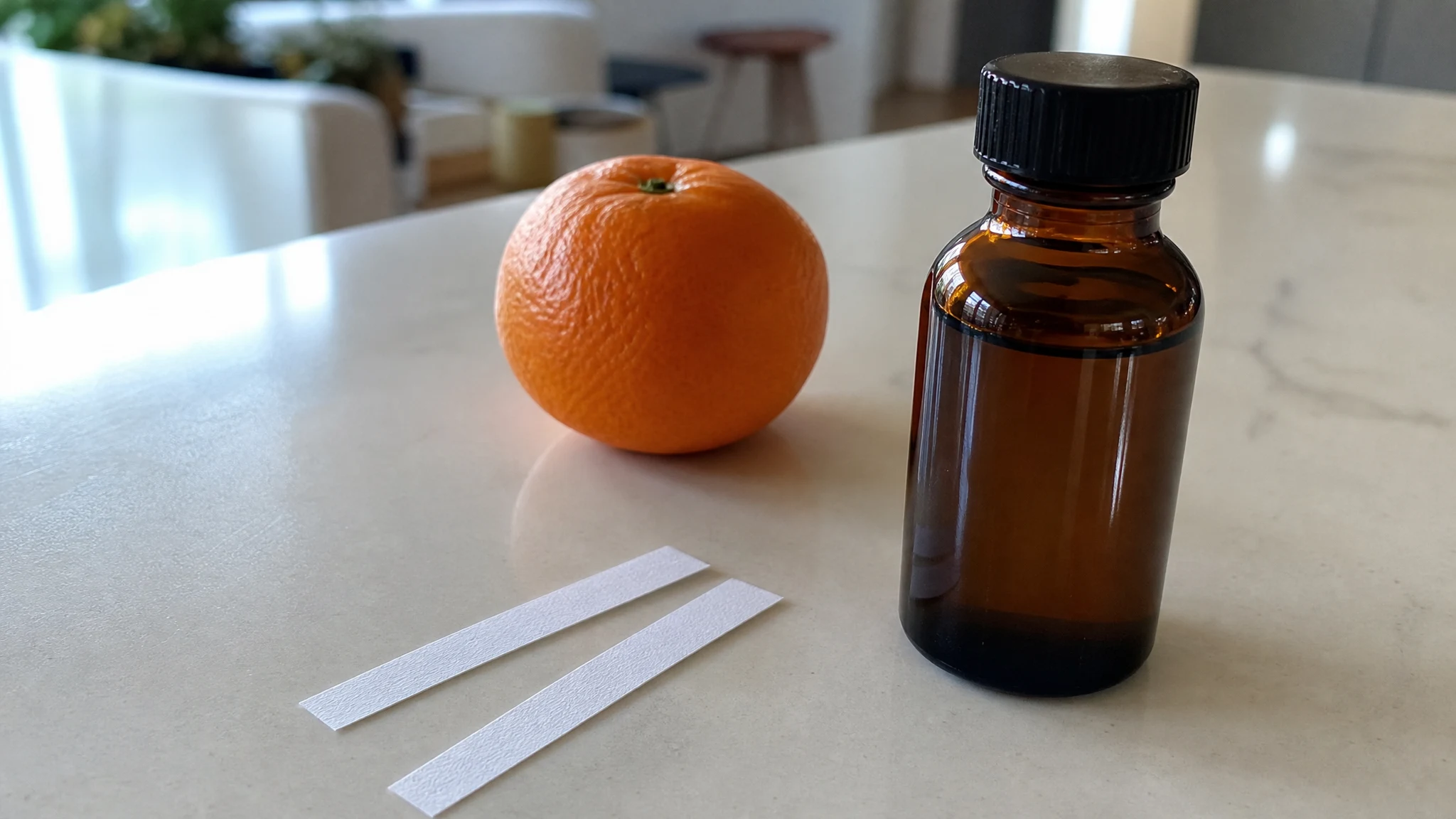
Two small bottles sit side by side, both printed with the word "tangerine," both smelling like a peeled mandarin in a bowl. One holds oil pressed from fruit peel. The other might hold that too, or a lab-built blend of aroma chemicals, or a mix of both. The front label rarely says, and in the United States it is not required to.
Tangerine Essential Oil
Our own Tangerine Essential Oil, in sizes from 0.5 oz to bulk.
From $12.99
Shop Now →What a label is allowed to leave out
For cosmetics, the FDA explains that fragrance and flavor ingredients can be listed on the ingredient list as simply "Fragrance" or "Flavor." It also notes that fragrance formulas are the components most likely to be treated as trade secrets, and that it lacks the same legal authority to require allergen labelling for cosmetics that it has for food. So "smells like tangerine" tells you very little about what is inside. That is not an accusation against any maker; it is how the labelling rules work, and it is the reason documents matter more than adjectives.
What tangerine peel oil is
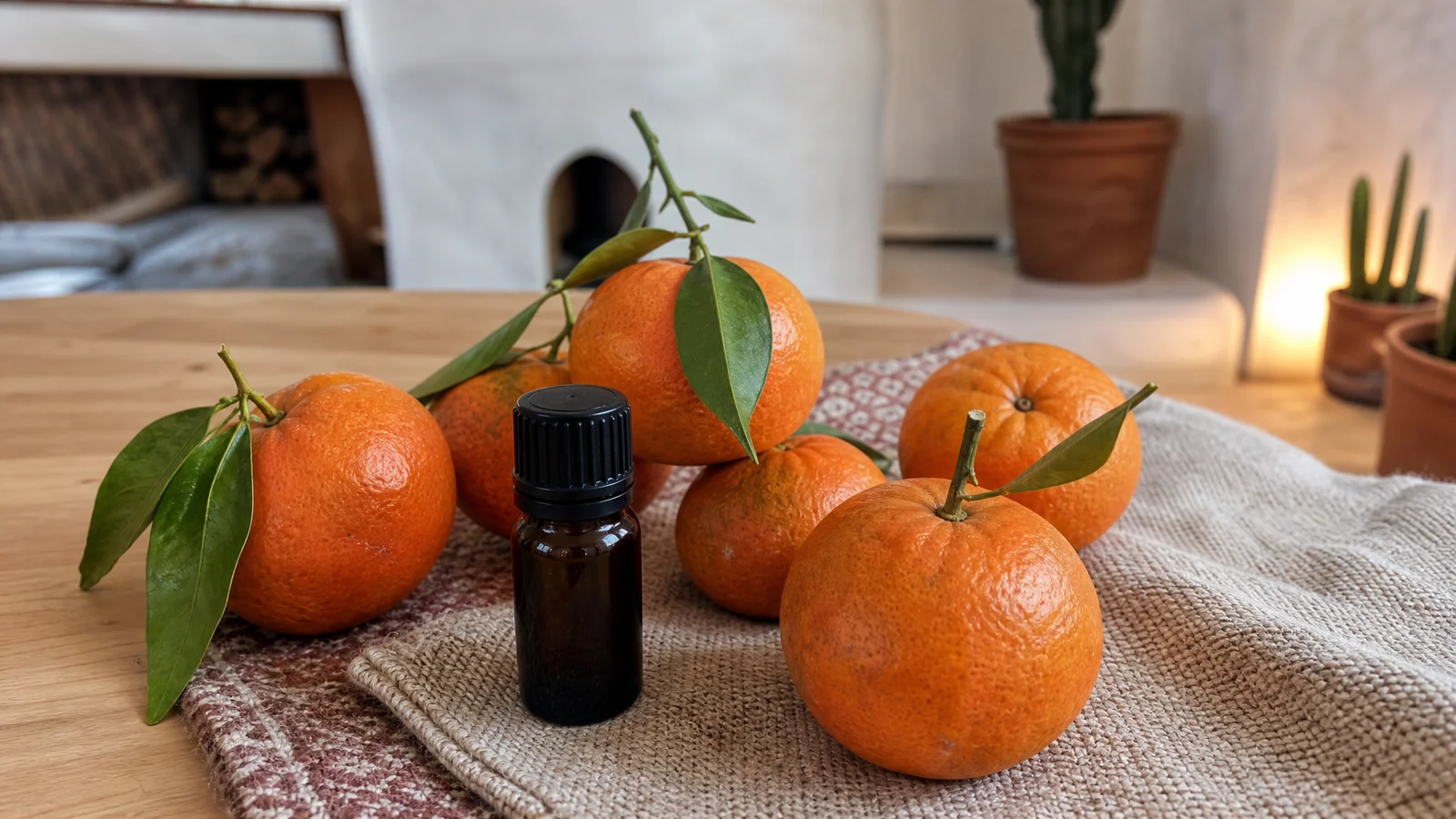
Tangerine essential oil is a cold-pressed citrus peel oil, and we describe ours as cold-pressed from the ripe peel, with a vivid, juicy, sweet, candy-bright aroma that reads as a top note. Cold-pressed citrus oil has no heating step: the fruit's surface is broken, the oil is collected, and the liquid is filtered and spun. Its main component is limonene, which is part of why it smells so clean and fruity, and also why it changes with age. We say a little more about that in our limonene guide.
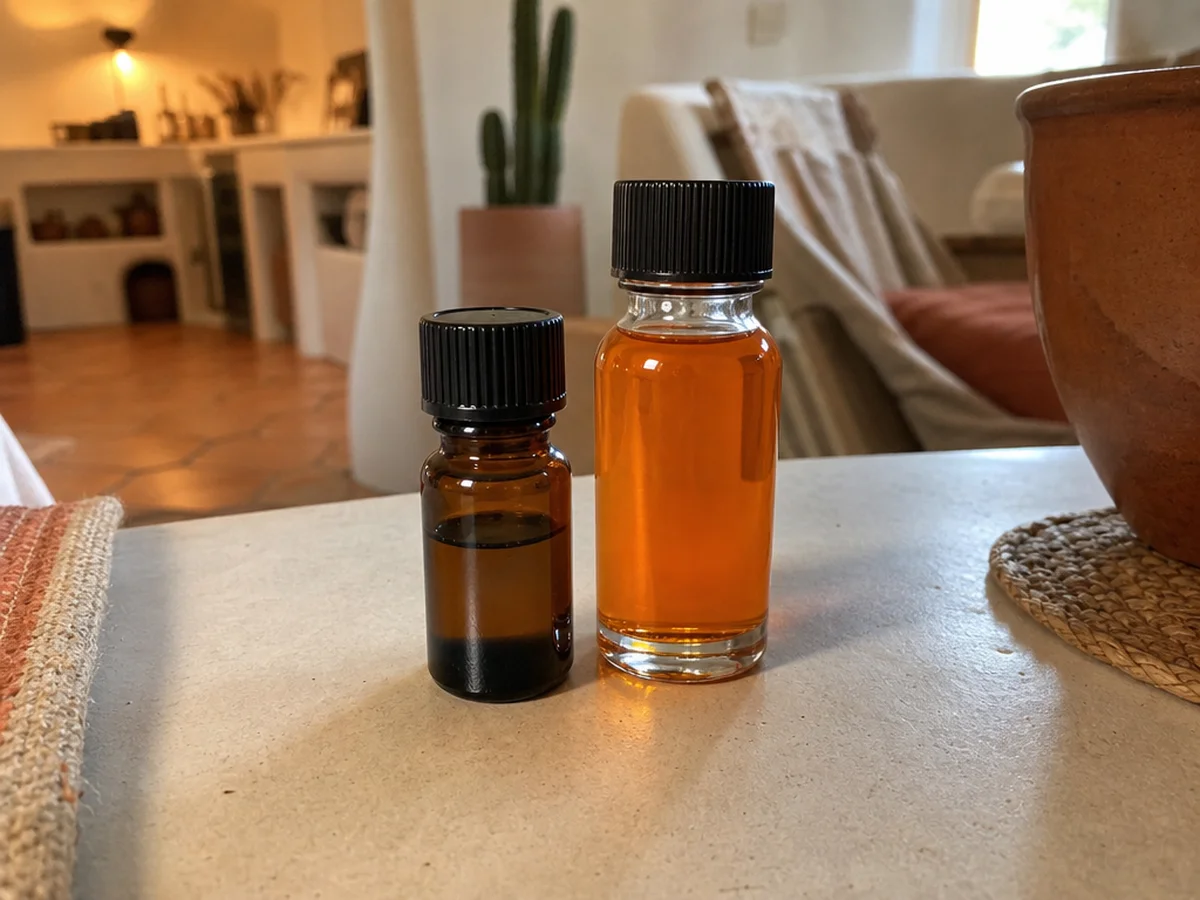
The same chemistry is worth knowing about when you compare bottles. Limonene reacts with air, and oxidised limonene is a recognised skin sensitiser. In a 2013 multicentre study of 2,900 dermatitis patients, 5.2% reacted to air-oxidised R-limonene at 3.0% in petrolatum, while unoxidised limonene was rarely or only weakly allergenic. The practical lesson is that a fresh, well-kept peel oil and an old, half-empty bottle are different materials on skin, whatever the label says. The Tisserand Institute notes that most essential oils keep well for at least one to two years and that refrigeration roughly doubles that, which is why we suggest buying the size you will finish and keeping the cap tight. Our storage guide has the habits.
Why "essential oil" alone is not a guarantee
A 2022 study of cold-pressed citrus oils, which screened 374 samples, opens by saying that citrus essential oils are routinely adulterated because regulations and reliable authentication methods are lacking. The study built its screening method around the oils' coumarin and furanocoumarin fingerprints; it was not a survey of retail shelves, so it cannot tell you how common this is. What it does tell you is that the words "essential oil" are a starting point, and that composition data is how a buyer can look further.
The papers worth asking for
Whoever you buy from, including us, these are fair requests:
- A GC-MS report for the lot, listing limonene and the minor components by name and percentage.
- The botanical name, the origin and whether the oil was cold-pressed or distilled, in writing.
- A batch number on the bottle that matches the paperwork, plus a pressing or best-by date.
- For a fragrance oil, the supplier's allergen declaration and recommended usage rate for your product type.
The Certificate of Analysis we publish for our oil covers one batch and lists a relative density of 0.846, a refractive index of 1.474 and an optical rotation of +94 degrees at 20 C, each inside the range printed beside it. Those are physical measurements, not a composition report. If you need GC-MS data, origin or a pressing date, ask us in writing through the contact page before you order, and get the answer in writing. Our guide to reading a citrus GC-MS report explains what to look for when it arrives.
A simple smell test at home
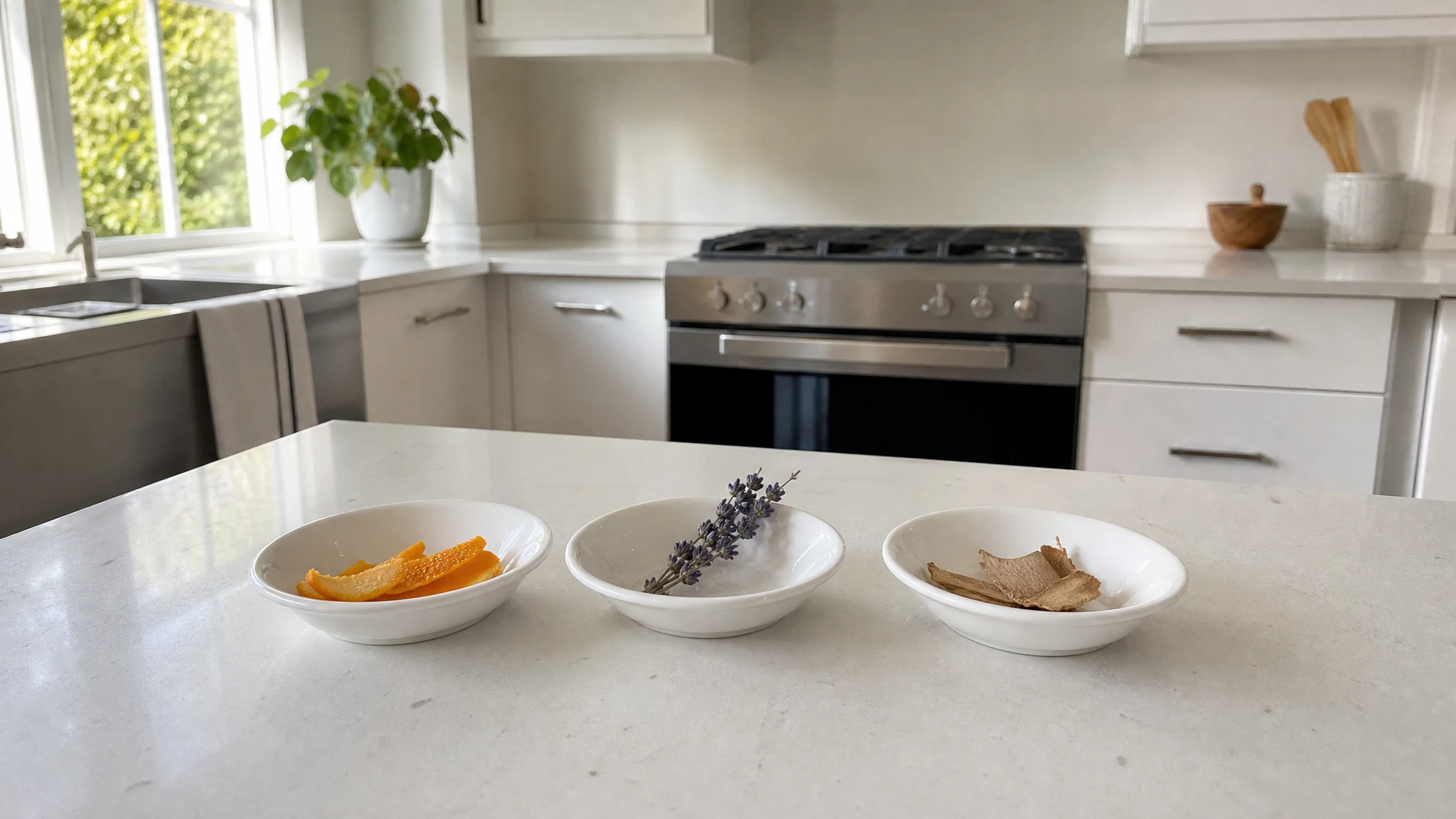
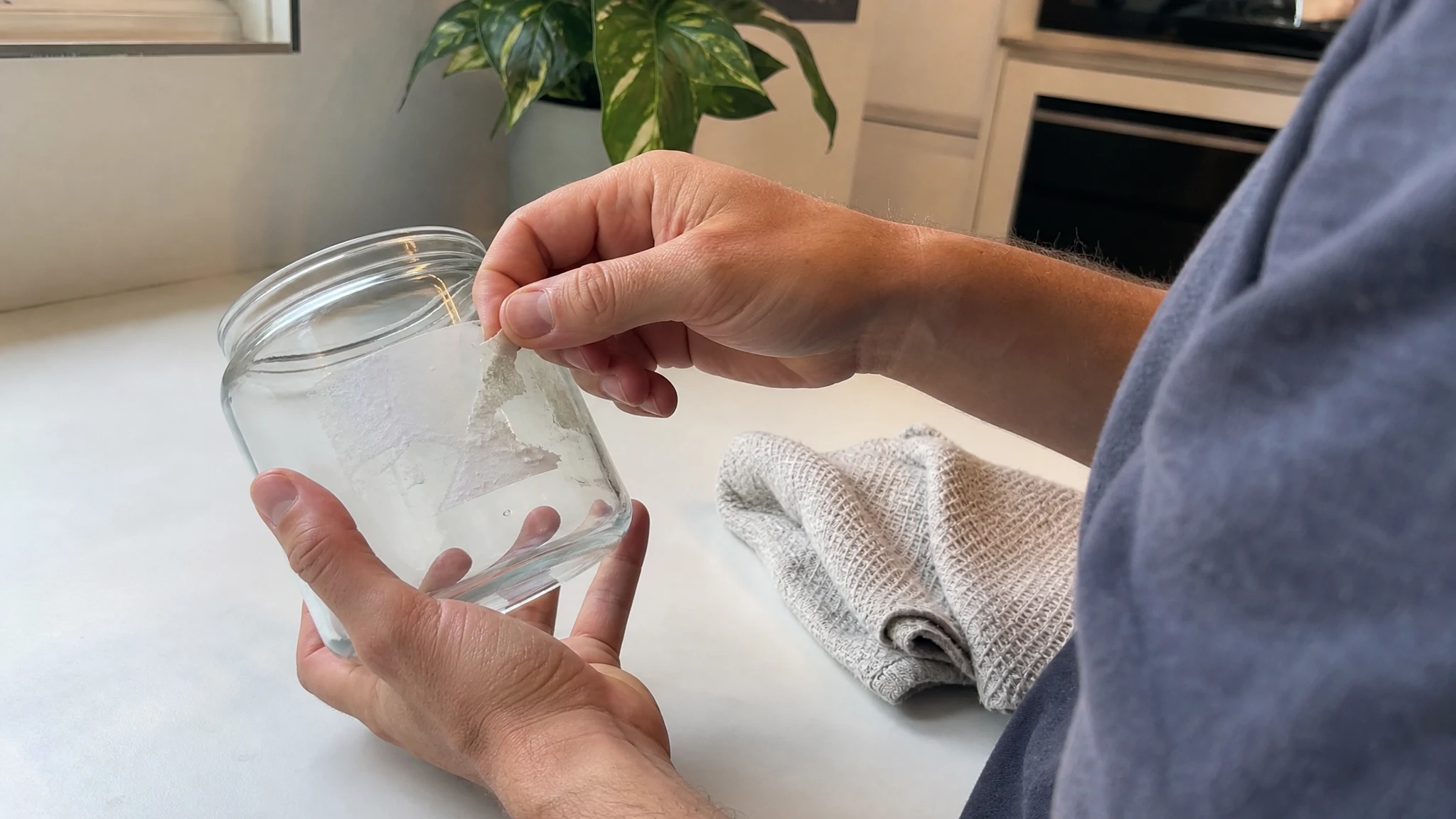
You do not need a lab to learn something about a bottle. Put a small drop on a clean paper strip, smell it right away, then again after fifteen minutes and after an hour. A citrus peel oil tends to open with a juicy burst and thin out, while some fragrance oils are built to hold their shape longer. Neither result tells you which is better, only how each one behaves, and that is useful when you are choosing for a candle or a soap. Label the strips as you go, because it is surprisingly easy to forget which is which.
When a fragrance oil is the better tool
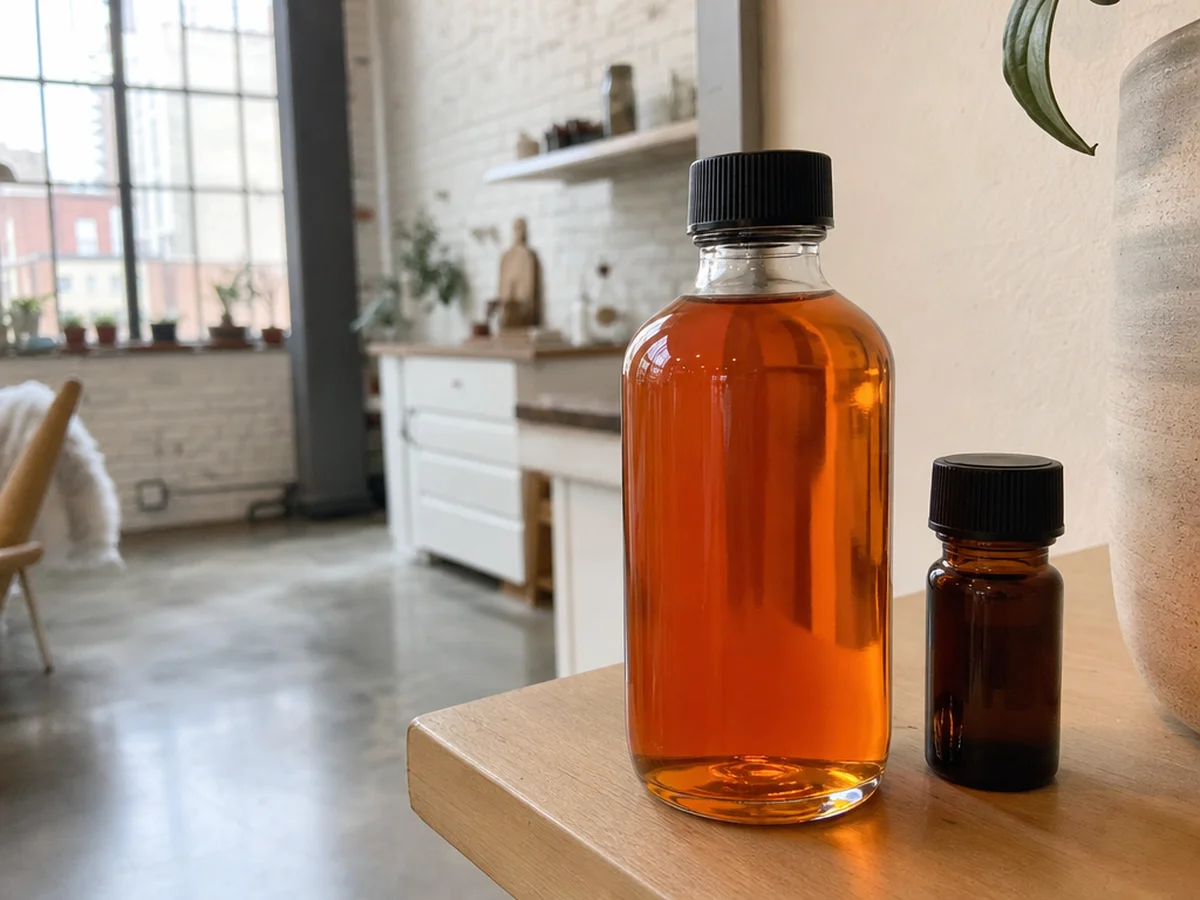
We would not call one choice better in every case. Plain peel oil fades fast, and a maker who wants a tangerine smell to survive a candle burn or a soap cure may reasonably choose a fragrance oil from a supplier that publishes its usage rates and allergen data. Our posts on candles and soap explain why citrus is tricky in both. We sell a single neat tangerine oil and no fragrance oils, so for those you will want a specialist supplier.
If you have had reactions to scented products before, the FDA's own advice is to choose fragrance-free products, read the ingredient list and contact the maker with questions; that applies to essential oils too, and a dermatologist or allergist can guide you. Whichever bottle you choose, a label is a claim, and a document is evidence. The more of the second you ask for, the happier you will be with what ends up on your shelf.
Tangerine Essential Oil
Tangerine Essential Oil from our own shop, in sizes from 0.5 oz to bulk.
From $12.99
Shop Now →Sources & Further Reading
- U.S. Food and Drug Administration. Fragrances in Cosmetics. fda.gov
- Bråred Christensson J, Andersen KE, Bruze M, et al., 2013. An international multicentre study on the allergenic activity of air-oxidized R-limonene. Contact Dermatitis. PubMed 23510342
- Tisserand Institute. Is my bottle of essential oil oxidized or no longer good to use? tisserandinstitute.org
- Dosoky NS, Satyal P, Setzer WN, 2022. Authentication of Citrus spp. Cold-Pressed Essential Oils by Their Oxygenated Heterocyclic Components. Molecules. PMC9572141