Tangerine Aromatherapy: A Friendly Guide to the Scent
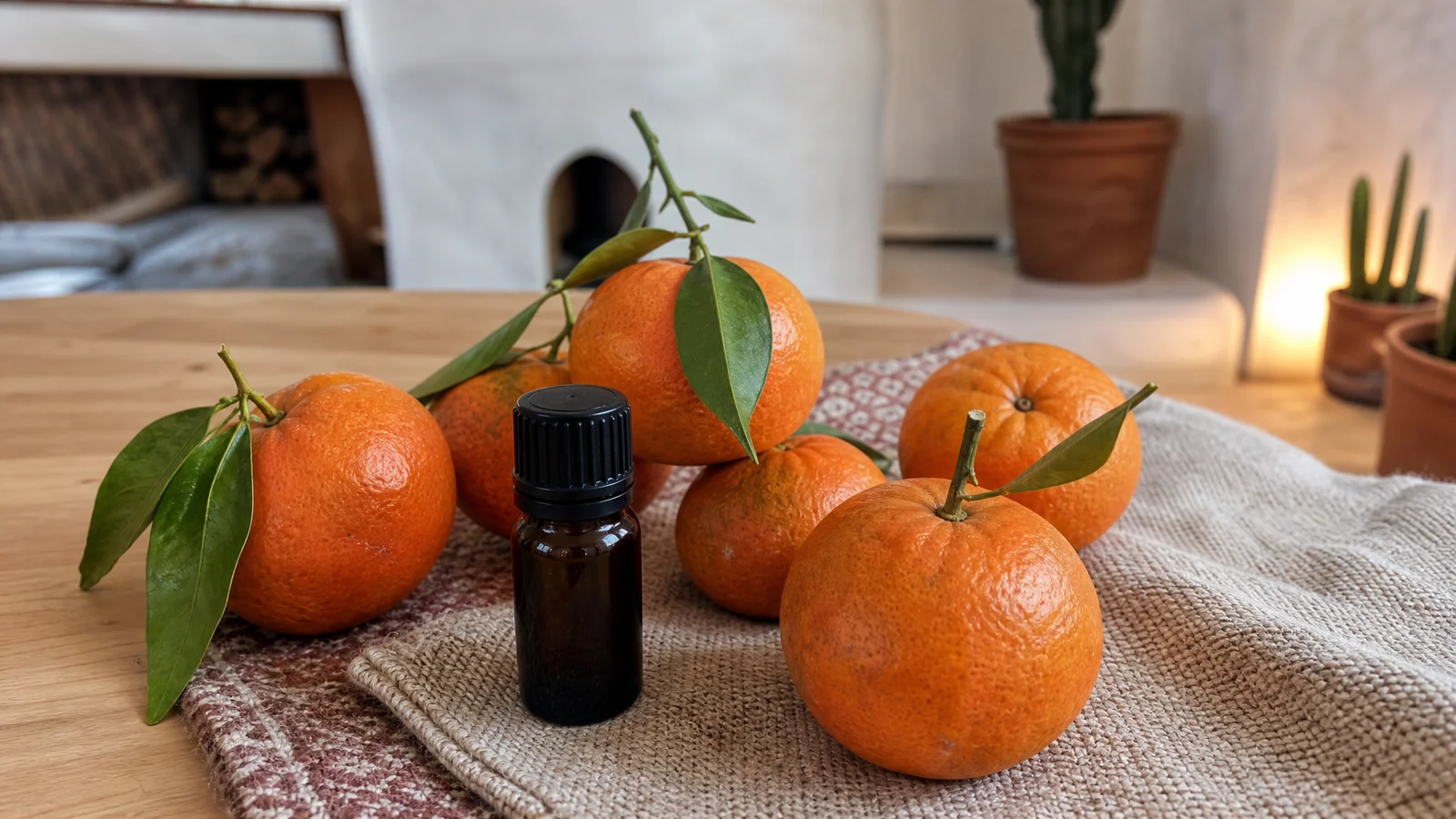
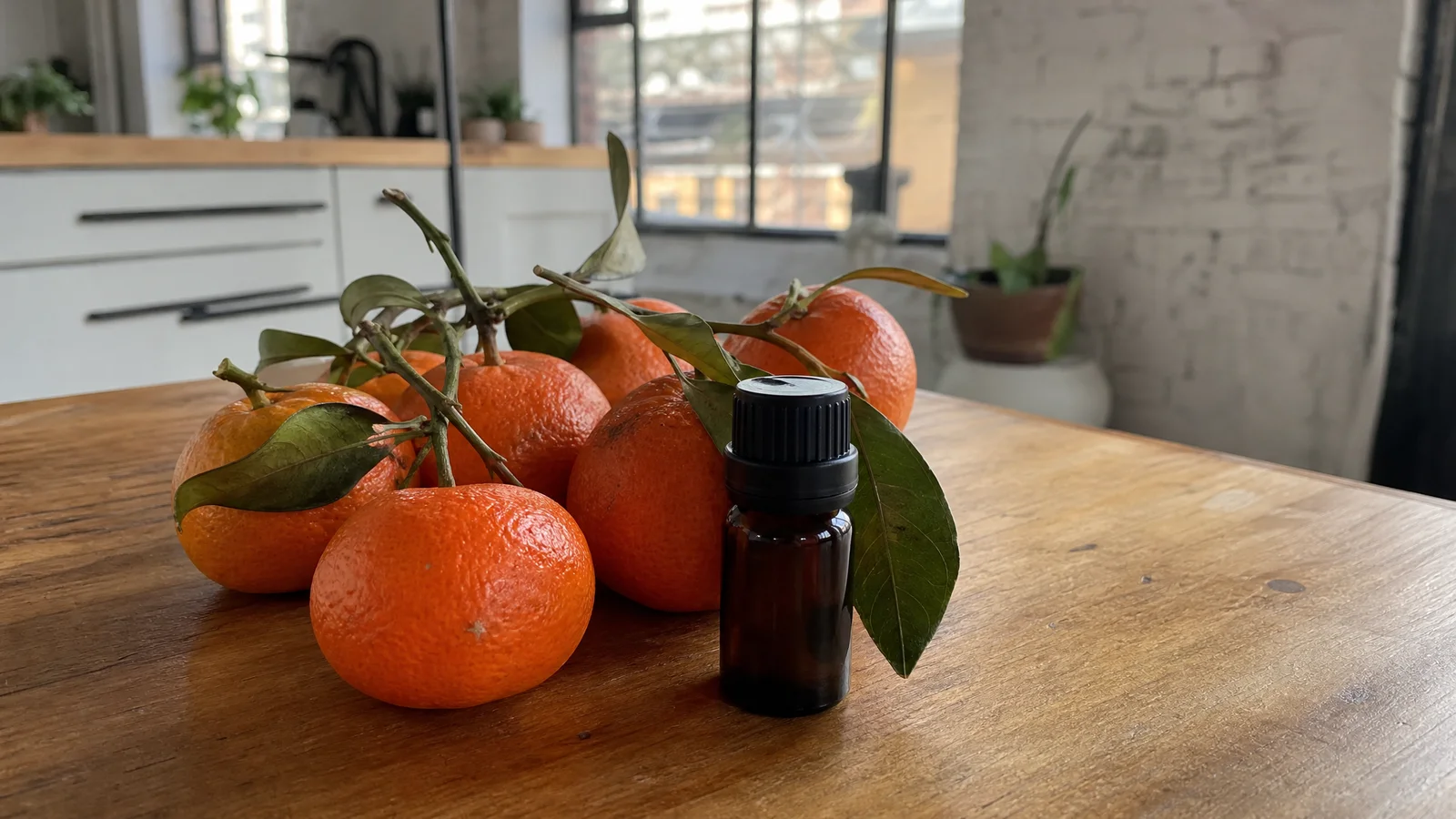
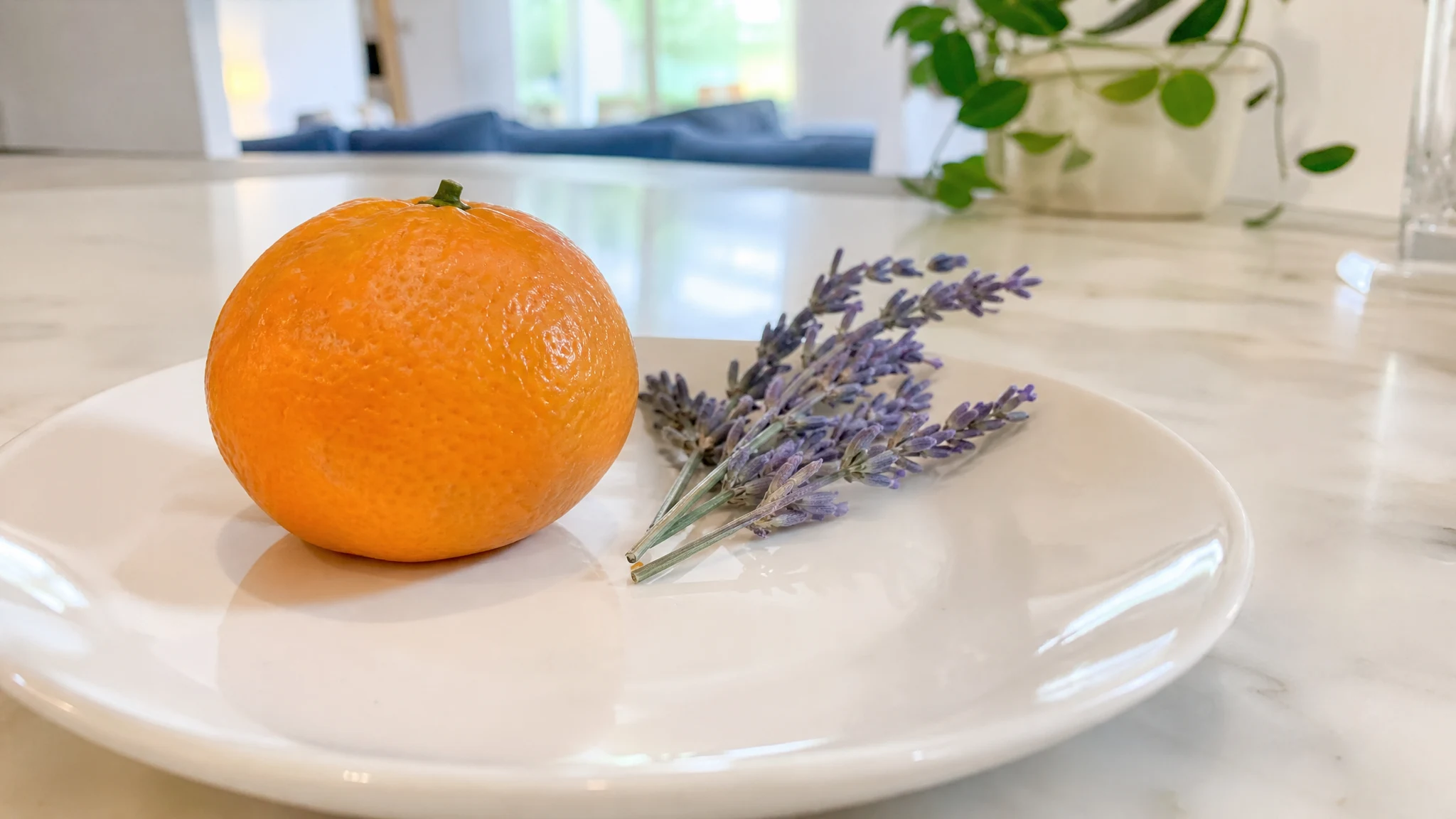
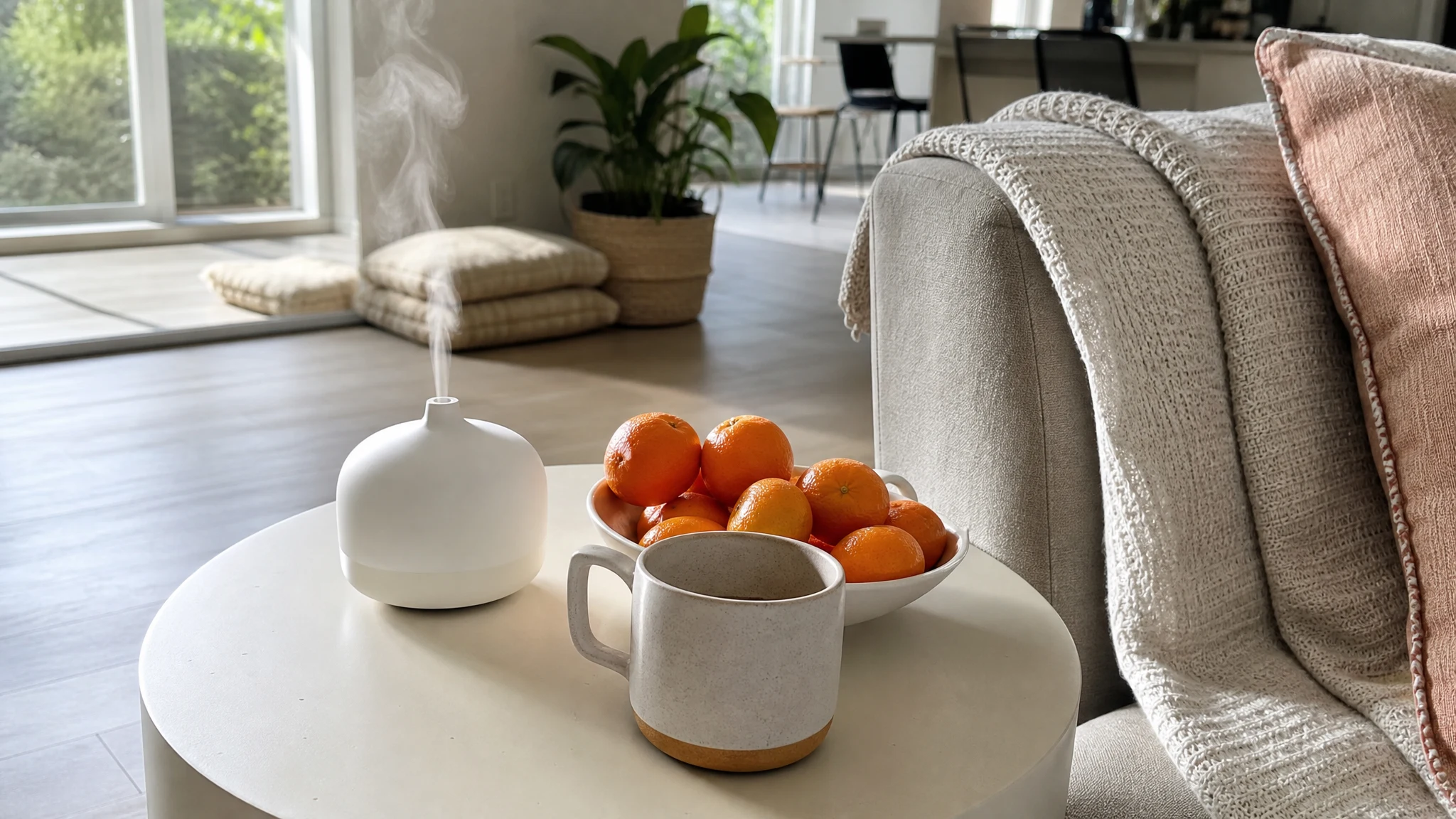
Peel a tangerine in a quiet room and the whole space changes. That burst of sweet, juicy citrus is the heart of why people reach for tangerine oil, and it is the best way to understand aromatherapy too: it starts with a smell you like, and everything else grows from there.
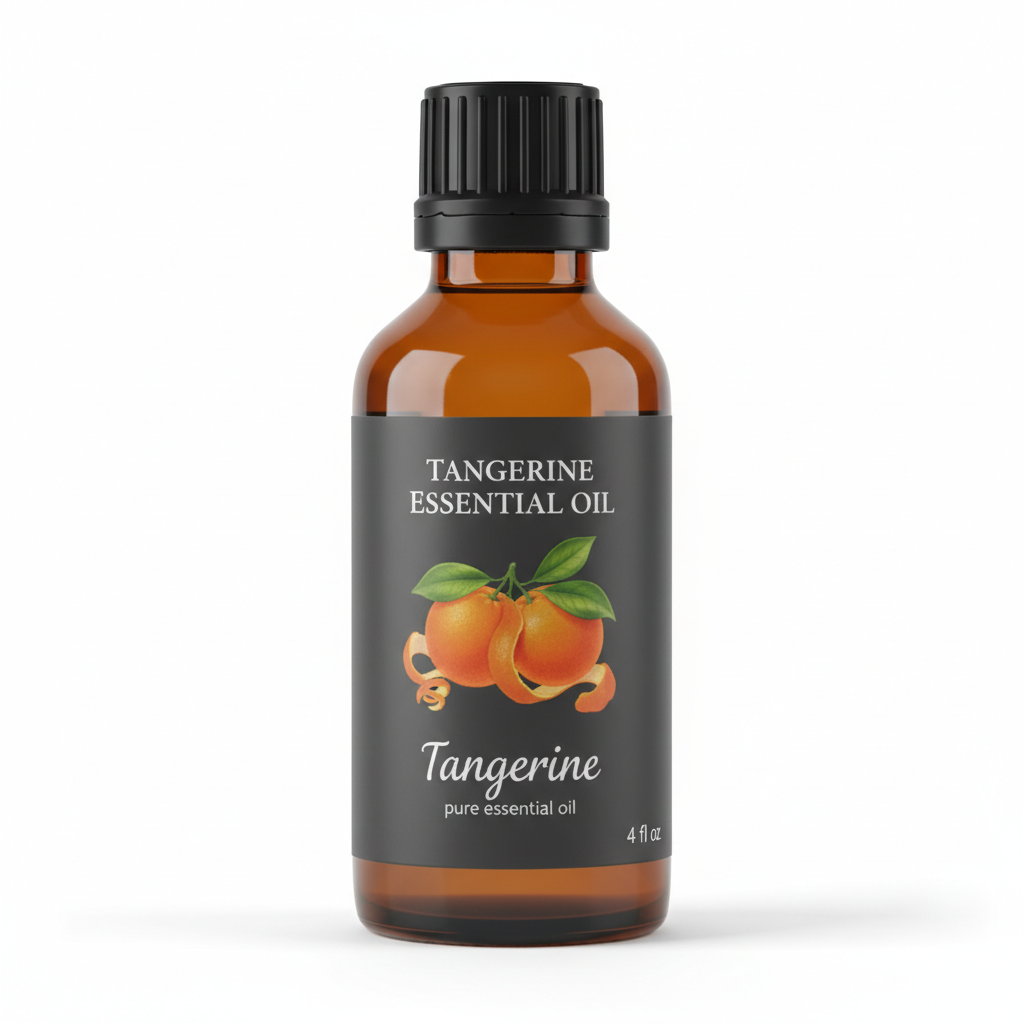
Tangerine Essential Oil
Our own Tangerine Essential Oil, in sizes from 0.5 oz to bulk.
From $12.99
Shop Now →What aromatherapy actually covers
The US National Center for Complementary and Integrative Health describes aromatherapy as the use of essential oils from plants as a complementary health approach, with oils most often inhaled or applied to the skin in diluted form (Aromatherapy (NCCIH)). Those two routes are exactly how we think about tangerine: a few drops in a diffuser, or a well-diluted blend in a carrier oil. Swallowing is a different matter entirely, and it is not something we recommend.
It helps to be clear about what aromatherapy is not. We sell tangerine oil as an external cosmetic oil with a lovely aroma. We do not claim it treats, relieves or improves any condition, and for questions about sleep, stress, nausea or any health concern, a physician or other qualified professional is the right person to ask.
What the citrus studies looked at
Researchers have been curious about citrus scents for a long time, and it is interesting to see how they went about it. In one study of 200 dental patients, the ambient scent of orange or lavender in a waiting room was compared with music and with no treatment, and the scented groups reported less anxiety and better mood than the control group (Ambient odors of orange and lavender reduce anxiety and improve mood in a dental office. Physiol Behav, 2005). In a separate laboratory study, volunteers sniffed lemon or lavender, and lemon lifted reported positive mood compared with water, while stress hormones such as cortisol did not differ (Olfactory Influences on Mood and Autonomic, Endocrine, and Immune Function). The NCCIH page mentions the same lemon study and notes that neither scent changed the stress indicators measured (Aromatherapy (NCCIH)).
Two things are worth taking from this. First, the oils studied were orange and lemon, not tangerine, so we would not stretch those findings to our bottle. Second, what the studies measured was mostly how people felt while a pleasant citrus aroma was in the air. That is a modest, human-sized finding, and it fits with something every tangerine fan already knows: a bright, sweet scent makes a room feel more welcoming.
Simple ways to enjoy tangerine
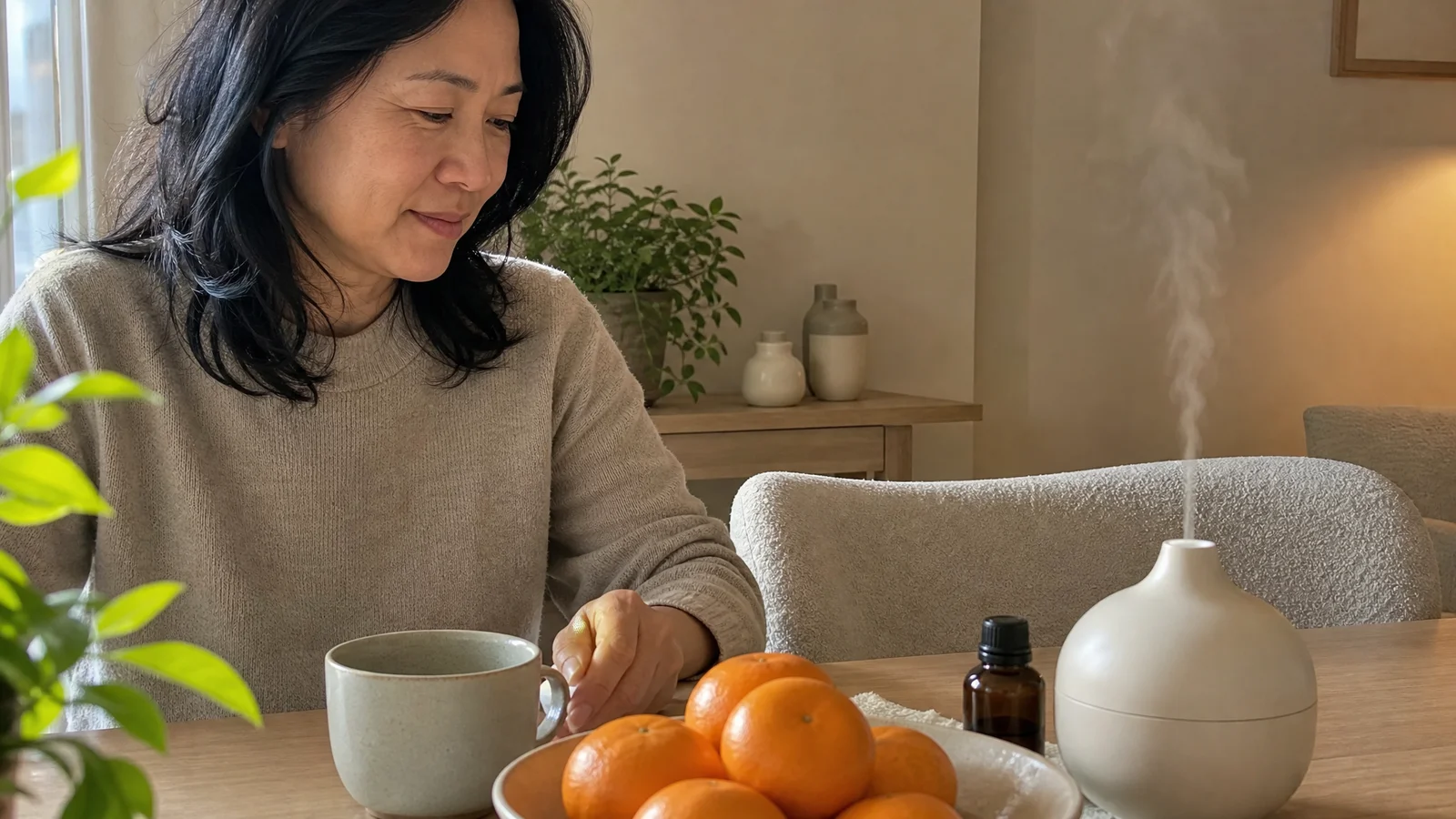
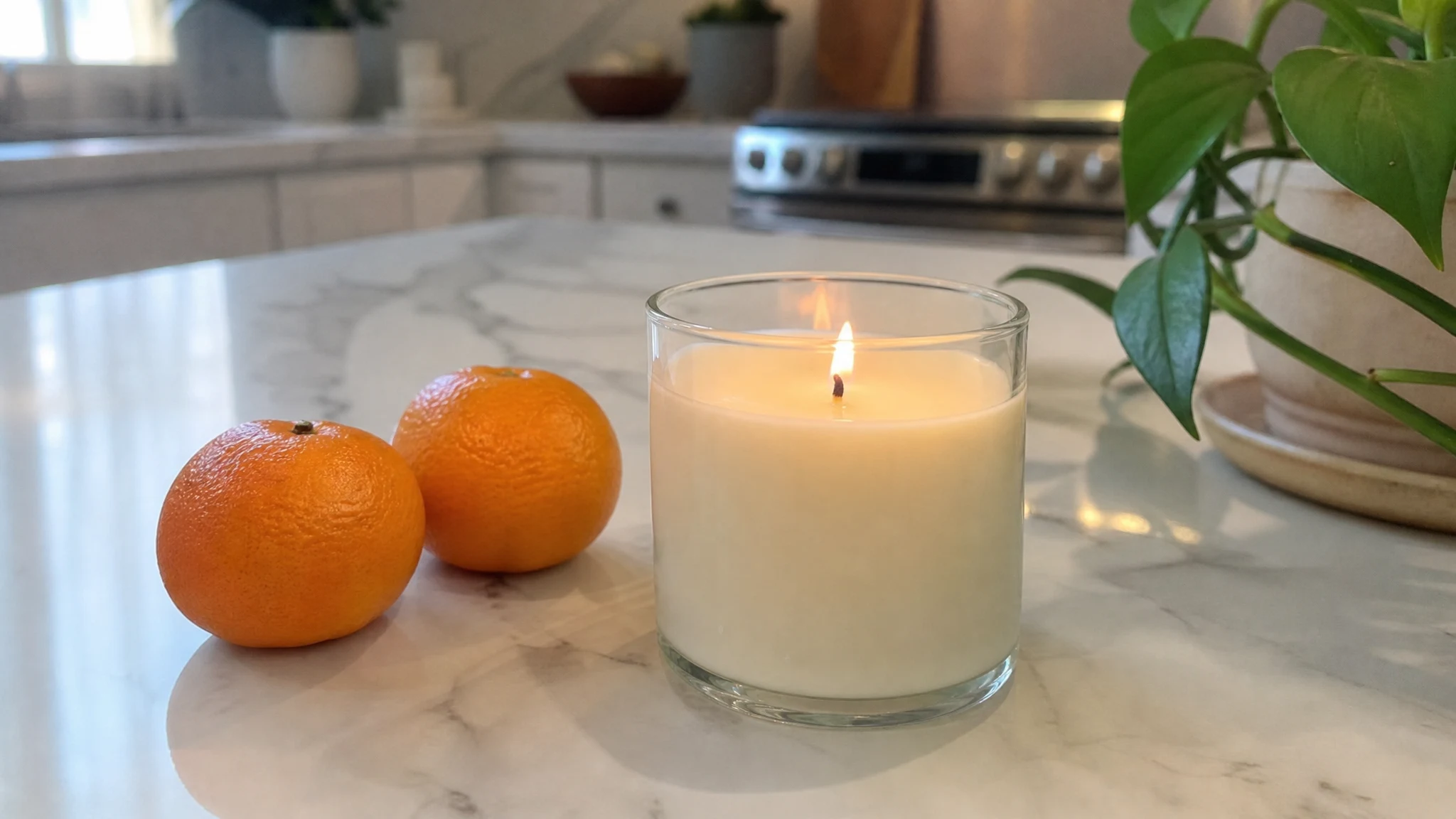
The most natural way is also the gentlest: a diffuser. Tisserand suggests diffusing for 30 to 60 minutes, then pausing for 30 to 60 minutes (How to Use Essential Oils Safely - Tisserand Institute), which suits tangerine well, since a top note makes its best impression early and fades gracefully. Pick a ventilated room, start with a small number of drops, and see how you feel. Our diffusing guide goes through the details, and our pocket inhaler idea is a portable alternative.
For a more personal touch, you can pair tangerine with oils that complement it. We find the warm, creamy company of vanilla, the spice of cinnamon or the floral softness of neroli especially charming, and our blending post explains how to balance them. We do not sell those oils, so look to an essential oil retailer for them.
If you prefer skin application, dilute first. Our guidance is 0.5% to 2% in a carrier oil, with a patch test beforehand (How to test skin care products - American Academy of Dermatology), and a drop is never an exact measure: Tisserand notes that drops per millilitre vary from about 20 to 40 (How big is a drop? - Tisserand Institute). Our dilution guide shows the arithmetic.
Finding your own way in
We would suggest starting with the most casual approach: put a single drop on a tissue, set it on a desk or a bookshelf, and walk past it a few times over an afternoon. Notice whether you smile when you catch it. Notice what time of day it suits, and whether you prefer it in the kitchen or the entryway. People often settle on a favorite spot for scent without even meaning to, and that is a much better guide than any rulebook.
Tangerine tends to be a crowd-pleaser, bright and sweet without being heavy, and many people who say they dislike strong smells find a hint of citrus easy to live with. If anyone in your home is not keen, start lighter still, and listen.
Little habits that keep it lovely
- Keep the bottle cool, dark and tightly capped. Citrus oils sometimes go cloudy as they age, and Tisserand notes that refrigeration will about double an oil's useful life (Is my bottle of essential oil oxidized or no longer good to use? - Tisserand Institute).
- If a cat or bird lives with you, ask your veterinarian before diffusing. The Pet Poison Helpline lists cats and birds as the species at greatest risk from essential oils (Essential Oils | Pet Poison Helpline).
- Keep bottles out of children's reach and never take the oil internally.
Keep a small notebook if you like that sort of thing. Jot down the date you opened the bottle, how many drops you used and how the room felt. Such notes are a fun record of what you enjoyed, and they help you choose the next bottle size sensibly.
In the end, aromatherapy with tangerine is simply a way of bringing a favorite scent into your day, and that is reason enough to enjoy it.
Tangerine Essential Oil
Tangerine Essential Oil from our own shop, in sizes from 0.5 oz to bulk.
From $12.99
Shop Now →Sources & Further Reading
- Aromatherapy (NCCIH)
- Ambient odors of orange and lavender reduce anxiety and improve mood in a dental office. Physiol Behav, 2005
- Olfactory Influences on Mood and Autonomic, Endocrine, and Immune Function
- How to Use Essential Oils Safely - Tisserand Institute
- Is my bottle of essential oil oxidized or no longer good to use? - Tisserand Institute
- Essential Oils | Pet Poison Helpline
- How to test skin care products - American Academy of Dermatology
- How big is a drop? - Tisserand Institute