Tangerine Oil for Wash Day: How to Use Citrus Carefully
A bright citrus scent on wash day is an appealing idea: the shower steam lifts it, and for a moment the bathroom smells like peeled tangerines. Tangerine oil is a fine fragrance to think about for this, as long as it is used with a little care, because the scalp is skin and a few simple rules do most of the work.
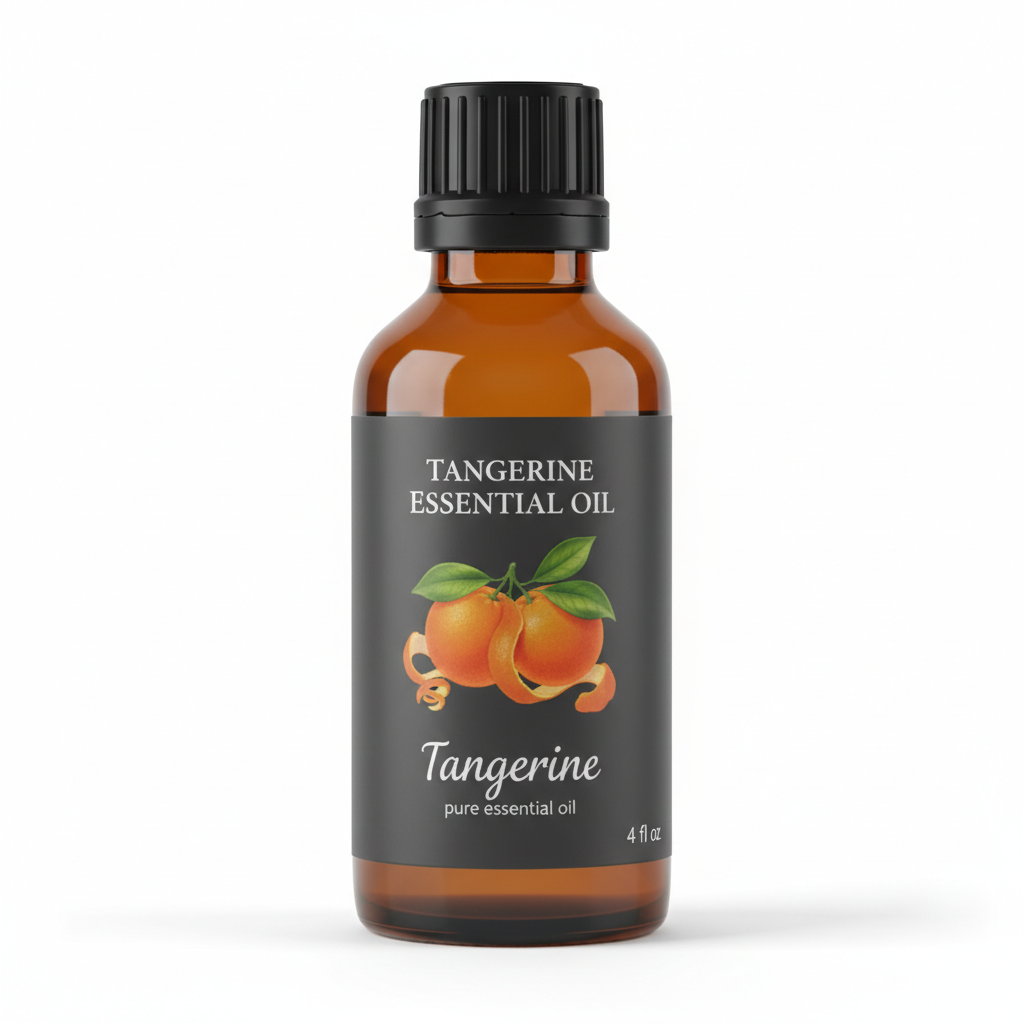
Tangerine Essential Oil
Our own Tangerine Essential Oil, in sizes from 0.5 oz to bulk.
From $12.99
Shop Now →What we can and cannot say about hair
We sell tangerine oil neat, as a fragrance and aroma oil, and we make no claims about what it does for hair. It is not a hair product, and we are not aware of research on tangerine oil applied to hair or scalp. When we searched Europe PMC on 4 November 2026 for tangerine or mandarin oil with hair or scalp, none of the first ten titles looked like a hair study, which is a limited check rather than a proof. So this article sticks to what we can stand behind: how to dilute, what to watch for and how scent behaves.
Leave-on and rinse-off are different jobs
A scalp oil left on for hours is a leave-on product. A shampoo or rinse washed away in minutes is not. IFRA's standard for citrus oils sets a 15 ppm ceiling for bergapten in finished products on skin exposed to UV, and it excludes rinse-off and incidental-contact products from that limit. It lists cold-pressed tangerine at a typical 50 ppm and says that is not high enough to need special restrictions when the oil is used alone.
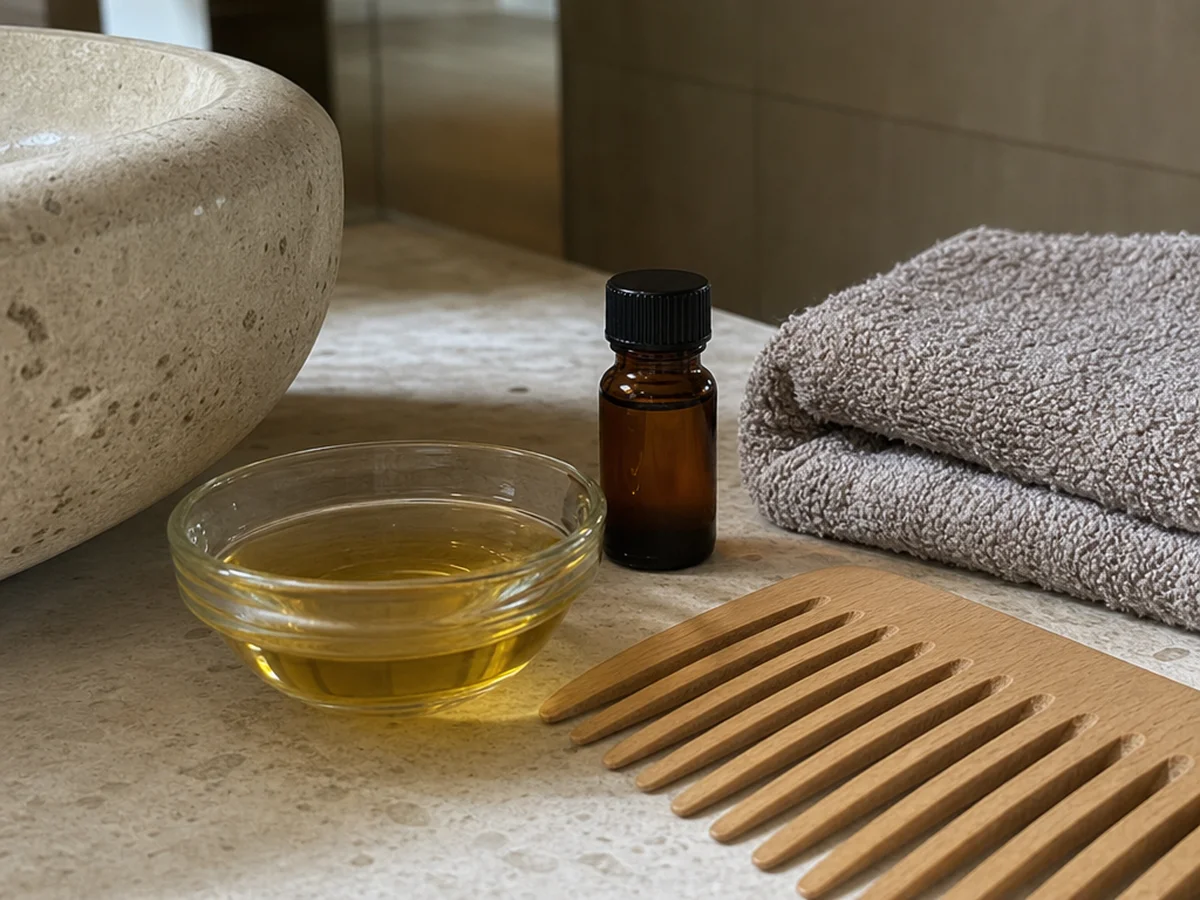
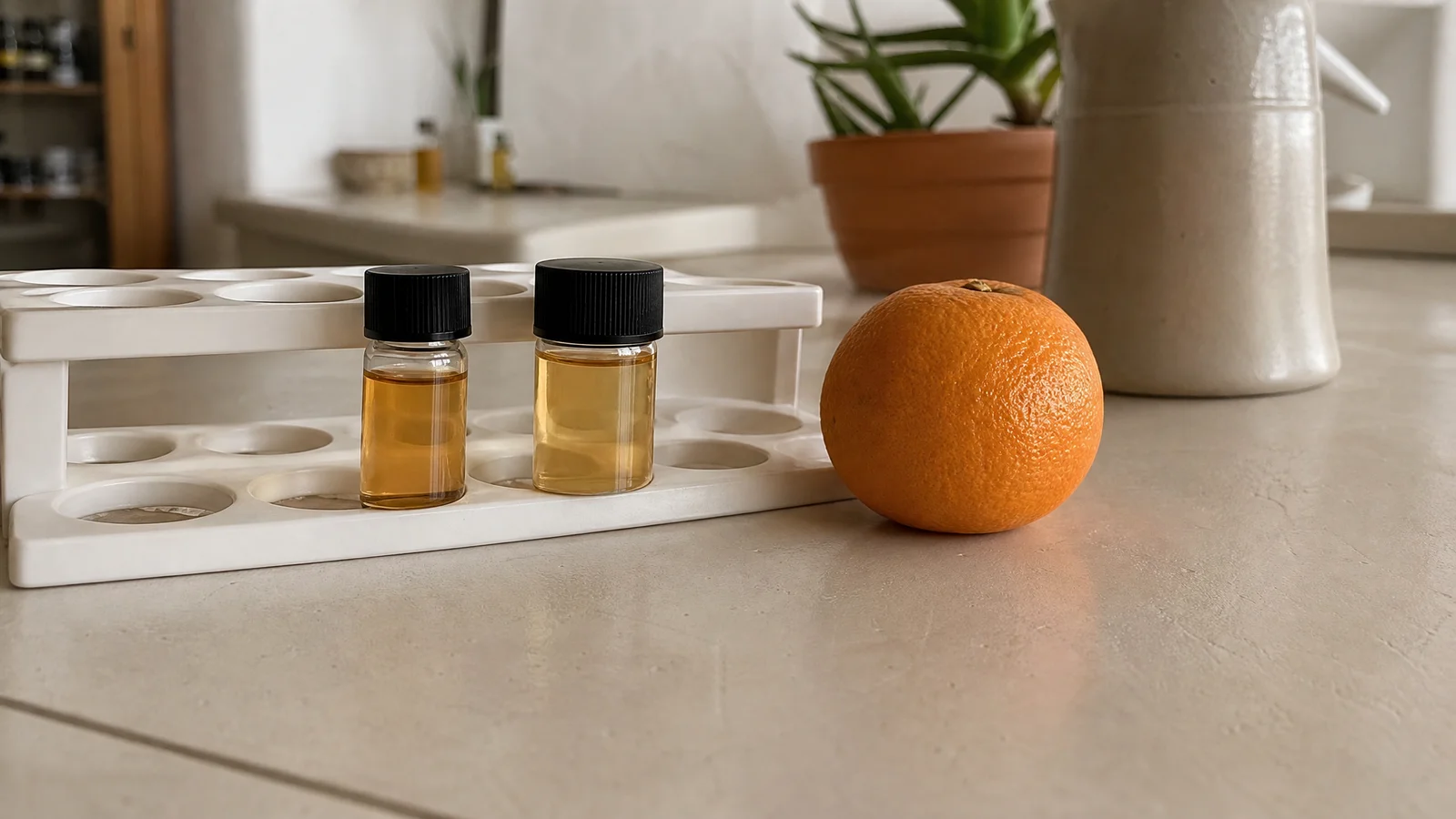
Our guidance for skin is 0.5% to 2% in a carrier oil, and for a scalp we suggest the low end. For 30 ml of carrier oil, that works out as follows, with drops given for the two common conventions (the Tisserand Institute's chart assumes 30 drops per ml, while many shops use 20):
| Dilution | Oil in 30 ml | Drops at 30 per ml | Drops at 20 per ml |
|---|---|---|---|
| 0.5% | 0.15 ml | 4 | 3 |
| 1% | 0.30 ml | 9 | 6 |
The convention matters more than people expect. Five drops in 15 ml of carrier is 1.67% at 20 drops per ml but 1.11% at 30. Measuring by volume or weight is steadier; our dilution guide shows how.
Setting the scene
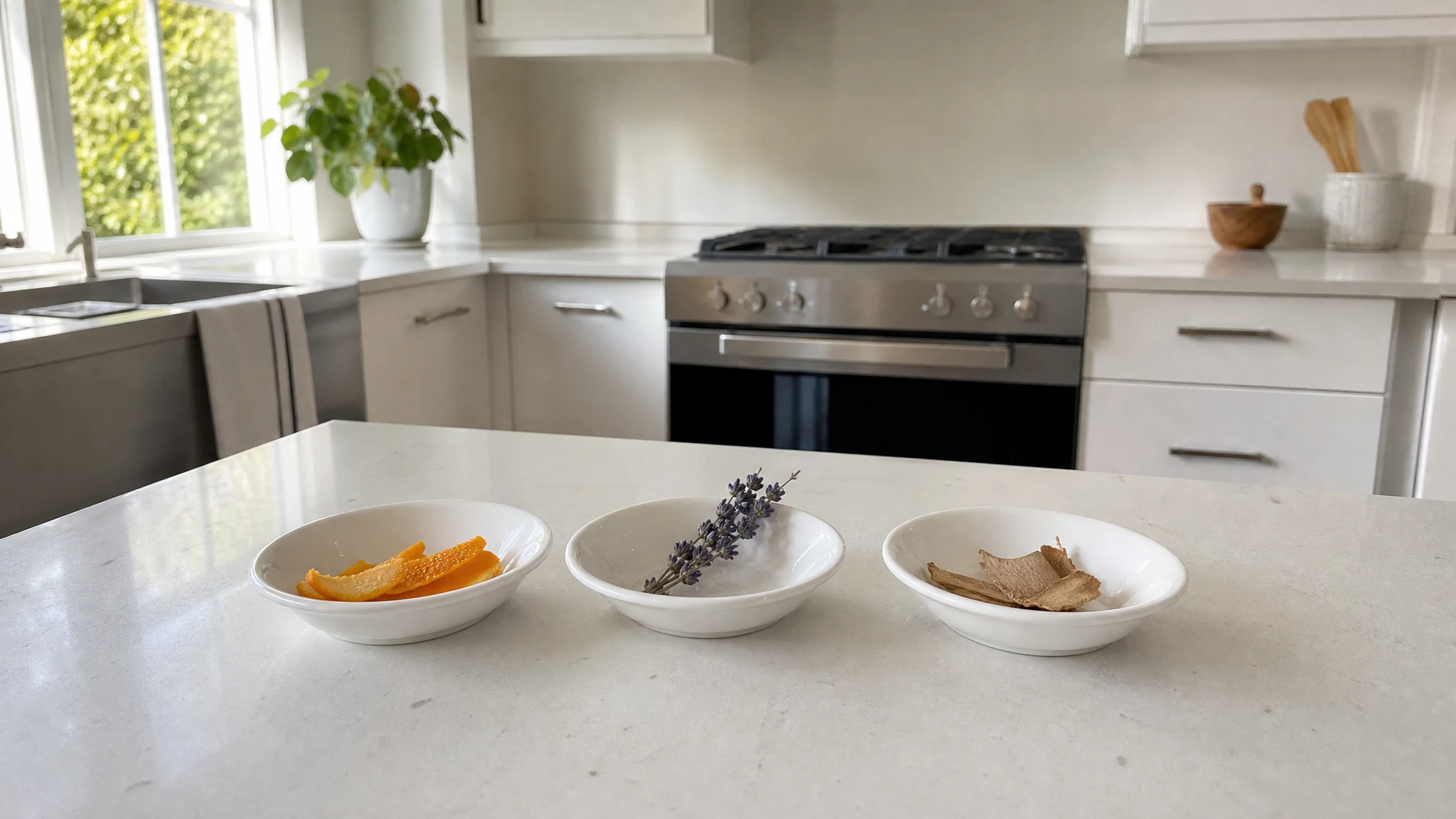
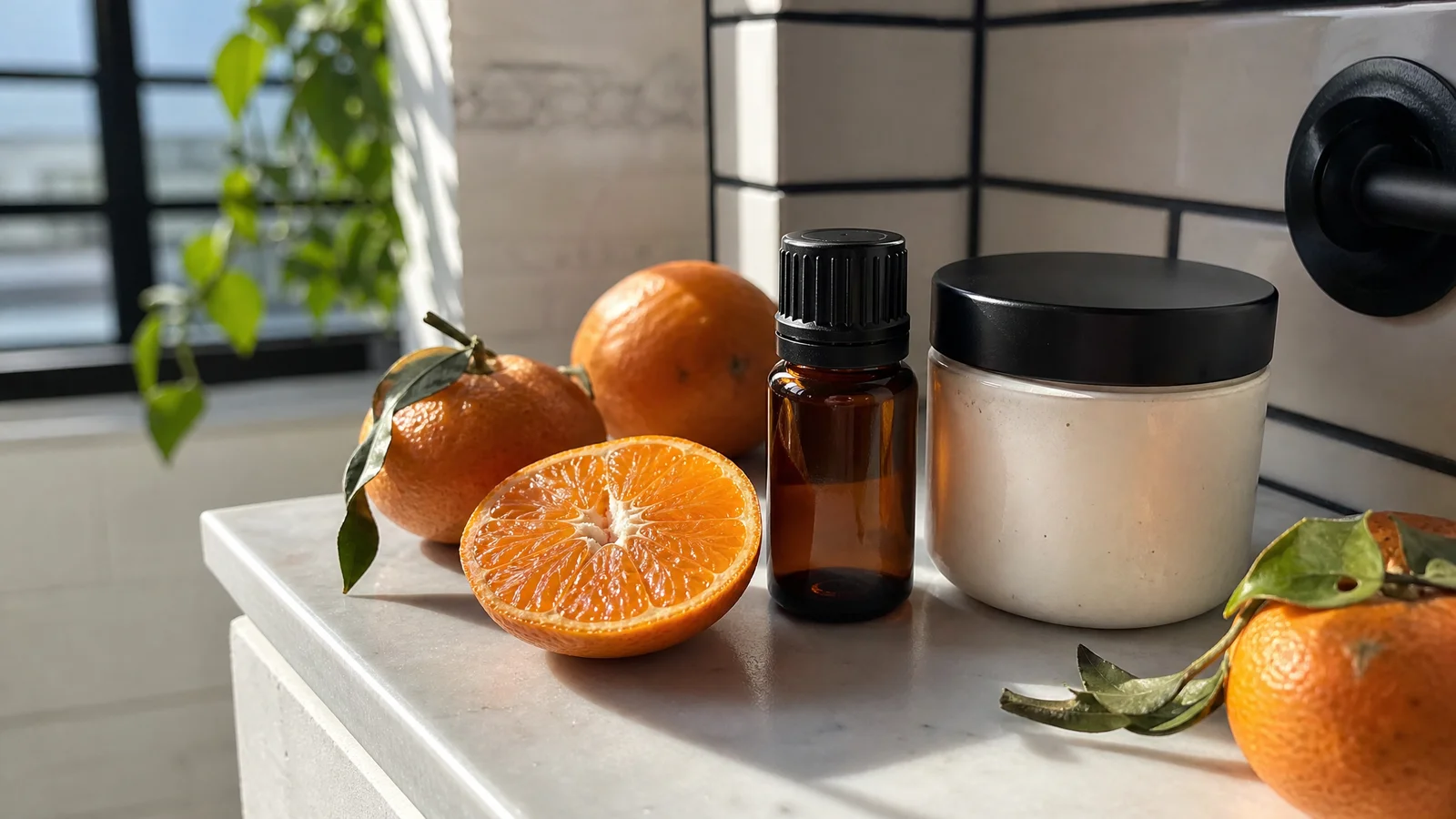
Much of the pleasure of wash day is the steam, the warm water and the smell that hangs in the bathroom afterwards. A touch of citrus in the air can make the routine feel brighter, and there are gentle ways to get it without putting anything new on your scalp. An orange peel left on the windowsill gives you the same peeled-fruit smell. Keep the oil bottle itself dry, capped and out of the steam, since heat and moisture are what a citrus oil likes least.
Patch test, and know your own scalp
The scalp deserves the same patch test as any other skin. The American Academy of Dermatology describes a quarter-sized spot on the inner arm or elbow, twice a day for seven to ten days, and using the product only if nothing flares. Test the finished blend rather than the oil alone.
Citrus peel oils contain limonene, one of the most common fragrance substances in everyday products. A 2026 label review of 245 mostly rinse-off cosmetic and household cleaning products in Turkey found linalool, limonene and hexyl cinnamal the most frequent fragrance substances, with anti-dandruff shampoos carrying higher allergen loads than regular ones. Reactions are uncommon: in a Danish registry of 6,719 patch-tested patients, 1.6% reacted to limonene hydroperoxides, the compounds that form when limonene meets air. Those are clinic patients, so they overstate the rate for the general public, but they make two friendly points. Fresh oil is best (see our storage guide), and a scalp that has itched after a scented shampoo is worth showing a dermatologist before adding another scented product.
Sun on the hairline
We suggest keeping sun off freshly applied areas, and the hairline, parting, ears and neck are skin that sees the sun. For context, the Tisserand Institute says expressed tangerine has extremely small amounts of furanocoumarins, not enough to make it phototoxic, and by our arithmetic a 0.5% blend at the typical 50 ppm carries about 0.25 ppm of bergapten, far below the 15 ppm figure. Our sun guide goes through the numbers.
A note on starting small
If you try a diluted blend on your scalp at all, use less than you think you need and try it on one wash day before you repeat it. Write the percentage and the date on the bottle so you can repeat or change it deliberately. It is a small habit that makes every later decision easier.
Shampoos, rinses and the shower
Shampoo is a preserved, water-based formula made by a manufacturer, so adding oil to it is a question for the maker or a cosmetic chemist, and we do not give a usage rate. Oil also does not dissolve in water, which is why our room spray article explains solubilizers. Keep any oil out of the eyes: the Tisserand Institute says diluted oils may be used close to the eyes but undiluted oil should never be dripped into them.
What to expect from the scent
We list tangerine as a top note that fades faster than heavier oils, so, reasoning from that, any fragrance left in your hair will be a light, fleeting one. The perfume oil article looks at how to give a top note some staying power.
If your scalp is inflamed or you are dealing with hair loss, a dermatologist is the person to ask, and a pediatrician should be asked before any essential oil goes near a child's scalp. For everyone else, the plan is easy: dilute low, test a small spot and enjoy the citrus.
Tangerine Essential Oil
Tangerine Essential Oil from our own shop, in sizes from 0.5 oz to bulk.
From $12.99
Shop Now →Sources & Further Reading
- Mangır Ö, Özkaya E, 2026. Fragrance and Preservative Contact Allergens in Cosmetic and Household Cleaning Products in Turkey: Variation by Target Population, Product Type and Manufacturing Origin. Contact Dermatitis 95:396-404. PubMed 42324175
- Botvid S et al., 2026. Ten Years of Patch Testing to Hydroperoxides of Limonene and Linalool: Prevalence, Patterns and Clinical Insights. Contact Dermatitis 94(5):504-514. PubMed 41638887
- IFRA Standard 089 (Amendment 49), 2020. Citrus oils and other furocoumarins containing essential oils. ifrafragrance.org
- Tisserand Institute. How big is a drop? tisserandinstitute.org
- Tisserand Institute. Phototoxicity: essential oils, sun and safety. tisserandinstitute.org
- Tisserand Institute. How to Use Essential Oils Safely. tisserandinstitute.org
- American Academy of Dermatology. How to test skin care products. aad.org