Tangerine Oil Spill on Fabric? How to Lift the Mark
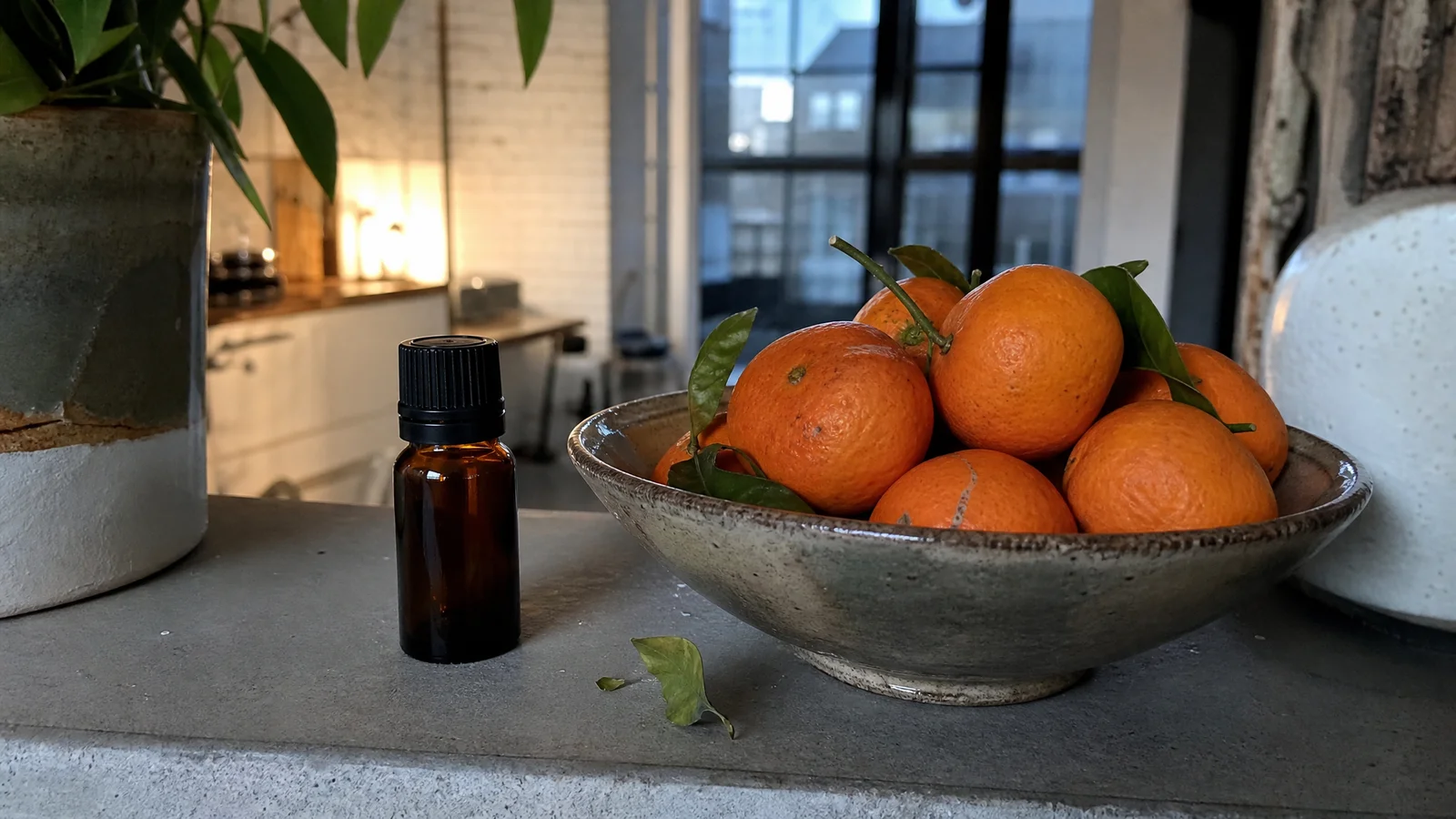
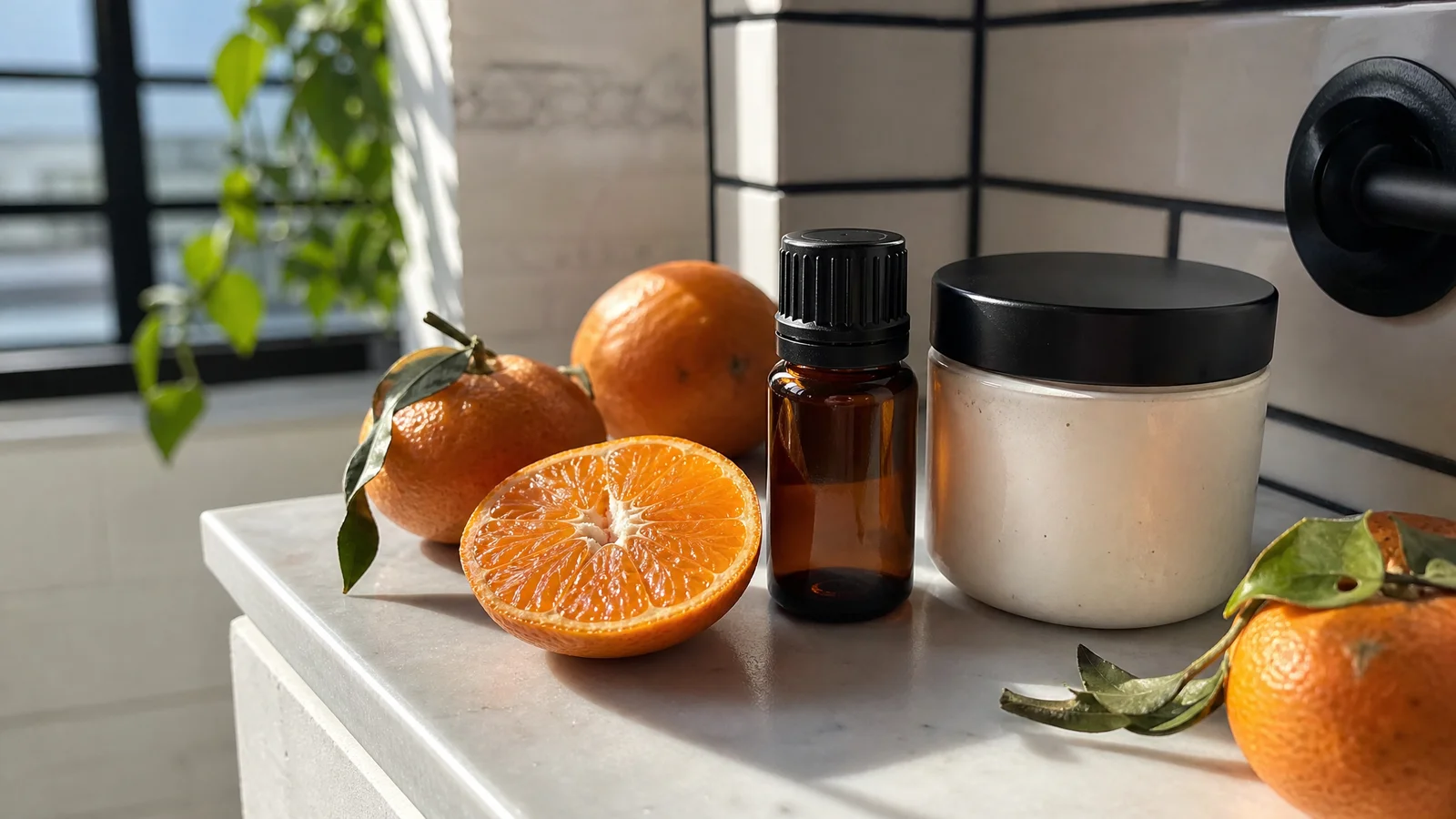
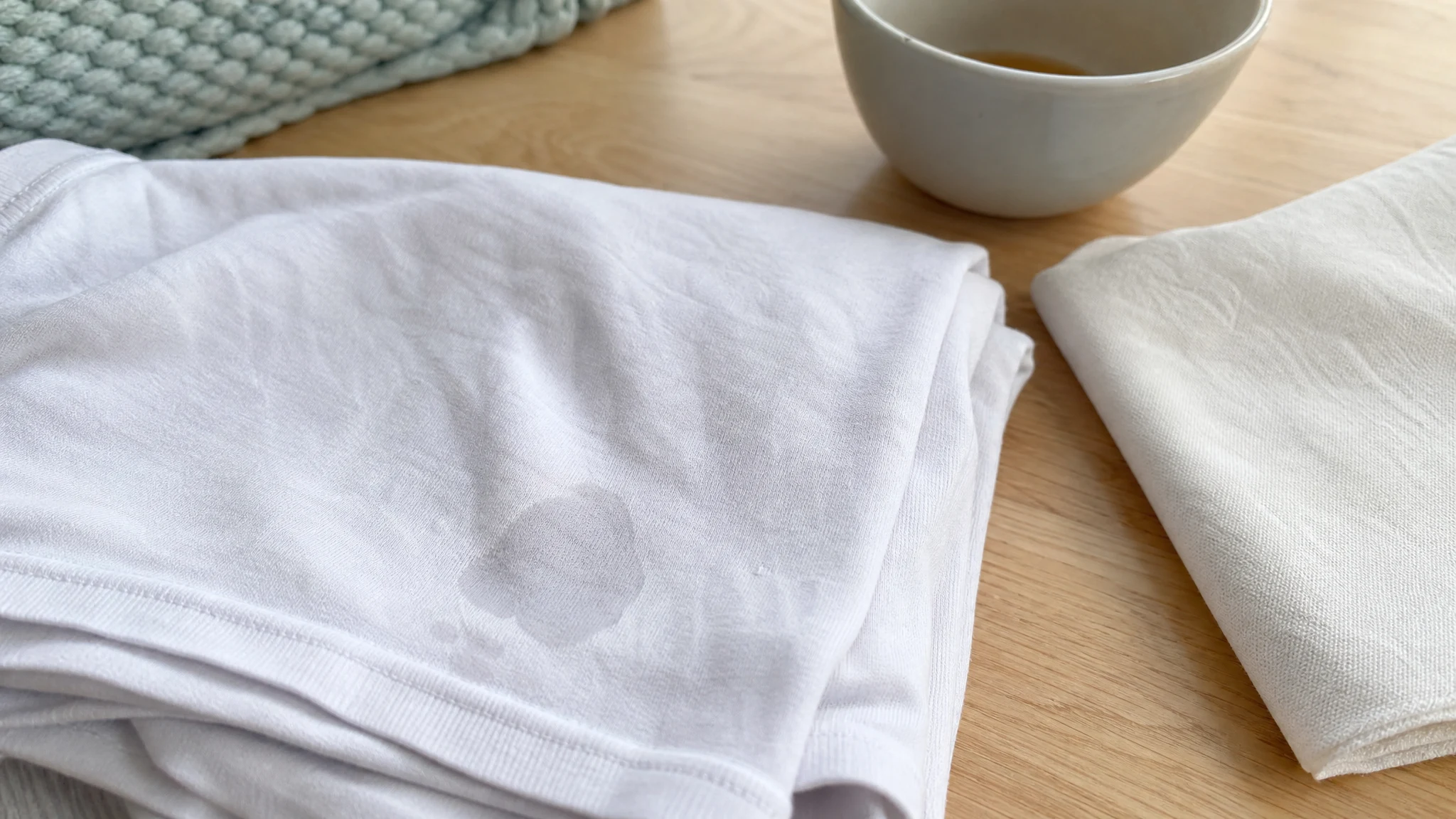
A tipped bottle, a quick mop-up with a sleeve, and a dark patch spreads across a favourite cotton tee. So, does tangerine oil stain? It can leave a mark, because essential oil is an oil, and cloth treats it much as it treats any grease. The encouraging part is that grease-type marks respond well to quick, ordinary care.
Tangerine Essential Oil
Our own Tangerine Essential Oil, in sizes from 0.5 oz to bulk.
From $12.99
Shop Now →What kind of mark to expect
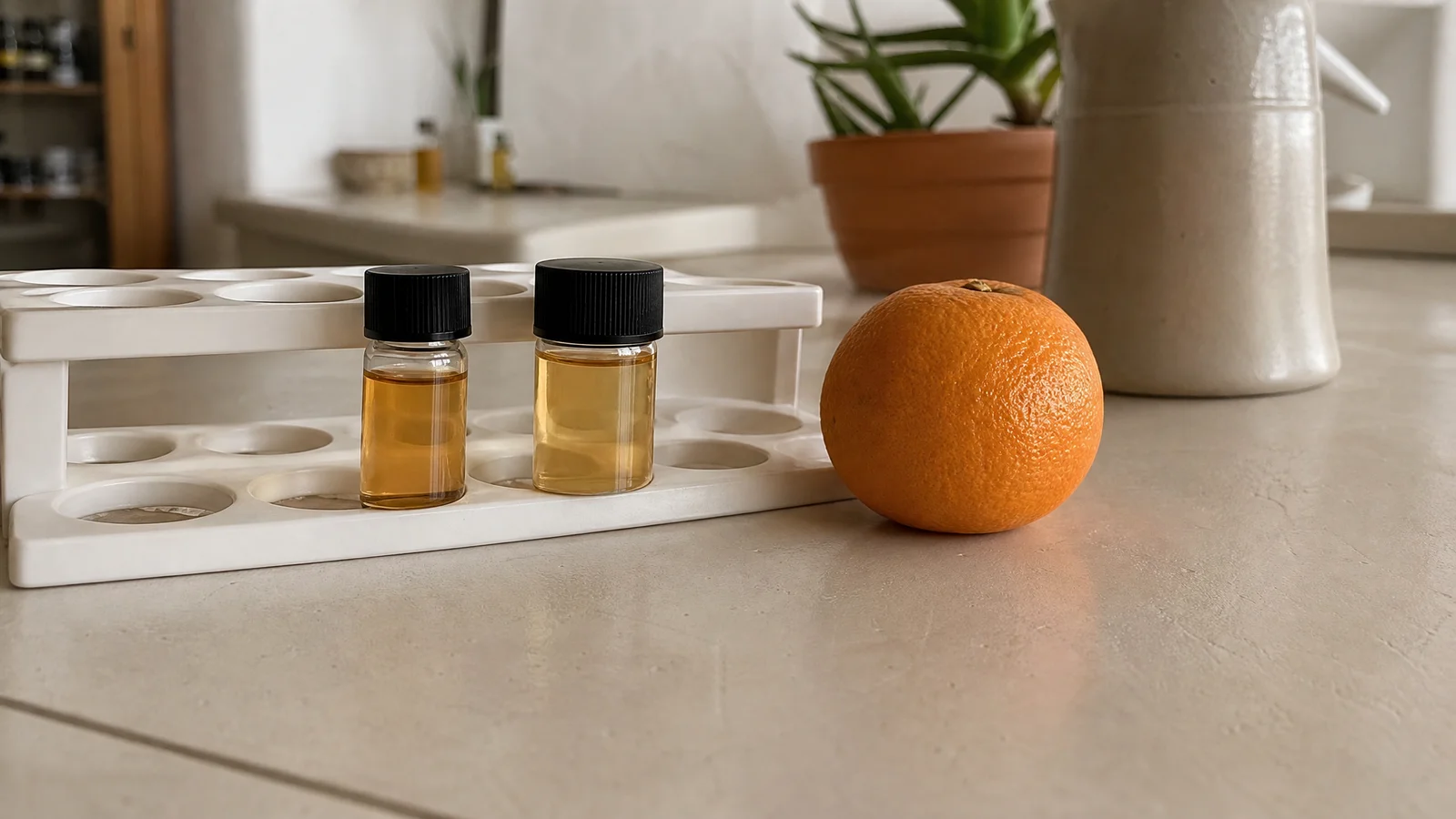
Expect a translucent, greasy-looking patch where the oil soaked in, much like a drop of cooking oil. Extension services group oil, butter and wax together as "dry type" stains, meaning stains that do not dissolve in water, which is why a plain rinse rarely lifts them. The Certificate of Analysis we publish for one batch describes the oil against a standard of "orange liquid", so on white or very pale cloth a faint tint is possible alongside the damp patch. That is one more reason not to leave it.
The first five minutes
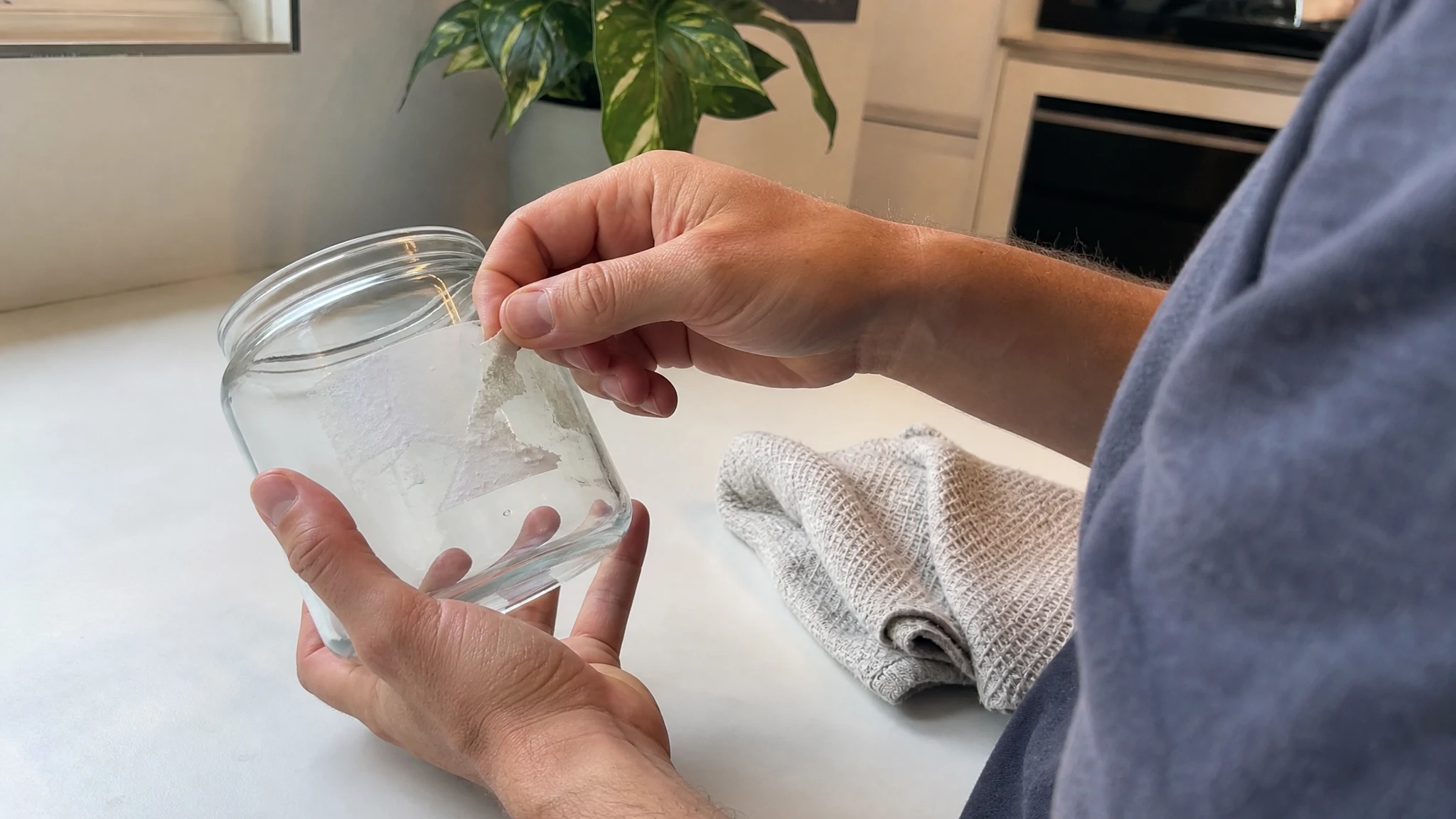
Blot, do not rub. Press a clean paper towel or cloth onto the spot and lift, and slide something absorbent under the fabric if you can, so the oil has somewhere to go besides further into the weave. Cornell Cooperative Extension notes that old stains are harder than fresh ones, and Texas A&M's AgriLife Extension says to treat stains as soon as possible. Rubbing pushes the oil deeper and spreads the ring.
Washable fabrics
Read the care label first. Then the simplest home route borrows from Cornell's lab-tested guide, which uses a mild liquid hand dishwashing detergent solution, about a teaspoon in a cup of warm water, in its procedure for fats, oils and waxes (after a dry-cleaning solvent step that is worth leaving to a professional on delicate cloth). Work the solution gently into the spot from the back of the fabric. Rinse, and repeat if the dark patch is still showing. Then launder as normal, using the warmest water the care label allows, and check the area while it is still wet.
The one step to hold back on is the dryer. Texas A&M's guidance is blunt that heat sets stains, so do not dry or press the garment until you are sure the mark is gone. Air-dry it, look again in daylight, and repeat the treatment if a shadow remains. That advice has a second benefit with oils, which we cover in our piece on scenting laundry: oily cloth and hot dryers are not a pairing worth risking.
Before you apply anything, test it on a hidden seam or hem. Cornell suggests dabbing a few drops of the remover on an inconspicuous spot and pressing a clean white towel on it; if colour transfers, take the item to a professional.
When to hand it over
Silk, wool, leather, and anything labelled dry-clean only belong with a professional dry cleaner, ideally within a day or so. Texas A&M advises exactly that for dry-clean fabrics, and says to point out where the stain is and what caused it. Be honest with yourself about heirlooms too. Cornell cautions that some stains cannot be removed by any effort, so a quick call to the cleaner beats a long afternoon of experiments on something precious.
Carpet, upholstery and hard surfaces
The University of Georgia Extension's advice for oil on carpet and upholstery starts the same way: blot, never rub. It then works with a dry-cleaning solvent on a white cloth rather than pouring anything straight onto the surface, warns that solvents can damage carpet backing and upholstery foam, and says not to overwet. If an oily mark remains after that, it recommends calling a professional. Test any product on a hidden corner first.
Hard surfaces deserve a little caution of their own. Tangerine oil is mostly limonene, and limonene is used as an industrial cleaning solvent; a 1991 Lawrence Livermore report tested how an adhesive held up against it as a replacement cleaning solvent. Our own reasoning from that is simple: wipe a spill off varnished wood, painted trim or plastic promptly, and test a hidden patch first.
Fewer spills in the first place
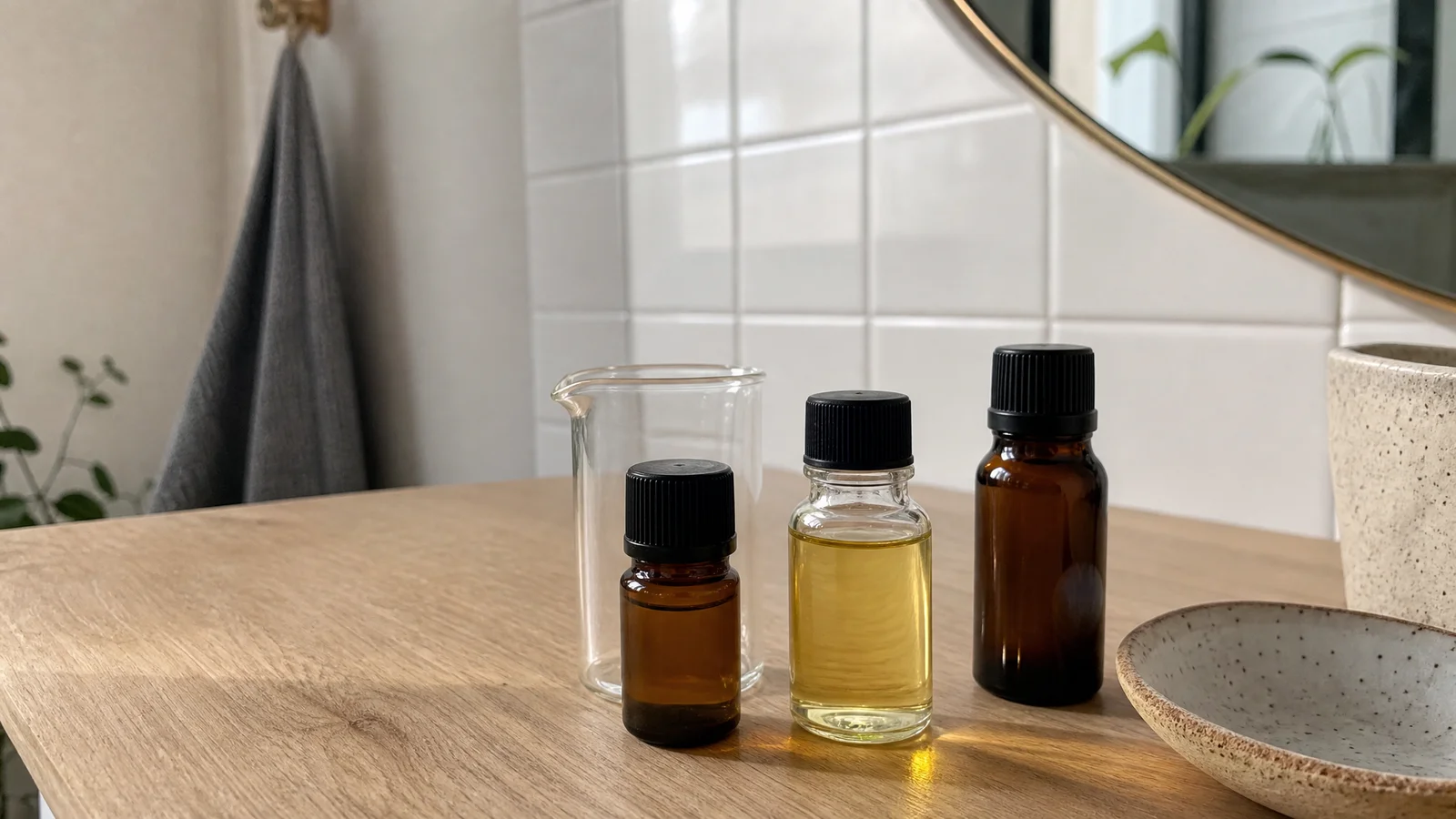
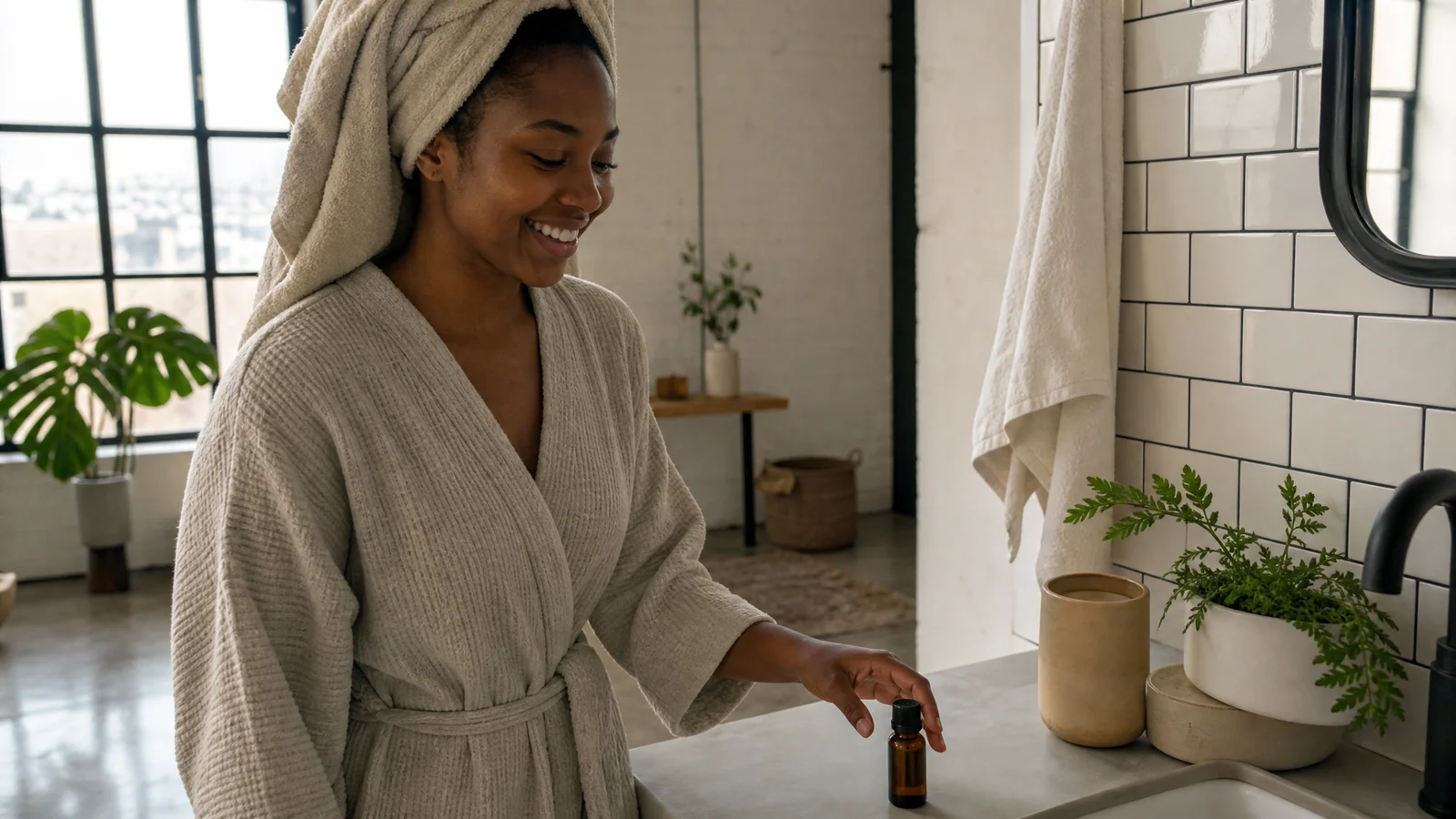
Stand the bottle upright on a small tray or saucer, pour over a sink or a towel, and cap it before you do anything else. Diluted oil can mark too, because a body oil or massage blend is a carrier oil with a few drops added. For a diffuser, fill the tank away from the sofa. If you like bath products, our bath salts piece explains why undiluted oil floats as a film on bath water.
A small spill is a minor chore, not a disaster. With a clean cloth, a little dish detergent and a patient hour, most cotton survives it, and the room smells wonderful while you work.
Tangerine Essential Oil
Tangerine Essential Oil from our own shop, in sizes from 0.5 oz to bulk.
From $12.99
Shop Now →Sources & Further Reading
- Cornell Cooperative Extension, Tompkins County, "REMOVING STAINS AT HOME"
- Texas A&M AgriLife Extension, "Removing Stains from Washable Fabrics"
- University of Georgia Extension, "Remove Stains From Oil"
- LeMay and Mendoza, "Compatibility of Halthane 88-3 urethane adhesive with the replacement cleaning solvent D-Limonene," Lawrence Livermore National Laboratory, 1991