Winter Citrus: Why Tangerine Season Makes the Best Oil
There is a moment every November when citrus counters at the market start piling up with small, easy-peeling fruit. Satsumas, clementines, mandarins, and true tangerines all arrive within weeks of each other, and the air around them smells like something genuinely good is about to happen. For essential oil lovers, that moment is not just a seasonal pleasure. It is the beginning of the best tangerine season oil available all year.
Peak harvest timing shapes oil quality in ways that are easy to overlook when you are browsing a website in July and the bottle looks the same regardless of when it was pressed. This article breaks down why winter is the right season to pay attention, how to make the most of seasonal citrus blends during the colder months, and what practical steps help you choose and use tangerine oil at its finest.
Why Harvest Timing Changes Everything
Tangerine essential oil is cold-pressed from the outer peel, not the juice. That distinction matters because the peel is where the aromatic compounds live. Limonene, gamma-terpinene, and the softer aldehydes that give tangerine its characteristic brightness are all concentrated in the oil glands of the zest.
Those compounds develop across the growing season, but they peak when the fruit reaches full maturity. For most commercial tangerine varieties grown in Florida, Spain, Morocco, Italy, and parts of Brazil, full maturity lands between late October and February. Fruit harvested at this window tends to have a fuller, rounder scent profile compared to early-season or off-season fruit, which often skews more sharp and one-dimensional.
Cold temperatures during the final weeks of ripening also slow the fruit's metabolic activity, giving aromatic compounds more time to accumulate without breaking down. Some distillers and cold-press producers describe this as the difference between a fruit that smells "finished" versus one that smells "almost there." If you have ever noticed that a December tangerine from a good source smells richer than a September one, you have already experienced this effect firsthand.
The Difference Between Winter Citrus Scents and the Rest of the Year
Citrus essential oils in general are available year-round because global sourcing means there is always something in season somewhere. That availability is genuinely useful. But it also means that labels rarely tell you when the fruit was harvested or where it was in its maturation cycle at pressing.
Winter citrus scents have a particular quality that experienced formulators notice quickly. The aroma tends to be sweeter and more complex, with a softer top note that lingers a little longer before it volatilizes off. Summer-pressed or off-season tangerine oils can smell perfectly pleasant, but they often have a sharper, more one-note quality that fades faster in a diffuser and blends less gracefully with base notes like sandalwood or vetiver.
For home use, this matters most in two contexts: diffusing and blending. If you are creating seasonal citrus blends for a winter diffuser routine or adding citrus to a cold-weather body oil, you will notice that a well-sourced winter-pressed tangerine oil integrates more smoothly. It does not compete as aggressively with warmer notes the way a sharper, high-limonene summer oil sometimes does.
How to Know What You Are Actually Buying
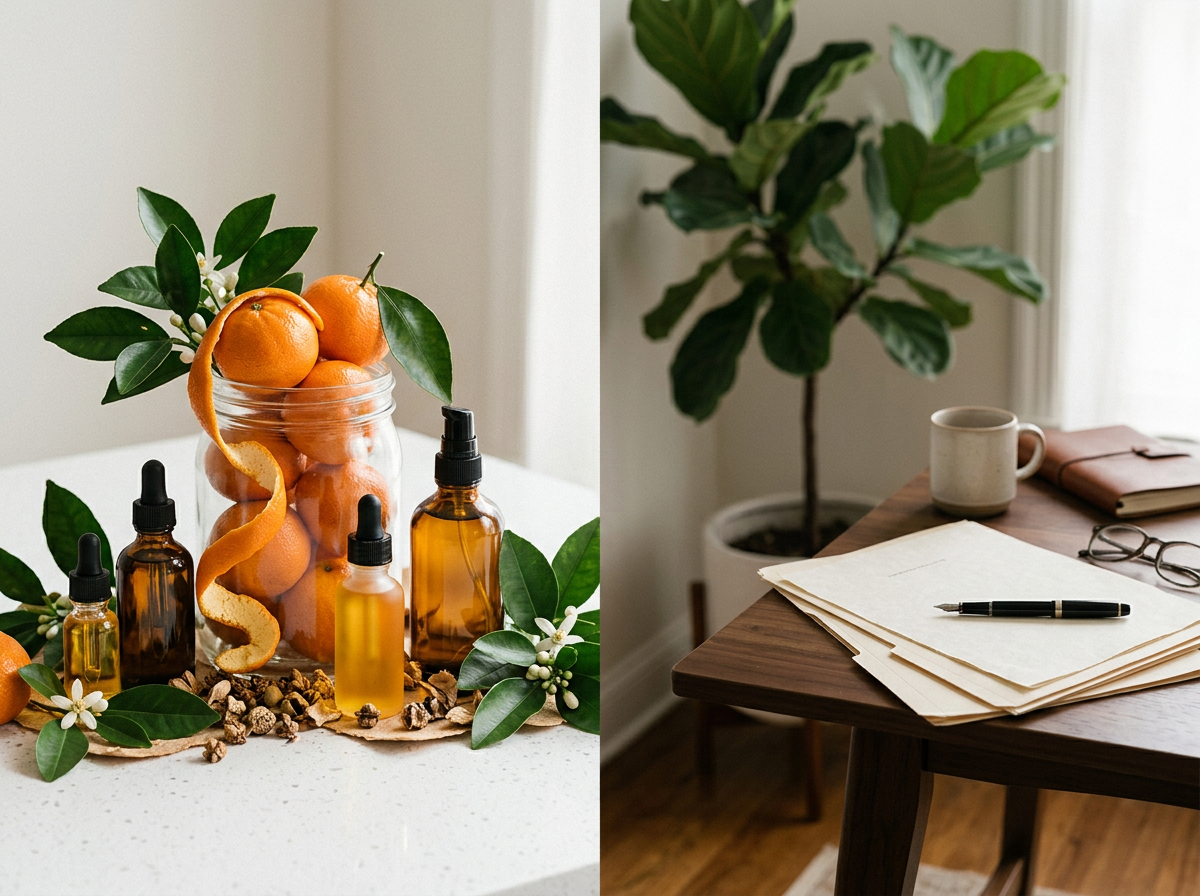
Most retail essential oil labels do not include harvest dates. Some do, and those are worth seeking out. When a supplier is transparent about country of origin, harvest season, and the lot number or batch, that transparency generally signals a higher standard of sourcing and traceability.
A few practical things to look for when shopping for tangerine season oil during winter months:
- Country of origin listed clearly. Italy and Spain tend to produce particularly fragrant winter tangerine oils, especially from Sicilian varieties. Florida Dancy tangerines are another respected source.
- Cold-pressed, not steam distilled. Citrus peel oils should be cold-pressed. Steam distillation changes the aromatic profile significantly and is not standard for quality citrus oils.
- GC/MS testing available. Gas chromatography and mass spectrometry testing shows the actual chemical composition. A reputable supplier will either publish this data or provide it on request. It confirms purity and gives you insight into the specific lot's aromatic character.
- Harvest year or pressing date. Not every supplier includes this, but it is one of the clearest indicators of freshness consciousness.
For a thorough walkthrough of evaluating sourcing, certifications, and quality markers, the complete guide to buying tangerine oil covers each of these factors in detail and helps you compare options before committing to a purchase.
Seasonal Citrus Blends Worth Making This Winter
Winter is genuinely one of the best times to work with tangerine oil because its brightness balances the heavier, woodier notes that feel right in cold weather. The warmth of a room full of cinnamon, clove, or cedarwood can become almost oppressive on its own. A citrus note opens it up.
A Simple Winter Diffuser Blend
This combination is a reliable starting point for seasonal citrus blends in a standard ultrasonic diffuser (100 mL water capacity):
- 4 drops tangerine
- 2 drops sweet orange
- 2 drops cedarwood (Atlas or Virginian)
- 1 drop cardamom
The tangerine and orange layer creates a multi-dimensional citrus top note. Cedarwood grounds it without going heavy. Cardamom adds a spiced warmth that reads as festive without being cloying. Run the diffuser in 30-minute intervals for best results and to avoid scent fatigue.
A Winter Body Oil for Dry Skin Season
Cold months are notoriously hard on skin. A simple body oil can be a pleasant part of a post-shower routine when the air is dry and heating systems make things worse. Here is a basic formulation:
- 2 tablespoons jojoba oil (carrier)
- 2 tablespoons sweet almond oil (carrier)
- 6 drops tangerine essential oil
- 4 drops frankincense essential oil
- 2 drops ylang ylang essential oil
This gives a dilution of approximately 1.5%, which falls within generally accepted guidelines for adult body oil applications.
Safety note: Tangerine essential oil expressed from the peel may be phototoxic, meaning it can increase skin sensitivity to UV light. Apply this oil only to areas that will be covered by clothing, or use it in the evening when sun exposure is not a factor. Always conduct a patch test on a small area of skin before applying any new oil blend more broadly. If you are pregnant, nursing, or managing any health consideration, consult a qualified healthcare provider before adding new essential oils to your routine.
A Linen and Room Spray
For a quick, non-skin application, a linen spray is one of the most accessible ways to use winter citrus scents around the home. Combine 10 drops tangerine oil, 5 drops clove bud (use sparingly, it is potent), and 5 drops bergamot in a 2-ounce spray bottle filled with a 1:1 blend of distilled water and high-proof alcohol (such as vodka or perfumer's alcohol). Shake before each use. Spray on linens, curtains, or into the air. Keep away from finished wood surfaces.
Buying for the Season: Sizing and Quantity Considerations
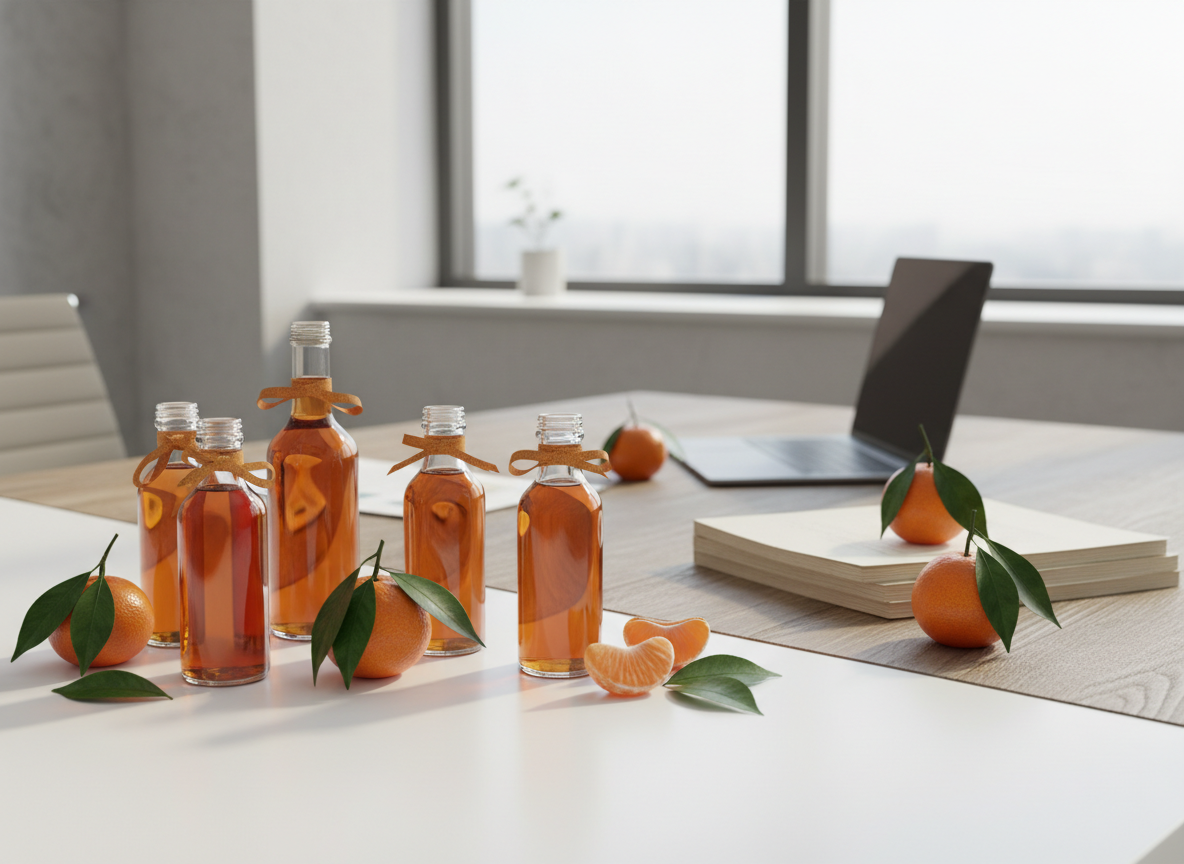
Winter is also a natural time to stock up, whether you are buying for yourself or planning to give citrus oils as gifts. Tangerine oil has a shorter shelf life than many other essential oils, typically 1 to 2 years when stored properly in a cool, dark place. That means buying an enormous quantity at once does not always make sense for an individual household.
For most home users, a 10 mL or 15 mL bottle is practical for personal use across a season. If you blend frequently or diffuse daily, a 30 mL bottle starts to make more economic sense. Before committing to a size you are unsure about, the article on choosing the right tangerine oil bottle size walks through typical usage rates and helps match quantity to your actual habits.
If you run a small business, create products for resale, or simply go through oil quickly, winter is a particularly good time to explore bulk options. Buying larger quantities when the season's pressing is fresh means you are getting oil closer to its aromatic peak. Information on wholesale and bulk tangerine oil purchasing covers what to expect from larger-format buying and how to evaluate suppliers at that scale.
Storing Your Winter-Pressed Oil Correctly
Even the finest tangerine season oil loses quality quickly if stored carelessly. Citrus oils oxidize faster than most other essential oils because their primary constituents (especially limonene) are highly reactive with oxygen and light.
Practical storage habits that make a real difference:
- Keep bottles upright in a cool, dark cabinet or drawer, away from heat sources.
- Replace caps promptly after each use. Do not leave bottles open while blending.
- Consider decanting bulk oil into smaller amber or cobalt glass bottles to minimize headspace and reduce oxidation as you work through the supply.
- Write the purchase date on the label if the supplier does not include one. Twelve to eighteen months is a reasonable target window for peak aromatic quality.
Oxidized citrus oil does not smell terrible right away. It shifts gradually from bright and sweet toward something flatter and slightly solvent-like. If your tangerine oil has started smelling more like cleaning product than fruit, it has likely oxidized and should not be used on skin, though it can sometimes still be used in a diffuser at your own discretion.
Making the Most of the Season
Tangerine season is short in the best way. The window when freshly pressed, peak-maturity oil is available is roughly four months long, and the fruit that makes it possible is only at its best for a few weeks of the year. That scarcity is worth paying attention to.
Buying a well-sourced winter citrus oil right now, while the season is active, puts you ahead of the summer months when supply chains draw from older stock or off-season harvests. Your diffuser blends will be brighter. Your body oils will smell more nuanced. And the whole ritual of working with citrus in winter, which already feels right on a sensory level, gets a little more grounded when the oil in your hand actually matches the season outside your window.
Stock up thoughtfully, blend with intention, and store carefully. The bottle of tangerine oil you open in February will remind you exactly why winter is the right time to pay attention to where your citrus comes from.